
Utility Vehicle vs ATV: What’s the Difference?
If you’re looking for an off-road machine, you’ve probably come across two popular options: Utility Vehicles (UTVs) and All-Terrain Vehicles (ATVs). While both are built to handle rough terrain, they serve different purposes and offer unique advantages depending on how you plan to use them.
Whether you’re a farmer, ranch owner, hunter, landscaper, contractor, or outdoor enthusiast, choosing between a UTV and an ATV can save you money and ensure you buy the right machine for your needs.
In this complete guide, we’ll explain the major differences between utility vehicles and ATVs, compare their features, discuss their pros and cons, and help you decide which one is the better investment.
What Is a Utility Vehicle (UTV)?
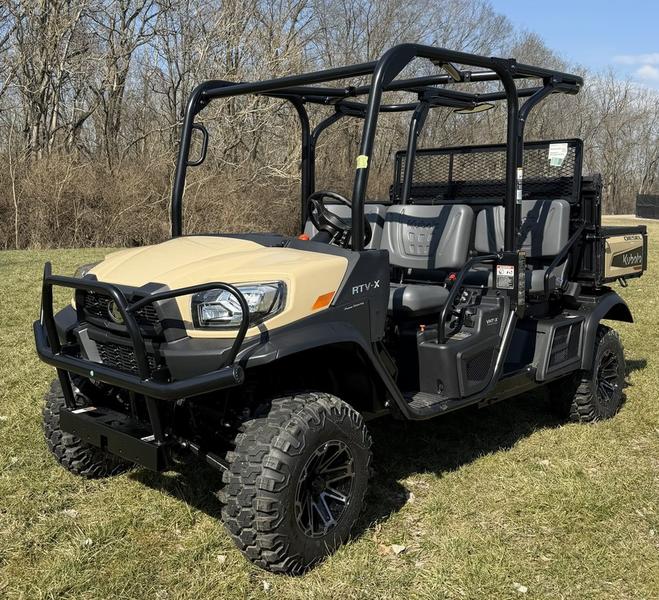
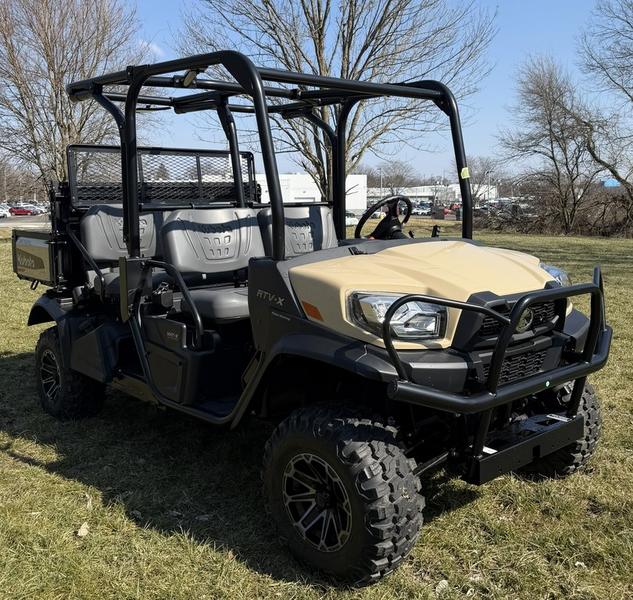
A Utility Task Vehicle (UTV), often called a side-by-side, is a four-wheel off-road vehicle designed for both work and recreation. Unlike an ATV, occupants sit side-by-side in automotive-style seats and use a steering wheel instead of handlebars.
Most UTVs include:
- Roll-over protection system (ROPS)
- Seat belts
- Steering wheel
- Foot pedals
- Cargo bed
- Multiple passenger seating
- High towing capacity
UTVs have become extremely popular on farms, construction sites, golf courses, hunting properties, parks, and recreational trails because they combine off-road capability with practical utility.
What Is an ATV?
An All-Terrain Vehicle (ATV) is a smaller off-road vehicle that riders straddle like a motorcycle. Steering is controlled using handlebars, and most ATVs are designed for one rider, although some models can carry a passenger.
Typical ATV features include:
- Handlebar steering
- Saddle-style seat
- Lightweight frame
- Excellent maneuverability
- High ground clearance
- Four-wheel drive on many models
ATVs are widely used for trail riding, hunting, racing, recreation, and light utility work.
UTV vs ATV: Quick Comparison
| Feature | Utility Vehicle (UTV) | ATV |
|---|---|---|
| Seating | 2–6 passengers | Usually 1 rider |
| Steering | Steering wheel | Handlebars |
| Safety | Seat belts & roll cage | Helmet only |
| Cargo Capacity | Large cargo bed | Small front/rear racks |
| Towing Capacity | Higher | Lower |
| Comfort | Excellent | Moderate |
| Width | Wider | Narrower |
| Trail Access | Limited on narrow trails | Excellent |
| Work Capability | Outstanding | Moderate |
| Recreation | Excellent | Excellent |
Seating and Passenger Capacity
One of the biggest differences between a UTV and an ATV is passenger capacity.
UTV Seating
UTVs commonly seat:
- 2 passengers
- 3 passengers
- 4 passengers
- 6 passengers
Some crew models are specifically built for families or work crews.
The bucket seats, seat belts, and enclosed cabins make long rides significantly more comfortable.
ATV Seating
Most ATVs are built for one rider.
Although two-up ATVs exist, they’re less common and still don’t provide the comfort or stability of a UTV.
Steering and Driving Experience
UTV
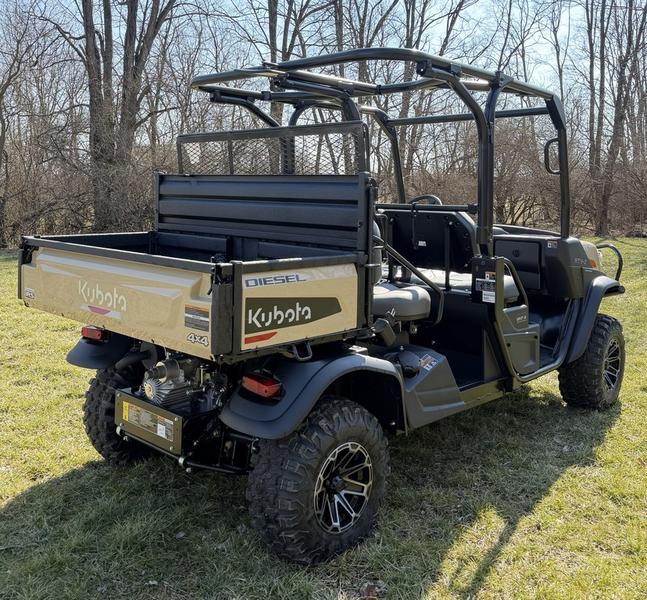
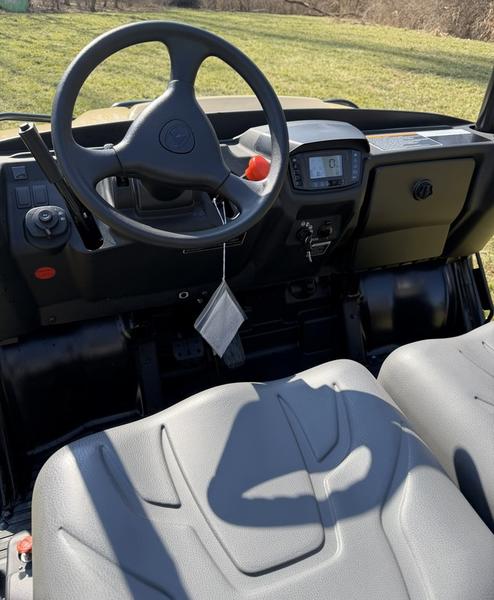
Driving a UTV feels similar to driving a small truck.
Features include:
- Steering wheel
- Accelerator pedal
- Brake pedal
- Automatic transmission on most models
This makes UTVs easier for beginners.
ATV
ATVs require:
- Handlebar steering
- Body shifting during turns
- Better rider balance
- More physical effort
They can be more challenging for inexperienced riders.Cargo and Utility Capabilities
When it comes to hauling equipment, feed, fencing supplies, or tools, UTVs clearly outperform ATVs.
UTV Cargo Capacity
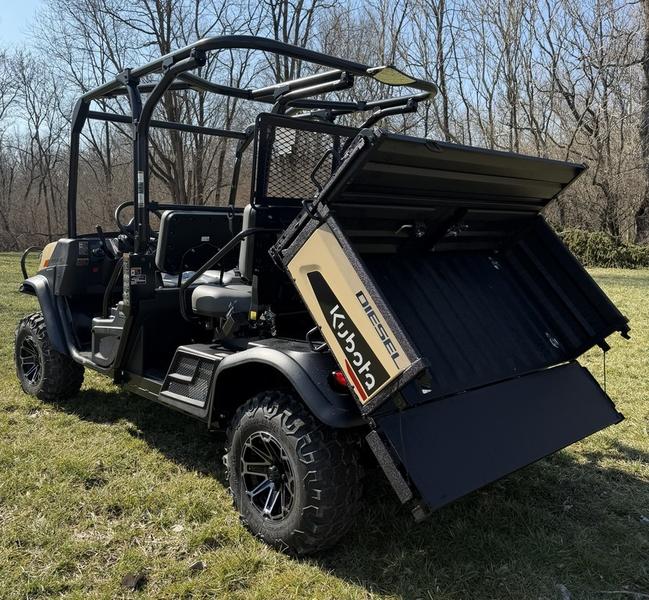
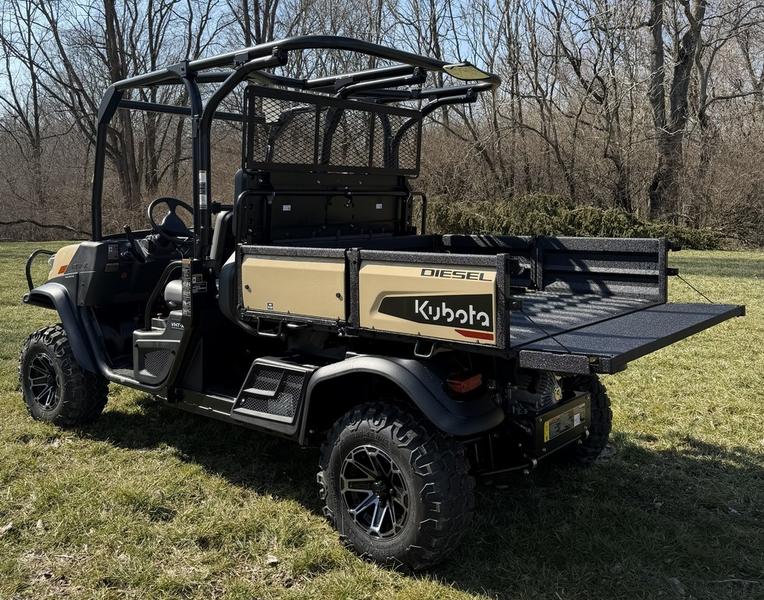
Most utility vehicles include:
- Dump cargo beds
- Tie-down points
- Tool holders
- Roof racks
- Bed extenders
Many UTVs can carry between 500 and 1,500 pounds depending on the model.
Common UTV Jobs
- Farm work
- Ranch maintenance
- Construction
- Landscaping
- Snow removal
- Hunting
- Property maintenance
ATV Cargo Capacity
ATVs use front and rear racks.
Typical cargo includes:
- Hunting gear
- Chainsaws
- Fuel cans
- Small trailers
- Feed bags
While capable, ATVs simply cannot haul as much as UTVs.
Towing Capacity
Towing is another area where UTVs excel.
UTV Towing
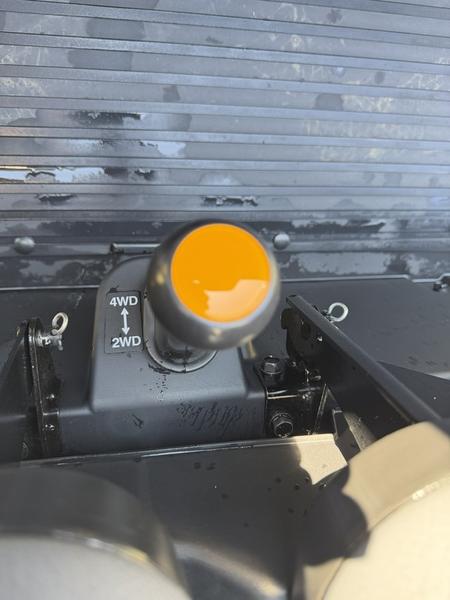
Many modern UTVs can tow:
- Small trailers
- Utility trailers
- Firewood
- Boats
- Livestock feed
- Sprayers
Towing capacities often range from 1,500 to over 2,500 pounds.
ATV Towing
ATVs usually tow between:
- 800–1,300 pounds
This is sufficient for lighter jobs but not ideal for commercial work.
Safety Features
Safety should always be a priority when operating off-road vehicles.
UTV Safety
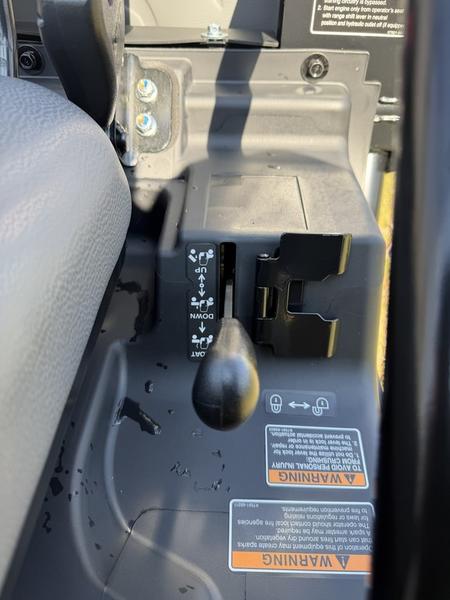
Most UTVs include:
Roll Cage
Protects occupants during rollovers.
Seat Belts
Help keep riders securely inside the vehicle.
Windshield Options
Many owners install:
- Glass windshields
- Polycarbonate windshields
- Wipers
- Roofs
Cab Enclosures
Some UTVs feature:
- Heating
- Air conditioning
- Doors
- Rear panels
These features provide additional comfort and weather protection.
ATV Safety
ATVs depend more on rider skill.
Essential safety gear includes:
- Helmet
- Gloves
- Boots
- Protective clothing
- Goggles
Because riders are exposed, ATVs generally offer less protection in accidents.
Comfort on Long Rides
Comfort is where UTVs have a clear advantage.
Why UTVs Are More Comfortable
They offer:
- Bucket seats
- Suspension systems
- Enclosed cabs
- Reduced rider fatigue
- Better weather protection
Many users spend entire workdays in UTVs.
ATV Comfort
ATVs require:
- Constant body movement
- Standing over rough terrain
- Greater physical effort
Long rides can become tiring.
Performance on Different Terrain
Both vehicles perform well off-road but excel in different environments.
UTV Terrain Performance
UTVs work well on:
- Farms
- Gravel roads
- Mud
- Snow
- Forest roads
- Sand
- Construction sites
Their larger size improves stability.
ATV Terrain Performance
ATVs shine on:
- Narrow trails
- Tight woods
- Rocky paths
- Mountain trails
- Technical terrain
Their smaller size allows riders to access places UTVs simply can’t reach.
Fuel Efficiency
ATVs generally consume less fuel because they’re lighter.
However, modern UTVs have become increasingly fuel-efficient, especially diesel and EFI-powered models.
Fuel consumption depends on:
- Terrain
- Load
- Engine size
- Driving style
Maintenance Requirements
Both machines require routine maintenance.
Regular Maintenance Includes
Engine Oil
Replace according to the manufacturer’s schedule.
Air Filter
Clean regularly when operating in dusty environments.
Tires
Inspect tire pressure and wear.
Brakes
Check brake pads and fluid levels.
CVT Belt
Many UTVs and ATVs use continuously variable transmissions that require belt inspection.
Routine maintenance extends the life of either machine.
Which Is Better for Farming?
For farming, a UTV is usually the better investment.
Advantages include:
- Higher payload
- Larger cargo bed
- Better towing
- Comfortable seating
- Easier transport of workers
Farmers often use UTVs daily for feeding livestock, checking fences, transporting supplies, and hauling equipment.
Which Is Better for Hunting?
The answer depends on your hunting style.
Choose a UTV If You Need
- Multiple hunters
- Game hauling
- Camping gear
- Quiet transportation
- Enclosed cab
Choose an ATV If You Need
- Narrow trail access
- Steep terrain
- Solo hunting trips
- Lightweight transport
Cost Comparison
Purchase price is another important consideration.
UTV Prices
Entry-level models generally cost more because they include:
- Roll cage
- Cargo bed
- Larger engine
- Passenger seating
- Better suspension
Premium UTVs with enclosed cabs and accessories can cost significantly more.
ATV Prices
ATVs usually have a lower purchase price.
They also tend to have:
- Lower insurance costs
- Less expensive maintenance
- Lower fuel consumption
However, adding trailers or accessories may increase ownership costs.
Popular UTV Brands
Some of the most trusted manufacturers include:
- Polaris Ranger
- Can-Am Defender
- Kubota RTV
- John Deere Gator
- Yamaha Wolverine
- Honda Pioneer
- Kawasaki Mule
- CFMOTO UFORCE
Popular ATV Brands
Well-known ATV manufacturers include:
- Honda
- Yamaha
- Polaris
- Suzuki
- Kawasaki
- Can-Am
These companies produce models for recreational riders and commercial users alike.
Who Should Buy a UTV?
A utility vehicle is ideal if you:
- Own a farm
- Manage large property
- Need towing power
- Carry tools regularly
- Travel with passengers
- Want year-round comfort
- Need an enclosed cab
Who Should Buy an ATV?
An ATV is a better choice if you:
- Ride narrow trails
- Prefer solo adventures
- Need a smaller machine
- Want lower ownership costs
- Enjoy trail riding
- Hunt in dense forests
- Need excellent maneuverability
Final Verdict
Choosing between a utility vehicle and an ATV depends on how you plan to use it.
If your priority is productivity, hauling, towing, passenger comfort, and year-round work, a UTV is the clear winner. Its larger size, higher payload capacity, and added safety features make it an excellent choice for farms, ranches, construction sites, and hunting camps.
On the other hand, if you value agility, lower costs, and access to tight trails, an ATV remains a fantastic option. Its lightweight design and maneuverability make it ideal for recreational riding, solo hunting trips, and exploring rugged terrain.
Before making a purchase, think about where you’ll ride, how much cargo you’ll carry, how many passengers you’ll transport, and the type of work or recreation you expect. Evaluating these factors will help you choose the machine that offers the best value for your needs.
Frequently Asked Questions (FAQs)
Is a UTV safer than an ATV?
Yes. UTVs generally offer more safety features, including roll cages, seat belts, and optional enclosed cabs. ATVs rely more heavily on rider skill and protective gear.
Can a UTV replace a pickup truck?
For many property maintenance tasks, a UTV can handle jobs such as hauling tools, transporting materials, towing small trailers, and moving around rough terrain. However, it is not a replacement for highway transportation or heavy-duty towing.
Which is better for farming, a UTV or an ATV?
A UTV is usually the better option because it provides greater cargo capacity, higher towing capability, improved comfort, and room for multiple passengers.
Are ATVs faster than UTVs?
Some sport ATVs can reach higher top speeds than utility-focused UTVs. However, many performance UTVs are also capable of impressive speeds. Actual performance varies by model and intended use.
Which vehicle costs less to maintain?
ATVs often have lower maintenance and operating costs because they are smaller, lighter, and have fewer components. Maintenance costs still depend on usage and proper servicing.
Can you drive a UTV on public roads?
In many areas, UTVs are not street legal unless they have been modified to meet local regulations. Always check your local laws before driving on public roads.
What is the average lifespan of a UTV?
With regular maintenance, many quality UTVs can operate reliably for 10 to 20 years or accumulate thousands of hours of service.
Is an ATV easier to transport?
Yes. Because ATVs are smaller and lighter, they are generally easier to load into trailers or pickup trucks than larger UTVs.
Which vehicle has better resale value?
Both UTVs and ATVs from reputable manufacturers tend to retain value well, especially when they are properly maintained and have documented service histories.
Should I buy a used UTV or ATV?
Buying used can be an excellent way to save money. Before purchasing, inspect the engine, transmission, suspension, frame, brakes, tires, maintenance records, and overall condition. A thorough inspection can help you avoid expensive repairs later.