
Best Utility Vehicle for a Small Farm
Running a small farm requires equipment that saves time, reduces manual labor, and handles a variety of daily tasks. Whether you’re transporting hay, feeding livestock, hauling firewood, repairing fences, or moving tools around your property, a utility vehicle (UTV) can quickly become one of the most valuable machines you own.
Unlike a pickup truck, a farm UTV is designed to travel over rough terrain, muddy fields, and narrow trails while carrying heavy loads. Many modern utility vehicles also offer enclosed cabs, heaters, power steering, and four-wheel drive, making them useful throughout every season.
If you’re searching for the best utility vehicle for a small farm, this guide explains what to look for, compares the leading models, and helps you choose one that matches your needs and budget.
Why Every Small Farm Needs a Utility Vehicle
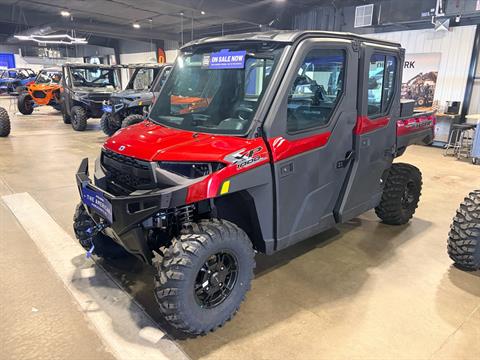
A utility vehicle isn’t just another machine—it becomes the workhorse of your property.
Daily farm jobs become easier because a UTV can:
- Transport feed and water
- Move fencing supplies
- Carry tools
- Pull trailers
- Haul harvested crops
- Check livestock
- Spray fields
- Clear snow
- Transport workers
Instead of making multiple trips on foot or using a tractor for every small job, a utility vehicle handles routine tasks quickly while using less fuel.
What Makes a Good Farm Utility Vehicle?
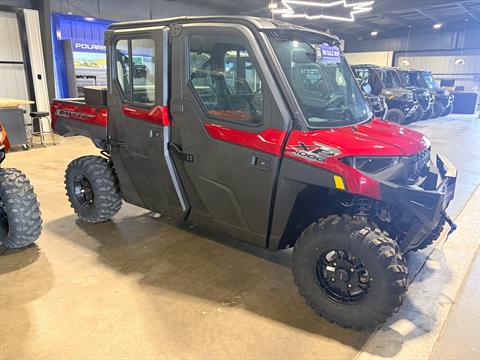
Not every recreational side-by-side is suitable for farm work.
The best farm UTV should offer durability, reliability, and strong hauling capabilities.
Engine Performance
Most farm owners choose engines between 400cc and 1000cc.
Smaller engines are fuel-efficient and ideal for light work, while larger engines provide better towing power for trailers and equipment.
Cargo Bed Capacity
A good cargo bed should comfortably carry:
- Feed bags
- Fertilizer
- Firewood
- Fence posts
- Tools
- Equipment
Most quality farm UTVs can carry between 600 and 1,200 pounds in the cargo bed.
Towing Capacity
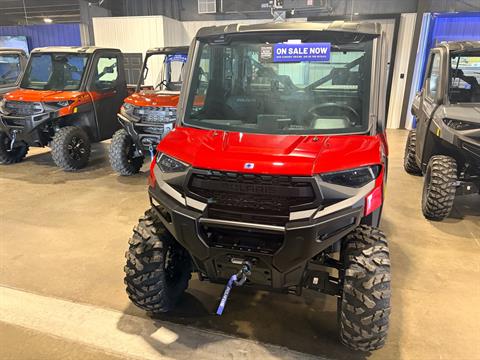
For small farms, towing is often more important than speed.
Look for towing capacities between:
- 1,500 lbs
- 2,000 lbs
- 2,500 lbs
This allows you to move trailers loaded with supplies, hay, or equipment.
Four-Wheel Drive
Small farms experience mud, snow, hills, and uneven ground.
A selectable 4WD system provides:
- Better traction
- Increased safety
- Improved climbing ability
- Less chance of getting stuck
Ground Clearance
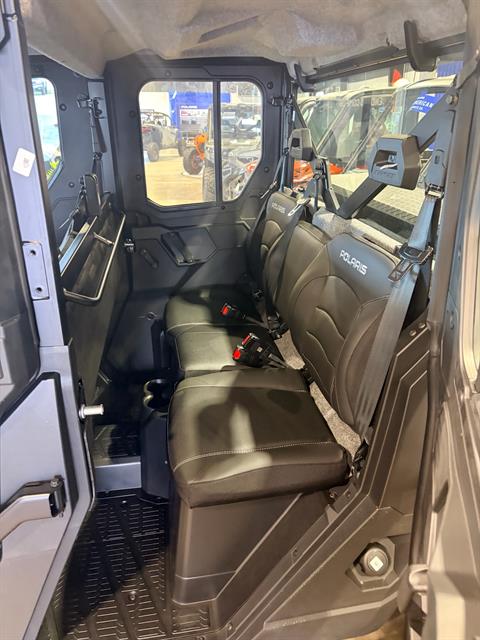
Higher ground clearance allows the vehicle to travel across:
- Rocks
- Tree roots
- Deep ruts
- Uneven trails
Most farm UTVs provide between 10–14 inches of clearance.
Best Utility Vehicles for Small Farms
1. Kubota RTV-X1100C
The Kubota RTV-X1100C is one of the most respected farm utility vehicles available.
Why farmers love it
- Diesel engine
- Fully enclosed factory cab
- Air conditioning
- Heater
- Hydraulic dump bed
- Excellent reliability
Best for
Farmers who work year-round in all weather conditions.
2. John Deere Gator XUV835M
John Deere has built farm equipment for generations, and the Gator continues that reputation.
Key benefits
- Strong towing
- Comfortable suspension
- Excellent dealer support
- Powerful gasoline engine
- Durable cargo bed
This is a great all-around machine for livestock farms.
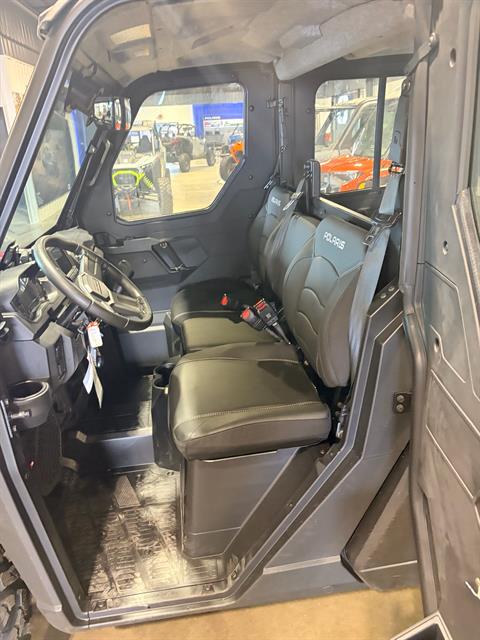
3. Polaris Ranger XP 1000
The Ranger XP 1000 combines comfort with serious work capability.
Features
- Smooth ride
- High towing capacity
- Large cargo bed
- Powerful engine
- Electronic power steering
It performs equally well on farms, ranches, and large properties.
4. Yamaha Wolverine X2
For farms with wooded trails or tight spaces, the Wolverine X2 offers exceptional maneuverability.
Advantages
- Compact size
- Reliable engine
- Comfortable seating
- Excellent suspension
- Easy maintenance
5. CFMOTO UForce 1000
If you’re shopping on a budget, the UForce 1000 offers outstanding value.
Includes
- Roof
- Winch
- Power steering
- Large cargo bed
- Strong towing
Many premium features come standard without a premium price.
6. Bobcat UV34
Bobcat designed the UV34 specifically for hardworking environments.
Strengths
- Diesel engine
- Heavy-duty suspension
- Strong payload
- Excellent durability
- Commercial-grade construction
Ideal for farms that also use skid steers or other Bobcat equipment.
Should You Buy New or Used?
Buying used can save thousands of dollars.
A quality used utility vehicle often performs like new if properly maintained.
Advantages of buying used
- Lower purchase price
- Reduced depreciation
- Larger selection
- Better value
- Easier financing in some cases
Inspect Before Buying
Always check:
Engine
- Cold start
- Smoke
- Oil leaks
- Engine noise
Transmission
- Smooth shifting
- Proper engagement
Suspension
- Loose ball joints
- Worn bushings
- Damaged shocks
Tires
Uneven wear may indicate alignment or suspension issues.
Cargo Bed
Look for cracks, dents, or signs of overloading.
Frame
Inspect carefully for rust, bent sections, or previous repairs.
Farm Attachments That Increase Productivity
A utility vehicle becomes even more useful with the right accessories.
Popular attachments include:
- Sprayers
- Snow plows
- Winches
- Seed spreaders
- Trailer hitches
- Gun racks
- Tool holders
- Cab enclosures
- Roofs
- Windshields
These additions allow one vehicle to perform dozens of different jobs.
Gas vs Diesel Utility Vehicles
Gas Models
Advantages
- Faster acceleration
- Quieter
- Lower maintenance costs
- Easier cold starts
Best for:
General farm use and lighter workloads.
Diesel Models
Advantages
- Better fuel economy
- Higher torque
- Longer engine life
- Excellent for towing
Best for:
Large farms and frequent heavy hauling.
Maintenance Tips
Regular maintenance keeps repair costs low.
Every Week
- Check engine oil
- Inspect tires
- Clean radiator
- Check coolant
Every Month
- Inspect brakes
- Grease fittings
- Check battery
- Tighten bolts
Every Year
- Replace fluids
- Inspect drive belt
- Replace filters
- Service transmission
Proper maintenance helps many farm UTVs exceed 5,000–10,000 operating hours.
How Much Should You Spend?
Typical price ranges are:
| Type | Average Price |
|---|---|
| Entry-Level | $8,000–$12,000 |
| Mid-Range | $12,000–$18,000 |
| Premium | $18,000–$30,000+ |
| Used Models | $5,000–$15,000 |
A used model with a good service history often delivers the best value for small farms.
Choosing the Right Utility Vehicle
Before purchasing, ask yourself:
- How many acres do I farm?
- Will I tow trailers regularly?
- Do I need a cab?
- Will I work during winter?
- How much weight will I haul?
- Do I need diesel or gasoline?
- Is dealer support available nearby?
Answering these questions helps narrow your options and prevents overspending.
Final Thoughts
The best utility vehicle for a small farm depends on your workload, budget, and property size. For heavy-duty work and all-weather comfort, the Kubota RTV-X1100C is a top choice. If you want a balance of power and versatility, the Polaris Ranger XP 1000 and John Deere Gator XUV835M are excellent options. Budget-conscious buyers will appreciate the value offered by the CFMOTO UForce 1000, while compact properties benefit from the maneuverability of the Yamaha Wolverine X2.
If you’re considering a used utility vehicle, focus on condition, maintenance history, engine performance, and overall reliability rather than age alone. A well-maintained used UTV can provide years of dependable service at a significantly lower cost than buying new.
Frequently Asked Questions (FAQs)
What is the best utility vehicle for a small farm?
The Kubota RTV-X1100C, Polaris Ranger XP 1000, John Deere Gator XUV835M, and CFMOTO UForce 1000 are among the best options due to their durability, towing capacity, and reliability.
Is a diesel or gas UTV better for farming?
Diesel UTVs are ideal for heavy towing and fuel efficiency, while gasoline models offer quicker acceleration, lower maintenance costs, and smoother operation for general farm work.
How much weight can a farm utility vehicle carry?
Most farm UTVs can carry between 600 and 1,200 pounds in the cargo bed and tow 1,500 to 2,500 pounds, depending on the model.
Should I buy a new or used utility vehicle?
A used utility vehicle can provide excellent value if it has been properly maintained. Always inspect the engine, transmission, suspension, frame, and service records before purchasing.
What features should I prioritize in a farm UTV?
Look for four-wheel drive, a durable cargo bed, strong towing capacity, power steering, good ground clearance, and optional cab protection if you work in harsh weather.
How long does a utility vehicle last on a farm?
With regular maintenance, many quality utility vehicles can last 10–20 years or accumulate 5,000–10,000 operating hours, depending on usage and care.
What accessories are most useful for a farm UTV?
Popular accessories include a winch, roof, windshield, cab enclosure, snow plow, sprayer, trailer hitch, tool racks, and LED work lights.
Is a utility vehicle better than a tractor for small jobs?
Yes. While tractors are essential for heavy fieldwork, a utility vehicle is faster, more fuel-efficient, and more convenient for everyday tasks such as transporting tools, feeding livestock, hauling supplies, and inspecting property.