
If you’ve ever watched a stock SUV bottom out on a rutted logging road or spin its wheels helplessly in mud, you already understand why a purpose-best 4×4 Utility Vehicles for Rough Terrain (UTV) matters. Whether you’re managing a ranch, hauling gear to a remote hunting camp, working a job site with no paved access, or just chasing trails that regular vehicles can’t touch, the right side-by-side or best 4×4 utility vehicles for rough terrain can be the difference between getting the job done and getting stuck two miles from cell service.
This guide breaks down what actually matters when shopping for a rough-terrain utility vehicle, highlights some of the strongest options on the market, and answers the questions people ask most before they buy.Best 4×4 Utility Vehicles for Rough Terrain
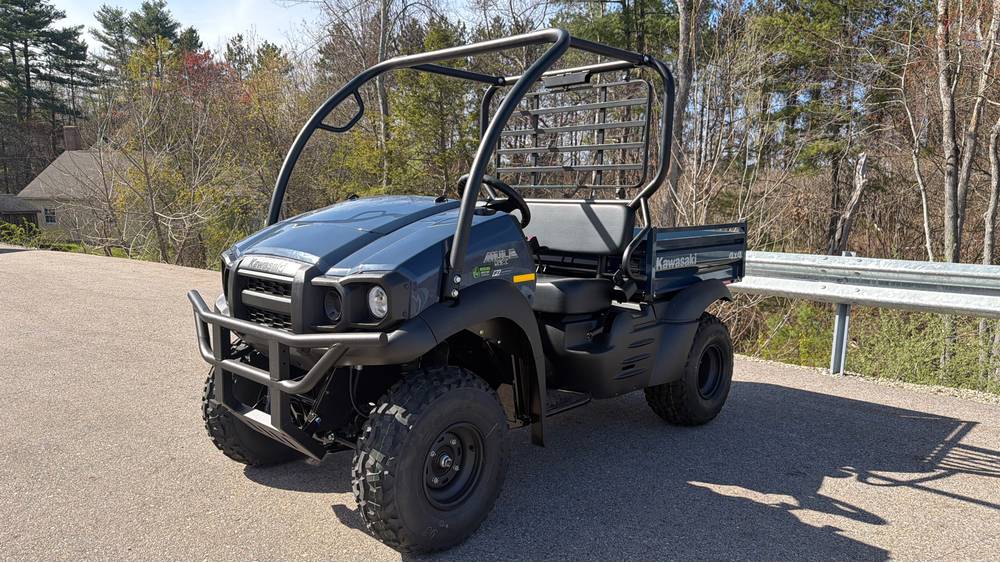
Why a Dedicated 4×4 Utility Vehicle Beats a Regular Truck or SUV Off-Road
Full-size trucks are great on gravel roads and moderate trails, but they’re heavy, wide, and expensive to repair when things go wrong. Utility vehicles are engineered from the ground up for a different job: narrow trail clearance, high ground clearance, low-range gearing, and suspension travel that can absorb hits a truck would never survive.Best 4×4 Utility Vehicles for Rough Terrain
Built-In Advantages of Purpose-Built UTVs
- Narrower footprint — most utility 4x4s are 50 to 65 inches wide, letting them fit on single-track trails
- Higher approach and departure angles — fewer scraped bumpers and skid plates
- True locking differentials — power gets sent where traction actually exists
- Lower cost per mile of hard use — parts and maintenance are cheaper than truck-scale components
- Cargo beds and towing capacity built specifically for work, not just recreation
Where They Fall Short
They’re not highway vehicles. Top speeds are usually capped, weather protection is minimal unless you add a cab, and payload capacity, while impressive for their size, won’t match a full-size pickup. Buyers need to match the vehicle to the actual terrain and workload, not just the marketing photos.
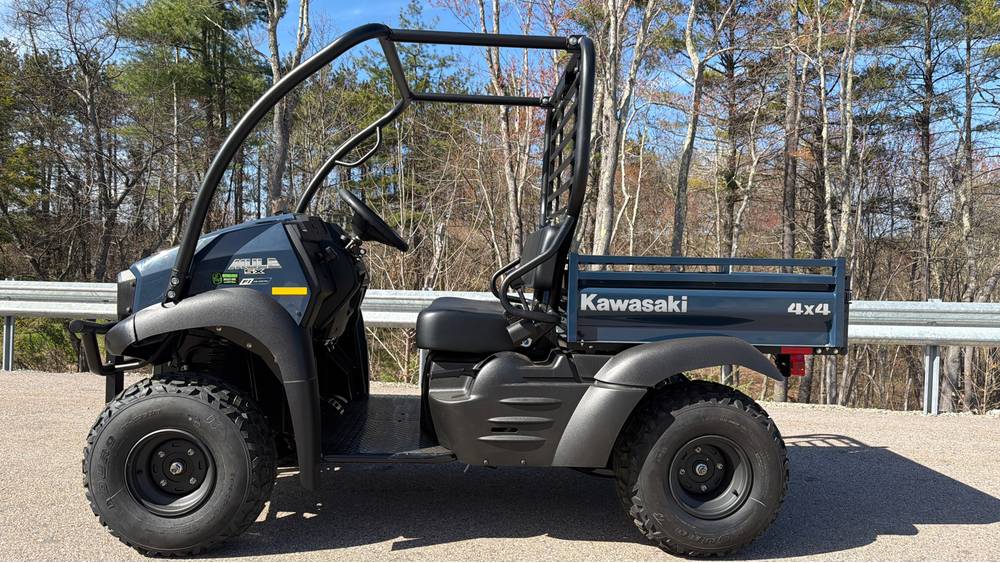
What to Look for Before You Buy
Not every “4×4” badge means the same thing. Some vehicles offer true four-wheel drive with locking diffs; others rely on all-wheel-drive systems that shuffle power electronically but can’t match a locked axle when things get technical.
Ground Clearance and Suspension Travel
Ground clearance in the 12 to 14-inch range is now common among serious trail machines, and suspension travel of 10+ inches front and rear lets the vehicle absorb rocks and ruts without transferring every hit to the frame — or your spine.
Drivetrain and Locking Differentials
Look specifically for a true locking front differential, not just “on-demand 4WD.” A locker forces both front wheels to spin together, which is what actually gets you through deep mud or over a rock ledge when one wheel loses contact with the ground.
Engine Power and Torque Delivery
Horsepower numbers get the headlines, but torque at low RPM is what matters for crawling. A vehicle putting out 40-45 hp with strong low-end torque will often out-climb a higher-horsepower machine that’s tuned for speed instead of grunt.
Payload, Towing, and Bed Configuration
If the vehicle is doing actual work — hauling fencing supplies, feed, tools, or game — check the dump bed capacity and towing rating separately. Manufacturers sometimes advertise combined figures that overstate what you can realistically carry and tow at the same time.
Tires and Wheel Setup
Stock tires are almost always a compromise. Aggressive mud-terrain or all-terrain tires with reinforced sidewalls make a bigger real-world difference than most drivetrain upgrades, especially in rocky or root-heavy terrain where sidewall punctures are the most common failure point.
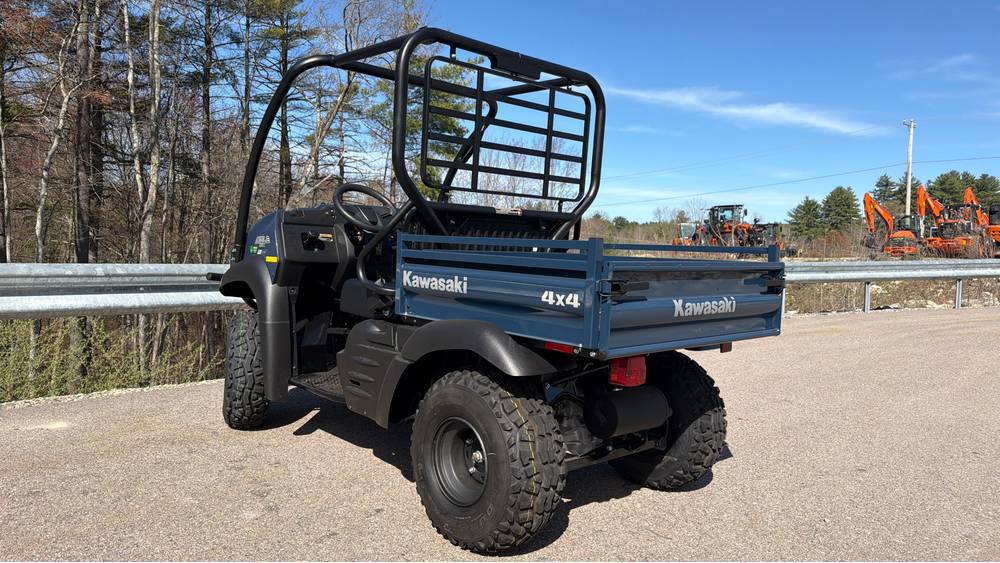
Top Best 4×4 Utility Vehicles for Rough Terrain
Below are standout models across different budgets and use cases. Pricing and specs shift year to year, so always confirm current figures with the manufacturer or a local dealer before buying.Best 4×4 Utility Vehicles for Rough Terrain
Polaris Ranger XP 1000 / Ranger Crew XP 1000
The Ranger line has become the benchmark for work-focused UTVs. It pairs a strong 82-hp engine with true on-demand true AWD/4WD and a locking front differential, plus a dump bed rated for real payload. The Crew version adds a second row of seating, which matters if you’re running crews to remote sites rather than working solo.
Can-Am Defender HD10 / HD10 X mr
Can-Am’s Defender lineup leans into torque and durability, with a Rotax engine tuned for low-end pulling power rather than top speed. The X mr trim specifically targets mud and extreme terrain with tuned suspension and aggressive tires straight from the factory, which saves buyers an aftermarket tire swap.
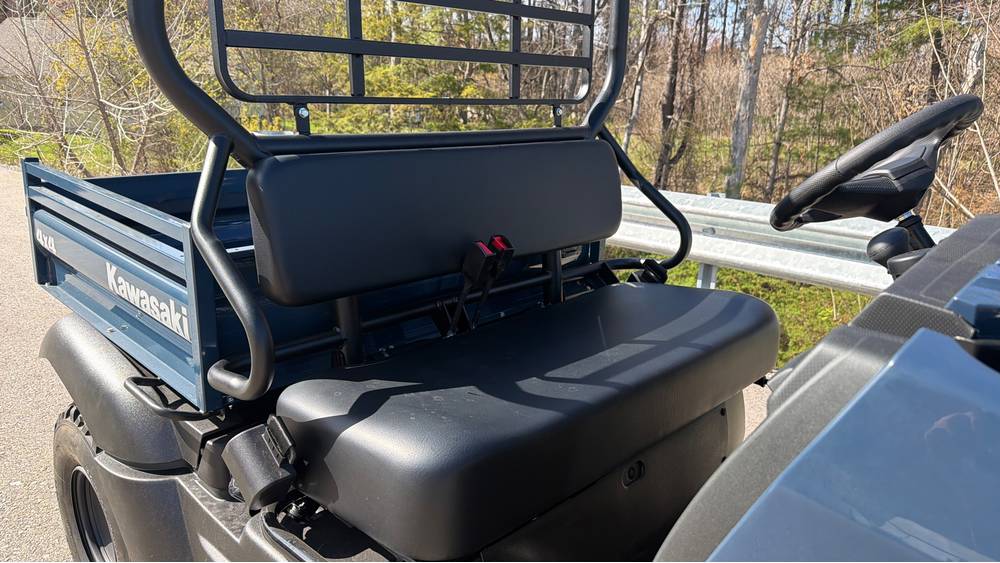
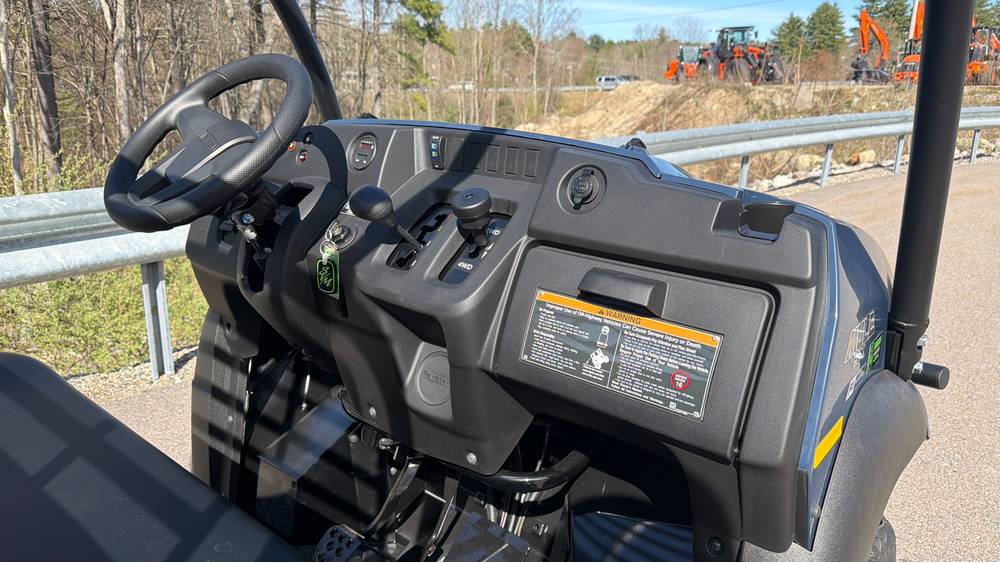
Kawasaki Mule PRO-FXT
Kawasaki built its reputation on reliability, and the Mule PRO-FXT continues that tradition with a convertible 3-to-6 seat configuration and a durable V-twin engine. It’s not the fastest or most powerful machine on this list, but for ranch and farm buyers who value longevity over bragging rights, it’s consistently a top pick.
Honda Pioneer 1000-5
Honda’s Pioneer 1000-5 brings a dual-clutch transmission that’s unusual in this class, giving smoother power delivery on technical climbs. Its i-4WD system automatically distributes torque to the wheels with the most traction, reducing the guesswork of manual locker engagement.
Yamaha Wolverine RMAX2 1000
Yamaha’s Wolverine RMAX2 series is built more for trail performance than pure work capacity, with excellent suspension travel and a responsive drivetrain. It’s a strong option for buyers who want serious rough-terrain capability but don’t need a massive cargo bed.
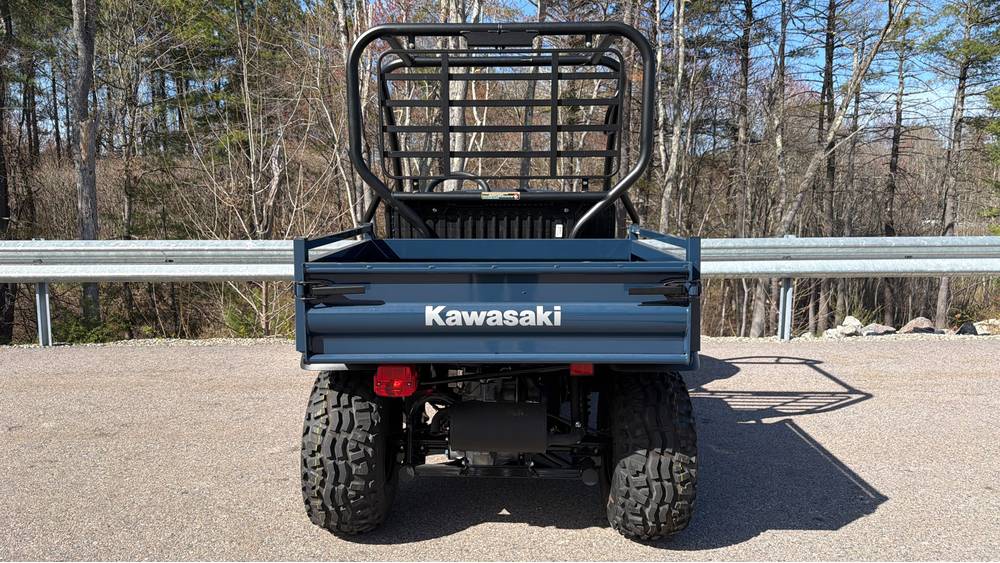
Matching the Best 4×4 Utility Vehicles for Rough Terrain
Rocky and Technical Trails
Prioritize ground clearance, front locking differentials, and skid plate coverage. Suspension articulation matters more than raw horsepower here, since keeping tires planted on uneven rock is the real challenge.Best 4×4 Utility Vehicles for Rough Terrain
Mud and Wetland Terrain
Tire choice and engine cooling become critical. Radiator placement matters — some machines are far more prone to overheating or clogging when running through deep mud for extended periods, so check reviews specific to mudding use before buying.
Steep Grades and Mountain Trails
Engine braking and low-range gearing matter as much as climbing power. A vehicle that can crawl uphill but can’t control descent safely is a liability on steep terrain.
Agricultural and Ranch Work
Payload capacity, PTO compatibility, and towing ratings should drive the decision more than trail performance specs. Comfort features that matter for all-day use — like adjustable seating and weather protection — become more important than outright capability.
Maintenance Habits That Extend the Life of a Rough-Terrain 4×4
Regular Undercarriage Inspection
Rocks, roots, and debris take a toll on skid plates, CV boots, and suspension components. A quick visual check after hard rides catches small problems before they become expensive ones.
Air Filter and Cooling System Care
Dust and mud both clog air filters and radiators fast. Machines used in extreme terrain need more frequent filter changes than the manufacturer’s standard interval suggests.
Differential and Gearbox Fluid Changes
Water intrusion during river crossings or deep mud runs contaminates differential fluid quickly. Checking fluid color and consistency after wet runs prevents long-term gearbox damage.
Frequently Asked Questions
What’s the difference between a UTV and an ATV for rough terrain?
A UTV (utility task vehicle) has side-by-side seating, a steering wheel, and typically a cargo bed, while an ATV (all-terrain vehicle) is straddle-seated like a motorcycle. UTVs generally offer more stability, cargo capacity, and passenger capacity, making them better suited for work tasks, while ATVs tend to be lighter and more nimble on tight single-track trails.
How much ground clearance do I actually need for rough terrain?
For moderate trails and ranch work, 10-12 inches is usually sufficient. For rock crawling or extreme backcountry use, look for 13-14+ inches combined with strong approach and departure angles, since clearance alone doesn’t prevent hang-ups on uneven terrain.
Do I really need a locking differential, or is AWD enough?
AWD systems that automatically shift torque are convenient and work well for moderate trail use, but they can’t match a true locked differential when one wheel completely loses traction, such as in deep mud or on a rock ledge. If you regularly encounter extreme terrain, a true locker is worth prioritizing.
What’s a reasonable budget for a serious rough-terrain 4×4 utility vehicle?
Entry-level utility 4x4s start around the low-to-mid teens in price, while fully equipped work or performance trims from major manufacturers often land in the high teens to mid-twenties, depending on cab enclosures, power steering, and accessory packages. Always factor in tires, winches, and protective add-ons, which can add a meaningful amount to the total cost.
How often should I service a UTV used regularly on rough terrain?
Heavy off-road use typically shortens standard maintenance intervals significantly. Many owners cut manufacturer-recommended oil, filter, and differential fluid change intervals roughly in half when the vehicle sees consistent mud, dust, or water crossings, since these conditions accelerate wear and contamination.
Can these vehicles be used for both work and recreation?
Yes, and many buyers choose models specifically because they bridge both uses. Machines like the Polaris Ranger or Can-Am Defender handle hauling and towing during the week while still offering enough suspension travel and power for weekend trail riding.
Are aftermarket upgrades worth it, or should I buy a higher trim instead?
It depends on the specific need. Tires, winches, and skid plates are almost always worth adding regardless of trim level, since factory setups rarely match dedicated aftermarket parts. However, drivetrain and suspension upgrades are often cheaper and more reliable when bought as part of a higher factory trim than retrofitted later.
Final Thoughts
The best 4×4 utility vehicle for rough terrain isn’t necessarily the one with the biggest engine or the flashiest marketing — it’s the one matched honestly to your terrain, workload, and budget. Buyers who prioritize a true locking differential, adequate ground clearance, and the right tires for their specific conditions consistently get more reliable performance than those chasing horsepower numbers alone. Test ride before you buy whenever possible, talk to other owners in your specific terrain type, and remember that a well-maintained mid-range machine will almost always outperform a neglected high-end one when the trail gets tough.Best 4×4 Utility Vehicles for Rough Terrain