
Utility Vehicle Safety Tips for New Owners
So you just brought home a new UTV. Maybe it’s for the farm, maybe it’s for weekend trail rides, maybe it’s just going to live in the garage until hunting season starts. Whatever the reason, that excitement of finally owning one can make it tempting to hop in, hit the throttle, and figure things out as you go.
That’s exactly how most first-year UTV accidents happen.
Utility vehicles (also called UTVs, side-by-sides, or ROVs) are more powerful and less forgiving than they look. They’re heavier than a golf cart, faster than most people expect, and far more prone to rolling than a standard car. None of that means you should be nervous about owning one — it just means a little bit of preparation goes a long way. This guide walks through everything a new owner should know before their first real ride, from pre-drive checks to the mistakes that trip up almost everyone in their first season.
Why Safety Should Be Your First Priority
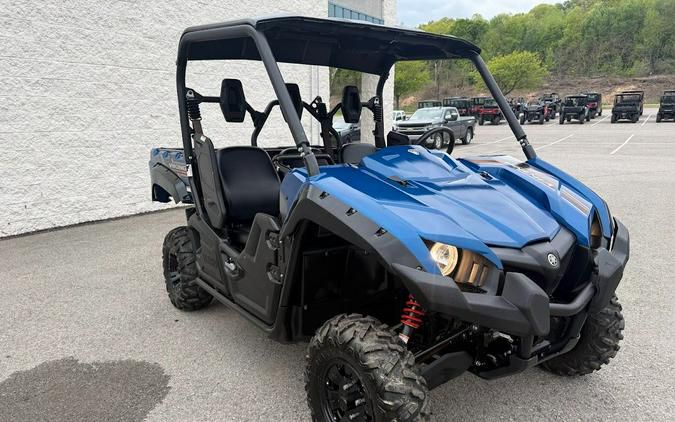
It’s easy to underestimate a UTV because it looks like an oversized golf cart with knobby tires. In reality, most models weigh well over 1,000 pounds, can hit speeds of 40–75 mph depending on the model, and have a high center of gravity that makes them far more rollover-prone than a car or truck.
According to the U.S. Consumer Product Safety Commission, thousands of UTV-related injuries are treated in emergency rooms every year, and a large share of them involve new owners within their first few months of ownership. That’s not a coincidence — it’s usually a mix of overconfidence, unfamiliarity with the controls, and skipping the basics that experienced riders take for granted.
The good news: nearly all of these incidents are preventable. A short list of habits, built early, will keep you and your passengers safe for years of use.
Before You Drive: Pre-Ride Inspection Checklist
Every UTV owner should get into the habit of a quick walk-around before starting the engine. It takes less than five minutes and catches most of the problems that lead to breakdowns or accidents on the trail.
Check Tires and Wheels
Look at tire pressure, tread wear, and sidewall condition. Underinflated tires reduce stability on uneven terrain, while overinflated tires reduce traction. Check that lug nuts are tight — vibration from off-road driving can loosen them over time, especially in the first few hundred miles after purchase.
Inspect Brakes and Steering
Press the brake pedal before moving and make sure it feels firm, not spongy. Spongy brakes usually mean air in the line or low fluid, both of which need attention before you drive. Turn the steering wheel or handlebars lock to lock to confirm there’s no unusual resistance or looseness.
Fluid Levels and Battery
Check engine oil, coolant, and brake fluid levels against the owner’s manual specifications. Look under the vehicle for any fresh leaks. If your UTV has been sitting for more than a couple of weeks, test the battery terminals for corrosion and make sure connections are snug.
Getting into this routine early makes it second nature by the time you’re a few months in — and it’s often the difference between catching a small issue in the driveway versus dealing with a bigger one five miles into a remote trail.
Essential Safety Gear for UTV Owners
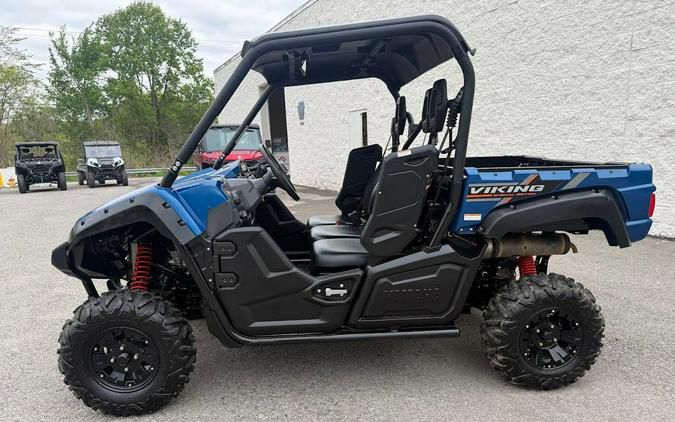
A lot of new owners treat gear as optional because UTVs have doors, roll cages, and seatbelts built in. That built-in structure helps, but it isn’t a substitute for personal protective equipment.
Helmets and Eye Protection
A DOT- or ECE-certified helmet is the single most effective piece of safety gear you can wear. Even at moderate trail speeds, an unprotected head is vulnerable in a rollover or collision with a low branch. Pair the helmet with goggles or a full-face shield, since dust, mud, and debris are a constant on unpaved trails.
Seatbelts and Restraint Systems
Buckle up every single time, including short trips around the property. Rollovers can happen at low speeds on relatively flat ground, and being thrown from the vehicle is one of the leading causes of serious UTV injuries. If your model has a harness-style restraint, adjust it snugly — a loose harness offers far less protection.
Additional Protective Clothing
Over-the-ankle boots, gloves, and long sleeves protect against burns from hot engine components, cuts from brush, and abrasions in a tip-over. None of this needs to be expensive motocross gear; the goal is simply to cover skin and support your ankles and wrists.
Learning to Drive Your UTV Safely
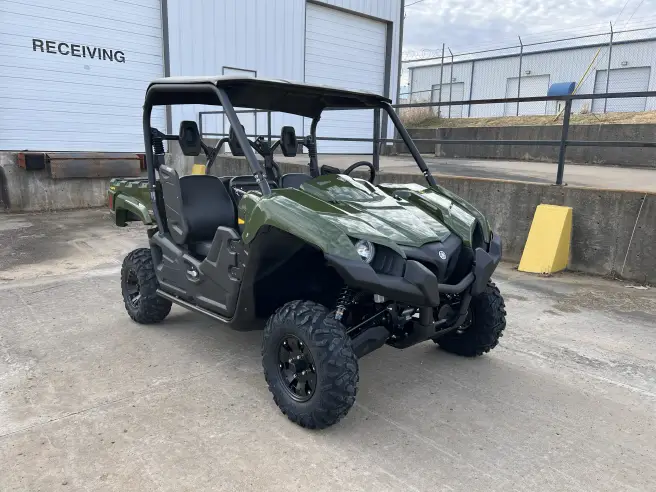
Even experienced ATV or car drivers need time to adjust to how a UTV handles. The width, the weight distribution, and the throttle response are all different from what you’re used to.
Start Slow and Get to Know the Controls
Spend your first few outings in an open, flat area with no obstacles. Get comfortable with throttle response, braking distance, and how the vehicle handles turns before introducing hills, mud, or tight trails. Many manufacturers recommend at least a few hours of low-speed practice before attempting technical terrain.
Understanding Center of Gravity and Rollover Risk
UTVs sit higher off the ground than cars, which gives them better ground clearance but also raises the center of gravity. Sharp turns taken too fast, or driving across a steep side-slope instead of straight up or down it, are the two most common causes of rollovers. Slow down before turns, and avoid leaning the vehicle across a hillside.
Practicing on Familiar Terrain First
Don’t take an unfamiliar UTV onto unfamiliar trails on day one. Learn how the vehicle responds on ground you already know, then gradually introduce new terrain once you’re confident in the basics.
Safe Driving Habits On and Off the Trail
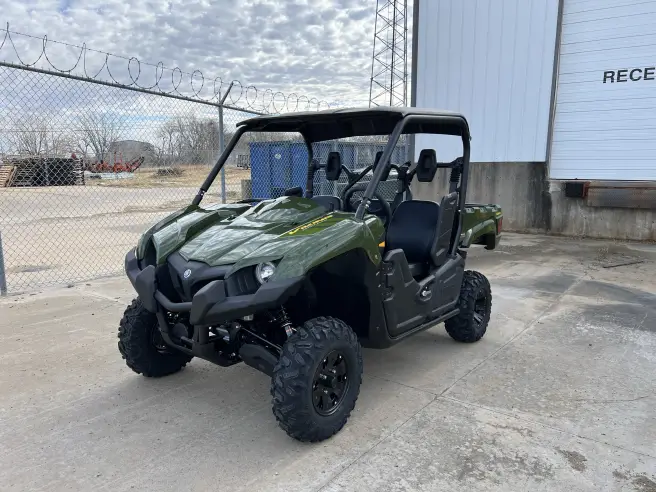
Once you’re comfortable with the controls, the habits you build in your first season will shape how safely you ride for years afterward.
Speed Control
Match your speed to the terrain, not to the vehicle’s top speed. Trails with blind corners, loose gravel, or uneven ruts demand much slower speeds than an open field. A good rule of thumb: if you can’t stop within the distance you can see ahead, you’re going too fast.
Passenger and Cargo Limits
Never Exceed Seating Capacity
Every UTV has a manufacturer-rated seating capacity, and it exists for a reason — extra weight and extra bodies affect balance, braking distance, and rollover risk. Never let more people ride than there are seats and seatbelts.
Securing Cargo Properly
Loose cargo in the bed can shift weight unexpectedly, especially on hills or sharp turns. Use tie-downs or a cargo net, and keep heavier items low and centered rather than piled high.
Navigating Hills, Water, and Rough Terrain
Approach hills straight on, not at an angle, and shift to a lower gear before climbing or descending rather than relying on brakes alone. Before crossing water, check depth first — many UTVs aren’t rated for water much deeper than the floorboards. When in doubt, walk the obstacle first or find another route.
Weather and Visibility Considerations
Rain, fog, and low light change how a UTV handles and how visible you are to others. Wet trails reduce traction significantly, so slow down and increase following distance. If you’re riding near dusk or in low visibility, make sure headlights, taillights, and any reflective gear are functioning and worn. If lightning or severe weather rolls in, head back rather than pushing through — UTVs offer little protection compared to an enclosed vehicle.
Routine Maintenance for Long-Term Safety
Safety isn’t just about how you drive — it’s also about keeping the machine itself in good working order.
Regular Inspections Schedule
Beyond the pre-ride checklist, set a schedule for deeper inspections: oil changes, air filter checks, brake pad wear, and suspension components. Most owners find a monthly check-in, plus inspections after any hard use, catches issues before they become dangerous.
Keeping Up With Manufacturer Recommendations
Your owner’s manual will list specific service intervals for your model. Following them isn’t just about longevity — worn belts, brake components, or suspension parts are directly tied to how predictably the vehicle handles.
Rules, Training, and Local Regulations
Take a Safety Course
Many manufacturers and organizations, including the ROHVA (Recreational Off-Highway Vehicle Association), offer free or low-cost safety courses for new owners. These typically cover hands-on handling, rollover recovery, and terrain assessment — all things that are hard to learn from a manual alone.
Know Local Laws Before You Ride
Rules vary widely by state, county, and even by trail system. Some areas require a safety certificate for riders under a certain age, helmet laws for anyone under 18, or specific insurance and registration for on-road use. Check with your local Department of Motor Vehicles or the land manager for the trails you plan to use before your first ride.
Common Mistakes New UTV Owners Make
A few patterns show up again and again with first-time owners:
- Skipping the pre-ride inspection because “it’s brand new”
- Riding without a helmet on short, familiar trips
- Carrying an extra passenger without an extra seatbelt
- Taking hills at an angle instead of straight on
- Overestimating traction on wet grass, mud, or gravel
- Ignoring unusual noises or warning lights until a small issue becomes a big one
None of these mistakes are unique to inexperienced riders — they’re just easy to fall into when the excitement of a new vehicle outpaces caution. Building good habits from week one is the simplest way to avoid all of them.
Final Thoughts
A UTV can be one of the most useful and enjoyable vehicles you own, whether it’s hauling feed across a property or carrying you deep into backcountry trails. The learning curve is short, but it’s real — the owners who take it seriously in the first few months are the ones who avoid the injuries, breakdowns, and close calls that give these machines a bad reputation. Slow down, gear up, inspect often, and let your confidence build with experience rather than assuming it from day one.
FAQs
Do I need a special license to drive a UTV?
In most U.S. states, you don’t need a standard driver’s license to operate a UTV off-road, but requirements vary if you plan to drive on public roads. Some states also require a safety certificate for younger riders. Always check your state and local regulations before your first ride.
What is the biggest safety risk with UTVs?
Rollovers are the most common serious risk, usually caused by taking turns too fast, driving across steep side-slopes, or carrying more passengers or cargo than the vehicle is rated for. Seatbelt use and speed control are the two biggest factors in preventing rollover injuries.
How often should I service my UTV for safety reasons?
Beyond a quick check before every ride, most owners should do a deeper inspection monthly and follow the maintenance schedule in their owner’s manual, which typically includes oil changes, brake checks, and suspension inspections at set intervals.
Can children ride in a UTV?
Many UTVs allow young passengers if they meet the manufacturer’s height and weight requirements and can be properly secured by the seatbelt or harness. Never allow a child to ride without a properly fitted restraint, and check local age laws, since some states set minimum ages for riders and passengers.
Is it safe to drive a UTV in the rain?
Yes, but it requires extra caution. Wet trails reduce traction significantly, so slow down, increase following distance, and avoid sharp turns or steep inclines until you’re confident in how the vehicle handles the conditions.
What should I do if my UTV starts to tip over?
Most manufacturers recommend staying inside the vehicle with your seatbelt on, bracing yourself, and keeping your arms and legs inside rather than trying to jump clear, since ejection is a leading cause of serious injury in rollovers.