
Learn about the most common problems with used Arctic Cat UTV units, including engine, transmission, electrical, suspension, and maintenance issues before you buy. world with models like the Prowler, Wildcat, and Prowler HDX. They’re tough, capable machines that can handle mud, trails, and farm work with ease. But like any used off-road vehicle, a secondhand Arctic Cat UTV can come with baggage from its previous owner some of it obvious, some of it hiding until you’re a mile down the trail.
If you’re shopping for a used Arctic Cat side-by-side, this guide walks through the most common problems owners run into, why they happen, and what to check before you hand over your cash.Common Problems with Used Arctic Cat UTV Units
Why Used Arctic Cat UTVs Develop Problems
Most Arctic Cat UTV issues aren’t really “Arctic Cat problems” in the sense of bad engineering. They’re the natural result of how these machines get used. UTVs live hard lives — deep water crossings, mud bogs, rocky trails, and long idle periods in a barn over winter. Add in inconsistent maintenance from previous owners, and you get a predictable list of wear points that show up again and again on used units.
Understanding these patterns helps you separate a “needs a little TLC” machine from a “money pit on wheels.”
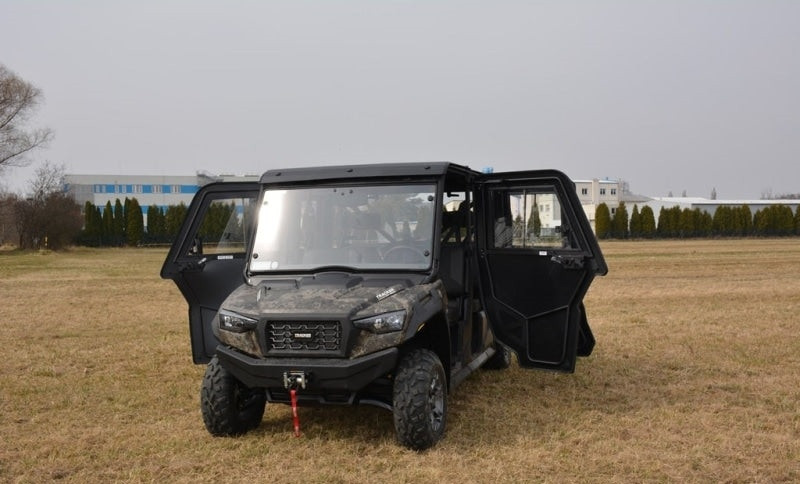
Engine and Drivetrain Issues
Overheating and Cooling System Failures
Arctic Cat UTVs, especially models with the 700 and 1000 twin-cylinder engines, rely on a radiator and cooling fan setup that’s vulnerable to mud and debris buildup. Over time, radiators get packed with dirt, grass, and mud, restricting airflow and causing the engine to run hot.
What to check: Look for a radiator that’s clogged, bent, or coated in caked mud. Start the engine cold and watch the temperature gauge or warning light as it warms up. A machine that runs hot within a few minutes of idling is a red flag.Common Problems with Used Arctic Cat UTV Units
Clutch and Drive Belt Wear
The CVT (continuously variable transmission) belt is one of the most commonly replaced parts on any UTV, and Arctic Cat units are no exception. Aggressive riding, mud, and water crossings accelerate belt wear, and a neglected belt can shred, leaving you stranded.
Signs of a worn belt:
- Burning rubber smell during acceleration
- Slipping or delayed power delivery
- Visible cracking or glazing on the belt surface
- Squealing noise when starting from a stop
What to check: Ask when the belt was last replaced. If the seller doesn’t know, plan on budgeting for a new one soon after purchase.Common Problems with Used Arctic Cat UTV Units
Starter and Charging System Problems
A number of used Arctic Cat owners report starter motor failures and weak charging systems, particularly on machines that sat outside or saw heavy water exposure. Corrosion on the starter solenoid and battery terminals is a frequent culprit.
What to check: Turn the key and listen for a strong, single click before the engine turns over. Multiple clicks or a slow crank suggests starter or battery issues.Common Problems with Used Arctic Cat UTV Units
Electrical Gremlins
Wiring Harness Corrosion
Because UTVs are exposed to water, mud, and vibration constantly, wiring harnesses are prone to corrosion at connector points. This shows up as intermittent electrical faults headlights that flicker, gauges that go dark, or a machine that randomly dies and restarts.Common Problems with Used Arctic Cat UTV Units
Common Symptoms of Wiring Problems
- Dash lights flickering over bumps
- Blown fuses with no obvious cause
- Accessories (winch, lights) working inconsistently
- Check engine or warning lights that come and go
What to check: Wiggle-test the wiring harness near the engine bay and under the seat while the machine is running. Any flickering or stalling during this test points to a corroded connection.Common Problems with Used Arctic Cat UTV Units
Battery and Ground Strap Issues
A surprisingly large share of “electrical problems” on used Arctic Cat UTVs trace back to a simple bad ground strap or a battery that’s on its last leg. These are cheap fixes, but they can look like a much bigger issue if you don’t know what to look for.
What to check: Inspect the ground strap connections for rust or looseness, and test battery voltage with a multimeter (should read around 12.6V at rest).Common Problems with Used Arctic Cat UTV Units
Suspension and Steering Wear
Worn Ball Joints and Tie Rods
High-mileage Arctic Cat UTVs, especially those used on rocky or rutted terrain, often develop play in the front suspension. Worn ball joints and tie rod ends translate to loose, wandering steering and uneven tire wear.
What to check: With the machine parked and the engine off, grab each front tire at the top and bottom and rock it. Excessive play indicates worn ball joints. Also check tires for cupping or uneven wear patterns.Common Problems with Used Arctic Cat UTV Units
Shock and Bushing Deterioration
Stock shocks on older Prowler and Wildcat models weren’t built for extreme abuse, and many used units show blown seals, leaking fluid, or sagging suspension by the time they change hands.Common Problems with Used Arctic Cat UTV Units
How to Spot Bad Shocks
- Oily residue on the shock body
- Excessive bounce after hitting a bump
- Uneven ride height side to side
- Visible rust on shock shafts
What to check: Bounce each corner of the vehicle and count how many times it rebounds. A healthy shock settles after one or two bounces; a worn one keeps bouncing.Common Problems with Used Arctic Cat UTV Units
Brake System Concerns
Spongy or Fading Brakes
Used Arctic Cat UTVs frequently show brake issues tied to old fluid, worn pads, or air in the lines especially on units that sat unused for long stretches. Moisture contamination in brake fluid is common in machines stored outdoors.
What to check: Press the brake pedal firmly and hold it. If it slowly sinks toward the floor, there’s likely air in the lines or a failing master cylinder. Also check brake fluid color it should be clear to light amber, not dark brown.Common Problems with Used Arctic Cat UTV Units
Parking Brake Failures
On hilly terrain, a weak or non-functioning parking brake isn’t just inconvenient, it’s a safety issue. This is a commonly overlooked check during a quick test drive.
What to check: Park on a slope, engage the parking brake, and confirm the vehicle holds without rolling.
Frame, Body, and Structural Wear
Rust and Frame Damage
Arctic Cat UTVs used in wet climates or near salted roads are prone to frame rust, particularly around the rear cargo bed mounts and lower frame rails. Structural rust is one of the more serious issues to find on a used unit, since it can compromise safety over time.
What to check: Get underneath the machine with a flashlight and inspect the frame rails, skid plates, and cargo bed mounting points for flaking rust or pitting.Common Problems with Used Arctic Cat UTV Units
Cracked Plastic Body Panels
Cosmetic, but worth noting: sun exposure and trail impacts crack Arctic Cat’s plastic fenders and body panels over time. This won’t affect performance, but it does affect resale value and can be a bargaining chip.
A Quick Pre-Purchase Inspection Checklist
Before buying any used Arctic Cat UTV, run through this shortlist:
- Check radiator and cooling fins for mud buildup or damage
- Inspect the drive belt for cracking, glazing, or fraying
- Test starter response and battery voltage
- Wiggle-test wiring harnesses while the engine runs
- Rock front wheels to check for ball joint or tie rod play
- Bounce-test all four corners for shock condition
- Press and hold the brake pedal to check for sponginess
- Test the parking brake on an incline
- Inspect the frame and cargo bed mounts for rust
- Ask for maintenance records, especially belt and fluid changes
Final Thoughts
A used Arctic Cat UTV can be a great value if you know what to look for. Most of the problems buyers run into aren’t design flaws — they’re the predictable result of wear, weather, and deferred maintenance. Spend an extra 30 minutes on inspection before you buy, and you’ll save yourself hundreds (or thousands) in surprise repairs down the road.
Frequently Asked Questions
Are Arctic Cat UTVs reliable used?
Yes, generally. Arctic Cat UTVs have a solid reputation for durability when properly maintained. Most issues on used units stem from neglect — skipped belt changes, dirty cooling systems, or corrosion from water exposure — rather than inherent design problems.
What is the most common problem with used Arctic Cat UTVs?
Drive belt wear and cooling system clogging are the two most frequently reported issues, largely because both are heavily affected by how the previous owner rode and maintained the machine.
How much does it cost to fix common Arctic Cat UTV problems?
Minor fixes like a drive belt replacement or battery swap typically run $50–$200. More involved repairs, such as starter replacement or suspension work, can range from $150–$600 depending on parts and labor.
What years of Arctic Cat UTVs had the most issues?
Earlier Prowler models from the mid-2000s are more prone to electrical and cooling issues due to age-related wear on wiring and cooling components. Later Wildcat and Prowler HDX models generally show improved reliability, though age and usage still matter more than model year alone.
Should I buy a used Arctic Cat UTV without a mechanic inspection?
It’s not recommended for a significant purchase. Even a basic inspection by someone familiar with UTVs can catch belt wear, suspension play, or frame rust that isn’t obvious on a quick test drive.
How do I know if a used UTV’s drive belt needs replacing?
Look for cracking, glazing, or fraying along the belt’s edges, and listen for slipping or a burning smell during acceleration. If the seller can’t confirm when it was last replaced, budget for a new one regardless of appearance.
Is rust a dealbreaker on a used Arctic Cat UTV?
Surface rust on body panels or bolts is usually cosmetic and not a major concern. Rust on the frame rails or structural components is more serious and worth having evaluated, since it can affect long-term safety and resale value.