
History and Evolution of Bobcat UTV Lineup If you’ve ever driven a Bobcat UTV across a muddy job site or a backwoods trail, you already know these machines feel different from the competition. They’re built by a company that made its name in heavy equipment, not toys and that heritage shows in every weld, every gearbox, and every hour they log without complaining. But how did a brand famous for skid-steer loaders end up building some of the most respected Bobcat utility vehicles on the market? That’s exactly what we’re digging into today.
Whether you’re a rancher, a contractor, a hunter, or just someone who wants a dependable side-by-side that won’t quit, understanding the story behind the Bobcat UTV lineup helps you appreciate what you’re actually buying. And if you’re shopping right now, you can browse current inventory of Bobcat UTVs for sale to see how these machines stack up in the real world.History and Evolution of Bobcat UTV Lineup
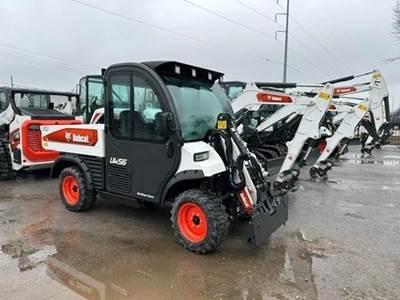
Quick Answer: The Bobcat UTV Story at a Glance (AI Overview)
When did Bobcat start making UTVs? A: Bobcat entered the utility vehicle market in 2011 with the launch of the Bobcat 3400, its first purpose-built side-by-side, leveraging decades of compact equipment engineering.History and Evolution of Bobcat UTV Lineup
What makes Bobcat UTVs different from other brands? A: Bobcat UTVs are engineered with the same durability standards as the company’s skid-steer loaders and compact track loaders, resulting in heavier-duty frames, stronger drivetrains, and higher towing/hauling capacities than many recreational-focused competitors.History and Evolution of Bobcat UTV Lineup
What are the main Bobcat UTV models? A: The core lineup includes the Bobcat 3400/3400XL, the UV34 and UV34XL, and the UV25 — each targeting different combinations of work capability, speed, and passenger capacity.
Are Bobcat UTVs good for both work and recreation? A: Yes. Bobcat designed its side-by-sides as dual-purpose machines, capable of serious jobsite hauling and towing while still offering the speed and comfort needed for trail riding and recreational use.History and Evolution of Bobcat UTV Lineup
Where It All Began — Bobcat’s Roots in Compact Equipment
Before there was a single Bobcat UTV on the market, there was the Bobcat Company itself founded in the 1950s in Gwinner, North Dakota, by the Melroe brothers. Their invention, the compact skid-steer loader, changed how small job sites, farms, and construction crews handled material movement forever. For over half a century, “Bobcat” became shorthand for tough, no-nonsense compact equipment.
This matters because when Bobcat finally decided to enter the utility task vehicle (UTV) market, it didn’t start from scratch. It started from a foundation of hydraulic systems, heavy-duty frames, and engineering discipline that most UTV manufacturers simply didn’t have. That’s a big part of why people searching for a used Bobcat UTV for sale today are often specifically looking for that brand reputation — they want equipment-grade durability, not just a recreational toy.History and Evolution of Bobcat UTV Lineup
H3: Why a Compact Equipment Company Moved Into UTVs
By the late 2000s, the utility vehicle market was exploding. Farmers, ranchers, landscapers, and hunters were increasingly relying on side-by-sides to do jobs that used to require a full-size truck or tractor. Bobcat’s leadership saw an opportunity: their existing customer base already needed a smaller, more agile machine to complement their loaders and excavators. Building a UTV wasn’t a stretch into a new industry it was a natural extension of the same customer relationship.History and Evolution of Bobcat UTV Lineup
The Launch of the First Bobcat UTV
2011 — The Bobcat 3400 Changes the Game
In 2011, Bobcat officially entered the UTV space with the Bobcat 3400, its first dedicated side-by-side utility vehicle. This wasn’t a rebadged machine from another manufacturer it was engineered in-house with Bobcat’s own standards for durability, payload, and towing capacity.History and Evolution of Bobcat UTV Lineup
Key features that stood out at launch:
- A steel cargo box rated for heavy-duty hauling
- A towing capacity that rivaled small pickup trucks
- A fully independent suspension for smoother rides over rough terrain
- Available cab enclosures and heating/cooling systems for year-round work
This immediately separated the 3400 from the purely recreational UTVs flooding the market at the time. Bobcat wasn’t chasing trail riders first — it was chasing farmers, contractors, and property owners who needed real work capability.
The Bobcat 3400XL — Built for Bigger Jobs
Shortly after the base 3400, Bobcat introduced the 3400XL, a longer-wheelbase version designed for even more stability and cargo capacity. The XL variant became a favorite among users who needed to haul feed, tools, fencing materials, or equipment across large properties without sacrificing ride comfort.History and Evolution of Bobcat UTV Lineup
Expanding the Lineup — The UV Series Arrives
As demand grew, Bobcat recognized the need for more model variety to serve different customer priorities — speed, passenger capacity, and price point among them. This led to the rollout of the UV series, which remains central to the modern Bobcat UTV lineup.History and Evolution of Bobcat UTV Lineup
The Bobcat UV34 and UV34XL
The UV34 was developed as a refined evolution of the original 3400 platform, offering:
- Improved throttle response and drivetrain efficiency
- Enhanced ergonomics in the cab
- Better ground clearance for technical terrain
- A stronger dump-bed hydraulic system for one-touch unloading
The UV34XL mirrored the longer-format approach of the earlier 3400XL, giving buyers who needed maximum bed length and towing capacity a dedicated option without compromising the core performance Bobcat UTVs were becoming known for.
The Bobcat UV25 — A Nimbler, More Affordable Option
Not every buyer needs maximum payload capacity. Recognizing that smaller acreage owners, part-time ranchers, and recreational users wanted a lighter, more nimble machine, Bobcat released the UV25. It offered:
- A more compact footprint for tighter trails and storage spaces
- Lower cost of entry compared to the UV34 series
- Enough utility capability for everyday chores, without the bulk of the larger models
This move showed Bobcat’s evolving strategy: rather than building one machine to do everything, the company began segmenting its lineup so buyers could match a Bobcat utility vehicle to their actual workload — a strategy that continues to define the brand today.
Engineering Evolution — What Changed Over the Years
Powertrain Improvements
Early Bobcat UTVs relied on solid but relatively basic gas engines. Over successive model years, Bobcat refined engine tuning, cooling systems, and belt-drive CVT transmissions to reduce belt wear a common complaint across the entire UTV industry — while improving low-end torque for towing and hill climbing.History and Evolution of Bobcat UTV Lineup
Suspension and Ride Quality
Later generations of the lineup saw meaningful suspension upgrades, including improved dual A-arm front suspension geometry and rear trailing-arm refinements. These changes weren’t cosmetic they directly improved how the vehicles handled washboard roads, rocky trails, and uneven farmland, all while keeping the payload-hauling stability Bobcat customers expected.History and Evolution of Bobcat UTV Lineup
Operator Comfort and Safety
As competition intensified, Bobcat invested heavily in operator experience:
- Automotive-style seating and improved ergonomics
- Optional cabs with doors, glass windshields, and climate control
- Improved ROPS (Rollover Protective Structure) designs
- Better visibility and instrumentation clusters
These upgrades helped the Bobcat UTV lineup compete not just on toughness, but on comfort an important shift as more recreational buyers entered the market alongside traditional work-focused customers.History and Evolution of Bobcat UTV Lineup
The Modern History and Evolution of Bobcat UTV Lineup
Today’s Bobcat side-by-side vehicles reflect everything the company learned over more than a decade of building UTVs. The current lineup balances:
- Work capability — high payload and towing ratings that rival compact tractors for certain tasks
- Durability — frames and drivetrains built to the same standard as Bobcat’s construction equipment
- Versatility — models suited for farms, ranches, construction sites, hunting leases, and municipal use
- Comfort — cab options, suspension tuning, and ergonomics that make long workdays more manageable
This is exactly why so many buyers search specifically for Bobcat UTVs for sale rather than shopping generically — they’re looking for that specific combination of equipment-grade reliability and everyday usability.History and Evolution of Bobcat UTV Lineup
Why Buyers Choose Used Bobcat UTVs
Because Bobcat builds these machines to last, the used market for Bobcat utility vehicles is strong. A well-maintained used Bobcat UTV can deliver years of dependable service at a fraction of new pricing — which is why inventory moves quickly. If you’re comparing options, it’s worth browsing current listings of used Bobcat UTVs for sale to see real pricing and available configurations before making a decision.
How the Bobcat UTV Lineup Compares to Competitors
While brands like Polaris, Can-Am, and Kawasaki dominate headlines in the recreational UTV space, Bobcat has carved out a distinct niche by leaning into its industrial roots. Where recreational brands often prioritize top speed and suspension travel for sport riding, Bobcat has consistently prioritized:
- Payload and towing capacity relative to vehicle size
- Serviceability — components designed for easy field maintenance
- Longevity under continuous commercial use
- Compatibility with existing Bobcat equipment fleets on farms and job sites
This positioning hasn’t made Bobcat the biggest name in UTVs, but it’s made it one of the most trusted among buyers who use their machine every single day rather than just on weekends.
Choosing the Right Bobcat UTV for Your Needs
If you’re deciding between models, consider the following:
- Need maximum hauling and towing power? Look at the 3400XL or UV34XL.
- Want a balance of capability and maneuverability? The UV34 is likely your best fit.
- Prioritizing affordability and a compact footprint? The UV25 delivers solid utility without the bulk.
- Buying used to save money? Inspect drivetrain wear, hours, and maintenance history carefully — and compare several listings before committing.
Ready to find the right fit? Explore current Bobcat UTV inventory here and compare specs, pricing, and availability before you buy.
FAQs About the Bobcat UTV Lineup
How long has Bobcat been making UTVs? Bobcat has been producing purpose-built utility vehicles since 2011, starting with the original Bobcat 3400.
What is the most powerful Bobcat UTV model? The 3400XL and UV34XL variants generally offer the highest towing and payload capacities in the lineup, making them the top choice for heavy work.
Are Bobcat UTVs reliable for daily farm or jobsite use? Yes. Bobcat UTVs are engineered using the same durability principles as the company’s skid-steer loaders and compact track loaders, making them well-suited for daily commercial and agricultural use.
Is it worth buying a used Bobcat UTV instead of new? For many buyers, yes. Used Bobcat UTVs tend to hold up well mechanically, and buying used can offer significant savings. It’s smart to compare several used Bobcat UTV listings to find the best condition-to-price ratio.
What’s the difference between the UV25 and UV34? The UV25 is a smaller, lighter, more affordable model suited for lighter-duty tasks, while the UV34 offers greater payload capacity, towing power, and cab space for heavier work.
Where can I find Bobcat UTVs for sale near me? You can browse a regularly updated selection of Bobcat UTVs for sale, complete with specs and pricing, to find a model that matches your work and budget.
Final Thoughts
The evolution of the Bobcat UTV lineup tells a bigger story than just new models rolling off an assembly line it’s the story of a compact equipment giant applying decades of engineering discipline to a fast-growing market. From the original 3400 in 2011 to today’s refined UV series, Bobcat has stayed true to what made it famous in the first place: building machines that work as hard as the people who use them.
If you’re ready to put that history to work on your own property or job site, take a look at the current Bobcat UTV inventory available now and find the model that fits your needs.