
If you run a farm, ranch, or acreage property, you already know that the right equipment saves hours every single day. A Used Polaris Ranger for Farm Work is one of the most popular choices for farmers who need a dependable farm utility vehicle without paying full price for a brand-new machine. This guide breaks down everything you need to know before buying one from model differences to inspection tips to real-world pricing so you can make a confident, informed purchase.
Before you dive in, if you’re still deciding between new and used, take a look at our new vs. used UTV comparison guide for more context.
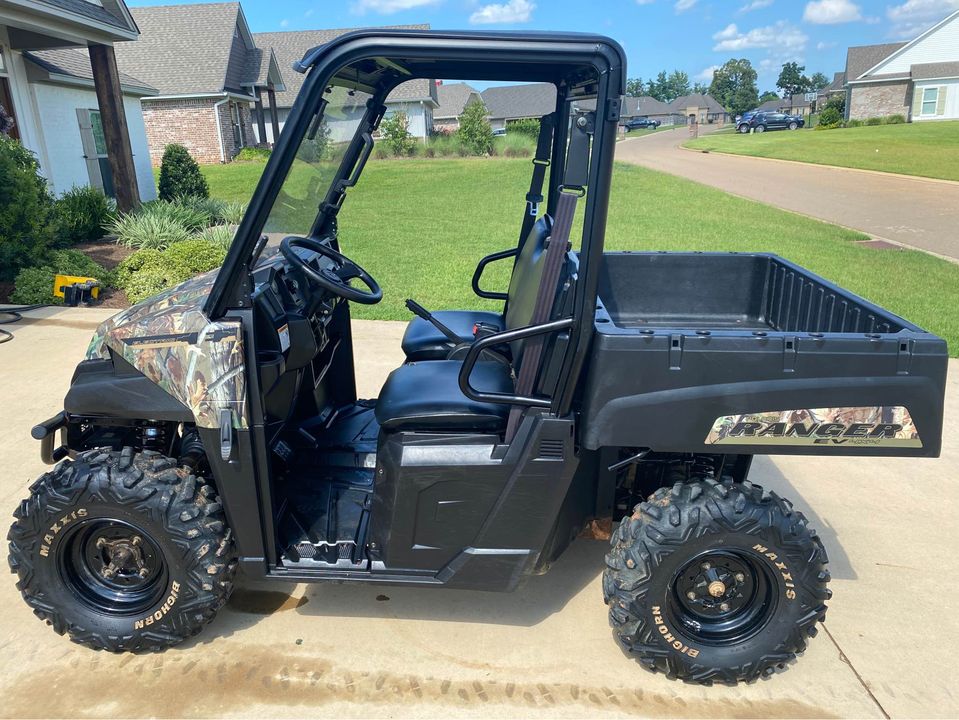
Table of Contents
- AI Overview: Fast Answers About Used Polaris Rangers
- Why Farmers Rely on the Polaris Ranger
- Is a Used Polaris Ranger Worth Buying?
- Best Used Polaris Ranger Models for Farm Use
- Pre-Purchase Inspection Checklist
- How Much Does a Used Polaris Ranger Cost?
- Best Places to Find One for Sale
- Keeping It Running: Maintenance Basics
- Frequently Asked Questions
- Final Thoughts and Next Steps
Fast Answers About Used Polaris Ranger for Farm Work
What makes the Polaris Ranger good for farm work? A: It combines a steel cargo bed, real 4×4 traction, and strong towing capacity (up to 2,500 lbs on some models), making it one of the most farm-capable UTVs sold today.Used Polaris Ranger for Farm Work
Is buying used a smart choice for a farm utility vehicle? A: Yes, for most buyers. A well-maintained used Polaris Ranger typically costs 30–50% less than a new one while offering the same core hauling and towing performance.Used Polaris Ranger for Farm Work
Which Polaris Ranger model is best for a working farm? A: The Ranger 570 suits smaller operations, while the Ranger XP 1000 is better for larger farms needing higher towing capacity and more power.Used Polaris Ranger for Farm Work
What should I check before buying a used one? A: Engine condition, CVT belt wear, frame rust, suspension, and full maintenance history are the five most important things to inspect.
Why Farmers Rely on the Polaris Ranger
The Polaris Ranger was built from the ground up as a work vehicle, not a recreational toy. That distinction matters a lot when you’re comparing UTVs for farm use.Used Polaris Ranger for Farm Work
Built for Hauling, Not Just Riding
Unlike sport-focused side-by-sides, the Ranger’s steel dump bed, higher ground clearance, and heavier-duty suspension are designed around carrying feed, fencing, tools, and small livestock loads across rough pasture.Used Polaris Ranger for Farm Work
Dependable in Tough Conditions
Mud, hills, gravel, snow the Ranger’s true on-demand 4×4 system is designed to handle the same conditions a farm truck struggles with, but in a smaller, more maneuverable footprint.Used Polaris Ranger for Farm Work
A Trusted Name with a Long Track Record
Because Polaris has produced the Ranger lineup for well over a decade, there’s a deep used market, wide parts availability, and plenty of mechanics who know the platform inside and out.Used Polaris Ranger for Farm Work
Is a Used Polaris Ranger Worth Buying?
The Case for Buying Used
- Lower cost per hour of use compared to buying new
- Faster availability — no waiting on dealer orders
- Proven reliability data — you can see wear patterns and maintenance history upfront
- Strong resale value if you decide to upgrade later
When Buying New Might Make More Sense
- If you want a manufacturer warranty from day one
- If you plan to keep the vehicle for 10+ years and want the newest safety features
- If financing terms make new pricing comparable to used
For most working farms on a budget, though, a used Ranger with low hours and solid maintenance records is the more practical choice.
Best Used Polaris Ranger Models for Farm Use
Ranger 570: The Budget-Friendly Workhorse
Why It Fits Smaller Farms
The Ranger 570 offers a strong balance of fuel economy, affordability, and utility, with a 1,500 lb towing capacity that covers most day-to-day farm tasks like feeding routes and fence checks.
Ranger XP 1000: The Heavy-Duty Option
Why It Fits Larger Operations
With more horsepower and a towing capacity up to 2,500 lbs, the Ranger XP 1000 is the go-to choice for farms hauling heavier trailers, mowers, or bulk feed loads across larger acreage.
Ranger Crew: Built for Work Crews
Why It Fits Multi-Person Teams
The Ranger Crew adds a second row of seating without sacrificing bed space, making it ideal for farms that need to move both workers and equipment at the same time especially during planting or harvest season.
Not sure which one fits your acreage and workload? Talk to our farm equipment specialists and we’ll help you match the right model to your needs.
Pre-Purchase Inspection Checklist
A used vehicle is only a good deal if it’s mechanically sound. Walk through these checks before you buy.
Engine and CVT
- Start it cold and listen for knocking, ticking, or excessive smoke
- Check the CVT belt for cracking or glazing
- Look for oil leaks around the engine and transmission housing
Frame and Suspension
- Inspect the underside for rust or bent components
- Bounce-test each corner to check shock response
- Check the cargo bed hinges and latch for wear
Tires, Brakes, and Electrical
- Measure tread depth and check for sidewall cracks
- Test the brakes on a slope, not just flat ground
- Confirm lights, gauges, and winch (if equipped) all work properly
Red Flags to Watch For
- No maintenance records provided
- Mismatched panels suggesting prior collision repair
- Heavy frame rust, especially near livestock or coastal-use units
- Unexplained aftermarket engine modifications
Want a printable version of this list? Grab our Polaris Ranger maintenance checklist and bring it with you to the inspection.
How Much Does a Used Polaris Ranger Cost?
| Model | Typical Price Range | Best Suited For |
|---|---|---|
| Ranger 500/570 | $8,000 – $12,000 | Small to mid-sized farms |
| Ranger XP 900/1000 | $12,000 – $18,000 | Larger operations, heavy towing |
| Ranger Crew | $13,000 – $20,000 | Multi-person work crews |
Units with under 1,000 hours of use and documented maintenance typically sell near the top of these ranges. Machines needing tires, belts, or minor bodywork often sell lower which can be a good opportunity if you’re comfortable handling small repairs yourself.
Best Places to Find One for Sale
- Authorized Polaris dealers — often offer certified pre-owned units with a basic inspection already completed
- Farm equipment auctions — can yield lower prices but require your own due diligence
- Private farm and ranch sellers — frequently the best source for well-documented, real-world maintenance history
- Online marketplaces — useful for comparing prices across a wider area, but always inspect in person before paying
Ready to see what’s currently available? Browse our used Polaris Ranger inventory to compare models, pricing, and hours side by side.
Keeping It Running: Maintenance Basics
- Follow (or shorten) the oil change schedule — heavy farm use, dust, and heat all accelerate wear.
- Grease fittings monthly during high-use seasons like planting and harvest.
- Check the CVT belt every season — it’s one of the most common wear items on any Ranger.
- Rinse the undercarriage regularly if used near livestock or in muddy conditions to prevent rust.
- Store it covered when not in daily use to protect seats, electronics, and the dash from sun and moisture.
A consistent maintenance routine is the single biggest factor in how many years and hours you’ll get out of a used Ranger.
Frequently Asked Questions
Is a used Polaris Ranger street legal? It depends on your state or province and how the vehicle is equipped. Some areas allow UTVs on certain rural roads if they have the required lights, mirrors, and registration always check local rules first.
How many hours is too many for a used Polaris Ranger? There’s no strict cutoff, but units under 1,000 hours with good maintenance records are generally considered a safer buy than higher-hour units without documentation.
Can a used Ranger tow a farm implement? Lighter implements can often be pulled within the model’s rated towing capacity, but always confirm the implement’s weight against the Ranger’s specific towing limit before use.
Should I buy from a dealer or a private seller? Dealers often provide inspection reports and possible warranty options, while private farm sellers may offer lower prices and more transparent day-to-day usage history. The right choice depends on your budget and comfort level with used-equipment risk.
What’s the biggest mistake buyers make when purchasing a used UTV? Skipping the inspection. A test drive alone won’t reveal frame rust, worn CVT belts, or suspension issues always inspect thoroughly or bring someone who can.
Final Thoughts and Next Steps
A used Polaris Ranger offers real farm-grade utility at a fraction of new-model pricing, as long as you choose the right model for your acreage and take the inspection process seriously. The Ranger 570 works well for smaller operations, the Ranger XP 1000 suits heavier hauling needs, and the Ranger Crew is ideal for farms moving both people and equipment together.
When you’re ready to move forward, explore our current used Polaris Ranger listings or contact our team for guidance on the best model for your operation. And once you’ve got one home, keep our Polaris Ranger maintenance checklist handy to help it last for years of hard work ahead.