
How to Inspect a Used Can-Am Defender buying a used Can-Am Defender can save you thousands of dollars over a new unit but only if you know what to look for before you hand over your cash. This guide walks you through a full, human-friendly inspection process so you can buy with confidence instead of crossing your fingers.
If you’ve been searching for a used Can-Am Defender for sale, you already know these UTVs are tough, capable, and popular which also means the used market is full of them, and not all of them have been treated well. Some have lived an easy life hauling feed around a small farm. Others have been thrashed through mud holes, jumped, overloaded, and neglected. Your job as a buyer is to tell the difference.
This article gives you a step-by-step Can-Am Defender inspection checklist that covers the engine, drivetrain, suspension, electrical system, frame, and paperwork plus the questions you should ask the seller and the red flags that should make you walk away.
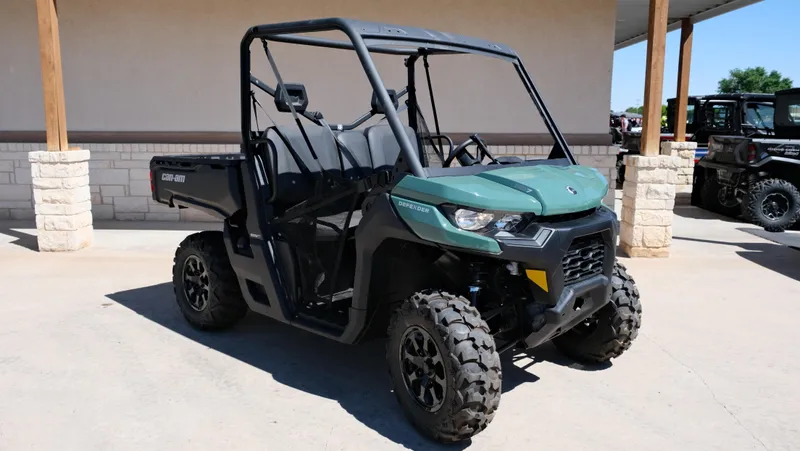
Table of Contents
- Why a Pre-Purchase Inspection Matters
- Before You Even Look at the Vehicle
- Exterior and Frame Inspection
- Engine Inspection
- Drivetrain and Transmission Checks
- Suspension, Tires, and Steering
- Electrical System and Gauges
- Test Drive Checklist
- Paperwork, Title, and History
- Common Red Flags on a Used Defender
- Negotiating After Inspection
- AI Overview: Quick Answers
- Frequently Asked Questions (FAQs)
Why a Pre-Purchase Inspection Matters
A used Can-Am Defender inspection isn’t just about kicking the tires it’s about protecting a significant investment. These utility side-by-sides are built for hard work: hauling, plowing, towing, and off-road trail use. That means the used ones you’ll find on the market have almost always seen real labor, not just recreational trail rides.How to Inspect a Used Can-Am Defender
Skipping a thorough inspection can leave you stuck with:
- A cracked CVT belt or worn clutch that fails within weeks
- Hidden frame damage from a rollover or hard impact
- Water intrusion in the engine or electrical harness
- A rebuilt title or salvage history the seller “forgot” to mention
Taking 45–60 minutes to properly inspect the machine before you buy can save you thousands in repair costs down the road.
Before You Even Look at the Vehicle
Do your homework first. Ask the seller for:
- The VIN (Vehicle Identification Number)
- Recent photos of the odometer/hour meter
- Maintenance records, if any exist
- The reason they’re selling
Run the VIN through a vehicle history service where available, and check whether the model year and trim match what’s advertised. Comparing the asking price against current used Can-Am Defender listings will also tell you quickly if the price is fair or inflated.How to Inspect a Used Can-Am Defender
If you’re shopping locally, check out our guide to buying UTVs safely from private sellers for tips on meeting sellers, verifying ownership, and avoiding scams.
Exterior and Frame Inspection
Start outside the vehicle, in good daylight if possible.
Body Panels and Plastics
Look for mismatched panel colors, overspray, or panels that don’t line up evenly signs of prior collision repair. Cracked plastics, especially around the fenders and cab, suggest the machine has taken hard hits off-road.
Frame and Skid Plates
Get underneath the Defender with a flashlight and check the frame rails for:
- Rust or corrosion, especially near welds
- Bends, kinks, or signs of straightening
- Cracked or heavily dented skid plates (a sign of rock strikes or hard landings)
A bent frame is one of the most expensive problems to fix on a used unit, so don’t skip this step even if it means getting dirty.
Winch, Bumpers, and Accessories
Aftermarket winches, bumpers, and light bars can be a bonus, but check that they were installed correctly and haven’t damaged the mounting points or wiring harness underneath.How to Inspect a Used Can-Am Defender
Engine Inspection
The engine is the heart of any used Can-Am Defender, so give it extra attention.
Cold Start Test
Always ask to start the machine cold — before the seller has warmed it up. A cold engine reveals problems that disappear once things are warm, like hard starting, excessive smoke, or rough idle.
Listen and Look
- Smoke: Blue smoke suggests burning oil; white smoke can mean a blown head gasket or coolant leak.
- Noise: Knocking, ticking, or rattling noises point toward internal wear.
- Oil level and color: Milky oil indicates coolant contamination — a serious issue.
- Leaks: Check underneath for oil, coolant, or fuel leaks around hoses and gaskets.
Air Filter and Intake
Pop the air filter housing open. A filthy, oil-soaked, or mud-packed filter suggests the machine has been ridden hard in dusty or wet conditions without regular maintenance a pattern worth digging into further.How to Inspect a Used Can-Am Defender
Drivetrain and Transmission Checks
The CVT (Continuously Variable Transmission) and drivetrain are common wear points on used side-by-sides, including the Defender.
CVT Belt
Ask to remove the CVT cover (or have the seller do it) so you can inspect the belt for:
- Cracking or glazing
- Fraying edges
- Uneven wear
A worn belt is a relatively cheap fix, but it’s a good bargaining chip and tells you how the machine has been used.
Differentials and Driveshafts
Check the front and rear differentials for leaks and inspect the driveshaft boots for tears. Torn boots let dirt and water into the joints, leading to premature wear.How to Inspect a Used Can-Am Defender
2WD/4WD Engagement
Test switching between 2WD, 4WD, and locked differential modes (if equipped) during your test drive. Hesitation, grinding, or failure to engage cleanly can point to a worn actuator or damaged differential.
Suspension, Tires, and Steering
Suspension Components
Bounce each corner of the vehicle and check the shocks for:
- Oil leaking down the shock body
- Bent shock shafts
- Excessive body roll or sagging on one side
Tires and Wheels
Uneven tire wear can indicate alignment issues or bent components. Check tread depth and look for sidewall damage from rocks or curbs.
Steering
With the engine off, turn the steering wheel and feel for excessive play, clunks, or resistance signs of worn tie rods or steering rack issues.
Electrical System and Gauges
Modern Defenders rely heavily on electronics, so this step matters more than buyers often expect.
- Turn the key and confirm all warning lights illuminate briefly, then turn off as expected
- Test headlights, taillights, brake lights, and turn signals
- Check the digital display/gauge cluster for error codes or flickering
- Inspect the battery terminals for corrosion
- If equipped, test power steering, winch controls, and any aftermarket accessories
Water intrusion into wiring connectors is a known issue on hard-used farm and trail machines, so look closely at connectors near the floorboards and undercarriage.How to Inspect a Used Can-Am Defender
Test Drive Checklist
Never buy a used Defender without driving it. During your test drive, pay attention to:
- Smooth acceleration without hesitation or bogging
- Braking performance — no pulling to one side, no soft or spongy pedal
- Steering response and any unusual vibration
- Suspension behavior over bumps
- Unusual noises at various speeds
- Transmission shifting smoothly between low, high, and reverse
If possible, drive it on terrain similar to how you plan to use it trails, hills, or hauling a load to see how it performs under real conditions.
Paperwork, Title, and History
Before finalizing anything, confirm:
- The title is clean (not salvage, rebuilt, or branded)
- The seller’s name matches the title
- The VIN on the title matches the VIN on the frame
- Any liens have been released
- Warranty status, if the machine is still within Can-Am’s coverage window
If you’re unsure how to verify a clean title in your state or province, check our step-by-step guide to verifying vehicle titles before you finalize the deal.How to Inspect a Used Can-Am Defender
Common Red Flags on How to Inspect a Used Can-Am Defender
Walk away, or negotiate hard, if you notice:
- Seller is unwilling to let you start the engine cold
- Mismatched VIN numbers
- Fresh undercoating or paint hiding frame damage
- Reluctance to allow a test drive
- No maintenance history on a high-hour unit
- Pressure to “decide today” or unusually low pricing compared to similar used Can-Am Defender listings
Negotiating After Inspection
Every issue you find during inspection is leverage. Make a list of needed repairs CVT belt replacement, tires, fluid changes and get rough repair cost estimates. Present these calmly to the seller as your reason for a lower offer, rather than as accusations. Most private sellers will negotiate rather than lose a serious buyer.How to Inspect a Used Can-Am Defender
Ready to make your move? Browse our current listings of inspected, ready-to-ride Can-Am Defenders and compare pricing before you make an offer.
Quick Answers
What is the most important thing to check on a used Can-Am Defender? The frame and CVT belt. Frame damage is expensive to repair and often hidden, while a worn CVT belt reveals how hard the machine has been ridden.How to Inspect a Used Can-Am Defender
How many hours is too many on a used Defender? There’s no strict cutoff, but units above 500–800 hours should have clear maintenance records to justify the mileage. Hours matter less than documented care.
Should I buy a used Defender without a test drive? No. A test drive reveals transmission, braking, and steering issues that a static inspection can miss entirely.How to Inspect a Used Can-Am Defender
Frequently Asked Questions (FAQs)
How much should I expect to pay for a used Can-Am Defender? Prices vary widely by year, trim, mileage, and condition, but most used Defenders sell somewhere between the low-$10,000s for older, higher-hour base models and $20,000+ for newer, low-hour, higher trim units like the Defender XT or Limited.
What are common problems with used Can-Am Defenders? Frequently reported issues include CVT belt wear, differential leaks, electrical connector corrosion from water intrusion, and worn ball joints on units used heavily off-road.
Can I inspect a Can-Am Defender myself, or should I hire a mechanic? You can absolutely do a solid inspection yourself using the checklist above. However, if you’re spending a significant amount of money or the machine has high hours, having a UTV-certified mechanic do a pre-purchase inspection is a smart extra step.
Does Can-Am offer a warranty transfer on used Defenders? Some Can-Am warranties can transfer to a second owner if the unit is still within the coverage period. Ask the seller for warranty documentation and confirm transferability with an authorized Can-Am dealer.
What documents should I get when buying a used Defender privately? A clean title, a bill of sale, any available maintenance records, and warranty documentation if applicable. Always verify the VIN on the paperwork matches the VIN stamped on the frame.
Is it safe to buy a used Defender that’s been used for farm work? Yes, often these are well-maintained work machines. However, farm units tend to accumulate more hours and exposure to mud, water, and heavy loads, so inspect the drivetrain and electrical connectors especially carefully.
Ready to Find Your Next Defender?
A careful inspection today prevents expensive surprises tomorrow. Use this checklist every time you look at a used Can-Am Defender for sale, and don’t be afraid to walk away if something doesn’t add up.
Looking for your next ride? Browse our verified used Can-Am Defender inventory or contact our team for help finding a unit that’s already passed a full inspection.