
Honda Pioneer Maintenance Checklist Before You Buy Used?
Table of Contents
- Quick AI Overview: Q&A
- Why a Maintenance Checklist Matters When Buying a Used Honda Pioneer
- Before You Look: Do Your Homework
- The Walk-Around: Frame, Body, and Tires
- Engine and Fluids Inspection
- Drivetrain, Transmission, and 4WD Check
- Suspension, Steering, and Brakes
- Electrical System and Battery
- The Test Drive
- Paperwork and Service History
- Red Flags That Mean Walk Away
- Printable Maintenance Checklist Table
- Frequently Asked Questions
- Final Thoughts
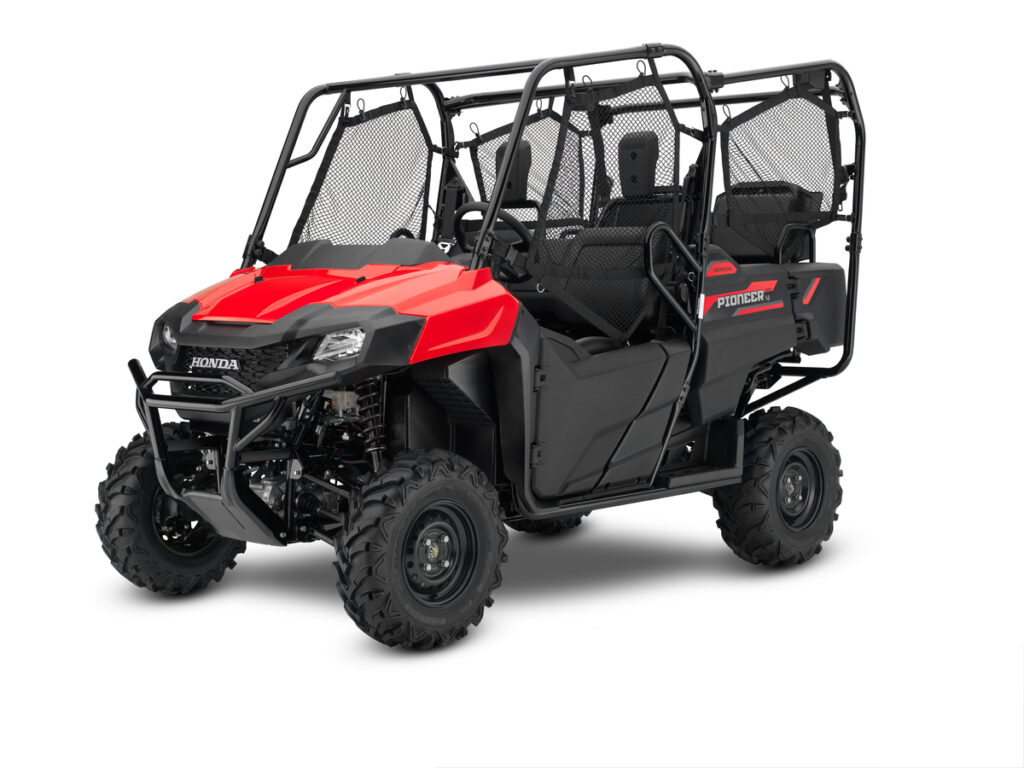
Quick AI Overview: Honda Pioneer Maintenance Checklist Before You Buy Used?
What should I check before buying a used Honda Pioneer?
Inspect the frame for cracks or weld repairs, check all fluids for color and level, look for leaks, test the 2WD/4WD and differential lock, examine the suspension and brakes, and take a test drive. Always verify the service history and hour meter reading.Honda Pioneer Maintenance Checklist Before You Buy Used?
How many hours is too many on a used Honda Pioneer?
There is no single cutoff. A well-maintained Pioneer can run for many years and thousands of hours. Service records, how it was used (farm, trail, or work site), and its mechanical condition matter more than the number alone.
What is the most important part of a used Honda Pioneer inspection?
The drivetrain and engine. Repairs here cost the most, so check for leaks, unusual noises, rough shifting, and 4WD problems first.Honda Pioneer Maintenance Checklist Before You Buy Used?
Where can I find a reliable used Honda Pioneer?
Start with a trusted dealer that inspects its inventory. You can browse the Honda Pioneer UTV for sale collection at Used Utility Vehicles.Honda Pioneer Maintenance Checklist Before You Buy Used?
Why a Maintenance Checklist Matters When Buying a Used Honda Pioneer
Honda has built a strong reputation in the side-by-side world. The Pioneer line is known for dependable engines, comfortable seating, and the kind of fit and finish that makes it a favorite on ranches, hunting properties, job sites, and trails. That reputation is exactly why used Pioneers sell quickly, and why some sellers lean on the badge instead of showing the true condition of the machine.Honda Pioneer Maintenance Checklist Before You Buy Used?
Here’s the honest truth: even the most reliable UTV can be abused, neglected, or poorly stored. Two Pioneers with the same model year can be completely different machines. One spent its life hauling feed on flat pasture with regular oil changes. The other got pushed through creek crossings, deep mud, and heavy towing with skipped service intervals.Honda Pioneer Maintenance Checklist Before You Buy Used?
A solid Honda Pioneer maintenance checklist helps you tell them apart. It turns a nervous, gut-feeling purchase into an informed decision. It also gives you negotiating power: if you find worn tires, tired brake pads, or an overdue drive-fluid change, you can ask for a lower price or ask the seller to fix it first.Honda Pioneer Maintenance Checklist Before You Buy Used?
If you’re still deciding which type of machine fits your needs, you can also explore the full range of used utility vehicles before narrowing your search to a Pioneer.
Before You Look: Do Your Homework
The best inspections start before you ever touch the machine.
Know Which Pioneer Model You Want
The Pioneer family covers a wide range, from compact, trail-friendly models to larger crew-style machines built for work and passengers. Think about how you’ll actually use it:
- Farm or ranch work: Look at models with strong towing and bed capacity.
- Trail riding and hunting: Prioritize suspension condition, ground clearance, and tire quality.
- Family or crew use: A multi-passenger configuration may be worth the extra cost.
If you want a more powerful machine, you might compare listings for a Honda Pioneer 1000 for sale against the smaller Pioneer 700 or 500 class. Knowing the model’s typical specs, common wear points, and recommended service intervals before the visit makes you a sharper inspector.Honda Pioneer Maintenance Checklist Before You Buy Used?
Ask the Seller These Questions First
A short phone call can save you a wasted trip. Ask:
- How many hours or miles are on it?
- When was the last oil change and drive-fluid service?
- Has it ever been in a flood, rollover, or serious accident?
- Has it been modified (lift kit, bigger tires, aftermarket engine tuning)?
- Is the title clean, and is it in the seller’s name?
- Why are they selling it?
Pay attention to hesitation. Honest sellers usually answer quickly and openly.Honda Pioneer Maintenance Checklist Before You Buy Used?
Bring the Right Tools
You don’t need a full garage. A small kit goes a long way:
- A bright flashlight
- Clean white rags or paper towels
- Disposable gloves
- A tire pressure gauge
- A small mirror for hard-to-see areas
- Your phone for photos and notes
- A copy of this checklist
The Walk-Around: Frame, Body, and Tires
Start with a slow lap around the machine. Look at it from a distance first, then up close.Honda Pioneer Maintenance Checklist Before You Buy Used?
Frame and Roll Cage
The frame is the backbone of any UTV. Crouch down and inspect:
- Cracks or fresh welds, especially near suspension mounting points
- Bent or kinked tubes that suggest a rollover or hard impact
- Uneven paint or overspray, which may hide repairs
- Rust on structural areas, not just surface rust on bolts
Surface rust on a work vehicle is normal. Deep corrosion, flaking metal, or amateur welds are not.Honda Pioneer Maintenance Checklist Before You Buy Used?
Body Panels and Plastics
Mismatched panels, new hardware on one side only, or cracked mounting tabs can point to past damage. Check that doors, latches, and the tailgate or bed operate smoothly.Honda Pioneer Maintenance Checklist Before You Buy Used?
Tires and Wheels
Tires tell a story. Check:
- Tread depth across the whole tire
- Uneven wear, which may signal alignment or suspension issues
- Sidewall cracks, bubbles, or punctures
- Bent or dented rims
- Wheel bearing play, by grabbing each wheel at the top and bottom and rocking it
Replacing a full set of quality UTV tires can be a meaningful expense, so factor tire condition into your offer.Honda Pioneer Maintenance Checklist Before You Buy Used?
H4: Quick Tip on Aftermarket Tires
Oversized tires look great but put extra strain on axles, CV joints, and bearings. If the seller added bigger tires, inspect the drivetrain more closely.Honda Pioneer Maintenance Checklist Before You Buy Used?
Engine and Fluids Inspection
The engine bay shows how well the machine was cared for. Start with the machine cold. If the seller has already warmed it up, ask yourself why. A cold start reveals problems that a warm engine can hide.Honda Pioneer Maintenance Checklist Before You Buy Used?
Cold Start Test
Turn the key and listen. A healthy Pioneer engine should start easily and settle into a steady idle. Watch for:
- Long cranking before it fires
- Rough or surging idle
- Blue, white, or black smoke from the exhaust
- Ticking, knocking, or grinding noises
Engine Oil
Pull the dipstick and check both level and condition.
- Honey or amber color is a good sign.
- Dark, gritty oil suggests overdue changes.
- Milky or foamy oil can mean water or coolant contamination, which is a serious warning sign.
- Metal flakes on the dipstick are a red flag.
Always follow the oil type and capacity listed in the owner’s manual for the specific model.Honda Pioneer Maintenance Checklist Before You Buy Used?
Coolant and Radiator
Check the coolant level and color. Look at the radiator fins for bent, clogged, or mud-packed areas, since overheating is more likely if airflow is restricted. Squeeze the hoses (when cool). They should be firm but not hard, with no cracks or bulges.Honda Pioneer Maintenance Checklist Before You Buy Used?
Air Filter and Intake
Open the airbox. A clean or lightly dusty filter suggests regular maintenance. A filter packed with dirt, or an airbox full of mud, means the engine may have been sucking in debris. Check the intake boot for cracks and loose clamps.Honda Pioneer Maintenance Checklist Before You Buy Used?
Leaks and Seepage
With a flashlight, scan the underside of the engine, the transmission housing, and the differentials for wet spots or crusty residue. Light dampness can be normal on an older machine. Active dripping is not.Honda Pioneer Maintenance Checklist Before You Buy Used?
Fuel System Notes
Smell for stale fuel, check fuel lines for cracking, and ask whether the machine sat unused for long periods without stabilizer.
Drivetrain, Transmission, and 4WD Check
Drivetrain repairs are among the most expensive on any side by side, so give this section extra time.
Transmission and Shifting
Move through every gear: park, neutral, low, high, and reverse. Shifts should be positive and quiet. Be cautious if you notice:
- Grinding or clunking when selecting gears
- Difficulty engaging reverse or park
- A transmission that slips or hesitates under load
2WD, 4WD, and Differential Lock
Engage each drive mode and confirm it actually works. On the Pioneer, test the 4WD selector and the front differential lock. Drive slowly on loose gravel or grass and listen for binding or odd noises. If the machine pulls hard in one direction when 4WD engages, have it checked.Honda Pioneer Maintenance Checklist Before You Buy Used?
Axles, CV Boots, and Driveshafts
Check every CV boot for tears, grease slinging, or loose clamps. A torn boot lets dirt in and quickly destroys a joint. Grab each driveshaft and look for excess play in the U-joints.Honda Pioneer Maintenance Checklist Before You Buy Used?
Drive Fluids
Differential and transmission fluids should be changed on schedule. Ask when it was last done. If the fluid looks dark, smells burnt, or contains metal particles, budget for service and use it as a negotiating point.Honda Pioneer Maintenance Checklist Before You Buy Used?
Belt and Clutch Systems
Depending on the model, check the drive system for glazing, cracking, or burning smells. Uneven acceleration or a “jerky” feel on takeoff can point to wear.
Suspension, Steering, and Brakes
These systems affect both comfort and safety, so they deserve careful attention.
Suspension Components
Push down hard on each corner and release. The machine should rebound once or twice and settle, not bounce repeatedly. Inspect:
- Shocks for oil leaks or bent shafts
- A-arms for bends, cracks, or worn bushings
- Ball joints and tie rod ends for looseness
A machine that has been used for heavy towing or hard trail riding often shows wear here first.
Steering
Turn the wheel lock to lock. It should feel smooth without notches, tight spots, or excessive free play. Wobble in the steering wheel while driving can suggest worn tie rods, bad bearings, or bent components.
Brakes
Look at the brake pads through the caliper and check the rotor surface for deep grooves or warping. On the test drive, the brake pedal should feel firm and the machine should stop straight. A soft pedal, pulsing, or squealing means service is needed.
Parking Brake Check
Test the parking brake on an incline. It should hold the machine securely without rolling.
Electrical System and Battery
Electrical gremlins are annoying, and sometimes tricky to track down. Test everything:
- Headlights, taillights, and brake lights
- Turn signals and hazard lights, if equipped
- Gauges, warning lights, and the hour meter
- Horn, power outlets, and accessory switches
- Winch operation, if one is installed
Open the battery compartment. Look for corrosion on the terminals, a swollen battery case, or messy aftermarket wiring. Poorly spliced wires, loose connectors, and tangled accessory installs are signs of rushed or amateur work.
If a warning light stays on after startup, ask the seller to explain. Don’t accept “it always does that” without proof of what it means.
The Test Drive
Never buy a used UTV without driving it. Even a short ride tells you more than twenty minutes of staring at it.
What to Do During the Drive
- Accelerate smoothly and then more aggressively to check for hesitation.
- Shift through all gears while moving.
- Brake firmly from moderate speed.
- Turn tight circles in both directions and listen for clicking from the axles.
- Drive over uneven ground to test suspension and listen for rattles.
- Test 4WD on loose terrain if possible.
- Let the engine reach full temperature and watch the gauge.
What to Listen and Feel For
Humming that changes with speed can mean bearings or differential problems. Clunks over bumps suggest worn bushings or loose components. A vibration through the seat or steering wheel can point to tires, driveshafts, or wheel issues.
After the Drive
Shut the engine off and re-check under the machine for any new leaks. Look at the temperature of the radiator hoses and listen for coolant bubbling. Then restart it warm. It should fire right up.
Paperwork and Service History
A clean machine with no paper trail is a gamble. A slightly worn machine with detailed records is often the smarter buy.
Documents to Request
- Title or registration, matching the seller’s name
- Bill of sale template or purchase agreement
- Service records with dates and hours
- Receipts for upgrades or major repairs
- Owner’s manual and spare key
Verify the VIN
Compare the VIN on the frame with the one on the title. Mismatched numbers, scratched-off plates, or unclear stamping are reasons to stop immediately.
Understand How It Was Used
A Pioneer used lightly on a small property is a very different purchase from one that pulled loads daily for years. Ask directly about towing, water crossings, and storage conditions. Machines stored indoors usually show less sun damage and corrosion.
If you’d rather not handle every one of these checks alone, working with a dealer that already inspects its stock can reduce the risk. Take a look at the current Honda Pioneer UTV for sale listings to compare condition, pricing, and specs in one place.
Red Flags That Mean Walk Away
Some problems are fixable with a little money and time. Others should end the conversation. Walk away if you see:
- Milky oil or coolant in the oil
- Cracked, bent, or poorly welded frame sections
- Evidence of flood damage, such as silt in the airbox, musty smells, or rusted electrical connectors
- A seller who refuses a test drive or won’t let you inspect it cold
- VIN or title problems
- Major unexplained noises from the engine or drivetrain
- Pressure to decide immediately
Trust your instincts. If a deal feels off, another Pioneer will come along.
Printable Honda Pioneer Maintenance Checklist Table
Use this table on your phone or print it before you go.
| Area | What to Check | Good Sign | Warning Sign |
|---|---|---|---|
| Frame & cage | Cracks, welds, bends | Clean, original welds | Fresh welds, kinks |
| Tires & wheels | Tread, sidewalls, bearings | Even wear, no play | Cracks, wobble |
| Engine oil | Level, color, smell | Clean amber oil | Milky, gritty, low |
| Coolant | Level, color, hoses | Full, bright, firm hoses | Rust color, cracked hoses |
| Air filter | Cleanliness, airbox | Lightly dusty | Mud-packed, torn |
| Cold start | Crank time, smoke, noise | Quick, smooth start | Hard start, heavy smoke |
| Transmission | Shifting through gears | Smooth, quiet | Grinding, slipping |
| 4WD & diff lock | Engagement, noise | Engages cleanly | Binding, no engagement |
| CV boots & axles | Tears, grease, play | Intact boots | Torn boots, clicking |
| Suspension | Shocks, bushings, A-arms | Firm, quiet rebound | Leaks, sagging, bouncing |
| Steering | Free play, smoothness | Tight and even | Loose, notchy |
| Brakes | Pads, rotors, pedal feel | Firm pedal, straight stop | Soft pedal, pulsing |
| Electrical | Lights, gauges, battery | Everything works | Warning lights, messy wiring |
| Paperwork | Title, VIN, service records | Clean, matching | Missing, mismatched |
Frequently Asked Questions
How much should I budget for maintenance after buying a used Honda Pioneer?
Plan on a small reserve for a baseline service even if the seller says it was recently maintained. Fresh engine oil and filter, drive fluids, air filter, and a general inspection give you a known starting point. If tires, brake pads, or belts are worn, add those costs to your budget.
Is a Honda Pioneer reliable after many years of use?
Pioneers have a strong reputation for durability, but reliability always depends on how the machine was treated. Regular oil changes, clean air filters, and proper storage matter more than age alone.
Should I get a mechanic to inspect a used Honda Pioneer?
If you are not confident in your own mechanical skills, yes. A powersports technician can usually spot issues in less than an hour, and the inspection fee is small compared with a major repair bill.
What’s the difference between the Pioneer 500, 700, and 1000?
Generally, the numbers reflect the size and power class of the machine. Smaller models are lighter and easier to maneuver, while larger ones offer more power, towing capability, and seating options. Compare listings of a Honda Pioneer 700 for sale with larger models to see which fits your needs and budget.
Can I negotiate the price if I find maintenance issues?
Absolutely. Worn tires, overdue fluid changes, torn boots, and worn brakes are all fair reasons to ask for a lower price. Bring photos and a rough repair estimate to support your offer.
What documents do I need to complete the purchase?
You’ll typically need a signed title, a bill of sale, and valid ID. Requirements vary by state, so check your local DMV rules for registration and any required inspections.
Where can I shop used utility vehicles beyond Pioneers?
If you want to compare different makes and models, browse the full used utility vehicles shop for a wider selection of UTVs and side by sides.
Final Thoughts
Buying a used Honda Pioneer can be one of the best value decisions you make, but only if you go in prepared. A careful walk-around, a cold-start test, a close look at the drivetrain, and a proper test drive will reveal almost everything you need to know. Add a review of the service history and a healthy dose of patience, and you’ll avoid most of the costly mistakes buyers make.
Print the checklist above, take your time, and don’t be afraid to walk away from a machine that doesn’t pass.
Ready to Find Your Next Pioneer?
Skip the guesswork and start with machines that have been carefully inspected and priced fairly.
👉 Browse Honda Pioneer UTVs for sale and find the model that fits your work and play.
👉 Explore all used utility vehicles to compare more makes, models, and prices.
Have a question about a specific Pioneer? Contact the Used Utility Vehicles team today and get honest answers before you buy.