
John Deere Gator Model Years Explained
Table of Contents
- Quick Answer: John Deere Gator Model Years at a Glance
- A Short History of the John Deere Gator
- John Deere Gator Model Years by Generation
- How to Find Your John Deere Gator Model Year
- Which Gator Model Year Is Best to Buy Used?
- What to Inspect on a Used Gator, Whatever the Year
- How Model Year Affects Price and Resale Value
- Where to Buy a Used John Deere Gator
- Frequently Asked Questions
- Final Thoughts
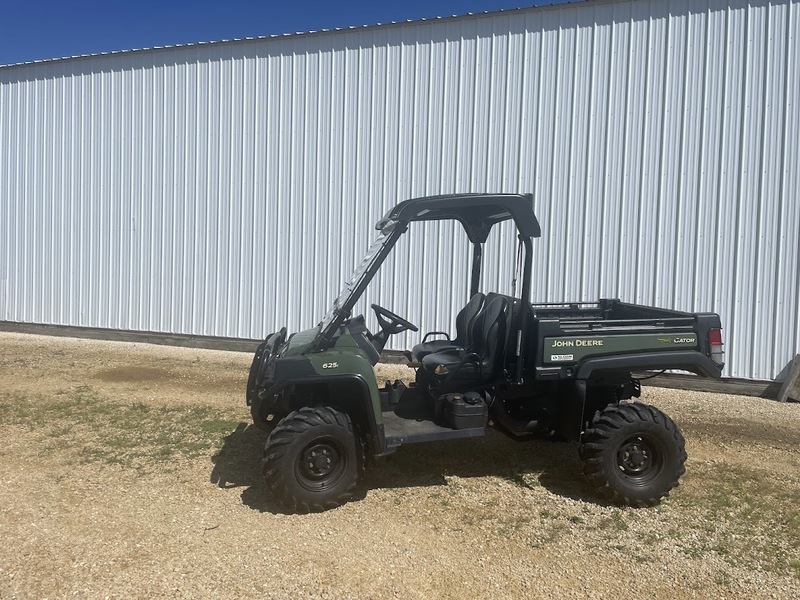
Quick Answer: John Deere Gator Model Years Explained
AI Overview: What You Need to Know
What are the John Deere Gator model years?
John Deere introduced the Gator utility vehicle in 1992, and it has been produced continuously since. Over the decades it has evolved from the simple 6×4 and 4×2 “Traditional” Gators of the 1990s into the 2000s HPX and early XUV models, then the modern XUV, RSX, and electric Gators of the 2010s and 2020s.
How do I know what model year my Gator is?
Check the serial number (PIN) plate on the frame. On most Gators, the 10th character of the 17-character number is the standard model-year code.
Which Gator model year is best?
There’s no single best year. Late-2010s and newer XUV models offer the best mix of comfort, power, and parts support, while older Traditional Gators (TX, TS, TH) are cheaper and simple to maintain.
If you want the long version, keep reading. If you’re already shopping, you can browse our current inventory of used John Deere Gator UTVs for sale and compare model years side by side.
A Short History of the John Deere Gator
Before you can make sense of John Deere Gator model years, it helps to know why the Gator exists. In the early 1990s, farmers, groundskeepers, and ranchers needed something between a pickup truck and an ATV: a vehicle that could haul a load, carry a passenger, and cross soft ground without tearing it up. John Deere answered with the Gator in 1992.
It was a plain, rugged machine, and that was the point. It had a cargo bed, a bench seat, and a simple drivetrain. People bought it because it worked, and they kept it because it kept working. That reputation is why used Gators still sell well today.
Why Model Year Matters More Than You Think
Two Gators that look nearly identical from ten feet away can be completely different machines. A 2003 TX and a 2019 XUV 835 are separated by a wide gap in:
- Engine type and horsepower
- Suspension and ride quality
- Cab, seating, and comfort features
- Parts availability and service costs
- Towing and payload capacity
Knowing the model year tells you what you’re getting and whether the asking price is fair.
John Deere Gator Model Years by Generation
John Deere has changed model names, engines, and styling many times, and exact introduction years vary by model and market. The table below groups Gators into broad generations as a quick reference. Always confirm specifics against the serial plate and the official specs for the exact unit you’re considering.
| Generation | Approximate Era | Typical Models | Key Traits |
|---|---|---|---|
| Original Gators | 1990s | 6×4 and 4×2 Gators | Simple, rugged, basic utility |
| Traditional Series | Late 1990s to 2010s | TX, TS, TH, TX Turf | Affordable, easy to repair, farm and turf use |
| High Performance and early XUV | 2000s | HPX, early XUV (e.g., 620i) | 4×4 capability, more power, better suspension |
| Modern XUV | 2010s | XUV 550, 825i, 855D, 590i, 835, 865 | Comfort, cab options, EFI and diesel choices |
| RSX and Sport | Late 2010s | RSX 860 series | Sportier ride, quicker handling |
| Electric and current lineup | 2010s to today | TE, E-Gator, newer XUV updates | Quiet operation, updated styling |
The 1990s: Original Gators
The first Gators were basic by today’s standards, and that’s their charm. They’re mechanically simple, which makes them easy to work on. A good one can still be a fine property or hunting vehicle, but expect limited comfort and fewer modern conveniences.
What to Know About 1990s Gators
Parts and Service Considerations
Some parts for the earliest units can be harder to source, so check availability before you buy a project machine.
The 2000s: Traditional Series and the HPX
Through the 2000s, the Traditional Series (TX, TS, and TH) became a go-to for turf maintenance, small farms, and municipal fleets. These are workhorses: no frills, solid frames, and a ton of aftermarket support.
During the same period, John Deere pushed performance with the HPX line and early XUV models. Full 4×4 capability, stronger engines, and improved suspension made these Gators far more capable in rough terrain. If you want real utility without the price of a newer machine, a well-kept 2000s model can be a smart buy.
Traditional Gator (TX, TS, TH) Strengths
- Low purchase price
- Simple mechanical layout
- Strong parts support
- Great for flat property and turf work
HPX and Early XUV Strengths
- True 4×4 or improved traction
- Better ground clearance and suspension
- Higher towing and hauling ability
The 2010s: The Modern XUV Era
This is the decade that defined the Gator most people picture today. The XUV line grew quickly, with gas, EFI, and diesel options, plus upgraded seating, available cabs, and better suspension tuning.
Popular names from this era include the XUV 550, XUV 825i, XUV 855D, XUV 590i, XUV 835, and XUV 865. Each offers a different balance of power, comfort, and cost:
XUV 550 and 590i
Great mid-range choices for property owners who want comfort and capability without paying top dollar.
XUV 825i and 835
Stronger engines and more refinement. These are popular with ranchers and hunters who want more hauling and towing muscle.
XUV 855D and 865
Diesel power (on diesel models) brings strong low-end torque and fuel efficiency, ideal for heavy, all-day work.
If you’re comparing XUV options, it’s worth looking at what’s in stock right now. Our John Deere Gator UTV inventory is updated regularly with different years and trims.
The Late 2010s: RSX and Sportier Gators
John Deere also introduced the RSX series, a sportier take on the Gator with sharper handling and a more recreational feel. It’s a good fit if you want one machine for both weekend fun and light chores.
The 2020s: Refinements and Electric Options
Recent Gators carry updated styling, improved comfort, and refinements across the XUV lineup. Electric Gators have also gained attention for quiet, low-maintenance operation, handy for golf courses, campuses, and noise-sensitive jobs.
How to Find Your John Deere Gator Model Year
Not sure what year your Gator is? You’re not alone. This is one of the most common questions we hear, and it’s easy to answer once you know where to look.
Step 1: Locate the Serial Number (PIN) Plate
On most Gators, the serial number plate is on the frame, often near the front or under the seat area. Look for a 17-character number, typically beginning with “1M0.”
Step 2: Read the 10th Character
For most units, the 10th character is the standard model-year code. These are common examples:
| Code | Model Year |
|---|---|
| D | 2013 |
| E | 2014 |
| F | 2015 |
| G | 2016 |
| H | 2017 |
| J | 2018 |
| K | 2019 |
| L | 2020 |
| M | 2021 |
| N | 2022 |
| P | 2023 |
| R | 2024 |
Step 3: Cross-Check Against the Dealer or Manufacturer
Serial formats differ on older machines, so if the number looks unusual, ask a John Deere dealer to verify it. That’s especially useful when you’re buying older or second-hand units.
Why This Step Protects You
A seller who lists a “2018” that is really a 2014 is asking for a much higher price than the machine deserves. Verifying the serial number takes two minutes and can save you hundreds or even thousands of dollars.
Which Gator Model Year Is Best to Buy Used?
Honestly, it depends on how you’ll use it. Here’s how we’d break it down.
Best for Budget Buyers
Look at Traditional Series Gators from the 2000s and early 2010s. They’re inexpensive, durable, and easy to service. For mowing crews, small farms, and light property work, they get the job done.
Best Value Overall
Early-to-mid 2010s XUV models often hit the sweet spot. You get 4×4, better comfort, and modern drivetrains, but depreciation has already done its work, so you’re not paying new-vehicle prices.
Best for Heavy Work
Look for diesel XUV models. Torque, durability, and fuel economy make them a favorite among ranchers and landowners who put real hours on their machines.
Best for Comfort and Daily Use
Late-2010s and newer XUV models usually offer the best seating, suspension, and cab options. If you spend long days in the seat, the extra money often pays off.
Best for Recreation
The RSX series and sportier XUV trims appeal to riders who want responsive handling and a livelier feel.
A Practical Rule of Thumb
Choose the newest model you can comfortably afford with a clean maintenance history. A well-maintained older Gator beats a neglected newer one every time.
What to Inspect on a Used Gator, Whatever the Year
Model year is only half the story. Condition and care matter just as much. Before you hand over money, run through this checklist.
Engine and Drivetrain
Engine Hours
Check the hour meter. Lower hours are generally better, but a well-serviced high-hour machine can outlast a neglected low-hour one. Ask for service records.
Cold Start
Start the engine cold if you can. Hard starting, smoke, or odd noises are red flags.
Transmission and Drive Belt
Test forward, reverse, and (on 4×4 models) engagement. Listen for slipping, grinding, or jerky shifts.
Frame, Suspension, and Steering
- Look for cracks, bends, or sloppy welds on the frame
- Check A-arms, bushings, and shocks for wear
- Test the steering for play or pulling
Bed, Body, and Cab
- Make sure the dump bed lifts and latches properly
- Inspect for rust, especially on older units
- Check seat condition, roof, and windshield, since replacement parts add up
Electrical and Lights
Test headlights, brake lights, gauges, and the key switch. Electrical gremlins can be frustrating and sometimes expensive to chase.
Tires and Brakes
Uneven tire wear can point to alignment or suspension issues. Make sure the brakes feel firm and stop the vehicle straight.
Paperwork
Confirm that the serial number on the machine matches the paperwork, and ask about maintenance history, prior use (farm, turf, rental), and any repairs.
Want to skip the guesswork? Every unit we list is described clearly so you know what you’re buying. Take a look at our used John Deere Gator for sale page and reach out with any questions.
How Model Year Affects Price and Resale Value
Gators are known for holding their value better than many competing UTVs. Still, model year plays a big role in what you’ll pay now and what you’ll get back later.
Factors That Influence Price
Age and Generation
Newer generations with updated engines and cabs command higher prices. Older Traditional models sit at the lower end.
Engine Type
Diesel models typically cost more than comparable gas versions because of their durability and torque.
Hours and Condition
Lower hours and clean bodywork add value. Heavy wear, rust, or deferred maintenance bring prices down.
Accessories and Upgrades
Cabs, winches, plows, and lift kits can raise value, if they were installed properly.
Trim and Seating
Crew-style models with extra seating often cost more than standard two-seaters.
Tips for Getting a Fair Deal
- Compare similar year, trim, and hours across several listings
- Factor in the cost of any needed repairs
- Ask for service records
- Don’t overpay for options you won’t use
If you’re also exploring other brands or vehicle types, our full catalog is easy to browse. You can shop all used utility vehicles to compare options in one place.
Where to Buy a Used John Deere Gator
You’ve got options: private sellers, auctions, dealerships, and online marketplaces. Each has trade-offs.
Private Sellers
You may find lower prices, but you’re often on your own for inspection and paperwork.
Auctions
Good deals exist, but you usually can’t test drive, and “as-is” means just that.
Specialized Used Utility Vehicle Dealers
A dealer focused on utility vehicles knows what to look for and can describe units accurately. That’s where Used Utility Vehicles comes in. We focus on pre-owned work and recreation machines so you can shop with confidence.
Ready to Find Your Gator?
Whether you’re hunting for a budget-friendly Traditional model or a late-model XUV, we’d love to help you find the right fit. Browse used John Deere Gator UTVs now or explore our full shop to see everything we have available.
Frequently Asked Questions About John Deere Gator Model Years
What year did John Deere start making the Gator?
John Deere introduced the Gator in 1992, and it has remained in production ever since, evolving through many series and generations.
How can I tell what year my John Deere Gator is?
Find the serial number (PIN) plate on the frame. On most units, the 10th character of the 17-character serial number is the model-year code. If it looks unusual, ask a John Deere dealer to confirm.
What is the difference between a John Deere Gator TX, TS, and TH?
These are Traditional Series Gators. The TX is generally a 4×2, the TS is a 4×2 with differences in setup and features, and the TH is a 6×4 with six wheels for extra traction and hauling. Specifications vary by year, so verify the details of the exact unit.
Which John Deere Gator models are best for hunting?
Many hunters prefer XUV models for their 4×4 capability, comfort, and quiet-running options. The Gator’s payload, seating, and suspension make it a strong choice for off-road trips.
Are older John Deere Gators reliable?
Generally, yes, if they’ve been maintained. Older Traditional Gators are mechanically simple and widely supported. The key is service history and overall condition rather than age alone.
Is a diesel or gas Gator better?
Diesel models offer more torque and better fuel economy, which suits heavy work. Gas and EFI models are often quieter, cheaper, and plenty capable for typical property chores. Your choice depends on how hard and how often you’ll use it.
How many hours is too many on a used Gator?
There’s no universal number. A well-maintained Gator with higher hours can outperform a neglected low-hour unit. Always review service records and inspect the machine thoroughly.
Do John Deere Gators hold their value?
They typically hold value better than many competing UTVs, especially popular XUV and diesel models in good condition. Newer generations with desirable features tend to retain value best.
Where can I find used John Deere Gators for sale?
You can check local dealers, classifieds, and auctions, or browse a specialized seller. Our used John Deere Gator for sale collection is a good starting point.
Can I look at other utility vehicles besides Gators?
Absolutely. Our shop page lists a wide range of used utility vehicles so you can compare brands, years, and prices.
Final Thoughts: Choosing the Right Gator Year
Understanding John Deere Gator model years makes you a smarter buyer. The year tells you about the engine, the comfort level, the parts support, and a lot about what you should pay. But remember that no model year can make up for poor maintenance, so inspect carefully and ask questions.
Here’s the short version:
- Tight budget? Look at Traditional Series Gators from the 2000s and early 2010s.
- Want the best value? Target early-to-mid 2010s XUV models.
- Need heavy-duty muscle? Consider a diesel XUV.
- Want comfort and modern features? Shop late-2010s and newer units.
When you’re ready to start looking, we’re here to help. See our current used John Deere Gator UTVs, or browse the complete shop and find the machine that fits your work, your land, and your budget.