
How Many Hours Is Too Many on a Used John Deere Gator
Table of Contents
- Quick Answer (AI Overview)
- Why Hours Matter More Than Age
- Safe Hour Ranges by Gator Type
- Hours vs. Condition: What Matters More?
- How to Inspect a Used John Deere Gator
- Red Flags That Mean Walk Away
- How Hours Affect Price
- How to Make Any Gator Last Longer
- Where to Find a Quality Used Gator
- FAQs
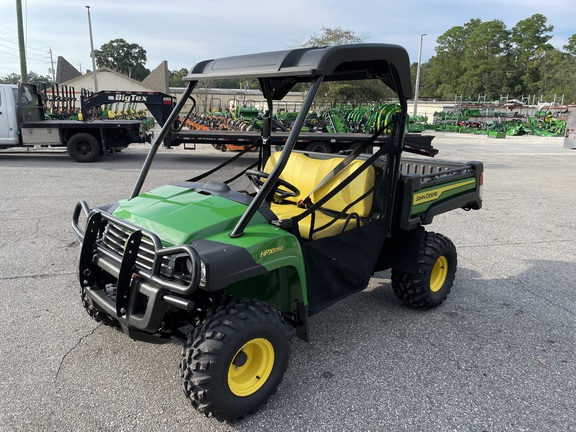
Quick Answer
Q: How many hours is too many on a used John Deere Gator?
A: For most buyers, anything over 3,000 hours on a gas Gator or 5,000 hours on a diesel Gator deserves serious caution, unless there are detailed service records. A well-maintained Gator with 2,000 hours can be a better buy than a neglected one with 800. As a rough guide:
- Under 1,000 hours: Low use. Great, but expect to pay for it.
- 1,000–2,500 hours: The sweet spot for value and remaining life.
- 2,500–4,000 hours: Acceptable with records and a thorough inspection.
- 4,000+ hours: Only for diesel models with proven maintenance, or for a steep discount.
Hours tell part of the story. Maintenance history, how the machine was used, and its current condition tell the rest.
Why Hours Matter More Than Age on a Used John Deere Gator
When people shop for a used truck, they look at mileage. When you shop for a used John Deere Gator, you look at the hour meter. It’s the closest thing to a true odometer for a utility vehicle, because Gators spend a lot of their lives idling, crawling at low speed, hauling feed, pulling trailers, or running a PTO-style workload. Miles don’t capture any of that. Engine hours do.How Many Hours Is Too Many on a Used John Deere Gator
What an hour on the meter really means
One hour on a Gator isn’t one hour of cruising down a gravel road. It might be an hour of idling while someone loads firewood, or an hour of hauling a full bed up a muddy hill. That’s why two Gators with identical hour counts can be in very different shape.How Many Hours Is Too Many on a Used John Deere Gator
A rough hours-to-miles conversion
As a loose rule of thumb, many owners estimate one engine hour at roughly 10 to 15 miles of travel on mixed terrain. That’s not exact. Heavy idling lowers the number, and trail riding raises it. Under that rule, 2,000 hours is about 20,000 to 30,000 miles of equivalent work, but with more stress per mile than a road vehicle gets.How Many Hours Is Too Many on a Used John Deere Gator
Why age alone can mislead you
A 2012 Gator with 600 hours that has sat outside for a decade can have rotted bushings, cracked plastics, and stale fuel problems. A 2016 Gator with 1,800 hours that was serviced on schedule and stored in a shed can run like new. Age and hours both matter, but condition and maintenance are the tiebreakers.How Many Hours Is Too Many on a Used John Deere Gator
Safe Hour Ranges by Gator Type
Not every Gator is built the same, so “too many hours” depends on what’s under the hood. These ranges are general guidelines based on typical owner experience, not manufacturer guarantees, so check the specific model you’re considering.How Many Hours Is Too Many on a Used John Deere Gator
Gas-powered Gators
Gas models like the XUV and the TX series are popular for farms, hunting properties, and large yards. They’re quieter and smoother, but their engines typically age out sooner than diesels.
- Healthy range: Up to about 2,000 hours
- Caution zone: 2,000–3,000 hours
- High risk: 3,000+ hours without documented service
Gas Gator hour limits for heavy use
If the machine worked hard, such as constant towing, plowing, or hauling, subtract 500 hours or more from those thresholds. Heavy duty ages a gas engine faster than casual use does.
Diesel-powered Gators
Diesel Gators, including many Gator XUV and HPX models, are known for longevity. Diesel engines are built heavy, and plenty of owners report 4,000 to 6,000 hours with proper care.
- Healthy range: Up to about 3,000 hours
- Caution zone: 3,000–5,000 hours
- High risk: 5,000+ hours without a full service history
Why diesel tolerates higher hours
Diesels run at lower RPM, have stronger internals, and typically get more consistent oil changes from owners who treat them like tractors. That said, injectors, glow plugs, and fuel systems still wear. A diesel with 4,500 hours needs just as careful an inspection as any other machine.
Electric Gators
Electric models are a different story, and the hour meter matters less than battery health. A high-hour electric Gator with a tired battery pack can cost you thousands to restore, while a moderate-hour unit with a healthy pack may be a bargain. Ask for battery age and a load test.How Many Hours Is Too Many on a Used John Deere Gator
Quick-reference table
| Gator Type | Low Hours | Sweet Spot | Caution | Walk Away Without Records |
|---|---|---|---|---|
| Gas | Under 800 | 800–2,000 | 2,000–3,000 | 3,000+ |
| Diesel | Under 1,200 | 1,200–3,000 | 3,000–5,000 | 5,000+ |
| Electric | Check battery first | Battery under 4–5 yrs | Aging pack | Failing pack |
Hours vs. Condition: What Matters More?
Honestly, condition usually wins. Here’s how I’d think about the tradeoff if I were buying.
The case for choosing condition over low hours
A low-hour Gator that’s been neglected can hide expensive problems. Hoses dry out, fuel gums up carburetors and injectors, and seals shrink when a machine sits unused. A Gator that’s been used regularly and maintained properly has had its fluids cycled, its grease points hit, and its problems found and fixed.How Many Hours Is Too Many on a Used John Deere Gator
Signs of a well-maintained high-hour Gator
- A stack of service receipts or a logbook
- Clean, properly filled fluids
- Fresh filters and a clean air box
- Even tire wear and tight steering
- No fresh leaks around the engine, transmission, or differentials
When low hours really are worth paying for
Low hours matter most if you plan to keep the Gator for ten years or more, if you use it commercially, or if you want to avoid major repairs. In those cases, paying more for a sub-1,000-hour unit can make sense.How Many Hours Is Too Many on a Used John Deere Gator
A quick personal-style rule
If I had to pick between a 1,200-hour Gator with full records and an 800-hour Gator with none, I’d take the 1,200-hour machine nearly every time. Records are proof, and a low meter reading on its own is just a number.
How to Inspect a Used John Deere Gator Before You Buy
Whether you’re shopping locally or browsing a dealer’s John Deere Gator UTV for sale, run through the same checklist. Do it in person when you can, or ask the seller for videos and photos of each item below.How Many Hours Is Too Many on a Used John Deere Gator
Start with the hour meter
Confirm the number on the meter, then ask how the machine was used. Farm work, ranch work, hunting-lease duty, landscaping, and weekend trail riding all wear a Gator differently.
Does the wear match the hours?
Check the pedals, seat, steering wheel, and bed. A 600-hour Gator shouldn’t have pedals worn smooth and a sagging seat. If the wear looks heavier than the meter suggests, ask more questions.How Many Hours Is Too Many on a Used John Deere Gator
Engine and drivetrain checks
- Cold start: Ask to see it start cold. Hard starting, heavy smoke, or rough idle can point to trouble.
- Fluids: Check engine oil, coolant, transmission fluid, and differential fluid for color, level, and any milky or burnt appearance.
- Leaks: Look under the machine for fresh drips.
- Noises: Listen for knocking, whining from the drivetrain, or clunks when shifting.
- Belt and clutch: Many Gators use a CVT belt system. A glazed, cracked, or worn belt is a cheap fix, but it can reveal how the machine has been driven.
Test drive essentials
Drive it in 2WD and 4WD, forward and reverse, uphill and down if possible. Check that it shifts cleanly, brakes evenly, and tracks straight.
Frame, suspension, and steering
Look for bent frame sections, cracked welds, sagging springs, worn bushings, and loose ball joints. Heavy loads and rough terrain show up here quickly.
Dump bed and hydraulics
Raise and lower the bed several times. It should move smoothly without leaking or struggling. If the Gator has been used for plowing, check the hydraulic components and mounting points.How Many Hours Is Too Many on a Used John Deere Gator
Electrical and extras
Test the lights, gauges, horn, ignition, and any added accessories. Wiring problems are annoying and sometimes tricky to chase down.
Red Flags That Say “Too Many Hours” (Or Too Much Trouble)
Sometimes a machine tells you it’s done before the meter does.
Mechanical red flags
- Blue or white smoke on startup that doesn’t clear
- Oil that looks milky or smells like fuel
- Metal shavings in the fluids
- Overheating or a coolant level that keeps dropping
- Excessive play in the drivetrain
Paperwork and honesty red flags
- A seller who can’t or won’t answer questions about use
- A hour meter that looks suspiciously low for the machine’s condition
- No records at all on a Gator over 2,500 hours
- Unclear ownership or title issues
What about a replaced or broken hour meter?
If the meter has been replaced or doesn’t work, treat the unit as high-hour until proven otherwise. Ask for documentation, and let a qualified mechanic estimate the true wear.How Many Hours Is Too Many on a Used John Deere Gator
When to just walk away
If you’re seeing multiple warning signs on a machine that’s already past the caution zone, move on. There are plenty of well-kept machines out there, and you don’t need to rescue a problem Gator.
How Hours Affect the Price of a Used John Deere Gator
Hours are one of the biggest drivers of price, but not the only one.
Typical price impact
Generally, each added thousand hours knocks a meaningful chunk off the asking price. Low-hour machines command a premium, while high-hour units should be priced noticeably below market. Model, year, drivetrain, and accessories all shift the number too.How Many Hours Is Too Many on a Used John Deere Gator
Features that raise value
- Factory cab or aftermarket enclosure
- Power steering and upgraded suspension
- Diesel engine
- New tires or a recent service
- Winch, plow mount, or other useful attachments
Negotiating a high-hour Gator
If you’re considering a machine in the caution zone, use the hours as leverage. Point out upcoming maintenance, such as belts, tires, and fluids, and ask for a price that reflects it. A fair seller will understand.How Many Hours Is Too Many on a Used John Deere Gator
Think in total cost, not just sticker price
A cheaper high-hour Gator that needs $1,500 in repairs isn’t cheaper than a pricier machine that’s ready to work. Add up the purchase price, immediate service, and likely repairs before you decide.
For a wider look at what’s out there across brands and budgets, check the full selection in the used utility vehicles shop.
How to Make Any Used Gator Last Longer
Once you’ve bought one, how you treat it determines how far past “too many hours” it will go.
Follow a simple maintenance routine
- Engine oil and filter: Change on schedule, and more often in dusty or heavy-duty conditions.
- Air filter: Clean or replace regularly. Dust is the silent killer of utility engines.
- Grease points: Hit every fitting on the service schedule.
- Differential and transmission fluids: Don’t skip these.
- Coolant and belts: Inspect seasonally.
Keep a logbook
Write down every service with the date and hours. It takes two minutes, and it adds real value when you eventually sell.
Drive it the way it was designed
Don’t overload the bed, and don’t tow beyond the rated capacity. Let the engine warm up in cold weather. Avoid hard water crossings unless the machine is set up for them.How Many Hours Is Too Many on a Used John Deere Gator
Store it properly
Keep it in a shed or garage when possible. Use fuel stabilizer for long storage, and keep the battery charged. UV and moisture age plastics, wiring, and rubber faster than most owners expect.
Where to Find a Quality Used John Deere Gator
Where you buy matters almost as much as what you buy. A seller who documents condition, answers questions, and stands behind the machine makes the whole process easier.How Many Hours Is Too Many on a Used John Deere Gator
Why buy from a specialist
Specialists in used utility vehicles tend to know the common wear points, price machines realistically, and describe condition more accurately than casual sellers do. You’ll usually find clearer photos, straight answers on hours, and a wider range of options in one place.
Start your search the smart way
If you already know you want a Deere, browse the current lineup of used John Deere Gators and compare hours, year, and configuration side by side. Still deciding between brands or vehicle types? The full used utility vehicle inventory lets you widen the net.How Many Hours Is Too Many on a Used John Deere Gator
Questions to ask any seller
- What are the exact engine hours, and how were they used?
- Do you have service records?
- Has the machine had any major repairs?
- Are there known issues I should be aware of?
- Can I see it run cold, or watch a video of a cold start?
Frequently Asked Questions
How many hours is considered high for a John Deere Gator?
Anything above roughly 2,500 to 3,000 hours is high for a gas Gator, and above about 4,000 to 5,000 hours is high for a diesel. Maintenance history can move those numbers in either direction.How Many Hours Is Too Many on a Used John Deere Gator
Is 1,000 hours a lot for a Gator?
No. A thousand hours is usually mid-life for a Gator, especially a diesel. With good care, that machine should have many productive years left.
Is 3,000 hours too many for a used Gator?
For a gas model, it’s at the edge and requires a careful inspection and records. For a diesel, it’s still within a reasonable range if it’s been maintained well.
How long do John Deere Gators last?
Many last well over a decade with regular maintenance. Diesel models and carefully used machines often exceed 4,000 hours, while neglected or heavily worked gas units may need major repairs sooner.How Many Hours Is Too Many on a Used John Deere Gator
Should I buy a low-hour Gator that has been sitting for years?
Be cautious. Sitting causes its own problems: stale fuel, dried seals, flat-spotted tires, and corrosion. Inspect it as carefully as you would a high-hour unit.
What is the best way to check Gator hours?
Read the hour meter on the dash, then compare it to the vehicle’s wear, service records, and overall condition. If the numbers don’t add up, ask more questions or get a mechanic’s opinion.
Do hours matter more than the year?
Usually, yes. A newer machine with heavy use can be worse than an older one with light, well-maintained use. Look at both, but weigh hours and condition more heavily.How Many Hours Is Too Many on a Used John Deere Gator
Are high-hour Gators worth buying?
They can be, if the price is right, the records are solid, and the inspection comes back clean. They’re a good fit for buyers who want a working machine at a lower cost and don’t mind some maintenance.
Final Thoughts: So, How Many Hours Is Too Many?
There’s no single magic number, but the guidelines are clear enough to shop with. For most buyers, under 2,500 hours on a gas Gator and under 4,000 on a diesel is a comfortable zone, as long as the machine has been looked after. Past those marks, you want records, a clean inspection, and a price that reflects the added risk.
Don’t let the hour meter make the decision for you. A machine with honest wear, regular service, and no red flags will outwork a low-hour unit that’s been neglected.How Many Hours Is Too Many on a Used John Deere Gator
Ready to Find Your Next Gator?
Skip the guesswork and start browsing. Check out the latest John Deere Gator UTVs for sale to compare hours, models, and prices, or explore the full used utility vehicle shop to see everything in stock. Have questions about a specific machine? Reach out and ask before you buy.