
How to Inspect a Used John Deere Gator Before Buying
Table of Contents
- Quick Answer: What Should You Check on a Used Gator?
- Why a Proper Inspection Matters
- Do Your Homework Before You Visit
- The Walkaround: Frame, Body, and Bed
- Engine and Drivetrain Inspection
- Hour Meter and Service Records
- Electrical System and Controls
- Suspension, Steering, and Brakes
- The Test Drive: What to Listen and Feel For
- Red Flags That Mean Walk Away
- Pricing and Negotiation Tips
- Paperwork and Ownership Checks
- Where to Find a Used Gator You Can Trust
- Frequently Asked Questions
- Final Thoughts
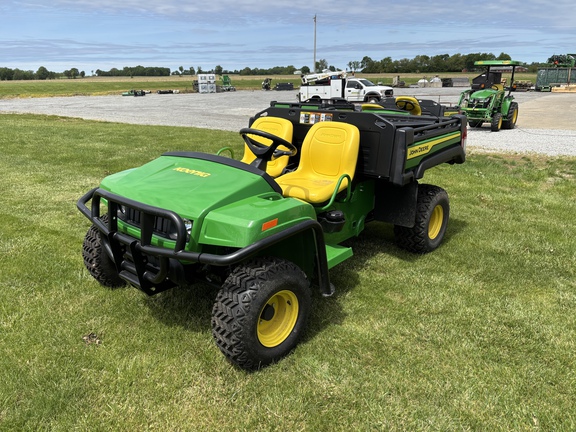
Quick Answer: How to Inspect a Used John Deere Gator Before Buying
Q: How do you inspect a used John Deere Gator before buying?
A: Start with the paperwork and hour meter, then do a full walkaround checking the frame for rust, cracks, or weld repairs. Inspect the tires, bed, and suspension, cold-start the engine and listen for knocking or smoke, and test the CVT belt, transmission, 4WD, brakes, and steering on a real drive. Confirm the service history and compare the price against similar used John Deere Gator for sale listings before you commit.How to Inspect a Used John Deere Gator Before Buying
Q: How many hours is too many on a used Gator?
A: There is no single cutoff. Many well-maintained Gators run past 2,000 hours, but a unit with 800 hard hours and no service records can be worse than one with 1,800 hours and a clean maintenance log. Condition and care matter more than the number alone.
Q: What is the most common problem on a used Gator?
A: Worn drive belts, tired suspension bushings, battery and wiring issues, and neglected fluid changes show up most often, along with frame rust on units that lived near salt, manure, or wet fields.
Why a Proper Inspection Matters
A John Deere Gator has a reputation for toughness, and that reputation is mostly earned. These machines haul feed, tow trailers, climb hillsides, and plow through mud all day. But toughness cuts both ways. A Gator that has been worked hard looks a lot like one that has been worked smart, and a fresh coat of shine can hide a lot of sins.How to Inspect a Used John Deere Gator Before Buying
That is why knowing how to inspect a used John Deere Gator is worth more than any sales pitch. A twenty-minute check can save you thousands in surprise repairs, and it gives you real leverage when it is time to talk price.How to Inspect a Used John Deere Gator Before Buying
Think of it this way: the seller knows the machine’s history, and you do not. Your inspection closes that gap. Whether you are buying from a dealer, a neighbor, or an online marketplace, the steps below will help you see what the machine is really telling you.How to Inspect a Used John Deere Gator Before Buying
Do Your Homework Before You Visit
The best inspections start before you ever touch the vehicle.
Know Which Gator Model You Actually Need
Gators come in several flavors, and buying the wrong one is an expensive mistake. Compact models like the older 4×2 and 6×4 units suit property and light farm work. Full-size XUV models handle heavier loads, longer days, and rougher terrain. Diesel models offer torque and fuel economy, while gas models are typically cheaper and quieter.How to Inspect a Used John Deere Gator Before Buying
Decide how you will use it: hauling, hunting, ranch work, snow removal, or recreation. Then browse the used John Deere Gator UTV inventory to compare model years, engines, and cab or bed configurations so you know what a fair example looks like.How to Inspect a Used John Deere Gator Before Buying
Questions to Ask the Seller First
Call or message before you drive out. A few honest answers can save you a wasted trip.
- How many hours are on the meter, and is it original?
- Who owned it, and what was it used for (farm, hunting, rental, commercial)?
- Do you have service records or receipts?
- Has it ever been in a rollover, flood, or accident?
- Are there any known leaks, noises, or starting problems?
- Is the title clean and in the seller’s name?
How the seller answers matters as much as what they say. Vague or defensive replies are a signal to dig deeper.
What to Bring to the Inspection
Show up prepared. A small kit makes you look serious and helps you catch details.
- A bright flashlight and a small inspection mirror
- Clean rags or paper towels (for checking fluids)
- Work gloves
- A tire pressure gauge
- A phone for photos and videos of every problem area
- A printed copy of this checklist
- A friend or mechanic, if possible
Also ask that the Gator be cold when you arrive. A warm engine can hide hard-starting issues, and that is one of the most useful tests you can run.How to Inspect a Used John Deere Gator Before Buying
The Walkaround: Frame, Body, and Bed
Stand back first and look at the machine as a whole. Does it sit level? Do the panels line up? Does the wear match the claimed hours? Then move in close.How to Inspect a Used John Deere Gator Before Buying
Frame and Chassis
The frame is the skeleton of the machine, and it is the one part you cannot cheaply fix. Get down low with your flashlight and check:
- Rust: Surface rust is normal. Flaking, bubbling, or soft metal is not.
- Cracks and welds: Fresh welds, mismatched paint, or grinding marks can point to past damage or heavy overloading.
- Bent or twisted members: Look for kinks near the suspension mounts, hitch, and roll cage.
- Roll cage (ROPS): Check for dents, cracks, or signs that it has taken a hit.
A bent frame means a past rollover or a serious impact. Unless the price reflects it, that is usually a reason to move on.How to Inspect a Used John Deere Gator Before Buying
Body Panels, Seat, and Cab
Cracked plastic is common, but patterns tell a story. Scrapes along one side may suggest a rollover. Sagging seats, torn upholstery, and cracked dash panels hint at heavy use or long storage outdoors. If it has a cab, check door seals, windows, heater, and wipers.How to Inspect a Used John Deere Gator Before Buying
Cargo Bed and Dump Mechanism
The bed takes more abuse than almost any other component. Test the dump function through its full range, then listen for strain from the lift mechanism. Check that the tailgate latches securely, inspect the bed floor for cracks, and look for rust on the pivot points. A bed that dumps slowly or unevenly can mean a weak lift assembly or bent mounts.How to Inspect a Used John Deere Gator Before Buying
Tires, Wheels, and Hubs
Tires are expensive, and they also tell you how the machine was driven.
- Check tread depth across all four (or six) tires.
- Uneven wear can indicate alignment, bent components, or worn suspension.
- Look for sidewall cracks, plugs, or dry rot.
- Spin each wheel and watch for wobble.
- Grab each wheel at the top and bottom and rock it. Play means worn wheel bearings or ball joints.
Mismatched tires are not always a deal-breaker, but they do suggest corners were cut on maintenance.
Engine and Drivetrain Inspection
This is the heart of any used John Deere Gator inspection. Take your time here.
Check Fluids First
Before starting anything, pull the dipsticks and look at the fluids.
- Engine oil: It should be amber to dark brown, not milky (coolant contamination) or gritty (internal wear). A fuel smell suggests a leaking injector or carburetor problem.
- Coolant: Look for clean, properly colored fluid with no oil film on top.
- Transmission and hydraulic fluid: Burnt smell or metal flecks are bad signs.
- Brake fluid: Should be clear to light amber, not dark and sludgy.
Low or neglected fluids tell you the previous owner may have skipped basic care.
Cold Start Test
With the engine cold, turn the key and listen.
- Does it crank quickly and fire without excessive effort?
- Is there heavy white or blue smoke on startup? Blue means burning oil. Thick white can indicate coolant entering the cylinder.
- Does the idle settle smoothly, or does it hunt and shake?
- Do you hear knocking, ticking, or tapping that does not fade as it warms up?
A machine that starts easily when cold and warm is a good sign. One that needs a spray of starter fluid or a long crank is hiding something.How to Inspect a Used John Deere Gator Before Buying
Gas vs. Diesel Considerations
Diesel Gators tend to be more durable under heavy load, but injector, glow plug, and fuel system repairs can cost more. Gas models are simpler and cheaper to fix, though carburetor or fuel-pump issues are common if the machine sat unused for long stretches. Ask how the previous owner stored it and whether they used fuel stabilizer.How to Inspect a Used John Deere Gator Before Buying
CVT Belt and Clutch
Many Gator models use a belt-driven CVT system, and the belt is a wear item. Remove the cover if you can and look for:
- Glazed, frayed, cracked, or uneven belt edges
- Belt dust buildup (heavy dust suggests slippage)
- Worn clutch faces or damaged sheaves
If the belt looks ancient or the clutches are scored, budget for replacement. It is not a huge repair, but it is a strong negotiating point.
Transmission, Differential, and 4WD
Shift through every gear, forward and reverse, and notice any grinding, clunking, or hesitation. Engage the differential lock and 4WD (if equipped) and confirm each one actually engages and disengages. Look under the machine for leaks around the axle seals, transmission case, and differentials.How to Inspect a Used John Deere Gator Before Buying
Quick Drivetrain Warning Signs
- Whining under acceleration: possible bearing or gear wear
- Clunk when shifting: worn mounts or drivetrain play
- Slipping under load: belt, clutch, or transmission trouble
- Grease or oil on the inside of tires: failed axle seals
Hour Meter and Service Records
The hour meter is a starting point, not the whole story.
Does the Wear Match the Hours?
A Gator showing 300 hours should not have a shiny, worn-through seat, a blown-out pedal pad, and scarred bed rails. Compare wear on the pedals, steering wheel, seat, and bed against the meter reading. If it looks like 2,000 hours of use on a 300-hour display, ask questions.How to Inspect a Used John Deere Gator Before Buying
Why Service Records Matter
A stack of receipts is worth more than a low meter. Look for regular oil and filter changes, belt replacement, greasing of suspension points, and coolant service. A seller who kept records usually kept the machine up, too. No records at all does not automatically disqualify a Gator, but it should push the price down.How to Inspect a Used John Deere Gator Before Buying
Commercial and Rental History
Ask whether the machine came from a fleet, golf course, resort, or rental operation. These units can rack up hours fast and get driven by many different people. They are often priced well, but inspect them more carefully than a single-owner farm Gator.
Electrical System and Controls
Electrical gremlins are annoying and sometimes time-consuming to chase.
- Battery: Check terminals for corrosion and the date on the battery. A weak battery can mimic bigger problems.
- Lights: Test headlights, taillights, turn signals, and brake lights.
- Gauges and warning lights: Make sure the dash lights up and then clears normally.
- Wiring: Look under the seat and dash for chewed, melted, or hacked-together wiring. Rodents love Gators stored in barns.
- Accessories: Test the horn, wipers, heater, winch, and any aftermarket add-ons.
Aftermarket wiring done poorly is a common problem. If you see mismatched connectors, loose splices, or electrical tape everywhere, factor in repair time.
Suspension, Steering, and Brakes
Suspension Check
Push down firmly on each corner and release. The Gator should rebound once and settle. Excessive bouncing points to worn shocks. Inspect A-arms, bushings, and mounting points for cracks, wear, or play. A saggy rear end is often a sign of a machine regularly overloaded.How to Inspect a Used John Deere Gator Before Buying
Steering Check
Turn the wheel lock to lock with the machine sitting still and then while rolling. Notice any binding, grinding, or sloppiness. Excess play at the steering wheel usually means worn tie rods, rack components, or ball joints. Power steering models should feel smooth, without a groaning pump.
Brake Check
The brake pedal should feel firm, not spongy. During your test drive, brake hard at moderate speed and confirm the machine stops straight with no pulling or grinding. Also test the parking brake on a slope. If the pedal sinks or you hear metal on metal, plan for a brake job.How to Inspect a Used John Deere Gator Before Buying
The Test Drive: What to Listen and Feel For
No inspection is complete without driving the machine, and ideally you will do it on varied terrain. Flat pavement alone will not reveal much.
Step-by-Step Test Drive Plan
- Warm-up drive: Let the engine reach operating temperature and watch the temperature gauge.
- Acceleration: Accelerate smoothly and firmly. Watch for hesitation, surging, or belt squeal.
- Hill or incline: Climb a slope under load if you can. This exposes weak belts, clutches, and tired engines.
- Rough ground: Drive over bumps, ruts, or uneven terrain to find rattles, clunks, and suspension issues.
- Reverse and turns: Test tight turns, reverse, and 4WD engagement.
- Shut down and restart hot: Hot restarts reveal fuel and starter trouble.
What Your Senses Tell You
Use your eyes, ears, and nose. Smell for burning belts or fuel. Listen for knocks, whines, or grinding. Feel for vibration through the wheel and seat. After the drive, check underneath again for fresh leaks, and touch the hubs carefully to see if one is much hotter than the others, which can signal a dragging brake or failing bearing.How to Inspect a Used John Deere Gator Before Buying
Red Flags That Mean Walk Away
Some problems are fixable. Others are not worth the risk. Be ready to say no if you see:
- A bent or cracked frame or roll cage
- Milky oil or coolant contamination
- Signs of flood damage, such as silt in the wiring or musty smells
- A title that is missing, branded, or not in the seller’s name
- Excessive smoke, knocking, or loss of power under load
- A seller who refuses to let you start it cold or test drive it
- Pressure to pay quickly with no time to inspect
Walking away from a bad deal is a win. There is always another machine, and you can browse more options in the used utility vehicles shop any time.
Pricing and Negotiation Tips
How to Know If the Price Is Fair
Compare year, model, hours, and condition against similar machines. Ask yourself what a comparable unit would cost from a reputable seller, then adjust for issues you found. A Gator priced far below market usually has a reason. One priced well above market needs to prove it with records and condition.How to Inspect a Used John Deere Gator Before Buying
Use Your Inspection as Leverage
Your notes are your negotiating tool. If the belt is worn, tires are balding, or the brakes need work, estimate the repair costs and subtract them from your offer. Present the numbers calmly and factually. Most sellers respect an informed buyer, and many will meet you in the middle.How to Inspect a Used John Deere Gator Before Buying
Factor in Transport and Immediate Costs
Budget for delivery or hauling, registration, insurance, a fresh fluid service, and any items you flagged. A cheaper machine with several repairs can end up costing more than a pricier, ready-to-work one.
Paperwork and Ownership Checks
Before money changes hands, confirm the legal side.
- Title and bill of sale: The seller’s name must match the title, and there should be no liens.
- VIN or serial number: Match the number on the machine to the paperwork. Check that the plate is intact and has not been tampered with.
- Registration requirements: Rules vary by state and use, so check what your local DMV requires for UTVs.
- Warranty or return policy: Ask what, if any, coverage comes with the purchase.
A clean paper trail protects you and keeps resale simple later.How to Inspect a Used John Deere Gator Before Buying
Where to Find a Used Gator You Can Trust
Inspecting is easier when you start with a good source. Dealers that specialize in pre-owned equipment usually inspect and service units before listing them, which narrows your risk. Private sales can offer bargains but require more caution.How to Inspect a Used John Deere Gator Before Buying
If you want a head start, explore the current selection of used John Deere Gators for sale at Used Utility Vehicles, where you can compare models, hours, and pricing in one place. Prefer to look beyond Gators? The full used utility vehicle shop also covers other makes and styles, so you can match the right machine to your work.
Ready to buy with confidence? Browse used John Deere Gators now and bring this checklist with you.
Frequently Asked Questions
What should I look for when buying a used John Deere Gator?
Focus on frame condition, engine health, CVT belt wear, brakes, steering, and service history. Do a cold start, test drive on varied terrain, and verify the title and serial number before paying.
How many hours are good for a used Gator?
Under 1,000 hours is generally considered low use, and many Gators run well beyond 2,000 with proper care. Maintenance records and overall condition matter more than the hour meter alone.
Are John Deere Gators reliable?
Yes. Gators are known for durability and strong resale value when maintained. Like any work vehicle, reliability depends on how it was used and serviced.
What are the most common problems with used Gators?
Worn belts, aging batteries, suspension wear, leaking seals, and rust are the usual suspects. Machines stored outdoors or used in wet, salty, or corrosive environments need extra scrutiny.
Should I buy a gas or diesel Gator?
Choose diesel if you need more torque and efficiency for heavy, daily work. Choose gas if you want lower upfront cost, easier repairs, and lighter use.
Is it safe to buy a used Gator from a private seller?
It can be, if you inspect it thoroughly, confirm the title, and test drive it. Buying from an established dealer adds another layer of protection and often a clearer return or warranty policy.
How much should I negotiate off the asking price?
Base your offer on documented needs. Estimate the cost of repairs such as belts, tires, or brakes and deduct them. Many sellers will adjust when you show specifics.
Can I get a mechanic to inspect a used Gator?
Absolutely. A pre-purchase inspection from a small-engine or equipment mechanic is inexpensive compared to the cost of hidden problems, especially on higher-priced or higher-hour machines.
Final Thoughts
A used John Deere Gator can be one of the smartest purchases you make for your farm, ranch, or property, but only if you know what you are buying. Check the paperwork, walk the machine slowly, cold start it, drive it hard enough to learn something, and never let a seller rush you.
Hold on to this checklist, trust your instincts, and be willing to walk away. When you are ready to start shopping, visit Used Utility Vehicles to find a used John Deere Gator or browse the full inventory. The right machine is out there, and now you know how to spot it.