
Kawasaki Mule vs Honda Pioneer
Table of Contents
- Quick AI Overview: The Short Answer
- Why This Comparison Matters When Buying Used
- Meet the Contenders
- Head-to-Head Comparison Table
- Power and Performance
- Hauling, Towing, and Real Work Capability
- Comfort, Ride Quality, and Ease of Use
- Reliability and Maintenance
- Used Prices and Resale Value
- What to Inspect Before You Buy
- Which One Should You Buy?
- Frequently Asked Questions
- Final Thoughts
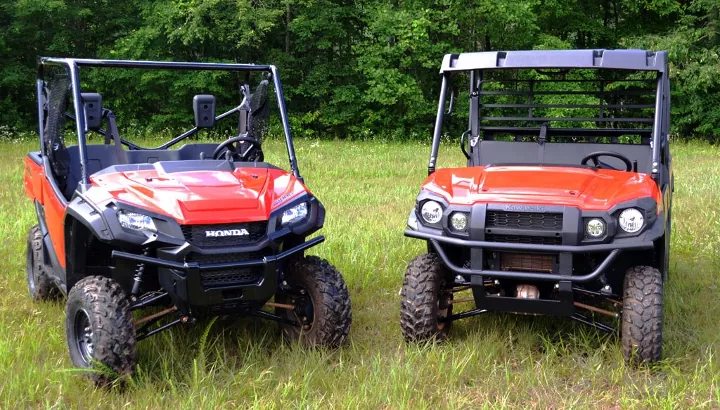
The Short Answer
Q: Which is better as a used UTV, the Kawasaki Mule or the Honda Pioneer?
A: Neither wins every time. A used Kawasaki Mule is usually the better pick if you want a tough, simple, work-first machine for farm, ranch, hunting-property, or job-site duty at a lower price. A used Honda Pioneer is usually the better pick if you want a smoother ride, more modern features, and a vehicle that is as comfortable on weekend trails as it is hauling feed.
Q: Which one is cheaper to buy used?
A: Older Mule models, such as the 3010 and 4010 generations, often cost less than comparable Pioneers. Prices vary a lot by hours, condition, and options.
Q: Which one lasts longer?
A: Both have strong reputations. A well-maintained Mule is known for its durability in harsh work conditions, and Pioneers are known for dependable engines and drivelines.
The rest of this guide explains why, so you can decide with confidence.
Why This Comparison Matters When Buying Used
Buying a used UTV is one of the smartest money moves a landowner, farmer, or outdoor enthusiast can make. A new side-by-side loses a big chunk of its value in the first couple of years, and the people who bought it new have already absorbed that hit. You get a capable machine at a friendlier price.
The catch is that not every used utility vehicle suits every job. A rugged workhorse built for a cattle operation is a different animal from a trail-friendly side-by-side designed for riding all day. The Kawasaki Mule and the Honda Pioneer sit right at the crossroads of that decision. Both are respected, both hold their value, and both turn up often on the used market. That’s why the question comes up so much: Kawasaki Mule vs Honda Pioneer, which used UTV wins?
I’ve seen buyers agonize over this for weeks. Usually, the answer becomes obvious once they get honest about how they’ll actually use the machine. So let’s get into it.
Meet the Contenders
The Kawasaki Mule: The Dependable Workhorse
Kawasaki has been building the Mule since the late 1980s, and it earned its reputation the hard way: in barns, on ranches, and on construction sites where nobody has time to baby their equipment. The Mule’s identity is simple. It’s built to work, and it’s built to keep working.
Popular Used Mule Models
- Mule 3010 and 4010 Trans4x4: Classic, simple, and plentiful on the used market. Many are gas-powered, and some diesel versions exist.
- Mule 600 and 610: Compact, nimble, and budget-friendly.
- Mule SX: A smaller, lighter option for light-duty chores.
- Mule PRO-FX, PRO-DX, and PRO-FXT: Newer, more refined, and more powerful, with better comfort and capability.
If you want to browse what’s out there, you can check the current selection of used Kawasaki Mule UTVs for sale, where you’ll find a range of years, models, and price points.
The Honda Pioneer: The Refined All-Rounder
Honda came at the UTV world with its signature approach: smooth engineering, thoughtful ergonomics, and a reputation for reliability. The Pioneer line is broader than most people realize, covering compact two-seaters and larger crew-style models.
Popular Used Pioneer Models
- Pioneer 500: A lighter, narrower machine that’s easy to handle and fits tight trails.
- Pioneer 700 and 700-4: The sweet spot for many buyers, with strong all-around utility and a seating option for up to four.
- Pioneer 1000 and 1000-5: More power, more space, and a much more modern feel.
Head-to-Head Comparison Table
Specs vary by model year and trim, so treat these as general guidelines and always confirm the details on the specific unit you’re considering.
| Feature | Used Kawasaki Mule | Used Honda Pioneer |
|---|---|---|
| Best For | Farm, ranch, job-site work | Mixed work and recreation |
| Engine Character | Torquey, simple, built for low-speed work | Smoother, more refined power delivery |
| Ride Comfort | Firm, basic, utilitarian | Generally softer and more comfortable |
| Cargo Bed | Tough, practical, built for hard use | Practical, often with convenient features |
| Towing | Strong, especially in newer PRO models | Strong, especially in the Pioneer 1000 |
| Seating Options | 2 or 3 seats, crew options in some models | 2, 4, or 5 seats depending on model |
| Cab and Features | Basic to moderate | More modern, more creature comforts |
| Typical Used Price | Often lower on older models | Often slightly higher for comparable years |
| Maintenance | Straightforward, simple to work on | Straightforward, dealer network widely available |
| Resale Value | Strong | Strong |
Power and Performance
How the Kawasaki Mule Delivers Power
The Mule isn’t trying to win a drag race. Its strength is steady, usable torque at low speeds, which is exactly what you want when you’re hauling a loaded bed up a muddy hill or pulling a trailer through a pasture. Older Mules, such as the 3010 and 4010, are famous for the way they just keep going. They’re not fast, but they’re stubborn in the best way.
The newer Mule PRO-FX and PRO-DX models changed the game. They bring more power, better acceleration, and a much more capable chassis, narrowing the gap with the competition while keeping that work-first soul.
How the Honda Pioneer Delivers Power
Honda’s strength is smoothness. The Pioneer 700 has a responsive engine with comfortable power for most chores and trail riding, and the Pioneer 1000 steps up the performance considerably. If you plan to cover ground quickly, tow regularly, or carry multiple passengers, the Pioneer 1000 offers the kind of power buffer that makes a real difference.
Real-World Takeaway
For slow, heavy-duty work, the Mule feels at home. For versatility and a livelier driving experience, the Pioneer generally has the edge.
Hauling, Towing, and Real Work Capability
This is where many used UTV buyers make their decision, so let’s be practical about it.
Cargo Bed Capability
Both machines carry real loads. Mules have long been the benchmark for no-nonsense cargo beds that can take abuse from feed sacks, fence posts, firewood, and tools. Pioneers offer capable beds as well, and many models add thoughtful touches that make loading and unloading easier.
Towing
Towing numbers vary widely by model, so don’t assume. A Mule PRO-FX or a Pioneer 1000 can handle serious trailer work, while smaller, older units are better suited to lighter loads. Always check the manufacturer’s towing and payload ratings for the exact model and year you’re buying, and keep a safety margin.
Best Choice for Work
If your day looks like feeding livestock, hauling materials, and repairing fences, a used Kawasaki Mule will likely feel like a natural fit. If your work includes carrying a crew or switching between chores and recreation, a used Honda Pioneer makes a compelling case.
Comfort, Ride Quality, and Ease of Use
Mule Comfort
Let’s be honest: older Mules aren’t plush. Seats are basic, suspension is tuned for work, and the cabin isn’t going to pamper anyone. For many owners that’s a feature, not a bug. There’s less to break, less to replace, and less to worry about. Newer PRO models have improved things quite a bit, though.
Pioneer Comfort
Here the Pioneer shines. Seating is more comfortable, suspension tends to be softer, and the overall ride feels more modern. If you’re going to spend hours behind the wheel, whether checking property lines, riding trails, or running errands around a big acreage, you’ll notice the difference.
Passenger Capacity
If you regularly carry family, guests, or crew members, Pioneer’s 4- and 5-seat options are hard to ignore. Mule offers crew-style options in some models, but the Pioneer lineup is generally more varied on this front.
Reliability and Maintenance
Why Reliability Matters Even More When You Buy Used
With a new machine, a warranty covers surprises. With a used one, you’re relying on build quality and the previous owner’s care. That makes reliability the most important part of any used UTV decision.
Kawasaki Mule Reliability
Mules have a long track record of surviving tough use. Simpler mechanical designs mean fewer things can go wrong, and parts are widely available. Many owners report running them hard for years with routine maintenance and little drama. Common wear items to watch include belts, bushings, and suspension components on hardworking units.
Honda Pioneer Reliability
Honda’s reputation for dependable engineering carries into the Pioneer line. Engines and drivelines tend to hold up well when serviced on schedule. As with any machine, higher-hour units deserve a closer look at the CV boots, suspension wear, and drivetrain components.
Maintenance Tips for Either Machine
- Change engine oil and filters on schedule
- Inspect and clean the air filter regularly, especially in dusty conditions
- Check drive belts and CVT components for wear
- Grease fittings and inspect bushings
- Keep tires properly inflated and rotate when appropriate
- Wash off mud and debris to prevent corrosion
Used Prices and Resale Value
What Affects Used UTV Prices
Several factors shape what you’ll pay:
- Model year and generation
- Hours and mileage
- Condition and maintenance history
- Options and accessories (cab, winch, plow, lift kit, roof, windshield)
- Diesel vs. gas
- Regional demand
Mule Pricing
Older Mule models such as the 3010 and 4010 often provide excellent value, especially if you only need a dependable work vehicle without fancy features. Newer PRO models cost more but deliver significantly more refinement and capability.
Pioneer Pricing
Pioneers often hold their value well thanks to strong demand, particularly the 700 and 1000 series. You may pay a bit more for a comparable year, but you also get a more modern ride and more flexible seating.
Smart Buying Tip
Don’t chase the lowest sticker price. A slightly more expensive machine with better service records and fewer hours often costs less over time than a cheap one that needs immediate repairs. You can compare options across makes and models in the full used utility vehicles shop to get a feel for real-world pricing.
What to Inspect Before You Buy
A good inspection can save you thousands. Whether you’re looking at a Mule or a Pioneer, run through this checklist.
Mechanical Checks
Engine and Drivetrain
- Cold start the engine and listen for unusual noises
- Check for oil leaks, coolant leaks, or smoke
- Test 2WD, 4WD, and differential lock engagement
- Make sure the transmission shifts smoothly
Suspension and Steering
- Look for worn bushings, bent components, or sagging springs
- Check for excessive play in the steering
- Inspect CV boots for tears or leaks
Body and Frame Checks
Frame and Bed
- Look for cracks, rust, or weld repairs
- Test the dump bed (on models with one) for smooth operation
- Inspect for signs of heavy overloading
Electrical and Accessories
- Verify lights, gauges, horn, and switches
- Test the winch, plow mount, or any added accessories
- Check the battery condition and charging system
Paperwork and History
- Ask for service records
- Confirm the VIN matches the title
- Ask how the machine was used (farm, ranch, rental, recreation)
- Clarify whether there were any accidents or major repairs
If you’re not confident inspecting a machine yourself, bring a mechanic or buy from a seller who stands behind what they sell.
Which One Should You Buy?
Here’s the part everyone wants. It comes down to how you’ll actually use the machine.
Choose a Used Kawasaki Mule If:
- Your priority is durability and simplicity
- You’ll use it mostly for farm, ranch, or property work
- You want a lower purchase price on an older generation
- You don’t mind a firmer, more utilitarian ride
- You like machines that are easy to understand and repair
Ready to shop? Browse used Kawasaki Mule UTVs for sale and find a proven workhorse that fits your budget.
Choose a Used Honda Pioneer If:
- You want comfort and a smoother ride
- You’ll split time between work and recreation
- You need more seating options for family or crew
- You value modern features and refinement
- You’re comfortable paying a little more for polish
Not sure yet? Explore the complete used utility vehicles inventory and compare machines side by side.
The Honest Verdict
If forced to pick a single winner, I’d say the Mule wins for pure work value, and the Pioneer wins for all-around versatility. There’s no wrong answer, only a better fit for your life. A farmer with 200 acres of fence line and a rancher hauling feed daily will probably love a Mule. A landowner who wants to work in the morning and trail ride with the kids in the afternoon will probably love a Pioneer.
Frequently Asked Questions
Is the Kawasaki Mule better than the Honda Pioneer?
It depends on your needs. The Mule excels in rugged, work-focused use, while the Pioneer is often more comfortable and versatile. Neither is universally better.
Which used UTV is more reliable, Mule or Pioneer?
Both have strong reputations. Reliability depends more on maintenance history, operating hours, and how hard the machine was used than on the badge itself.
How many hours is too many on a used UTV?
There’s no single magic number. A well-maintained machine with higher hours can be a better buy than a neglected one with fewer. Prioritize service records and a thorough inspection over hours alone.
Are used Kawasaki Mules cheaper than used Honda Pioneers?
Often, yes, especially for older models like the Mule 3010 and 4010. Pricing varies by year, hours, condition, and options, so compare several listings.
Can I use a used Honda Pioneer for farm work?
Absolutely. Pioneers handle everyday farm chores well, though ultra-heavy-duty use may favor a Mule or a newer, higher-capacity model.
Which has better towing capacity?
It varies by model. Newer machines like the Mule PRO-FX and Pioneer 1000 offer stronger towing capability than older or smaller units. Always check the rating for the exact year and trim.
Is a diesel Mule worth it?
Diesel Mules can offer excellent torque and fuel efficiency for heavy work. They may cost more upfront and require specific maintenance, so weigh that against how much you’ll use the machine.
What’s the best used UTV for a small farm?
For many small farms, a used Mule offers a great mix of simplicity and value. If you also want comfort and passenger capacity, a used Pioneer 700 is a strong alternative.
Where can I find quality used UTVs for sale?
You can browse a wide selection of used side-by-sides and work vehicles through the used utility vehicles shop, including a dedicated section for Kawasaki Mule models.
Should I buy a used UTV from a dealer or a private seller?
Dealers often provide inspections, paperwork support, and more transparency. Private sellers may offer lower prices but come with more risk. Whichever you choose, inspect the machine and verify the title.
Final Thoughts
The Kawasaki Mule vs Honda Pioneer debate doesn’t have a single, universal winner, and anyone who tells you otherwise is probably selling something. What matters is the match between the machine and your life.
If your days revolve around hard work, simplicity, and value, a used Kawasaki Mule is tough to beat. If you want comfort, flexibility, and a more modern driving experience, a used Honda Pioneer is an excellent choice.
Either way, buying used lets you get a capable, proven machine without paying the new-vehicle premium. Take your time, inspect carefully, and buy from a seller you trust.
Ready to Find Your Next UTV?
- 👉 Shop used Kawasaki Mule UTVs for sale and find a rugged workhorse built to last.
- 👉 Browse the full used utility vehicles collection to compare Mules, Pioneers, and more in one place.
Have questions or need help choosing? Reach out to the team, and they’ll point you toward the right machine for your needs and budget.