
How to Inspect a Used Kawasaki Mule Before Buying .Here’s a story that plays out more often than it should. Someone finds a clean-looking used Kawasaki Mule at a great price, hands over the cash, and drives it home grinning. Two weeks later the belt is shredded, the 4WD won’t engage, and the “great deal” turns into a $1,500 repair bill.
Kawasaki Mules have earned their reputation as some of the toughest work vehicles around. Farmers, ranchers, hunters, groundskeepers, and property owners have relied on them for decades. But even a tough machine can be abused, neglected, or flooded in a creek. Knowing how to inspect a used Kawasaki Mule is what separates a ten-year workhorse from a money pit.
This guide walks you through everything, from the first phone call to the final test drive, in plain language. Print it, save it to your phone, or bring it with you when you go looking at used Kawasaki Mule for sale listings.How to Inspect a Used Kawasaki Mule Before Buying
Table of Contents
- Quick Answer: How Do You Inspect a Used Kawasaki Mule?
- Why a Proper Inspection Matters
- Do Your Homework Before You Go
- The Walkaround: Frame, Body, Tires, and Bed
- Engine and Drivetrain Inspection
- Checking the CVT Belt and Transmission
- Testing 4WD, Differential Lock, and Axles
- Steering, Suspension, and Brakes
- Electrical System and Gauges
- The Test Drive
- Paperwork and Service History
- Red Flags Table
- Buy From a Dealer or a Private Seller?
- Final Thoughts
- FAQs
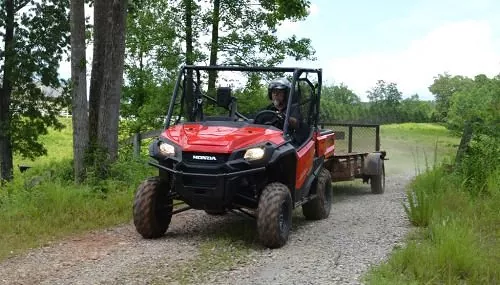
Quick Answer: How to Inspect a Used Kawasaki Mule Before Buying
Inspecting a Used Kawasaki Mule
Q: What’s the fastest way to inspect a used Kawasaki Mule?
A: Check six areas in order: (1) the frame and body for cracks, rust, and weld repairs; (2) the engine for a clean cold start, no smoke, and no leaks; (3) the CVT belt and transmission for smooth engagement; (4) 4WD and differential lock operation; (5) steering, suspension, and brakes; and (6) the hour meter, VIN, and service records. Always test drive it under load and ask for a bill of sale or title.How to Inspect a Used Kawasaki Mule Before Buying
Q: What are the biggest red flags?
A: Blue or white exhaust smoke, a burnt-smelling or glazed belt, grinding from the axles, a leaking differential, a mismatched or missing VIN, and signs of water damage such as milky oil or rusted electrical connectors.How to Inspect a Used Kawasaki Mule Before Buying
Q: How long does a thorough inspection take?
A: Plan on 45 to 60 minutes. Rushing is how problems get missed.
Why a Proper Inspection Matters
Used utility vehicles don’t come with a lemon law, and many private sales are strictly “as is.” Once you drive away, every problem is yours.
A used Kawasaki Mule can last a very long time. Plenty of machines are still working after 3,000 or 4,000 hours. Those machines were usually serviced on schedule and weren’t abused. A Mule used to haul feed once a week on flat ground is a very different animal from one used to pull stumps and plow through mud every day.How to Inspect a Used Kawasaki Mule Before Buying
The inspection tells you which one you’re looking at. It also gives you something valuable: negotiating leverage. If you find a worn belt, tired tires, or a leaking seal, those become bargaining chips instead of surprises.
Do Your Homework Before You Go
The inspection starts before you ever see the machine.
Know the Model You’re Looking At
Kawasaki has built the Mule in several generations and configurations over the years, including the compact Mule 600 and 610, the mid-size Mule 3010 and 4010, and the newer PRO-FX, PRO-DX, and PRO-FXT lines. They differ in engine type (gas or diesel), seating (two, three, or six seats), bed size, and drive system.How to Inspect a Used Kawasaki Mule Before Buying
Before you go, look up the specific model’s known quirks, common maintenance items, and original specs. Knowing what’s normal for that model makes it much easier to notice what isn’t. If you’re still comparing options, browsing a range of Kawasaki Mule UTV for sale listings is a quick way to see how different models and trims are typically priced and equipped.How to Inspect a Used Kawasaki Mule Before Buying
Ask the Seller These Questions First
A five-minute phone call can save you a two-hour drive. Ask:
- How many hours are on the machine?
- Is it gas or diesel, 2WD or 4WD?
- When was the last oil change, belt replacement, and coolant service?
- Has it ever been submerged, flipped, or in an accident?
- Why are you selling it?
- Does it have a clear title or bill of sale?
- Can I start it cold?
That last one matters more than most buyers realize. If a seller “warms it up” before you arrive, they may be hiding a hard-start problem or startup smoke.
Bring the Right Tools
Pack a flashlight, a rag or paper towels, a small magnet (for finding body filler), a tire pressure gauge, a mechanic’s creeper or cardboard, nitrile gloves, and your phone for photos. If you can bring a mechanically inclined friend, even better.How to Inspect a Used Kawasaki Mule Before Buying
The Walkaround: Frame, Body, Tires, and Bed
Start with a slow lap around the machine while the engine is off. Don’t touch the key yet.
Inspect the Frame and Roll Cage
Get down low with your flashlight and look at the frame rails, crossmembers, and suspension mounting points. You’re looking for:
- Cracks, especially around welds
- Fresh paint or undercoating in only one area (often hiding a repair)
- Bent or kinked tubing
- Heavy rust that flakes or has eaten through the metal
- Uneven gaps between body panels
Surface rust is normal on a working vehicle. Structural rust or a bent frame is not. Check the ROPS (roll cage) carefully too. Any bends, cuts, or poor welds there are a serious safety concern.How to Inspect a Used Kawasaki Mule Before Buying
Check the Body and Panels
Look for cracked plastic, missing fasteners, and mismatched colors. Mismatched panels often mean a past tip-over or collision. Run your magnet along steel panels. If it doesn’t stick in a spot, there may be body filler underneath.How to Inspect a Used Kawasaki Mule Before Buying
Examine the Tires and Wheels
Tires tell you a surprising amount about how a Mule was treated. Check:
- Tread depth across all four tires
- Uneven wear (a sign of alignment or suspension issues)
- Sidewall cracks or dry rot
- Bent rims or dented wheel edges
- Whether all four tires match in size and brand
A mismatched set on a 4WD model can stress the drivetrain over time. Fresh, quality tires are a plus, but also a reason to ask why the seller invested in them.How to Inspect a Used Kawasaki Mule Before Buying
Test the Dump Bed
Most Mules have a hydraulic or manual dump bed. Raise it fully, lower it, and watch for:
- Smooth movement with no jerking
- Hydraulic fluid leaks (if applicable)
- A bed latch that locks securely
- Cracks, dents, or heavy corrosion in the bed floor
- A bed that sits level and straight when closed
A bed that’s been overloaded for years often shows sagging or stress cracks near the hinge points.How to Inspect a Used Kawasaki Mule Before Buying
Engine and Drivetrain Inspection
This is where the big money lives. Take your time here.
Insist on a Cold Start
Put your hand on the hood or engine cover. It should be cool. If it’s warm, the seller ran it before you arrived. Ask to come back later or accept that you’re getting less information.How to Inspect a Used Kawasaki Mule Before Buying
A healthy engine should:
- Start within a few seconds
- Settle into a steady idle
- Run without ticking, knocking, or rattling
- Produce little to no smoke after the first few seconds
Read the Exhaust Smoke
Blue Smoke
Blue-gray smoke usually means oil is burning. Causes range from worn valve seals to worn piston rings. Either is an expensive repair.
White Smoke
A little white vapor on a cold morning is normal. Thick, persistent white smoke can point to coolant entering the combustion chamber, which may mean a head gasket problem.How to Inspect a Used Kawasaki Mule Before Buying
Black Smoke
Black smoke means too much fuel or too little air. On a gas model, it could be a dirty air filter or carburetor issue. On a diesel, it may point to injector trouble.How to Inspect a Used Kawasaki Mule Before Buying
Check Fluids
Pull the dipstick. Oil should be amber to dark brown, not milky (water contamination) or gritty. Look at the coolant. It shouldn’t be rusty, oily, or sludgy. Check the brake fluid and hydraulic fluid levels too.How to Inspect a Used Kawasaki Mule Before Buying
Look for Leaks
Shine your light under the machine and around the engine, transmission, differential, and axle seals. Fresh drips are obvious. Old, dirt-caked residue tells you a seal has been weeping for a while.How to Inspect a Used Kawasaki Mule Before Buying
Inspect the Air Filter and Intake
Open the air box. A clogged or oily filter, or dust inside the intake tube, suggests poor maintenance. Dust that gets past a filter is a quiet engine killer.
Check the Hour Meter
Compare the hours to the overall condition. A machine showing 400 hours but with a worn seat, scuffed pedals, and a trashed bed deserves skepticism. Hour meters can fail or be tampered with, so cross-check the reading against service records and general wear.How to Inspect a Used Kawasaki Mule Before Buying
Checking the CVT Belt and Transmission
The continuously variable transmission (CVT) is one of the most common wear points on any side by side or utility vehicle. A neglected CVT can cost a lot to fix.How to Inspect a Used Kawasaki Mule Before Buying
Pull the CVT Cover
If the seller allows it, remove the CVT cover. If they refuse, that’s information in itself. Inside, check for:
- A belt with cracks, glazing, or missing cogs
- Excess belt dust (a sign of slipping)
- Burnt smell
- Worn clutch faces
- Grooves in the sheaves
A belt that looks nearly new at high hours is fine. A belt that looks shredded at low hours suggests hard use or towing beyond the machine’s capacity.How to Inspect a Used Kawasaki Mule Before Buying
Feel the Engagement
When you test drive, pay attention to how it takes off. It should engage smoothly. Shuddering, slipping, or lurching from a stop can point to a worn belt or clutch.How to Inspect a Used Kawasaki Mule Before Buying
Test the Shifter
Cycle through all gears with the engine at idle: forward, reverse, neutral, and park (where equipped). Gear changes should be positive and quiet, with no grinding. A shifter that fights you or pops out of gear is a red flag.How to Inspect a Used Kawasaki Mule Before Buying
Testing 4WD, Differential Lock, and Axles
Many buyers skip this and regret it. Mules are often bought for their 4WD capability, so make sure it works.
Engage and Disengage 4WD
Switch into 4WD and drive slowly in a gentle circle on loose gravel or grass. You should feel the front wheels pull. Any binding, clunking, or failure to engage needs investigation. Then switch back to 2WD and confirm it disengages cleanly.How to Inspect a Used Kawasaki Mule Before Buying
Test the Differential Lock
Engage the diff lock according to the owner’s manual. It should lock and release without sticking. A diff lock that stays engaged can cause tire scrub on pavement and damage over time.
Listen for Axle and CV Joint Problems
Drive in a tight turn at low speed, both left and right. Clicking or popping means worn CV joints. Check the CV boots for tears or grease slung around the wheel well. A torn boot is cheap to fix if caught early and expensive if ignored.How to Inspect a Used Kawasaki Mule Before Buying
Inspect U-Joints and Driveshafts
Grab the driveshaft and try to wiggle it. Any play or clunking at the joints points to wear. Also look for missing grease fittings or dried-out joints.
Steering, Suspension, and Brakes
Steering
Turn the wheel lock to lock with the engine running. It should feel smooth, with no tight spots. Excessive play at the wheel, or a vehicle that wanders on a straight path, may indicate worn tie rods, ball joints, or steering rack components.
Suspension
Push down hard on each corner and release. It should rebound once and settle. Repeated bouncing means worn shocks. Check bushings for cracks, and look for oil weeping from shock bodies. Uneven ride height can suggest a broken spring or sagging components.
Brakes
Test the brakes in a safe spot. They should stop the machine straight, without pulling, grabbing, or a spongy pedal. Look at the rotors for deep grooves or heavy rust. Also check the parking brake, since many sellers forget it exists until it fails an inspection.
Electrical System and Gauges
Electrical gremlins are annoying and sometimes tricky to chase down, so test everything.
- Lights: headlights, brake lights, turn signals if equipped
- Gauges: fuel level, temperature, hour meter, warning lights
- Horn, wipers, and accessories such as a winch or radio
- Battery: check for corrosion, a swollen case, or a date code more than a few years old
- Wiring: look for taped splices, loose connectors, or aftermarket wiring done poorly
Aftermarket accessories such as light bars, winches, and sound systems are fine when installed properly. Sloppy wiring is a fire risk and often signals other shortcuts.
Look for Water Damage
Rusted connectors, silt in low spots, a waterline stain inside the cab area, or musty seats all hint at flood or deep-water exposure. Water damage often shows up later as electrical failures and bearing wear.
The Test Drive
Never buy a used utility vehicle without driving it. Ideally, you want to do all of the following:
- Drive on varied terrain. Pavement, gravel, and a gentle hill if possible.
- Accelerate and brake several times. Watch for hesitation, surging, or fade.
- Climb a slope. This exposes weak belts, tired engines, and slipping clutches.
- Carry a load, if you can. Even a few hundred pounds in the bed will reveal suspension and drivetrain problems.
- Listen carefully. Whining, grinding, clunking, or squealing are all clues.
- Check temperature. After 15 to 20 minutes, the temp gauge should stay steady, with no overheating or boil-over.
After the drive, shut it off and check underneath again for fresh leaks. Then restart it hot. Hot restarts sometimes reveal starter or fuel issues that a cold start hides.
Paperwork and Service History
A well-maintained Mule usually comes with a paper trail. Ask for:
- Title or bill of sale (rules vary by state or province)
- VIN match: compare the stamped frame VIN to the paperwork
- Maintenance records
- Receipts for major repairs or upgrades
- Owner’s manual and spare key
If the VIN is missing, scratched, or mismatched, walk away. No deal is worth the risk of buying a machine you can’t legally register or resell.
Red Flags Table
| Problem | What It Might Mean | Severity |
|---|---|---|
| Milky engine oil | Coolant leak, possible head gasket issue | High |
| Persistent blue smoke | Burning oil, worn rings or seals | High |
| Cracked or welded frame | Past accident or overload | High |
| Glazed or burnt belt | Slipping CVT, hard use | Medium |
| Clicking in turns | Worn CV joints | Medium |
| Fresh fluid leaks | Failing seals or gaskets | Medium |
| Spongy brakes | Air in lines, worn pads, leaks | Medium |
| Mismatched tires | Poor maintenance, drivetrain stress | Low–Medium |
| Faded or cracked plastics | Age or sun exposure | Low |
| Missing owner’s manual | Minor inconvenience | Low |
Use this as a negotiating tool. High-severity items are usually deal-breakers. Medium and low items are bargaining chips.
Buy From a Dealer or a Private Seller?
Both can work, but they come with different trade-offs.
Private sellers may offer lower prices, but you’re on your own for inspection, paperwork, transport, and any surprise problems. Sales are almost always final.
Dealers specializing in used equipment typically inspect, service, and photograph machines before listing them. You’ll often get clearer details, easier financing or shipping options, and someone to call if you have questions. If you want to compare machines in one place, you can browse the wider used utility vehicles shop and filter by brand, type, and price range before you commit to a trip.
Whichever route you take, the inspection steps above still apply. Even a reputable dealer won’t mind a buyer who asks smart questions.
Final Thoughts: Buy Smart, Work Hard
A used Kawasaki Mule can be one of the best value purchases you ever make. These machines were built to work, and the good ones keep working for years. The trick is separating the well-cared-for ones from the tired ones.
To recap, a good inspection means:
- Researching the model and asking questions before you travel
- Doing a careful walkaround of frame, body, tires, and bed
- Insisting on a cold start and reading the exhaust
- Checking the CVT belt, transmission, 4WD, and diff lock
- Testing steering, suspension, brakes, and electrical
- Test driving under realistic conditions
- Verifying the VIN, title, and service history
Take your time, trust your gut, and don’t be afraid to walk away. There’s always another machine.
Ready to Find Your Next Mule?
Skip the guesswork. Browse the current selection of used Kawasaki Mule UTVs for sale and find the right model for your farm, ranch, hunting camp, or job site. Want to see more than Mules? Explore the full used utility vehicle inventory and compare your options today. Have a question about a specific machine? Reach out to the team and get answers before you buy.
Frequently Asked Questions (FAQs)
How many hours is too many on a used Kawasaki Mule?
There’s no single cutoff. A well-maintained Mule can run well past 2,000 hours, while a neglected one can struggle at 500. Focus on condition, maintenance history, and how it runs rather than the number alone.
What are the most common problems with used Kawasaki Mules?
The most common issues include worn CVT belts, torn CV boots, leaking axle or differential seals, worn suspension bushings, and electrical problems from corroded connectors. Most are manageable when caught early.
Is a gas or diesel Kawasaki Mule better?
It depends on your use. Diesel models are often chosen for torque and fuel economy under heavy work. Gas models tend to be quieter, lighter, and easier to service for casual use. Inspect either type carefully for smoke, leaks, and hard starting.
Should I pay for a professional inspection?
If you’re spending a significant amount or buying sight unseen, a mechanic’s inspection is cheap insurance. It’s especially worthwhile if you’re not confident checking engines and drivetrains yourself.
How much should I negotiate off the asking price?
Use your findings. Document worn tires, belt wear, leaks, or missing items, and get repair estimates if possible. A fair, fact-based offer is much more likely to succeed than a random lowball.
Can I check a used Kawasaki Mule’s VIN history?
Unlike cars, UTVs don’t have a universal history report. Instead, verify that the frame VIN matches the title or bill of sale, ask for service records, and check with local registration authorities where applicable.
What documents do I need to buy a used UTV?
Typically a signed title or bill of sale, plus your ID. Requirements vary by state or province, so check your local registration rules before paying.
Where can I find reliable used Kawasaki Mules for sale?
Look for sellers who provide clear photos, honest descriptions, hour readings, and responsive support. You can start with this selection of used Kawasaki Mule UTVs for sale and compare models side by side.