Polaris Ranger Model Years Explained
Table of Contents
- Quick Answer: Polaris Ranger Model Years at a Glance
- Why Polaris Ranger Model Years Matter
- Polaris Ranger Generations Compared (Table)
- 1998–2003: The Early Rangers
- 2004–2009: The Ranger Grows Up
- 2010–2014: The Ranger XP Era
- 2015–2017: The 570 and 900 Years
- 2018–2020: The Ranger 1000 Arrives
- 2021–Today: Ride Command, XD 1500 and Beyond
- Ranger Trims Explained
- Best Polaris Ranger Years to Buy
- How to Find the Model Year on a Used Ranger
- Used Polaris Ranger Inspection Checklist
- Where to Find a Used Polaris Ranger for Sale
- Frequently Asked Questions
- Final Thoughts
Quick Answer: Polaris Ranger Model Years Explained
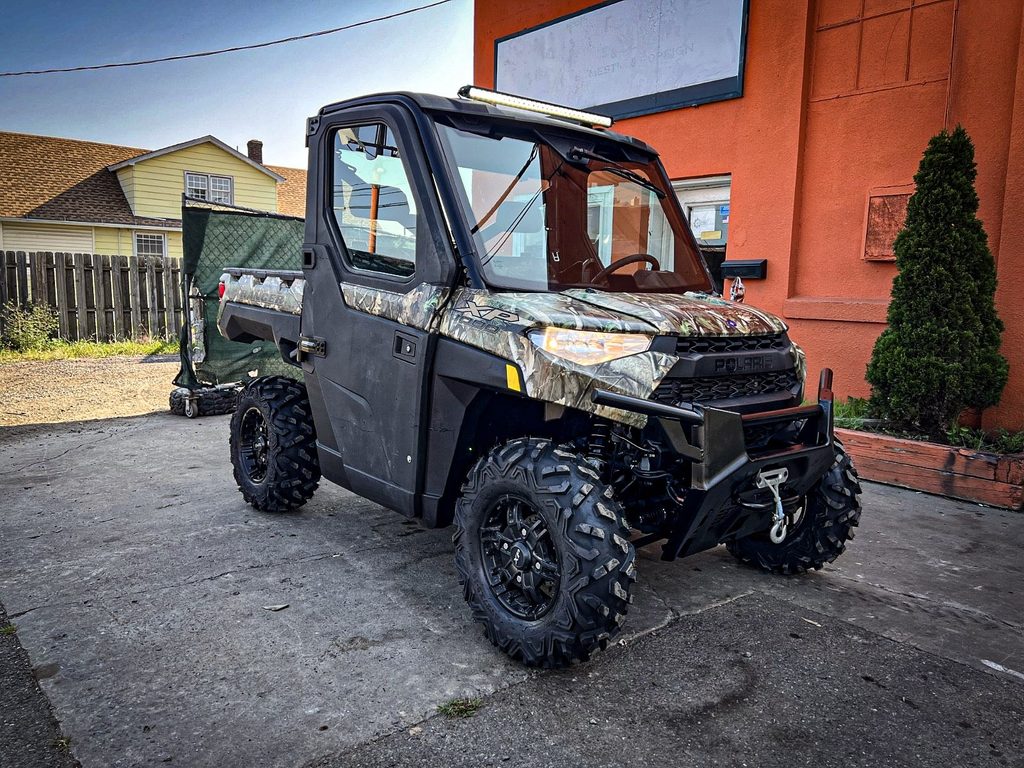
What are the Polaris Ranger model years? The Polaris Ranger has been built since the late 1990s and has gone through roughly six major eras: the early utility Rangers (1998–2003), the growth years (2004–2009), the Ranger XP era (2010–2014), the 570 and 900 years (2015–2017), the Ranger 1000 generation (2018–2020), and the modern Ride Command and XD 1500 years (2021 to today).
Which Polaris Ranger years are best? For most used buyers, the 2015–2017 Ranger 570 and 900 XP models offer the best balance of price and reliability, while 2018 and newer Ranger XP 1000 models give you more power, comfort and technology.
How do I tell what year my Ranger is? Check the 17-character VIN on the frame. The tenth character is the model year code, which we explain step by step later in this guide.
Why Polaris Ranger Model Years Matter
If you are shopping for a used Polaris Ranger, the model year is more than a number on a listing. It tells you which engine is under the hood, how much the machine can tow, what kind of suspension it runs, and whether parts will be easy to find five years from now.
Two Rangers can look nearly identical in photos and still be very different machines. A 2012 Ranger XP 800 and a 2019 Ranger XP 1000 share a name and a general shape, but the newer machine has more horsepower, a stronger frame, better seat comfort and far better electronics. Knowing the Polaris Ranger model years helps you avoid overpaying for an older model and helps you spot a genuinely good deal on a newer one.
Model years also affect:
- Resale value: Newer generations hold their value better, while older ones depreciate more slowly once they hit the “work truck” price range.
- Parts and service: Popular years such as the Ranger 570 and Ranger XP 900 have a big aftermarket and plenty of used parts.
- Features: Power steering, electronic fuel injection, a dump bed, a roof, and a touchscreen all arrived at different times.
- Insurance and financing: Some lenders and insurers rate machines by age.
If you want to see what is available right now, you can browse our current used Polaris Ranger UTV for sale inventory and compare years side by side as you read.
Polaris Ranger Generations Compared
Here is a simple overview of the main Polaris Ranger generations. Exact specs vary by trim and by year, so always confirm details with the seller or the VIN before you buy.
| Era | Typical Model Years | Common Models | Main Selling Point |
|---|---|---|---|
| Early Ranger | 1998–2003 | Ranger 6×6, Ranger 2×4 and 4×4 | Basic, tough farm and ranch work |
| Growth years | 2004–2009 | Ranger 500, 700 XP, Crew | More power, more seating |
| XP era | 2010–2014 | Ranger XP 800, Crew 800, Diesel, EV | Strong engines, wider lineup |
| 570 and 900 years | 2015–2017 | Ranger 570, XP 900, Crew 570 | Value and modern comfort |
| Ranger 1000 | 2018–2020 | Ranger XP 1000, NorthStar, Crew XP 1000 | Big power and premium trims |
| Modern Ranger | 2021–present | XP 1000, XD 1500, Ranger 1500 | Ride Command, towing, tech |
1998–2003: The Early Rangers
The first Polaris Rangers were simple utility vehicles built for farm work, hunting trips and property maintenance. The early Ranger lineup included two-wheel-drive and four-wheel-drive versions, and the six-wheel model became popular with ranchers who needed to haul heavy loads over rough ground.
What to Expect from the Early Years
These machines are carbureted and basic. There is no fancy infotainment, and comfort is minimal. For a buyer who simply needs a cheap farm hauler, that simplicity can be a plus. For anyone who wants smooth power steering, a quiet cabin and modern safety features, it is a drawback.
Who Should Buy One?
Only buy an early Ranger if you are comfortable doing your own maintenance and you are paying a low price. Parts are still available, but the condition of each individual machine matters far more than the year.
2004–2009: The Ranger Grows Up
This era is when the Polaris Ranger started to feel like a real all-purpose machine. Larger engines arrived, the Ranger XP name appeared on the more powerful models, and the Crew version added a second row of seats for work crews and families.
Key Changes
- More powerful twin-cylinder engines
- Improved suspension travel for rougher trails
- Better cargo box designs
- The first Crew models with four seats
Things to Watch For
Because these machines are now well over a decade old, check belts, bushings, wheel bearings and wiring closely. A well-maintained model from this period can still be a great value, but a neglected one can quickly become a project.
2010–2014: The Ranger XP Era
Starting around 2010, the lineup became much broader. The Ranger XP 800 became a favorite for people who wanted real power without stepping up to the biggest models. Polaris also expanded into specialty versions, including diesel and electric Rangers, plus the Crew 800 for larger groups.
Why This Era Matters
The Ranger XP 800 earned a reputation as a tough, capable side-by-side for farm, hunting and ranch use. Electronic fuel injection made starts easier and fuel delivery more consistent than the older carbureted machines.
The Ranger XP 900 Debut
Towards the end of this period, the Ranger XP 900 appeared with a stronger engine and a more refined ride. If you find a clean early XP 900 at a fair price, it is often a smart middle-ground purchase.
Looking for something in this range? Check our full selection of Polaris Ranger models for sale to see which years are in stock today.
2015–2017: The 570 and 900 Years
Many used buyers consider this the sweet spot. The Ranger 570 was introduced as a more affordable, easier-to-handle option, while the Ranger XP 900 continued to serve buyers who wanted more power.
Ranger 570: The Value Pick
The Ranger 570 became popular with landowners, hunters and families because it is lighter, easier on the budget and simple to maintain. It is not the fastest machine, but it is dependable for everyday jobs such as feeding livestock, hauling firewood and checking fences.
Ranger XP 900: The Balanced Pick
The XP 900 offers more power, better towing and a smoother ride. For buyers who plan to use their Ranger for both work and play, this is often the most popular choice in this era.
Why These Years Are Popular on the Used Market
They are new enough to have modern comfort and fuel injection, but old enough that prices have dropped to a reasonable level. Parts and accessories are also easy to find.
2018–2020: The Ranger 1000 Arrives
In 2018, Polaris stepped up the lineup with the Ranger XP 1000. This model brought a larger engine, a more comfortable cabin and several premium trims.
What Changed
- A bigger, more powerful engine
- Improved ride quality and suspension
- Upgraded seating and interior materials
- Premium trims such as NorthStar, with extras like a heated cab
Who Should Buy These Years?
If you want strong power, a comfortable ride and modern styling without paying brand-new prices, a 2018–2020 Ranger XP 1000 is a strong candidate. Compare trim levels carefully, because the difference between a base model and a fully loaded premium version can be substantial.
2021–Today: Ride Command, XD 1500 and Beyond
Recent model years focus on technology and heavy-duty capability. Ride Command, a touchscreen system with GPS-style mapping and vehicle information, became available on higher trims. Polaris also introduced the larger Ranger XD 1500, built for serious towing and hauling.
What Makes the Newest Rangers Different
- Larger touchscreen and connectivity options
- Improved cab comfort and noise control
- Higher towing and payload ratings on the biggest models
- Updated styling and safety features
Is Newer Always Better?
Not necessarily. If you only use your Ranger a few times a month, a well-kept older model can do the job at a much lower price. Newer machines make the most sense for heavy daily use or if you value comfort and technology.
Ranger Trims Explained
Model year is only half the story. The trim level changes the price and features just as much.
Base and Sport Models
These are the most affordable and the most common on the used market. They usually offer the essentials without luxury extras.
Premium and NorthStar
These trims add features such as upgraded seats, enclosed cabs, climate control and electronics. They cost more, but they are also more comfortable in cold or wet weather.
Crew Models
Crew versions seat four to six people, which makes them ideal for work crews, hunting groups and families. They are longer and heavier, so check the cargo box and suspension for wear.
Diesel and Electric
Diesel Rangers appeal to buyers who value fuel economy and torque. Electric versions suit quiet work around barns, golf courses or large properties. Both are less common, which can make them harder to find and harder to resell.
Not sure which trim fits your needs? Our team can help you narrow it down. Contact us or browse our shop to see everything we have available.
Best Polaris Ranger Years to Buy
The “best” year depends on your budget and your use case. Here is a practical way to think about it.
Best Budget Pick
A 2015–2017 Ranger 570 is hard to beat for price, simplicity and parts availability.
Best All-Around Pick
A 2015–2017 Ranger XP 900 gives you more power and a smoother ride while staying affordable.
Best for Power and Comfort
A 2018–2020 Ranger XP 1000 offers strong performance and modern features at a price below new.
Best for Heavy Work
A newer Ranger XD 1500 or a clean full-size XP 1000 is the right choice for towing, hauling and long working days.
Years to Be Careful With
Very old models and machines with unclear maintenance history deserve extra caution. A cheap price can hide expensive repairs, so always inspect before you buy.
How to Find the Model Year on a Used Ranger
The most reliable way to confirm a Polaris Ranger model year is the VIN.
Step 1: Locate the VIN
The 17-character VIN is stamped on the frame and printed on a sticker. Common locations include the frame near the front passenger side or under the seat area.
Step 2: Read the Tenth Character
The tenth character is the model year code. For example, in the modern 30-year cycle, F means 2015, G means 2016, H means 2017, J means 2018, K means 2019, L means 2020, M means 2021, N means 2022, P means 2023, R means 2024 and S means 2025. Older machines use the earlier cycle, so confirm the sequence before you rely on the letter alone.
Step 3: Match the VIN to the Paperwork
Compare the VIN with the title, bill of sale and any service records. If anything does not match, walk away or ask more questions.
A Quick Note on Model Year vs. Build Date
Sometimes a machine is built in one calendar year and sold as the next model year. Do not worry about this too much. Use the VIN and the registration documents as your guide.
Used Polaris Ranger Inspection Checklist
Once you have narrowed down the right year, inspect the machine in person or ask for detailed photos and videos.
Engine and Drivetrain
- Listen for knocking, ticking or unusual noises at idle
- Check for smoke on startup
- Test four-wheel drive and differential engagement
- Look for leaks around the engine, gearbox and axles
Belt and Clutch
- Inspect the drive belt for cracks or glazing
- Ask when the belt was last replaced
- Check clutch operation for smooth engagement
Suspension and Steering
- Look for worn bushings and bent arms
- Check for play in the steering
- Bounce each corner to test the shocks
Frame, Bed and Body
- Look for rust, cracks and bent mounts
- Test the dump bed and tailgate
- Check seats, panels and the roof for damage
Electrical and Electronics
- Test lights, gauges, horn and winch
- Check the battery and charging system
- On newer models, test the touchscreen and connectivity
Hours and Maintenance
Hours matter as much as the model year. A low-hour older machine can be a better buy than a high-hour newer one. Ask for service records and be wary of sellers who cannot provide any.
Where to Find a Used Polaris Ranger for Sale
You can find used Rangers at dealerships, online marketplaces and private sales. Dealers and specialist resellers usually offer cleaner machines, clearer documentation and more transparent pricing. Private sellers can offer lower prices, but you carry more risk.
At Used Utility Vehicles, we focus on quality pre-owned UTVs and utility vehicles so you can shop with confidence. Start with our Polaris Ranger UTVs for sale, or explore the wider used utility vehicle shop if you want to compare different brands and models.
Frequently Asked Questions
What years did Polaris make the Ranger?
Polaris has produced the Ranger since the late 1990s and continues to build updated versions today. The lineup has changed many times, with new engines, trims and technology added over the years.
What is the most reliable Polaris Ranger year?
No single year is perfect, but many owners praise the 2015–2017 Ranger 570 and XP 900 for their balance of simplicity and durability. Maintenance history matters more than the year alone.
Which Polaris Ranger year should I avoid?
Rather than avoiding a specific year, avoid machines with no service records, signs of heavy abuse or a title that does not match the VIN. Always do a full inspection first.
What is the difference between Ranger 570, 900 and 1000?
The numbers roughly describe engine size and power. The 570 is the lightweight value option, the 900 is the balanced choice, and the 1000 is the high-power, comfort-focused model.
Is the Polaris Ranger XP 1000 worth buying used?
For many buyers, yes. It offers strong power, a comfortable cabin and plenty of trim options. Just check the belt, suspension and electronics before buying.
How many hours is too many on a used Ranger?
There is no fixed number. Well-maintained machines can last a long time, but anything with very high hours should be priced accordingly and inspected carefully.
How can I tell if a Ranger is a Crew model?
Crew models have a longer wheelbase and a second row of seats. The VIN and model name on the paperwork should also confirm the trim.
Where can I buy a used Polaris Ranger?
You can buy from dealers, private sellers and online resellers. For a trusted selection, visit our used Polaris Ranger inventory.
Final Thoughts
Understanding Polaris Ranger model years takes the guesswork out of buying a used side-by-side. Early machines are simple and cheap, the 2015–2017 years offer great value, the 2018–2020 Ranger 1000 brings serious power, and the newest models add technology and heavy-duty capability. The right choice depends on your budget, how hard you will work the machine, and how much comfort you want.
Ready to find your next Ranger? Browse our Polaris Ranger UTVs for sale, explore the full shop, and reach out to our team if you want help choosing the right year, trim and price. Your next reliable work-and-play machine could be one click away.