
How Many Hours Is Too Many on a Used Polaris Ranger?
Table of Contents
- Quick Answer: How Many Hours Is Too Many?
- Why Hours Matter More Than Miles on a UTV
- Polaris Ranger Hour Ranges Explained
- Hours vs. Maintenance: The Real Deciding Factor
- What to Inspect on a High Hour Polaris Ranger
- How Hours Affect Price
- Hours by Use: Farm, Hunting, Work Site or Trail
- Red Flags That Matter More Than the Hour Meter
- How to Buy a Used Polaris Ranger With Confidence
- Frequently Asked Questions
- Final Thoughts and Next Step
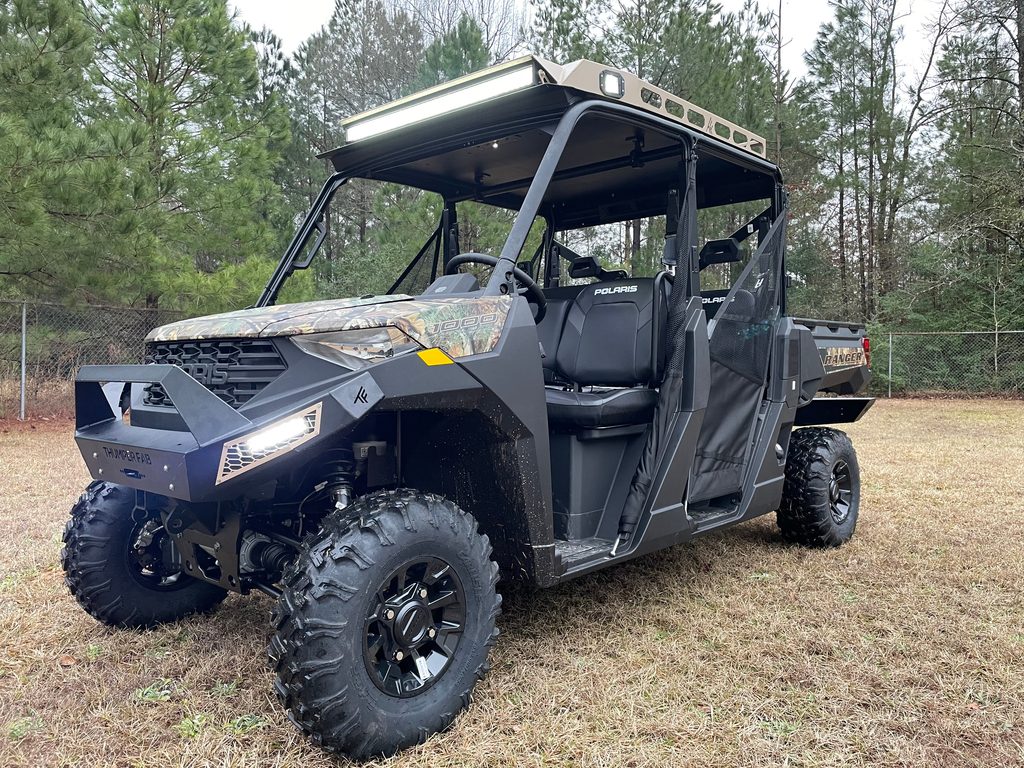
Quick Answer: How Many Hours Is Too Many?
If you want the short version, here it is. For most buyers, a used Polaris Ranger with under 500 hours is considered low use, 500 to 1,000 hours is average and often the sweet spot for value, and 1,000 to 1,500 hours is high but perfectly fine when service records are solid. Once you pass roughly 2,000 hours, you should expect major component wear and negotiate hard.How Many Hours Is Too Many on a Used Polaris Ranger?
But the number on the dash is only half the story. A well-maintained Ranger with 1,400 hours can be a better buy than a neglected one with 400. That’s why this guide walks you through what the hours really mean and how to judge the machine in front of you.How Many Hours Is Too Many on a Used Polaris Ranger?
AI Overview: Quick Questions and Answers
Q: How many hours is too many on a used Polaris Ranger? A: Generally, anything above 1,500 to 2,000 hours is considered high, though maintenance history matters more than the number alone.
Q: Is 1,000 hours a lot for a Polaris Ranger? A: No. 1,000 hours is moderate to high, and a properly serviced Ranger can run well beyond it.
Q: How many miles is one UTV hour? A: It varies with terrain and load, but a rough estimate is 10 to 20 miles per hour of runtime, with a lot of idle and low-speed work mixed in.
Q: What’s a good hour count for a used Polaris Ranger? A: Under 500 hours is excellent, and 500 to 1,000 hours offers the best balance of price and remaining life.
Q: Where can I find a used Polaris Ranger? A: Browse the used Polaris Ranger UTVs for sale inventory to compare hours, models and prices.
Why Hours Matter More Than Miles on a Used UTV
If you’re coming from the truck or car world, you probably think in miles. A utility vehicle is different. A Ranger spends a huge chunk of its life idling at a gate, crawling through a field, pulling a trailer in low range, or sitting running while someone loads the bed. None of that adds much to the odometer, but all of it works the engine, belt and driveline.How Many Hours Is Too Many on a Used Polaris Ranger?
Hours Measure Engine Work, Not Distance
The hour meter tracks how long the engine has actually run. That’s the best measure of wear for oil, filters, the drive belt, bearings and engine internals. Miles tell you how far the machine traveled, but hours tell you how hard it worked.How Many Hours Is Too Many on a Used Polaris Ranger?
A Simple Way to Translate Hours Into Miles
Most owners use a rough rule of thumb: one hour of use is about 10 to 20 miles of typical driving, depending on how much of that time is spent idling or in slow, loaded work. Using that math:
- 500 hours is roughly 5,000 to 10,000 miles
- 1,000 hours is roughly 10,000 to 20,000 miles
- 2,000 hours is roughly 20,000 to 40,000 miles
Treat that as a ballpark, not a guarantee. A Ranger used to feed cattle all day looks very different from a weekend trail machine, even with identical hours.
Polaris Ranger Hour Ranges Explained
Here’s how to read the hour meter when you’re shopping for a used Polaris Ranger.
Under 500 Hours: Low Use
A Ranger in this range is barely broken in. You’ll usually find clean seats, tight suspension and original belts and tires with life left. These machines carry a premium price, and they’re a great choice if you want years of trouble-free ownership. Just don’t assume low hours means good care, because a machine that sat for years can have its own problems like stale fuel, dried seals and rodent damage.How Many Hours Is Too Many on a Used Polaris Ranger?
500 to 1,000 Hours: The Sweet Spot
This is where most smart buyers land. The Ranger has been used enough that the early depreciation hit is gone, yet the major components still have plenty of life. A well-kept Polaris Ranger 570, 900 or XP 1000 in this range often delivers the best value per dollar.
1,000 to 1,500 Hours: High but Workable
Here you start budgeting for wear items: drive belt, CV boots, ball joints, wheel bearings, shocks and possibly clutch components. If the seller has records showing regular oil changes and belt replacements, a Ranger with 1,200 hours can still be a solid workhorse.How Many Hours Is Too Many on a Used Polaris Ranger?
1,500 to 2,000 Hours: Proceed With Caution
At this stage, wear is expected across the machine. Pay close attention to compression, clutch condition, transmission behavior and any leaks. The price should reflect upcoming repairs. A pre-purchase inspection is a must.
Over 2,000 Hours: Know What You’re Buying
Many Rangers pass 2,000 hours and keep working, especially on farms and ranches where they’re serviced on schedule. But at this level you’re buying a tool, not a showpiece. Expect larger repairs and price accordingly. If you want a dependable daily machine with minimal surprises, it’s usually smarter to step down to a lower-hour unit.How Many Hours Is Too Many on a Used Polaris Ranger?
Hours vs. Maintenance: The Real Deciding Factor
Ask ten Ranger owners what matters most and nine will say maintenance. Hours tell you how much the machine has been used. Maintenance tells you how it was treated while it was being used.
Service Records Beat a Low Number
A seller who can show receipts for oil changes, air filter cleaning, coolant service, differential fluid changes and belt replacement has handed you the best possible evidence. Polaris publishes service intervals in the owner’s manual, and a machine that followed them will outlast one that didn’t by a wide margin.How Many Hours Is Too Many on a Used Polaris Ranger?
Typical Maintenance Items to Ask About
Engine Oil and Filter
Oil changes are the cheapest insurance on any Ranger. Ask how often the oil was changed and what type was used. Regular changes are the single biggest predictor of engine life.
Air Filter and Intake
Rangers working in dust, dirt and hay fields choke their air filters quickly. A neglected filter lets fine dust into the engine, which shows up later as low compression and oil consumption.
Drive Belt and Clutches
The CVT belt is a wear item. If it’s been replaced on schedule and the clutches are clean, that’s a good sign. A glazed, burned or frayed belt suggests hard use or neglect.
Coolant and Cooling System
Check for clean coolant, a healthy radiator and no signs of overheating. Overheating history is one of the most expensive problems to inherit.
Differential and Transmission Fluids
Front and rear differentials and the transmission need fluid service too. Dark or milky fluid is a warning.How Many Hours Is Too Many on a Used Polaris Ranger?
What to Inspect on a High Hour Polaris Ranger
When the meter climbs, your inspection should get more thorough. Here’s a practical walk-around checklist.
Cold Start and Engine Behavior
Always start the machine cold. Listen for ticking, knocking or rough idle. Watch for excessive smoke and check that it settles into a smooth idle quickly. A machine that’s been warmed up before you arrive may be hiding a starting problem.How Many Hours Is Too Many on a Used Polaris Ranger?
Drivetrain and Transmission
Shift through every gear. Look for hard shifts, grinding, slipping or delayed engagement. Test two-wheel drive, four-wheel drive and differential lock. Listen for whining or clunking from the front and rear differentials.
Suspension, Steering and Frame
Bounce each corner and look for weak shocks. Grab each wheel and check for play in the ball joints, tie rods and wheel bearings. Inspect the frame and roll cage for cracks, bends or fresh welds, which can signal a rollover or heavy abuse.How Many Hours Is Too Many on a Used Polaris Ranger?
Electrical and Dash
Check lights, gauges, the power steering warning light, winch wiring and any aftermarket accessories. Sloppy wiring and cheap add-ons often point to a DIY owner who may have cut corners elsewhere.How Many Hours Is Too Many on a Used Polaris Ranger?
Bed, Dump and Cosmetic Wear
A worn bed, loose dump mechanism and cracked plastics show how hard the machine worked. Cosmetic wear alone isn’t a deal-breaker, but it helps you read the story.
Quick Inspection Table
| Area | Good Sign | Red Flag |
|---|---|---|
| Engine | Smooth cold start, steady idle | Knocking, blue or white smoke |
| Oil | Clean, correct level | Milky, gritty or very low |
| Belt and clutches | Clean, even wear | Burnt smell, glazed or frayed belt |
| Transmission | Smooth shifts through all gears | Grinding, slipping, hard engagement |
| Suspension | Firm, no play in joints | Leaking shocks, loose bearings |
| Frame and cage | Straight, original welds | Cracks, bends, fresh welds |
| Cooling | Clean coolant, no leaks | Overheating, stained radiator |
| Electrical | All lights and gauges work | Messy wiring, warning lights |
How Hours Affect the Price of a Used Polaris Ranger
Hours are one of the biggest price drivers, along with model year, trim, condition and accessories. As a general pattern, each step up in hours lowers the price, but the drop isn’t always steep between neighboring ranges. That’s why a 900-hour machine can be a bargain compared with a 300-hour one, while a 1,800-hour machine should cost noticeably less than both.How Many Hours Is Too Many on a Used Polaris Ranger?
What Else Affects Value
- Model and engine size: A Ranger XP 1000 usually commands more than a Ranger 570 of similar hours.
- Cab, windshield and winch: Factory or quality add-ons can raise value.
- Condition and records: Clean machines with paperwork sell for more.
- Location and season: Demand for used utility vehicles often rises before hunting season and planting time.
How to Negotiate on a High Hour Machine
Use the inspection results. If the belt is worn, the tires are tired or the shocks are leaking, put realistic repair costs on the table. Sellers respond better to a documented list than to a vague “it has a lot of hours” argument.How Many Hours Is Too Many on a Used Polaris Ranger?
Want to compare real numbers? Browse the Polaris Ranger UTV for sale listings and see how hours line up against price across different models.
Hours by Use: Farm, Hunting, Work Site or Trail
Not all hours are equal. Two Rangers with 1,000 hours can be in completely different shape.
Farm and Ranch Hours
These tend to include lots of idling, towing and hauling. They’re hard on the clutch and drivetrain, but often well maintained because the owner depends on the machine every day.How Many Hours Is Too Many on a Used Polaris Ranger?
Hunting Hours
Hunting Rangers usually see seasonal use with long periods of storage. Check for fuel system issues, battery condition and any signs of mice or rodents in the wiring and seat foam.
Construction and Work Site Hours
Fleet and contractor machines can rack up hours quickly with less personal attachment. Ask for service logs, and check for abuse like a bent bed, damaged frame or heavy impact marks.How Many Hours Is Too Many on a Used Polaris Ranger?
Trail and Recreational Hours
High speed, mud and water crossings put stress on suspension, bearings and seals. Inspect carefully for water in the diffs and signs of aggressive riding.
Red Flags That Matter More Than the Hour Meter
Sometimes the hour count isn’t the real warning. Watch for these.
Tampered or Broken Hour Meter
If the display looks swapped, the meter doesn’t match the wear, or the seller can’t explain odd readings, be careful. Compare the number to seat wear, pedal rubber, steering wheel finish and service records.How Many Hours Is Too Many on a Used Polaris Ranger?
Missing History
No records, no receipts and a vague story is a risk at any hour level. You don’t have to walk away, but you should price the machine as if every service is overdue.
Signs of Rollover or Collision
Mismatched panels, crooked cage tubes, fresh paint in odd spots and bent suspension arms deserve a closer look.How Many Hours Is Too Many on a Used Polaris Ranger?
Water Damage
Milky fluids, musty smells and corroded connectors can mean the Ranger spent time underwater. That can cause problems that show up months later.
Heavy Modifications
Big tires, lift kits, clutch kits and tuned engines add stress to the drivetrain. If a high hour Ranger has multiple performance modifications, factor in the added wear.How Many Hours Is Too Many on a Used Polaris Ranger?
How to Buy a Used Polaris Ranger With Confidence
Here’s a simple process you can follow whether you’re buying from a dealer or a private seller.
Step 1: Decide What You Need
Pick the job first. A two-seat Ranger 570 may be plenty for property work, while a crew model or Ranger XP 1000 makes sense for hauling people, towing heavy loads or tackling rougher terrain.How Many Hours Is Too Many on a Used Polaris Ranger?
Step 2: Set an Hour Range and Budget
For most buyers, 500 to 1,000 hours is the best mix of price and life left. If you’re on a tight budget and are comfortable with some maintenance, 1,000 to 1,500 hours can work, provided records back it up.
Step 3: Compare Multiple Machines
Look at several listings before committing. Comparing hours, model year, accessories and price helps you spot fair deals and overpriced units. Start with the used Polaris Ranger inventory, then widen your search through the full used utility vehicles shop if you want to compare other brands and models.
Step 4: Inspect and Test Drive
Use the checklist above. Drive it loaded if possible, climb a hill, and test every gear and drive mode.
Step 5: Verify Paperwork
Confirm the VIN, title and any service history. Make sure the seller is the legal owner and that the numbers match.
Step 6: Budget for Day-One Maintenance
Even a good used Ranger deserves a fresh start. Plan on new fluids, filters and a close look at the belt, so you begin your ownership with a known baseline.
Frequently Asked Questions
How many hours is too many on a used Polaris Ranger?
There’s no single cutoff, but most experienced buyers get cautious above 1,500 hours and very selective above 2,000. A high hour machine with complete records and a clean inspection can still be a smart purchase, while a low hour machine with no history can be a gamble.
Is 500 hours a lot for a Polaris Ranger?
No. 500 hours is considered low to moderate. The machine is well within its expected life, and you can usually expect many more years of service with normal care.
Is 1,000 hours too many for a used Polaris Ranger?
Not necessarily. 1,000 hours is a common midpoint for used machines. If it’s been serviced regularly, it should still have plenty of life left.
Can a Polaris Ranger last 3,000 hours?
It’s possible. Many owners report reaching and exceeding that figure with consistent maintenance, though you should expect to replace major wear components along the way. Results depend heavily on use and care.
How long do Polaris Ranger engines last?
With regular oil changes, clean air filters and proper cooling, many Ranger engines last well into four-digit hours. Neglect shortens that dramatically.
What’s more important: hours or model year?
For wear, hours and maintenance matter more. For features and technology, newer model years can offer improvements. The best buy balances both.
How do I know if the hour meter is accurate?
Compare the reading with overall condition, seat and pedal wear, and service records. If something doesn’t add up, ask questions or have a mechanic evaluate the machine.
Should I buy a high hour Polaris Ranger?
It can be a great value if the price reflects the hours, the inspection is clean and records show regular service. If you want fewer surprises, aim for the mid-hour range.
What maintenance should I do right after buying a used Ranger?
Change the engine oil and filter, check or replace the air filter, service differential and transmission fluids, inspect the belt and brakes, and check tire condition and wheel bearings.
Where can I find a reliable used Polaris Ranger?
Start with a trusted seller that lists hours, photos and specifications clearly. You can view current Polaris Ranger UTVs for sale or explore the broader used utility vehicle shop.
Final Thoughts: So, How Many Hours Is Too Many?
Here’s the honest answer. The “too many” number depends on how the Ranger was used, how well it was maintained and how much you’re paying. As a general guide, stay under 1,000 hours if you want maximum peace of mind, consider 1,000 to 1,500 hours with solid records, and treat anything above 2,000 hours as a value play that needs a careful inspection and a lower price.
A Polaris Ranger is built to work, and a well-cared-for one can keep earning its keep long after the meter passes a thousand. Focus on the whole picture: hours, records, condition and price.
Ready to Find Your Next Ranger?
Don’t settle for guesswork. Browse our current selection of used Polaris Ranger UTVs for sale to compare hours, models and pricing side by side. Want even more choices? Check out the full used utility vehicles shop and find the right machine for your land, your work and your budget.
Contact us today to ask about a specific Ranger, request more photos or get help choosing the right model for your needs.