Yamaha Viking Maintenance Checklist .If you own a Yamaha Viking, you already know it is one of the most capable and comfortable side-by-sides on the market. Whether you haul feed across a ranch, push through muddy trails, or cruise around the hunting lease, this machine earns its keep. But even a tough UTV needs regular care. A simple, consistent Yamaha Viking maintenance checklist is the difference between a rig that runs for a decade and one that leaves you stranded miles from the truck.
In this guide, we walk through exactly what to inspect, when to inspect it, and what to look for. Think of it as the conversation you would have with a mechanic buddy over the tailgate, minus the grease on your hands.
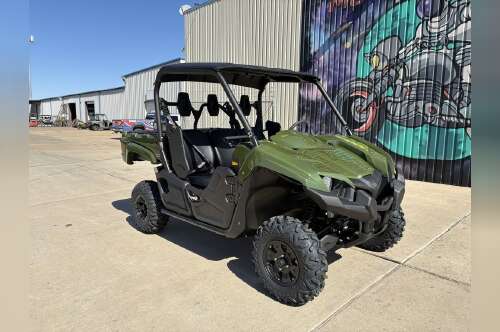
Table of Contents
- Quick Answer: What Does a Yamaha Viking Maintenance Checklist Include?
- Why Yamaha Viking Maintenance Matters
- Before Every Ride: The Pre-Ride Inspection
- After Every Ride: The Post-Ride Routine
- Monthly and Seasonal Yamaha Viking Maintenance
- Yearly and Long-Interval Service Items
- Yamaha Viking Maintenance Schedule at a Glance (Table)
- Special Care for Mud, Dust, Water, and Winter
- Maintenance Tips When Buying a Used Yamaha Viking
- Genuine Parts, Accessories, and Where to Find Them
- Frequently Asked Questions
- Final Thoughts and Next Steps
Quick Answer: What Does a Yamaha Viking Maintenance Checklist Include?
AI Overview: Yamaha Viking Maintenance in a Nutshell
Q: What should a Yamaha Viking maintenance checklist include?
A: A complete Yamaha Viking maintenance checklist covers engine oil and filter changes, air filter cleaning or replacement, coolant level checks, brake pad and fluid inspection, tire pressure and tread checks, drive belt and CVT inspection, battery and electrical checks, grease points, differential and transmission fluids, and a full-body inspection of suspension, steering, and fasteners. Quick checks happen before every ride, deeper inspections monthly or seasonally, and major fluid and component services at intervals listed in your owner’s manual.
Q: How often should I service my Yamaha Viking?
A: Do a short walk-around before each ride, clean the machine and air intake after dusty or muddy use, and follow the hour or mileage intervals in your owner’s manual for oil, filters, and drivetrain fluids. Hard use such as towing, water crossings, or heavy dust calls for shorter intervals.
Q: Can I do Yamaha Viking maintenance myself?
A: Yes. Most routine items such as oil changes, filter cleaning, and tire checks are DIY friendly with basic tools. Brake work, CVT service, and anything involving the fuel system or electronics may be better left to a qualified UTV technician.
Why Yamaha Viking Maintenance Matters
The Yamaha Viking is built tough, with a reliable single-cylinder engine, an Ultramatic CVT transmission, and a comfortable three-across seating layout. Yamaha designed it for real work. Still, work is exactly what wears a UTV down. Dust, mud, heat, vibration, and heavy loads all take a toll.
Here is what steady maintenance gets you:
- Reliability: Catch small issues like a loose bolt or a dirty filter before they become trail-ending failures.
- Safety: Brakes, tires, steering, and suspension are the parts that keep you in control.
- Resale value: A documented service history makes a used Yamaha Viking far easier to sell and often brings a better price.
- Lower long-term cost: A twenty dollar filter is cheaper than a rebuilt engine.
If you ever plan to upgrade or sell, a well-kept machine also sells faster. You can see how clean, well-maintained units are presented in our Yamaha Viking UTV for sale collection.
Before Every Ride: The Pre-Ride Inspection
A pre-ride check takes about five minutes and is the single best habit you can build. Walk around the Viking and run through these items.
Tires and Wheels
Check tire pressure with a quality gauge. Use the pressure listed on the vehicle’s tire label, since both under-inflation and over-inflation hurt handling and can cause bead leaks or flats. Look for cuts, sidewall bulges, embedded thorns, and uneven wear. Confirm that the lug nuts are snug and that no wheel wobbles when you rock it by hand.
Fluids and Leaks
Look under the machine for drips or puddles. Check the engine oil level on level ground, glance at the coolant reservoir, and check the brake fluid level. A slow leak spotted early is a cheap fix. A leak discovered mid-ride is not.
Brakes
Press the brake pedal. It should feel firm, not spongy, and should not sink to the floor. If the pedal feels soft, stop and investigate before riding.
Lights, Horn, and Controls
Test headlights, taillights, brake lights, and turn signals if equipped. Move the steering through its full range, and confirm the throttle returns smoothly. Make sure the seat belts latch correctly and the doors or nets close securely.
Cargo Bed and Hitch
If you carry gear, check that the bed latch holds and any tie-downs are secure. Inspect the hitch and receiver pin if you plan to tow.
After Every Ride: The Post-Ride Routine
How you finish a ride matters just as much as how you start it.
Wash Off Mud and Debris
Rinse mud, grass, and dirt from the undercarriage, A-arms, and wheel wells. Packed mud holds moisture against metal, hides cracks, and adds weight. Avoid blasting a pressure washer directly at bearings, electrical connectors, or the air intake.
Inspect for Damage
While it is clean, look for bent tie rods, torn CV boots, cracked plastics, and loose skid plates. CV boots deserve special attention. A torn boot lets grit in and grease out, and a failed axle is a costly repair.
Let the Engine Cool and Check the Air Intake
After dusty rides, check around the air box and intake snorkel for debris. A clogged intake robs power and hurts fuel economy.
Monthly and Seasonal Yamaha Viking Maintenance
These deeper checks are worth scheduling on your calendar, ideally at the start of each season or every month during heavy use.
Engine Oil and Filter
Oil is the lifeblood of your engine. Change the oil and filter at the interval in your owner’s manual, and sooner if you ride in extreme heat, dust, or water. Use the oil grade Yamaha specifies, and warm the engine briefly before draining so contaminants flow out with the oil. Always replace the drain plug washer if the service manual calls for it.
Air Filter
The air filter is your engine’s first line of defense. In dusty conditions, inspect it often, and clean or replace it as needed. Never run the Viking without a filter, and make sure the air box seals properly after reinstalling it.
Coolant System
Check the coolant level only when the engine is cold. Inspect hoses for cracks or soft spots, and clear any mud or debris from the radiator fins so air can flow freely. Overheating is one of the most common problems on hard-working UTVs, and a clean radiator prevents most of it.
Drive Belt and CVT
The Viking’s Ultramatic CVT relies on a drive belt that wears over time. Inspect the belt for cracking, glazing, fraying, or uneven wear. Check the CVT housing for dust and water, and make sure the intake and outlet ducts are clear. Unusual noises, slipping, or a burning smell are signs to inspect the belt right away.
Battery and Electrical
Clean the battery terminals, check that connections are tight, and look for corrosion. If the machine sits for weeks, a battery maintainer helps avoid dead-battery surprises. Inspect wiring for rubbed-through insulation, especially near moving suspension parts.
Grease Points and Cables
Grease the fittings called out in your manual, which commonly include suspension and driveline components. Lubricate throttle and other cables if applicable, and check that the parking brake engages and releases cleanly.
Suspension and Steering
Look for leaking shocks, worn bushings, and loose ball joints. Grab each wheel at the top and bottom, then side to side, to feel for play. A clunk or looseness usually means a worn bearing, bushing, or tie rod end.
Yearly and Long-Interval Service Items
Some parts are not touched every month, but they matter just as much.
Brake Pads, Rotors, and Brake Fluid
Measure pad thickness and replace pads before they reach the wear limit. Check rotors for deep grooves or warping. Brake fluid absorbs moisture over time, so replace it on the schedule in your manual or sooner if it looks dark.
Differential and Transmission Fluids
Front and rear differential oils and the transmission or final drive fluids should be changed at the recommended intervals. If you do a lot of water crossings, check for milky fluid, which means water has gotten in.
Spark Plug and Fuel System
Inspect the spark plug and replace it at the recommended interval. Use fresh fuel, and consider a fuel stabilizer if the Viking will sit for more than a month. Inspect fuel lines and the fuel filter for cracks or clogs.
Valve Clearance and Engine Inspection
Valve clearance should be checked at the interval Yamaha lists. This job takes some know-how, so many owners hand it to a trained technician.
Nuts, Bolts, and Fasteners
Vibration loosens hardware. Once a year, or after rough use, go over critical fasteners on the suspension, steering, wheels, skid plates, and roll cage.
Yamaha Viking Maintenance Schedule at a Glance
Use this table as a quick reference. Always confirm exact intervals in your owner’s manual, because they can vary by model year and usage.
| Maintenance Item | Pre-Ride | After Ride | Monthly / Seasonal | Yearly or Per Manual |
|---|---|---|---|---|
| Tire pressure and condition | Check | Inspect tread | Replace as needed | |
| Engine oil level | Check | Change per interval | Change oil and filter | |
| Air filter | Check after dust | Clean or replace | Replace | |
| Coolant level and radiator | Visual | Clear debris | Inspect hoses | Flush per manual |
| Brakes and fluid | Pedal feel | Inspect pads | Replace fluid | |
| CVT belt | Inspect | Replace if worn | ||
| Battery and terminals | Clean and test | Replace if weak | ||
| Grease points | Lubricate | Full service | ||
| Differential fluids | Check for leaks | Change fluids | ||
| Fasteners and suspension | Visual | Look for damage | Inspect play | Full torque check |
| Spark plug and fuel system | Inspect | Replace plug and filter |
Special Care for Mud, Dust, Water, and Winter
Not every ride is the same, so your maintenance should flex with the conditions.
After Water Crossings
Water is the enemy of fluids and bearings. After deep crossings, check the engine oil, differentials, and CVT housing for moisture. Drain any water from the CVT case if your manual describes how, and consider greasing fittings sooner than planned.
Dusty and Dry Trails
Ride in the desert or on dry gravel, and your air filter will clog faster than usual. Inspect it more often, and clean the radiator fins and CVT intake regularly.
Cold Weather and Winter Storage
In winter, confirm that coolant is rated for your lowest temperatures. If you are parking the Viking for the season, change the oil, add fuel stabilizer, charge the battery, and store it in a dry place with tires properly inflated. A cover helps keep out dust and rodents.
Heavy Work and Towing
Hauling and towing put extra stress on the drivetrain, brakes, and cooling system. Shorten your service intervals and keep a closer eye on belt wear and brake performance.
Maintenance Tips When Buying a Used Yamaha Viking
A good maintenance mindset also helps when you are shopping. Whether you are comparing a Viking, a Viking EPS, a Ranch Edition, or a six-seat Viking VI, ask these questions before you buy:
- Is there a service record, including oil changes and belt replacement?
- How does the engine sound at idle and under load?
- Are the CV boots intact, and is there play in the wheel bearings?
- Does the CVT engage smoothly without slipping or shuddering?
- Are there signs of rust, leaks, or mismatched replacement parts?
- What does the hour meter and odometer say compared with the overall condition?
A machine with honest wear and good records is often a better buy than a low-hour unit that sat neglected. Ready to look? Browse our current used Yamaha Viking for sale inventory to compare models, trims, and prices in one place.
Genuine Parts, Accessories, and Where to Find Them
Maintenance is easier when you have the right gear on hand. A basic UTV toolkit should include a torque wrench, socket set, tire pressure gauge, grease gun, funnel, drain pan, and spare belt if you ride far from home. Many owners also add a winch, a roof, a windshield, or a bed organizer to make the Viking more useful.
If you want to equip your machine, explore the full selection in our UTV shop for vehicles, accessories, and more. Having the right parts ready before a ride makes quick fixes painless.
Frequently Asked Questions
How often should I change the oil in my Yamaha Viking?
Follow the interval in your owner’s manual, and shorten it if you ride in heavy dust, deep water, extreme heat, or tow often. Many owners choose to change oil at the start of each riding season in addition to the hour-based interval.
What type of oil does a Yamaha Viking use?
Use the oil grade and specification listed in your owner’s manual. Yamaha-branded oil is designed for these engines, but any oil that meets the stated specification is appropriate.
How do I know when the CVT belt needs replacing?
Look for cracks, fraying, glazing, or a belt that has worn noticeably thinner. Slipping, jerky acceleration, or a burning smell also point to a worn belt. Replace it sooner rather than later, because a broken belt will stop you on the trail.
How often should I check tire pressure on my Yamaha Viking?
Check it before every ride. Temperature changes and trail conditions can shift pressure quickly, and correct pressure improves handling, traction, and tire life.
Can I use a pressure washer to clean my Viking?
Yes, but be careful. Keep the spray away from bearings, wiring connectors, the air intake, and the CVT intake. A garden hose and brush are gentler for those areas.
What are the most common Yamaha Viking maintenance problems?
The usual suspects are clogged air filters, worn drive belts, dirty or overheated radiators, torn CV boots, and neglected fluid changes. Nearly all of them are caught by a simple, regular checklist.
How should I store my Yamaha Viking for winter?
Change the oil, fill the tank and add stabilizer, charge or disconnect the battery, wash and dry the machine, and store it indoors or under a breathable cover. Start it briefly every few weeks if possible.
Is a used Yamaha Viking a good buy?
A well-maintained used Viking can be an excellent value thanks to its durability and comfort. Ask for service records, inspect the key wear items in this checklist, and buy from a seller who stands behind their machines.
Final Thoughts and Next Steps
A Yamaha Viking rewards owners who treat maintenance as a routine rather than a chore. Do the quick pre-ride check, clean up after each ride, stay on top of monthly and seasonal items, and handle the big fluid and component services on schedule. Do that, and your Viking will keep working and playing for years.
Print this checklist, tape it inside the garage, and make it a habit. Your future self, and your resale value, will thank you.
Ready to Find Your Next Yamaha Viking?
Whether you are replacing an older UTV or adding a second machine to the barn, we make it easy to find a quality ride.
- Browse inventory: See every available Yamaha Viking UTV for sale and find the trim that fits your work and play.
- Shop everything: Visit the Used Utility Vehicles shop to explore more side-by-sides, utility vehicles, and gear.
Contact Used Utility Vehicles today with questions, financing needs, or help choosing the right Viking. We are happy to help you ride with confidence.