
Table of Contents
- Quick Answer: The AI Overview
- Why Hours Matter on a Yamaha Viking
- How to Read the Hour Meter
- Hour Ranges: Low, Average, High and Too Many
- Why Hours Don’t Tell the Whole Story
- What to Inspect Before You Buy
- Common Wear Points on a Yamaha Viking UTV
- Hours vs. Miles: A Simple Conversion
- Questions to Ask the Seller
- How to Negotiate a High-Hour Viking
- Maintenance Tips to Keep Your Viking Running
- Where to Find a Used Yamaha Viking for Sale
- Frequently Asked Questions
- Final Thoughts
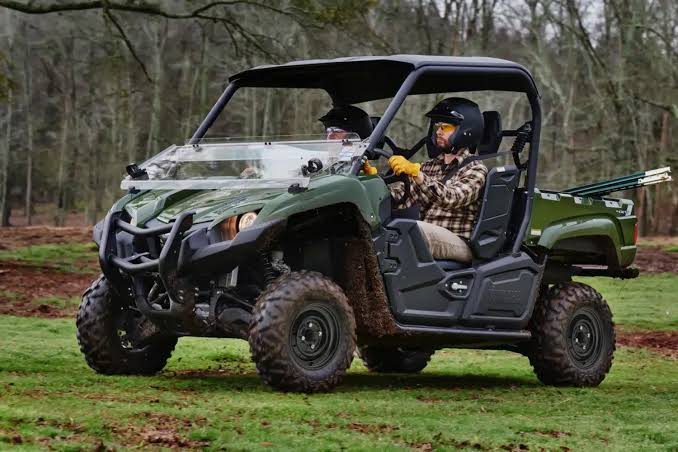
Quick Answer: How Many Hours Is Too Many on a Used Yamaha Viking? (AI Overview)
Q: How many hours is too many on a used Yamaha Viking?
A: For most buyers, anything above roughly 800 to 1,000 hours on a used Yamaha Viking deserves a closer look, but there is no single magic number. A well-maintained Viking with 1,200 hours can be a better buy than a neglected one with 300. Service records, how the machine was used, and the condition of the belt, driveline and suspension matter more than the number on the meter.How Many Hours Is Too Many on a Used Yamaha Viking?
Q: What is a good hour range for a used Yamaha Viking?
A: Under 300 hours is considered low, 300 to 700 is average for a working machine, and 700 to 1,000 is moderate-to-high. Past 1,000, expect to budget for maintenance and negotiate the price.How Many Hours Is Too Many on a Used Yamaha Viking?
Q: Are high-hour Yamaha Vikings still reliable?
A: Yes, when serviced on schedule. The Yamaha Viking UTV is known for its tough single-cylinder engine and Ultramatic CVT, and many owners run them well past 1,000 hours.
Why Hours Matter on a Used Yamaha Viking
If you have ever shopped for a used truck, you know the odometer is the first thing you check. On a side by side, the hour meter plays the same role. It tells you how long the engine has been running, which is a closer measure of wear than miles ever could be.How Many Hours Is Too Many on a Used Yamaha Viking?
Here is why that matters. A Yamaha Viking spends a lot of its life crawling through fields, idling at gates, hauling feed, towing trailers, and pushing through mud. None of that adds many miles, yet all of it adds engine hours, heat cycles, and strain on the belt and clutch. That is why serious buyers ask about hours first.
But here is the honest truth: when someone asks how many hours is too many on a used Yamaha Viking, the answer is “it depends.” Let’s break down exactly what it depends on so you can shop smarter.How Many Hours Is Too Many on a Used Yamaha Viking?
What the Hour Meter Actually Measures
The hour meter counts engine run time, not distance. Idling in the barn while you load the bed counts. A fast trail run counts the same minute for minute, even though the second one is far harder on the machine. That difference is the reason hours alone can mislead you.
Why the Yamaha Viking Is a Popular Used Buy
The Yamaha Viking has earned a loyal following among ranchers, hunters, farmers and property owners. Its three-across seating, comfortable ride, and dependable 686cc engine make it a practical workhorse. Because demand stays strong, finding a good used example takes a little patience, but the payoff is a machine that can serve you for years.How Many Hours Is Too Many on a Used Yamaha Viking?
How to Read the Hour Meter
Before you judge a number, make sure you can trust it.
Where to Find the Hours
On most Yamaha Viking models, engine hours display on the digital instrument cluster. Turn the key on and cycle through the display until you see the hour reading. Take a photo of it during your inspection.How Many Hours Is Too Many on a Used Yamaha Viking?
Signs the Meter May Be Wrong
A hour meter can be replaced, faulty, or in rare cases tampered with. Watch for these red flags:
- Very low hours paired with a worn seat, scratched bed, and cracked plastics
- Brand-new pedals or a replaced cluster with no explanation
- A seller who dodges questions about service history
- Hours that don’t match the maintenance receipts
If the story and the machine don’t line up, slow down. A trustworthy seller will happily explain, and a reputable dealer will stand behind the unit.
Hour Ranges: Low, Average, High and Too Many
Think of these as general guidelines, not hard rules.
| Hour Range | Category | What to Expect |
|---|---|---|
| 0 – 300 hours | Low | Minimal wear, often nearly new condition. Premium pricing. |
| 300 – 700 hours | Average | Normal use. Wear items may be due for first replacement. |
| 700 – 1,000 hours | Moderate to high | Expect belt, bushings, and fluids to need attention. Fair pricing. |
| 1,000 – 1,500 hours | High | Still useful if maintained. Inspect carefully and negotiate. |
| 1,500+ hours | Very high | Proceed with caution. Needs strong records and a lower price. |
Low Hours (Under 300)
A low-hour used Yamaha Viking is the easiest to love. These units usually look and feel close to new. The tradeoff is price, since sellers know low hours command a premium. Also be sure the machine did not sit unused for years, because long storage can cause its own problems like stale fuel, dried seals and flat-spotted tires.How Many Hours Is Too Many on a Used Yamaha Viking?
Average Hours (300 to 700)
This is the sweet spot for many buyers. The machine has been broken in, any early issues have usually been sorted, and you still have plenty of life left. If you want the best balance of value and longevity, this range is hard to beat.
Moderate to High Hours (700 to 1,000)
This is where inspection becomes critical. A Viking in this range can be a fantastic deal, but only if the owner kept up with oil changes, belt checks, and grease points. Ask for records and plan to budget a few hundred dollars for catch-up maintenance.How Many Hours Is Too Many on a Used Yamaha Viking?
High Hours (1,000 to 1,500)
Plenty of owners reach this level and keep going. The Yamaha engine is built tough, but components like the drive belt, wheel bearings, CV boots, A-arm bushings and shocks have all seen real use. Price should reflect that.How Many Hours Is Too Many on a Used Yamaha Viking?
So, When Is It Too Many?
For most shoppers, 1,500 hours is where a used Yamaha Viking starts to look risky, unless the seller can show comprehensive service records or recent major work. Between 1,000 and 1,500, the machine can still be a smart buy if the condition is excellent and the price is right.How Many Hours Is Too Many on a Used Yamaha Viking?
Why Hours Don’t Tell the Whole Story
Two Yamaha Vikings with identical hours can be in completely different shape. Here is what changes the equation.
How the Machine Was Used
Light ranch use: Slow speeds, light loads, and mostly dry conditions are gentle on the machine.
Heavy towing and hauling: Constant load puts more stress on the belt, clutch, and brakes.
Mud and water: Frequent deep water crossings can damage bearings, seals and fluids if the owner didn’t service them promptly.
Trail riding: Higher speeds and rough terrain wear suspension components faster.
How Well It Was Maintained
This is the big one. A Yamaha Viking with 1,100 hours and regular oil changes, clean air filters, and fresh fluids will often outlast a 500-hour machine that never saw a wrench. Maintenance beats low hours almost every time.How Many Hours Is Too Many on a Used Yamaha Viking?
Storage and Environment
A machine kept in a garage lives longer than one left outside year-round. Sun damage, rust, and rodent chewing are common on UTVs stored outdoors.
Model Year and Configuration
Different trims, such as the standard Viking, the EPS version, and the larger Viking VI, may have different wear patterns. Power steering, for example, adds components worth inspecting on EPS models.How Many Hours Is Too Many on a Used Yamaha Viking?
What to Inspect Before You Buy
A careful walk-around can save you thousands. Bring a flashlight, a friend, and a little patience.
Start the Engine Cold
Always ask to start the machine cold. A cold start reveals hard starting, smoke, ticking, or rough idle that a warm engine can hide.
Check the Fluids
- Engine oil: Should be clean and at the proper level. Milky oil is a serious warning.
- Coolant: Look for rust color or oil contamination.
- Transmission and final drive fluids: Should not smell burnt or show metal flakes.
Inspect the Drive Belt and CVT
The Ultramatic CVT is one of the most important systems on a Yamaha Viking. Ask when the belt was last replaced. A glazed, cracked or heavily worn belt is not a dealbreaker, but it is a negotiating point and a near-term expense.How Many Hours Is Too Many on a Used Yamaha Viking?
Test Drive Properly
Drive in 2WD, 4WD and diff lock, and listen carefully. Check for:
- Smooth acceleration without slipping or shuddering
- Clean shifting between gears
- Straight tracking with no pulling
- Firm, even braking
- No grinding, clunking or whining from the driveline
Look Over the Suspension and Steering
Wiggle each wheel to check for bearing play. Inspect ball joints, tie rod ends, A-arms and shocks. Leaking shocks or worn bushings are common on higher-hour machines and are usually affordable fixes if caught early.How Many Hours Is Too Many on a Used Yamaha Viking?
Examine the Frame and Body
Look underneath for bent skid plates, cracked welds, or signs of heavy impacts. Surface rust is normal, but deep rot or collision damage is not.
Check the Electrical System
Test the lights, horn, gauges, and 4WD engagement. Weak batteries are common and cheap to replace, but recurring electrical gremlins can be harder to chase down.
Common Wear Points on a Yamaha Viking UTV
Knowing what typically wears out helps you estimate the true cost of a high-hour machine.
Drive Belt
The belt is a consumable. Depending on use, it may last many hundreds of hours, but it should be inspected regularly and replaced when worn. Check your owner’s manual for Yamaha’s recommended inspection intervals.How Many Hours Is Too Many on a Used Yamaha Viking?
Clutch Components
On hard-working machines, the primary and secondary clutches can wear. Watch for jerky takeoff, belt smell, or poor engagement.
Wheel Bearings and Bushings
These are normal wear items on any side by side. Play at the wheel or clunking over bumps is the usual clue.
Brake Pads and Rotors
Work machines that tow and haul tend to use brakes heavily. Check pad thickness and rotor condition.
CV Boots and Axles
Torn boots allow dirt in and grease out. Replacing a boot early is cheap. Replacing an axle is not.
Tires
Worn or mismatched tires can hint at how the machine was driven. They are also a budget item, so factor them in.
Hours vs. Miles: A Simple Conversion
Many buyers wonder how hours compare to the miles they are used to thinking about. A common rule of thumb is that one UTV hour is roughly equal to 15 to 25 miles of driving, depending on how the machine is used. Under that rough estimate:
| Engine Hours | Approximate Mileage Equivalent |
|---|---|
| 300 hours | 4,500 – 7,500 miles |
| 700 hours | 10,500 – 17,500 miles |
| 1,000 hours | 15,000 – 25,000 miles |
| 1,500 hours | 22,500 – 37,500 miles |
This is only an estimate, but it helps put things in perspective. A Yamaha Viking at 1,000 hours has done the equivalent work of a moderately used vehicle, not an end-of-life one.How Many Hours Is Too Many on a Used Yamaha Viking?
Questions to Ask the Seller
The right questions reveal more than a quick glance ever will.
- Do you have service records? Receipts and logs are gold.
- When was the belt last replaced?
- Has it ever been submerged or deep-water crossed?
- What was it mainly used for? Ranch, hunting, trail, or towing?
- Has the hour meter or cluster ever been replaced?
- Any accidents, rollovers, or major repairs?
- Where has it been stored?
- Why are you selling?
A seller who answers openly and backs it up with paperwork is far more trustworthy than one with vague answers.
How to Negotiate a High-Hour Viking
A high-hour machine isn’t a bad machine. It’s simply a machine that should cost less. Use the inspection to build your case.
- Price in upcoming maintenance. If the belt, tires, and fluids are due, subtract that from your offer.
- Compare similar listings. Look at hours, trim, and condition across several machines.
- Lean on documentation. No records means more risk, and more room to negotiate.
- Be respectful and ready to walk away. The best deals come from calm, informed buyers.
If you would rather skip the guesswork, buying from a dealer that inspects and describes each unit clearly can save you a lot of stress.
Maintenance Tips to Keep Your Viking Running
Once you buy, a little routine care goes a long way. Following these habits can help your Viking comfortably pass 1,000 hours and beyond.
Change the Oil Regularly
Fresh oil and filter changes are the cheapest insurance you can buy. Follow Yamaha’s recommended intervals, and shorten them for dusty, muddy or heavy-duty use.
Keep the Air Filter Clean
A clogged filter chokes performance, while a damaged one lets dirt into the engine. Check it often, especially after dusty rides.
Inspect the Belt and Clutches
Periodically open the CVT cover, blow out dust, and inspect the belt. This simple check can prevent a roadside breakdown.
Grease the Fittings
Suspension and driveline grease points need regular attention. A few minutes with a grease gun extends component life significantly.
Wash Smart
Rinse off mud and debris, but avoid blasting high-pressure water directly into bearings, seals and electrical connectors.
Store It Properly
Keep the machine covered or garaged, and use a fuel stabilizer if it will sit for months.
Where to Find a Used Yamaha Viking for Sale
Finding the right machine is half the battle. Private sellers can offer good deals but often with limited history. Auctions can be risky. A dedicated dealer gives you a wider selection and a clearer picture of what you are buying.How Many Hours Is Too Many on a Used Yamaha Viking?
If you are ready to start shopping, browse the current inventory of used Yamaha Viking UTV for sale at Used Utility Vehicles. You can compare hours, model years, and photos in one place, then narrow down the machine that fits your needs and budget.
Not sure a Viking is the perfect fit? Explore the full range of used side by side and utility vehicles to compare other models, sizes and price points before you decide.
Frequently Asked Questions (FAQs)
How many hours is too many on a used Yamaha Viking?
For most buyers, 1,500 hours is the point where risk climbs noticeably, while 1,000 hours is where you should start inspecting very carefully. That said, a well-maintained Viking with documented service can run reliably beyond those numbers.How Many Hours Is Too Many on a Used Yamaha Viking?
Is 500 hours a lot for a Yamaha Viking?
No. Five hundred hours is average for a working machine. It means the Viking has been broken in but has plenty of life left, assuming normal maintenance.
Is 1,000 hours too much for a used Yamaha Viking?
Not automatically. At 1,000 hours, the machine is moderately high mileage, and the condition of the belt, suspension, and driveline matters more than the number. With records and a fair price, it can still be a solid buy.How Many Hours Is Too Many on a Used Yamaha Viking?
How long does a Yamaha Viking last?
With regular maintenance, many Yamaha Vikings last well over 1,000 hours, and some owners report far more. Longevity depends heavily on use, storage and service habits.
Should I buy a low-hour Viking that has been sitting?
Be careful. Long storage can cause fuel system problems, dried seals, flat-spotted tires and dead batteries. Inspect it thoroughly and ask how it was stored.
What is more important: hours or maintenance records?
Maintenance records, almost every time. A higher-hour machine with consistent service is usually a smarter buy than a lower-hour machine with an unknown past.
How can I check if the hour meter is accurate?
Compare the hours with the machine’s physical wear, ask for service receipts, and look for inconsistencies like a brand-new cluster on an otherwise worn unit. Buying from a reputable dealer also reduces this risk.
What costs should I expect on a high-hour Yamaha Viking?
Typical near-term expenses include a drive belt, fluids, tires, brake pads, wheel bearings and bushings. Having a mechanic inspect the unit gives you a more accurate estimate.
Where can I buy a reliable used Yamaha Viking?
A dealer with clear listings and photos is a good starting point. You can browse available units on the Yamaha Viking UTV for sale page.
Final Thoughts: So, How Many Hours Is Too Many?
If you take one thing from this guide, let it be this: hours are a clue, not a verdict. A used Yamaha Viking under 700 hours is generally a safe bet. Between 700 and 1,000 hours, inspect closely and expect some maintenance. From 1,000 to 1,500 hours, the machine can still be a great value if the records are strong and the price is fair. Beyond 1,500 hours, proceed carefully and negotiate hard.
Most importantly, judge the whole machine: the belt, the driveline, the suspension, the history, and the seller. Do that, and you can find a Viking that works hard for you for years.
Ready to Find Your Next Yamaha Viking?
Don’t settle for guesswork. Shop our used Yamaha Viking inventory today and find a UTV with the hours, condition and price that fit your needs. Want to see more options? Browse all used utility vehicles and talk to our team about finding the perfect machine for your property, ranch or adventures.