Yamaha Viking Resale Value
Table of Contents
- Quick Answer: Does the Yamaha Viking Hold Its Value?
- Why Yamaha Viking Resale Value Matters
- Yamaha Viking Depreciation: What the Numbers Suggest
- Yamaha Viking Price by Model
- 7 Factors That Drive Yamaha Viking Resale Value
- How to Increase Your Viking’s Resale Value
- Buying a Used Yamaha Viking: What to Check
- Selling vs. Trading In Your Viking
- Viking vs. Other UTVs on Resale
- Final Verdict
- FAQs
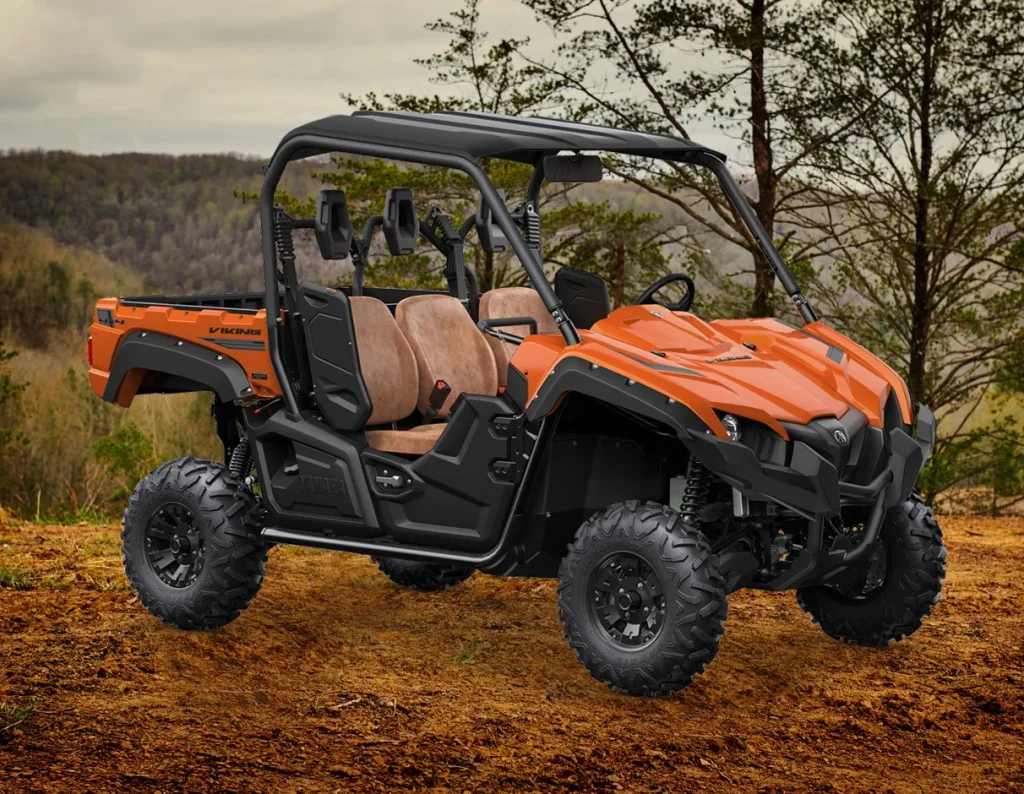
Yamaha Viking Resale Value: The Short Version
If you’re shopping for a utility side-by-side or thinking about selling one, the Yamaha Viking is a smart machine to look at. It has a reputation for being tough, simple to maintain and easy to live with.
Quick Answer: Does the Yamaha Viking Hold Its Value?
AI Overview: Yamaha Viking Resale Value at a Glance
Q: How much is a used Yamaha Viking worth?
A: Most used Vikings sell between roughly $8,000 and $17,000, depending on model year, trim, hours and condition. Older, higher-hour units sit at the low end, while recent low-hour units sit near the top. For reference, 2025 Viking side-by-sides were listed at a low of $12,181, an average of $14,461 and a high of $17,899, and older used units on the market, like the ones in our Yamaha Viking UTV for sale category, are priced closer to $8,000–$9,000. autotrader
Q: Does the Yamaha Viking depreciate fast?
A: Not unusually. One value-tracking estimate puts a typical Viking at about 46% of its original value after five years, with the steepest drop in the first year. Treat that as a ballpark, since real-world resale depends on how the machine was used and maintained. forcar
Q: Which Viking holds value best?
A: The Viking EPS and Ranch Edition tend to attract the most buyer interest because power steering and factory extras are exactly what working owners want.
Q: What hurts resale value the most?
A: Heavy hours, missing service records, rust, frame or suspension damage, and a worn drivetrain.
Why Yamaha Viking Resale Value Matters
Most people judge a UTV by the sticker price. That’s only half the story. The real cost of ownership is what you pay minus what you get back when you sell.
Two buyers can spend the same amount on a side-by-side. One sells it three years later and recovers most of the money. The other sells and discovers the machine lost value much faster than expected. The difference usually comes down to brand reputation, model choice, condition and timing.
The Viking has been around since 2014, and over that time it has built a following among ranchers, hunters, landowners and property managers. That steady demand is a big reason Yamaha Viking resale value stays respectable year after year.
The Hidden Benefit for Used Buyers
If you’re buying used, strong resale value works in your favor too. A machine that holds its value is easier to sell later, which means your exit plan is already built in. You can browse current inventory in our Yamaha Viking UTV for sale section and see how real-world prices stack up.
Yamaha Viking Depreciation: What the Numbers Suggest
Depreciation is the gradual loss of value as a machine ages and accumulates hours. Every UTV goes through it, but the shape of the curve matters.
The Typical Depreciation Curve
Value-tracking estimates for the Viking suggest a pattern many vehicle owners will recognize:
| Age | Estimated Value Retained |
|---|---|
| Year 1 | About 80% |
| Year 3 | About 61% |
| Year 5 | About 46% |
Source: ForCar estimates based on typical segment value-retention curves, not a live market quote.
The first year takes the biggest bite, which is true for nearly every powersports vehicle. After that, the curve flattens. That is the sweet spot for used buyers: letting the first owner absorb the steepest drop.
Why a Three-Year-Old Viking Is a Sweet Spot
A Viking in its third or fourth year has typically lost the bulk of its showroom premium, but it still has plenty of life left. For buyers, that means more machine for the money. For sellers, it means you’ve already passed the worst of the depreciation.
Estimates Aren’t Appraisals
Treat any depreciation chart as a guide, not a guarantee. Local demand, seasonality, hours, accessories and condition all push the real number up or down. The best way to know what a specific Viking is worth is to compare it against live listings.
Yamaha Viking Price by Model
Yamaha offers the Viking in a few configurations, and each has its own resale profile.
Yamaha Viking EPS
The standard three-seat Viking with electric power steering is the volume seller. It’s capable, comfortable and simple. Buyers like the 4WD, the hauling capability and the 1,500-lb towing rating, which is why the EPS remains one of the most searched Viking trims.
Typical used range: about $8,000 to $13,000, depending on age and hours.
Example: our Used Yamaha Viking EPS SE UTV For Sale is currently priced at $8,000.
Yamaha Viking VI EPS (Six-Seat)
The Viking VI adds seating for six, which makes it a favorite for farms, hunting groups, resorts and families. More seats mean a bigger buyer pool, and that tends to help resale value.
Typical used range: about $9,000 to $16,000, depending on year and condition.
Example: see the Used Yamaha Viking VI EPS Ranch Edition For Sale, listed at $9,000.
Ranch Edition
Ranch Edition trims usually add practical extras that working owners value, such as upgraded styling, features and accessories. Buyers often pay a little more for these, and sellers often get a little more back.
Newer Models Command Higher Prices
For comparison, newer models are priced well above older used units. Market listings show the 2025 Viking averaging in the mid-teens, which is a useful reference point when you’re deciding whether an older unit is a bargain.
7 Factors That Drive Yamaha Viking Resale Value
Not all Vikings are created equal. These seven factors decide whether yours sells quickly at a strong price or sits waiting for a lowball offer.
1. Model Year and Trim
Newer machines naturally bring more money. Within the same year, six-seat and Ranch Edition models can command a premium over base versions.
2. Hours and Mileage
Hours are the UTV equivalent of odometer miles. A machine with low hours and clean maintenance records tells buyers it was treated well. High hours aren’t a dealbreaker, but they pull the price down, so price accordingly.
3. Maintenance Records
A folder of receipts is one of the cheapest ways to add value. Oil changes, belt inspections, grease points and coolant service all show you cared about the machine. Buyers will pay more for proof.
4. Cosmetic and Structural Condition
Plastics, seats, roll cage, bed and frame all matter. Fading, cracks and rust make a buyer wonder what else was neglected. Frame damage in particular can slash the price.
5. Drivetrain Health
The Viking’s drivetrain is built for work, but belts, CVT components, bearings and driveshaft boots still wear. A machine that starts easily, shifts cleanly and runs without odd noises will always sell faster.
6. Accessories and Upgrades
Some accessories add resale value and some don’t.
Usually helpful: winch, roof, windshield, doors, quality tires, bed liner.
Often neutral or negative: extreme lift kits, loud exhausts, heavily modified suspension.
A tidy, mostly stock Viking with practical accessories appeals to the widest range of buyers.
7. Location and Season
Demand peaks before hunting season, planting season and summer trail season. Rural regions with more land and ranches typically show stronger demand than dense suburban areas. If you can choose when to sell, list during the busy months.
How to Increase Your Viking’s Resale Value
You can’t control depreciation, but you can influence how much of your money comes back.
Keep a Maintenance Log From Day One
Write down every oil change, filter, belt check and repair. A simple notebook or a phone spreadsheet works. When it’s time to sell, you’ll have proof that makes your asking price easier to defend.
Wash It and Fix Small Things
A clean machine photographs better and feels better in person. Fix cracked mirrors, replace worn pedal covers, and tighten loose panels. Small repairs that cost almost nothing can add confidence and dollars.
Store It Properly
Sun, moisture and dust are the enemies. If you can, store the Viking indoors or under a quality cover. UV damage fades plastics and cracks seats, and both are obvious to buyers.
Follow the Service Schedule
Staying on top of scheduled service protects both the machine and its value. Overlooked service is one of the most common reasons a used UTV loses ground on resale.
Tip for Working Owners
If you use your Viking hard for hauling, towing or ranch work, keep the gear in good condition and avoid overloading. Strong build quality doesn’t mean it’s immune to abuse.
Choose Smart Upgrades
Think about what the next owner will want. Practical protection and utility upgrades pay off. Heavy modifications usually don’t. You can pair your Viking with accessories from our broader UTV shop if you want to improve usability without hurting resale.
Gather Paperwork Before Listing
Have the title, bill of sale, manuals, spare keys and service history ready. A seller who looks organized gets taken seriously.
Buying a Used Yamaha Viking: What to Check
If you’re on the buyer side, understanding resale value helps you avoid overpaying and spot a good deal.
Inspect Before You Pay
Walk around the machine and look for:
- Frame cracks, bends or fresh welds
- Rust on the bed, floor and suspension mounts
- Uneven tire wear (a hint of alignment or suspension issues)
- Leaks around the engine, differentials and CVT cover
- Loose or worn steering components
- Faded or torn seats and cracked plastics
Test Drive It
Drive it on varied terrain if you can. Listen for grinding, clunking or whining. Engage 4WD and diff lock. Check braking, steering feel, and how the machine behaves under load.
Check the Hours
Compare hours against age. Very low hours on an old machine can mean it sat unused, which has its own issues. Very high hours on a young machine usually mean hard commercial use.
Compare Prices
Use live listings to compare. Look at similar model years, similar trims and similar hours. Our Yamaha Viking UTV for sale page gives you a quick reference for what used units are asking.
Ask About the Return Policy
Buying from a seller with clear terms gives you peace of mind. Before you purchase, check the seller’s policies, shipping details and support options.
Ready to Shop?
If you want a used Viking with transparent pricing, browse the full Yamaha Viking inventory now, or explore the entire utility vehicle shop to compare other brands side by side.
Selling vs. Trading In Your Viking
When it’s time to move on, you have three main paths. Each has trade-offs.
Private Sale
Pros: Highest potential price.
Cons: More time, more messages, more tire-kickers.
A private sale usually returns the most money, especially if the machine is clean and well documented.
Dealer Trade-In
Pros: Fast and convenient, especially if you’re buying another machine.
Cons: Usually the lowest offer, since the dealer needs margin.
Selling to a Used UTV Dealer or Marketplace
Pros: Faster than a private sale, often fairer than a trade-in.
Cons: Prices vary by buyer.
Which Is Best?
If you want the most money and have time, sell privately. If you want convenience, trade in or sell to a dealer. Whichever you choose, have your records ready and compare at least two or three offers.
Viking vs. Other UTVs on Resale
How does Yamaha stack up against the competition? Here’s a general picture. Actual prices depend on year, condition and hours.
| Brand/Model | Typical Strength | Resale Notes |
|---|---|---|
| Yamaha Viking | Simplicity, comfort, towing | Steady demand, solid used market |
| Polaris Ranger | Huge dealer network | Wide supply, many used listings |
| Honda Pioneer | Reliability reputation | Strong buyer loyalty |
| Kubota RTV | Diesel work ethic | Popular with farm users |
| John Deere Gator | Brand recognition | Strong in agricultural markets |
If you’re cross-shopping, explore other brands in our shop, including the Honda Pioneer, Polaris Ranger and Kubota RTV categories, to see how pricing compares in real listings.
Where the Viking Wins
The Viking is easy to like. It has a smooth ride for a work machine, a comfortable cabin, approachable maintenance and a recognizable name. That combination keeps buyers interested long after the first owner moves on.
Where It Competes Hard
Some rivals offer more power, more variants or bigger dealer networks. If you want raw performance or lots of aftermarket options, you may look elsewhere. For balanced, practical work and recreation, the Viking holds its own.
Final Verdict: Is Yamaha Viking Resale Value Worth It?
Yes, for most buyers. The Viking isn’t a flashy investment, but it’s a dependable one. It loses most of its value in the early years, then settles into a steady curve that rewards patient owners and smart used buyers.
Here’s the simple playbook:
- Buy used after the first big depreciation drop.
- Keep records of every service.
- Stay mostly stock with practical accessories.
- Store it well and keep it clean.
- Sell in-season for the best price.
Follow those five habits and your Yamaha Viking resale value should stay stronger than average.
Your Next Step
Ready to buy a used Viking, or just comparing options? Check out our current Yamaha Viking UTV for sale listings, or browse the whole used utility vehicle shop to find the right machine for your land, your crew and your budget. Have questions? Reach out through our contact page or read our FAQs before you buy.
Frequently Asked Questions (FAQs)
How much does a used Yamaha Viking cost?
Most used Yamaha Vikings fall between about $8,000 and $17,000. Older, higher-hour machines sit at the bottom, while late-model, low-hour units sit at the top. Our current used Viking listings show real asking prices.
Is the Yamaha Viking a good UTV?
Yes. It’s known for comfort, simplicity, 4WD capability, electric power steering on EPS trims, and a 1,500-lb towing rating. It suits ranch work, hunting, property maintenance and light trail use.
How fast does a Yamaha Viking depreciate?
The biggest drop usually comes in the first year, then the curve flattens. One estimate suggests roughly 46% of value remains after five years, but your actual result depends on hours, condition and local demand.
What is the best year to buy a used Yamaha Viking?
There’s no single best year. Many buyers target machines that are three to five years old, since the heaviest depreciation has already happened but there’s still plenty of useful life.
Does the six-seat Viking VI hold value better than the three-seat model?
It often attracts a wider buyer pool, including farms, hunting groups and families, which can help resale. Condition and hours still matter more than seat count alone.
What lowers Yamaha Viking resale value?
High hours, rust, frame damage, poor maintenance, heavy modifications, missing paperwork and visible neglect all reduce the price.
Do accessories increase resale value?
Practical accessories such as a winch, roof, windshield and doors can help. Extreme modifications often narrow your buyer pool and can lower the price.
Should I sell my Viking privately or trade it in?
Private sales typically return the most money but take more effort. Trade-ins are faster but usually pay less. Compare offers before deciding.
Where can I find a used Yamaha Viking for sale?
You can browse the current selection at usedutilityvehicles.com, or look through the full shop for other makes and models.
How do I check the value of my Viking?
Compare it against current listings for the same year, trim and hours. Valuation tools and dealer quotes can also help, but live market prices tell you the most.
Ready to find your next Viking? Shop used Yamaha Viking UTVs now or explore every used utility vehicle in the shop.