
New vs Used Utility Vehicles: Which Offers Better Value?
Whether you’re managing a farm, construction site, hunting property, landscaping business, or large estate, choosing the right utility vehicle is an important investment. One of the biggest decisions buyers face is whether to purchase a new utility vehicle or a used utility vehicle.
While new models come with the latest technology and full manufacturer warranties, used utility vehicles often provide excellent value at a significantly lower price. The best choice depends on your budget, intended use, maintenance expectations, and long-term ownership costs.
In this guide, we’ll compare new and used utility vehicles in detail, helping you determine which option delivers the best value for your specific needs.
What Is a Utility Vehicle?
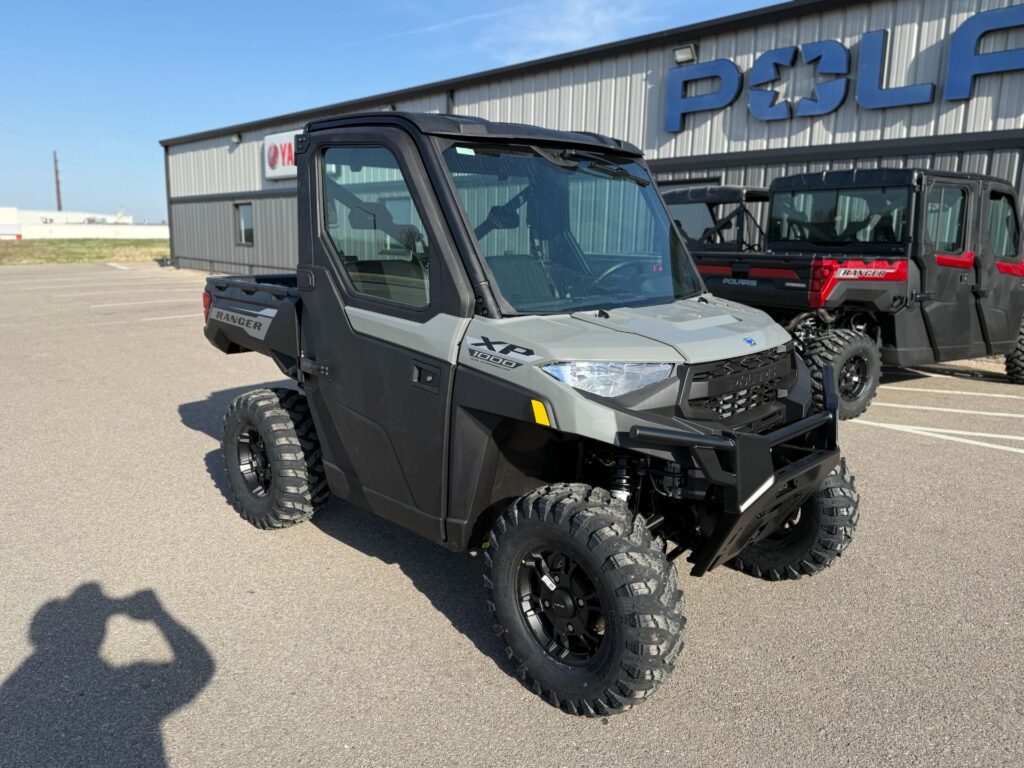
A utility vehicle (UTV), also known as a side-by-side, is designed to transport people, equipment, and supplies across rough terrain. These versatile machines are commonly used in:
- Agriculture
- Ranching
- Construction
- Landscaping
- Property maintenance
- Hunting
- Outdoor recreation
- Municipal services
Popular manufacturers include Polaris, John Deere, Kubota, Yamaha, Honda, Bobcat, Kawasaki, Can-Am, Club Car, and CFMOTO.
Understanding New Utility Vehicles
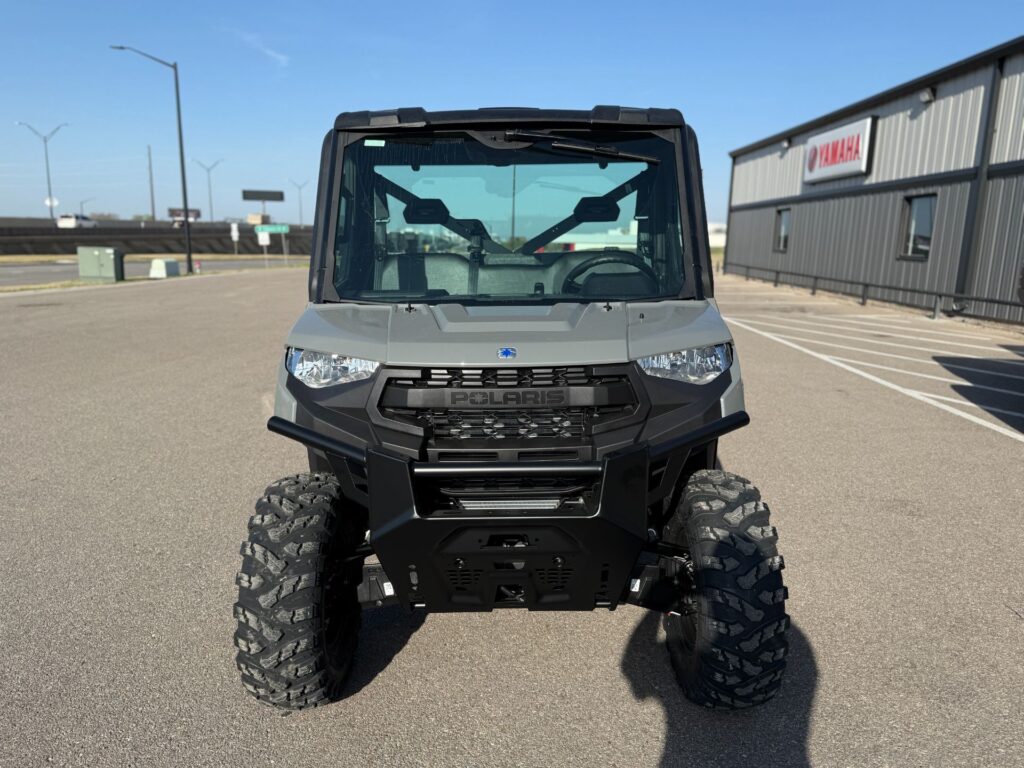
Buying a new utility vehicle means purchasing directly from a dealer with zero previous ownership.
Advantages of Buying New
Latest Technology
New models often include:
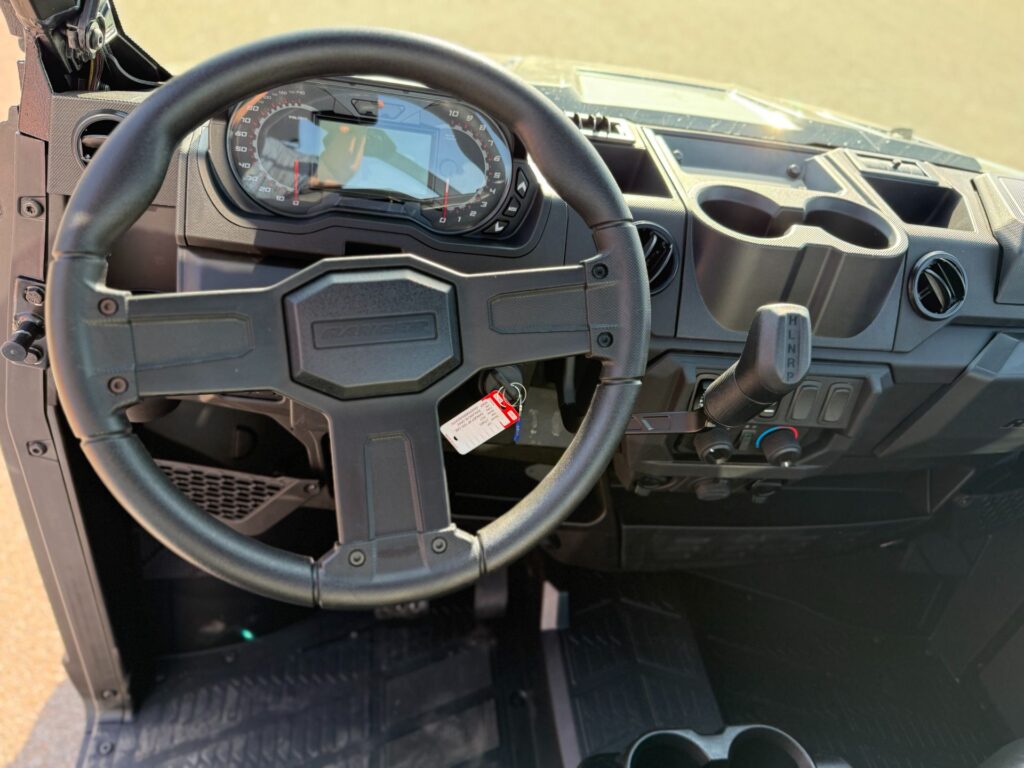
- Digital dashboards
- GPS capability
- Electronic power steering
- Improved suspension
- Better fuel efficiency
- Enhanced safety features
- Advanced traction control
These features improve comfort, performance, and productivity.
Full Manufacturer Warranty
One of the biggest benefits is warranty protection.
Most new UTVs include:
- Limited powertrain warranty
- Factory parts coverage
- Dealer support
- Recall repairs
Unexpected repair costs are typically much lower during the warranty period.
Maximum Reliability
Since everything is brand new:
- Engine has no wear
- Suspension components are unused
- Tires have full tread
- Battery is new
- No hidden maintenance history
This usually results in fewer repairs during the first several years.
Easier Financing
Dealers often provide:
- Low interest rates
- Promotional financing
- Flexible payment plans
This can make a new vehicle surprisingly affordable through monthly payments.
Disadvantages of Buying New
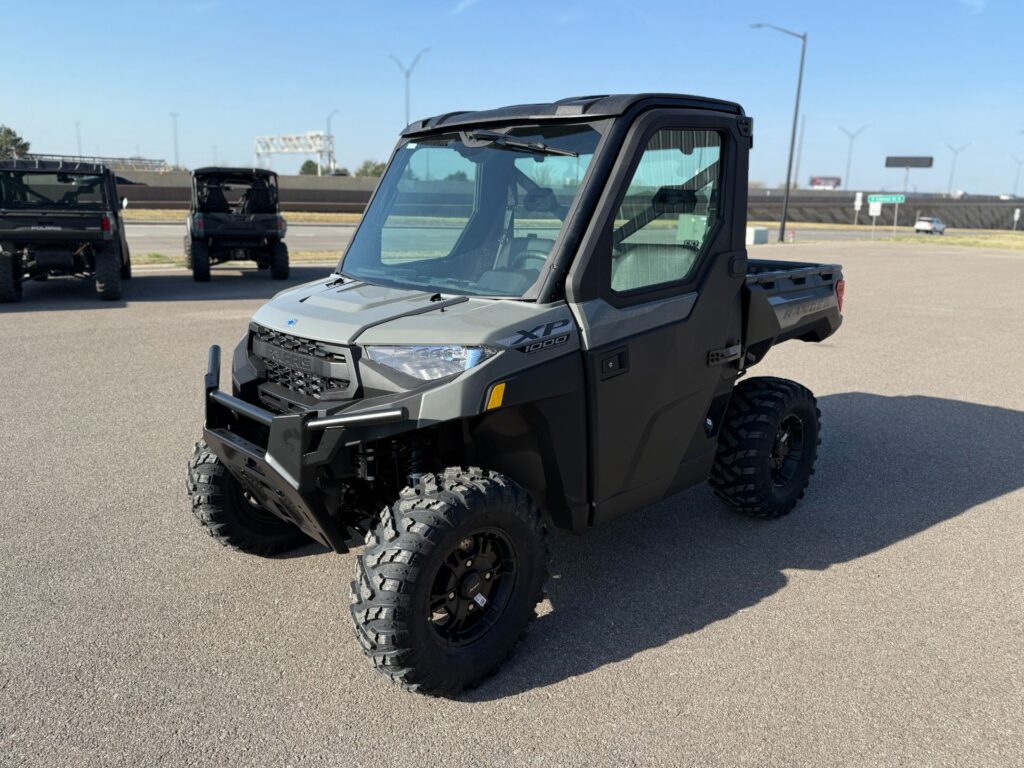
Higher Purchase Price
The largest downside is cost.
A new utility vehicle can cost thousands more than a comparable used model.
Depending on the brand and features, prices may range from:
- $10,000
- $15,000
- $20,000
- $30,000 or more
Accessories such as roofs, windshields, cabs, snowplows, and winches increase the total even further.
Faster Depreciation
Just like automobiles, utility vehicles lose value quickly.
Many models experience significant depreciation within the first few years of ownership.
If resale value is important, this is worth considering.
Higher Insurance Costs
Because replacement values are higher, insurance premiums may also increase.
Understanding Used Utility Vehicles
A used utility vehicle has had one or more previous owners.
Many buyers assume used means worn out—but that’s often not the case.
Properly maintained UTVs can provide years of dependable service.
Advantages of Buying Used Utility Vehicles
Lower Purchase Price
This is the biggest reason buyers choose used.
A lightly used utility vehicle can cost substantially less than a new one while delivering similar performance.
The savings can be used for:
- Attachments
- Implements
- Trailer
- Maintenance
- Spare tires
Slower Depreciation
Much of the initial depreciation has already occurred.
This means your investment often retains value better during ownership.
Better Value for the Budget
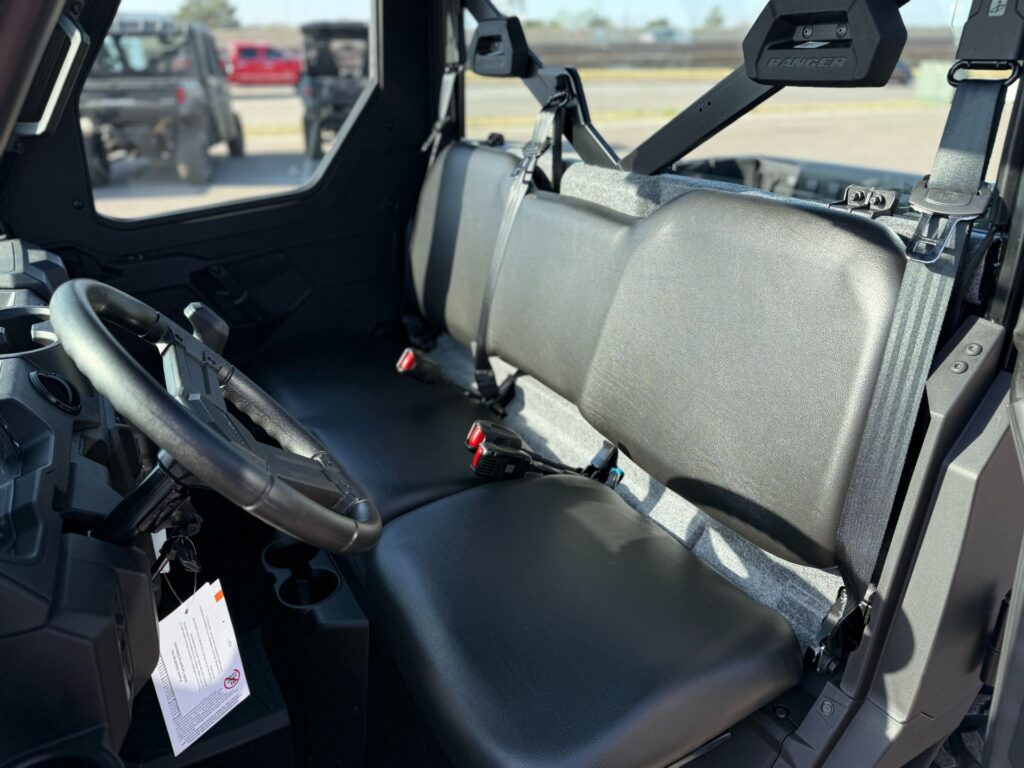
Instead of buying a basic new model, your budget may allow you to purchase:
- Higher horsepower
- Enclosed cab
- Diesel engine
- Power steering
- Premium suspension
- Hydraulic dump bed
These upgrades can greatly improve productivity.
Lower Registration and Insurance Costs
Depending on your location and insurer, older models can be less expensive to insure.
Disadvantages of Buying Used
Unknown Maintenance History
Not every previous owner follows recommended maintenance schedules.
Potential issues include:
- Missed oil changes
- Worn belts
- Suspension damage
- Engine abuse
- Poor storage conditions
This is why inspection is essential.
No Manufacturer Warranty
Many used vehicles are sold:
- As-is
- With limited dealer warranty
- Through private sellers
Unexpected repairs become the owner’s responsibility.
Older Technology
Used models may lack:
- Electronic steering
- Touchscreen displays
- Modern lighting
- Updated safety systems
However, these features may not matter if your primary goal is reliable work performance.
Cost Comparison: New vs Used Utility Vehicles
| Expense | New Utility Vehicle | Used Utility Vehicle |
|---|---|---|
| Purchase Price | High | Lower |
| Depreciation | High | Lower |
| Warranty | Yes | Usually No |
| Repairs | Lower initially | May be higher |
| Insurance | Higher | Lower |
| Financing | Easier | Depends on seller |
| Technology | Latest | Older |
| Long-Term Value | Moderate | Often Excellent |
Which Option Is Better for Farmers?
Used May Offer Better Value
Farmers typically prioritize:
- Reliability
- Payload capacity
- Towing power
- Affordability
Buying a well-maintained used diesel utility vehicle often leaves room in the budget for implements, fencing, feed, or other farm equipment.
Which Option Is Better for Businesses?
Construction companies and landscaping businesses should evaluate downtime carefully.
Consider Buying New If:
- Daily commercial use is expected.
- Maximum uptime is critical.
- Warranty coverage is important.
- Fleet standardization matters.
Consider Buying Used If:
- Budget is limited.
- Vehicle is used seasonally.
- Backup equipment is available.
- Maintenance staff can perform repairs.
How to Inspect a Used Utility Vehicle
Check the Engine
Look for:
- Oil leaks
- Smoke
- Hard starting
- Strange noises
- Excessive vibration
Inspect the Suspension
Check:
- Bushings
- Ball joints
- Shock absorbers
- Steering play
Examine Tires
Uneven wear can indicate:
- Alignment problems
- Suspension damage
- Poor maintenance
Test the Transmission
During a test drive:
- Shift into every gear
- Listen for grinding
- Check acceleration
- Verify smooth engagement
Check the Frame
Inspect for:
- Rust
- Cracks
- Weld repairs
- Bent components
Frame damage can be expensive to repair.
Best Buyers for New Utility Vehicles
A new utility vehicle may be the best option if you:
- Need dependable daily performance.
- Want the latest features.
- Prefer warranty protection.
- Plan to keep the vehicle for many years.
- Can comfortably afford the higher purchase price.
Best Buyers for Used Utility Vehicles
Used utility vehicles are ideal if you:
- Want maximum value.
- Have a limited budget.
- Understand basic maintenance.
- Need occasional rather than daily use.
- Can thoroughly inspect the vehicle before purchase.
Tips to Get the Best Deal
Compare Multiple Sellers
Never purchase the first vehicle you see.
Compare:
- Mileage or operating hours
- Maintenance records
- Accessories
- Overall condition
- Asking prices
Request Service Records
Documentation demonstrates responsible ownership.
Look for records of:
- Oil changes
- Filter replacements
- Belt service
- Brake maintenance
- Differential fluid changes
Perform a Test Drive
Always operate the vehicle before purchasing.
Pay attention to:
- Steering response
- Braking performance
- Engine temperature
- Transmission operation
- Four-wheel-drive engagement
Consider Total Ownership Cost
The purchase price is only part of the equation.
Budget for:
- Fuel
- Maintenance
- Tires
- Insurance
- Accessories
- Repairs
Sometimes spending a little more upfront can reduce long-term expenses.
Which Offers Better Value?
For most budget-conscious buyers, a quality used utility vehicle offers the strongest value.
You can often save thousands while purchasing a machine that still has many years of dependable service remaining. When purchased from a reputable dealer or a well-maintained private owner, used UTVs deliver excellent performance for farming, property maintenance, and recreational use.
However, buyers who depend on their utility vehicle every day for commercial work may benefit from the reliability, warranty coverage, and latest features of a new model.
Ultimately, the better value depends on how you plan to use the vehicle, your maintenance skills, and your available budget.
Final Thoughts
There is no one-size-fits-all answer to the new versus used utility vehicle debate. New models provide peace of mind, cutting-edge technology, and factory warranties, while used models offer exceptional affordability and slower depreciation.
Before making your decision, carefully evaluate your workload, compare ownership costs, inspect any used vehicle thoroughly, and choose the machine that best supports your long-term needs.
Whether you buy new or used, investing in the right utility vehicle can improve productivity, reduce labor, and provide reliable transportation for years to come.
Frequently Asked Questions (FAQs)
Is it better to buy a new or used utility vehicle?
If you want the lowest purchase price and the best value, a well-maintained used utility vehicle is often the better choice. If warranty coverage and the latest features are priorities, buying new may be worth the extra cost.
How many hours is too many on a used utility vehicle?
It depends on maintenance and usage. A properly serviced utility vehicle with several thousand hours can still provide reliable performance, while a poorly maintained machine with fewer hours may require costly repairs.
Do utility vehicles lose value quickly?
Yes. New utility vehicles typically experience the most depreciation during the first few years, while used models depreciate more slowly.
What should I inspect before buying a used UTV?
Check the engine, transmission, suspension, brakes, tires, frame, electrical system, service records, and overall condition. A test drive is also highly recommended.
Are used diesel utility vehicles worth buying?
Yes. Diesel models are known for durability, fuel efficiency, and strong torque, making them a popular choice for farms, construction sites, and commercial applications.
Is financing available for used utility vehicles?
Many dealerships and financial institutions offer financing for used utility vehicles, although interest rates may be slightly higher than for new models.
Which brands hold their value best?
Brands such as John Deere, Kubota, Polaris, Honda, Yamaha, and Kawasaki generally maintain strong resale values due to their reliability and reputation.
Should I buy from a dealer or a private seller?
Dealers often inspect, service, and may provide limited warranties, while private sellers can offer lower prices. Regardless of the source, always inspect the vehicle and verify its maintenance history before purchasing.
Playing here has been such a smooth and enjoyable experience from day one. The VIP program feels genuinely rewarding and the promotions are actually easy to claim without reading endless fine print. I appreciate how transparent they are about terms and how quick the team is to assist. Give it a spin and you will see why loyal members keep coming back. idvip288