
Gas vs. Diesel Utility Vehicles: Which One Is Better?
Whether you’re buying a utility vehicle for farming, construction, landscaping, ranch work, hunting, or property maintenance, one of the biggest decisions you’ll make is choosing between a gas or diesel engine.
Both engine types have advantages and disadvantages. A gas-powered utility vehicle generally costs less upfront and offers quicker acceleration, while a diesel utility vehicle delivers greater torque, better fuel efficiency under heavy loads, and a longer engine lifespan.
But which one is the better investment?
In this complete buying guide, we’ll compare gas and diesel utility vehicles in terms of performance, operating costs, maintenance, durability, towing, resale value, and overall ownership experience so you can confidently choose the right machine for your needs.
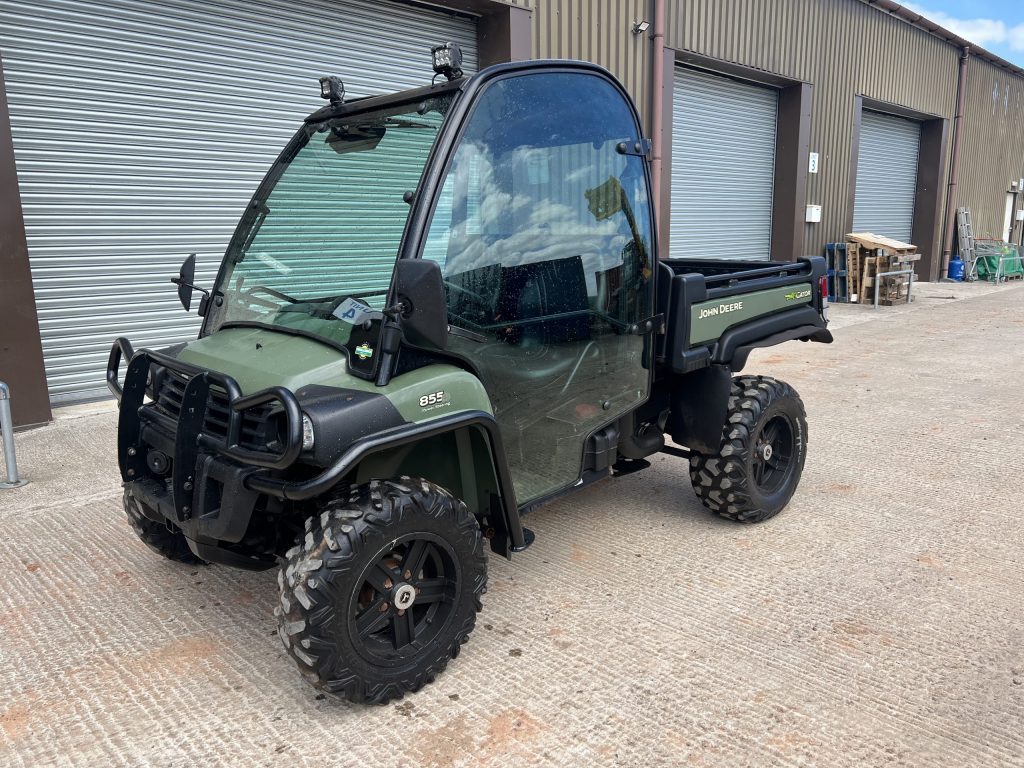
What Is a Utility Vehicle?
A utility vehicle (UTV) is a side-by-side vehicle designed for transporting people, equipment, and materials across farms, job sites, forests, parks, golf courses, warehouses, and large properties.
Unlike recreational side-by-sides, work utility vehicles prioritize:
- Heavy payload capacity
- Strong towing capability
- Cargo beds
- Durable drivetrains
- Reliable engines
- Comfortable all-day operation
They are available with either gasoline or diesel engines.
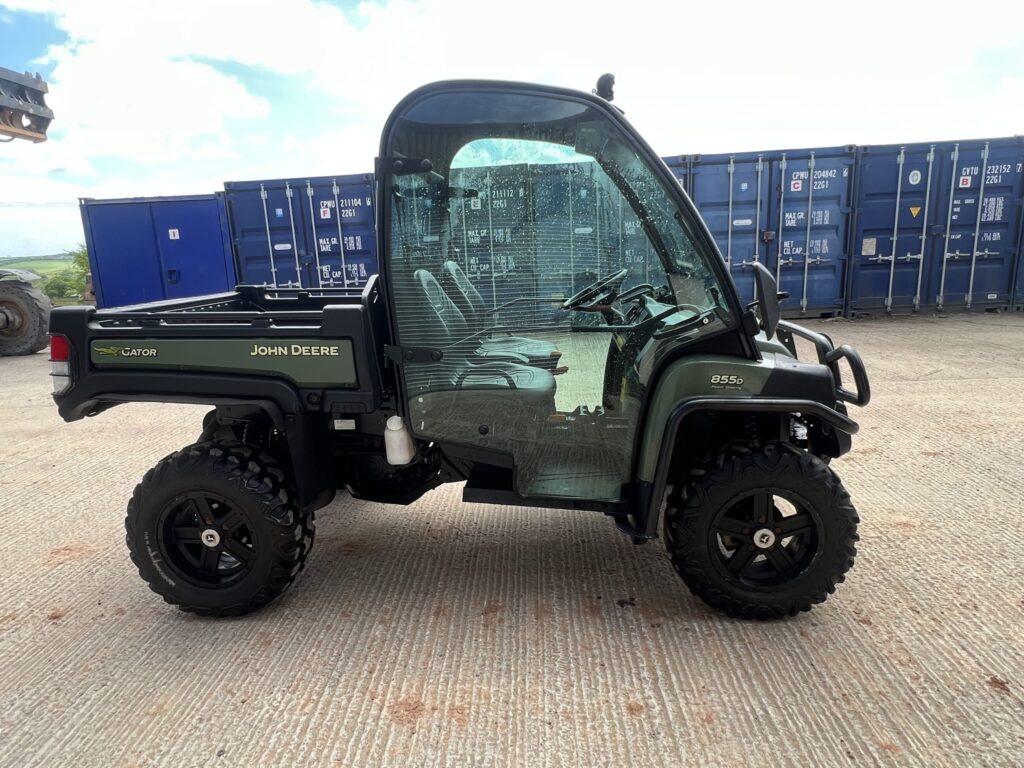
Understanding Gas Utility Vehicles
Gas-powered utility vehicles use spark ignition engines similar to those found in passenger vehicles.
They are commonly offered by manufacturers including:
- Kubota (selected models)
- Polaris
- Yamaha
- Honda
- Kawasaki
- Bobcat
- Club Car
- Cushman
These vehicles are especially popular among homeowners, landscapers, parks departments, and recreational users.
Advantages of Gas Utility Vehicles
Lower Purchase Price
Gas-powered UTVs generally cost less than comparable diesel models.
This makes them attractive for buyers with limited budgets.
Faster Acceleration
Gas engines usually provide:
- Quicker throttle response
- Higher engine RPM
- Faster acceleration
This makes driving more enjoyable on trails and lighter work applications.
Quieter Operation
Gas engines produce less engine noise.
This is especially beneficial for:
- Residential neighborhoods
- Campgrounds
- Golf courses
- Resorts
- Parks
Lower Maintenance Costs
Routine maintenance often includes:
- Oil changes
- Spark plug replacement
- Air filters
- Fuel filters
Parts are widely available and relatively inexpensive.
Easier Cold Weather Starting
Gas engines generally start more easily during winter without requiring glow plugs.
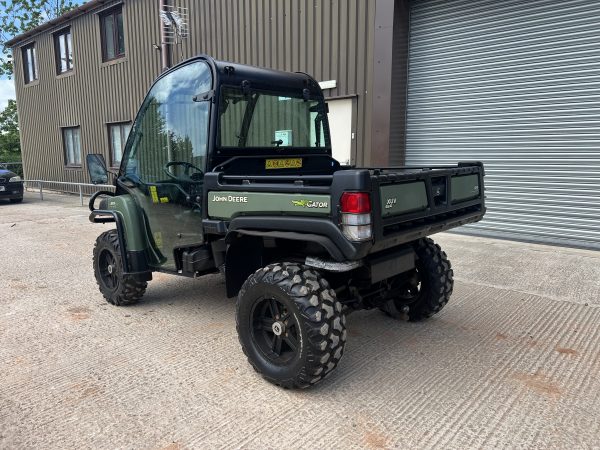
Disadvantages of Gas Utility Vehicles
Although gas UTVs have many advantages, they also come with limitations.
Lower Fuel Economy
Gasoline engines consume more fuel under heavy workloads.
Frequent towing or hauling can noticeably increase fuel expenses.
Less Torque
Gas engines develop less low-end torque.
This affects:
- Pulling trailers
- Climbing steep hills
- Heavy cargo transport
Shorter Engine Life
Although modern gas engines are reliable, they typically don’t last as long as diesel engines under continuous commercial use.
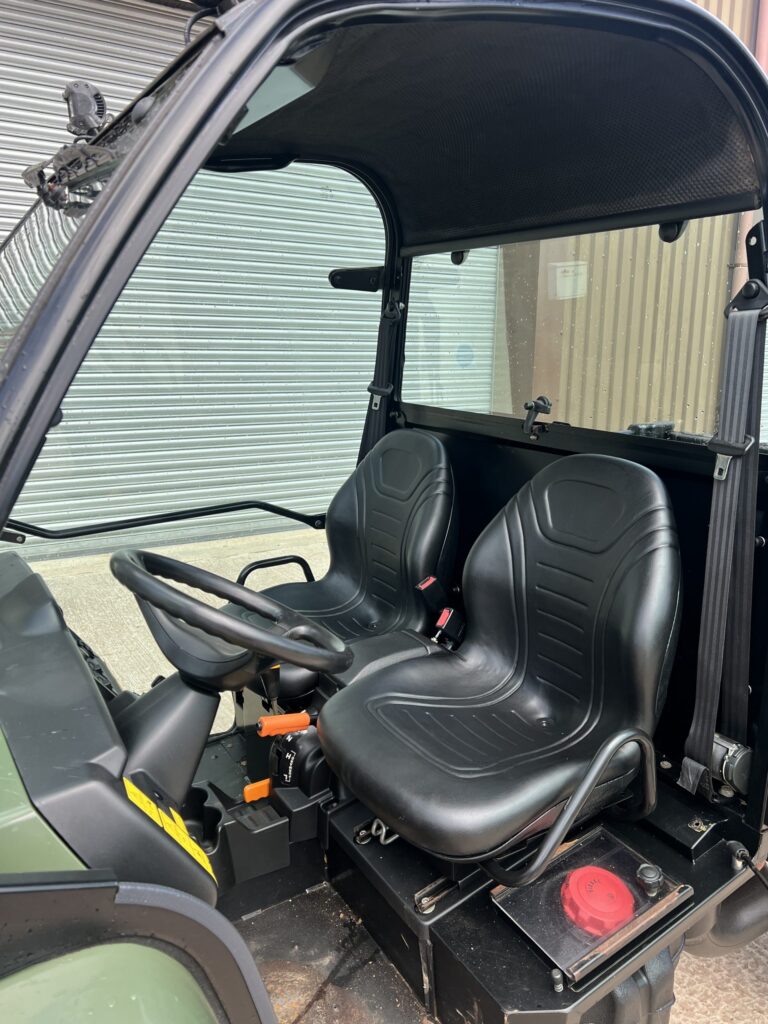
Understanding Diesel Utility Vehicles
Diesel utility vehicles use compression ignition engines designed for heavy-duty applications.
They’re commonly used in:
- Farms
- Ranches
- Construction sites
- Municipal fleets
- Industrial facilities
Popular diesel manufacturers include:
- Kubota
- John Deere
- Club Car
- Cushman
- Toro
Advantages of Diesel Utility Vehicles
Excellent Fuel Efficiency
Diesel engines extract more energy from each gallon of fuel.
When used daily, owners often notice:
- Lower fuel consumption
- Fewer refueling stops
- Reduced operating costs
Higher Torque
Torque is where diesel engines truly excel.
High torque provides:
- Better towing
- Easier hill climbing
- Improved hauling
- Strong pulling power
This makes diesel ideal for demanding work environments.
Longer Engine Lifespan
Many diesel engines routinely exceed several thousand operating hours with proper maintenance.
For commercial fleets, this longer lifespan often offsets the higher purchase price.
Better for Heavy Loads
If you’re constantly transporting:
- Firewood
- Gravel
- Feed
- Livestock supplies
- Construction materials
Diesel usually performs better.
Higher Resale Value
Well-maintained diesel utility vehicles often command stronger resale prices due to their durability and demand in commercial markets.
Disadvantages of Diesel Utility Vehicles
Higher Initial Cost
Diesel UTVs usually cost several thousand dollars more than equivalent gas models.
More Expensive Repairs
Although diesel engines are durable, repairs can be more expensive due to specialized components and labor.
Louder Operation
Diesel engines produce:
- More vibration
- Louder engine noise
- Stronger exhaust sound
Some operators may find this less comfortable during extended use.
Slower Acceleration
Diesel engines prioritize torque over speed.
Acceleration is typically slower compared to gasoline-powered machines.
Gas vs Diesel Utility Vehicles Comparison
| Feature | Gas | Diesel |
|---|---|---|
| Purchase Price | Lower | Higher |
| Fuel Economy | Good | Excellent |
| Engine Torque | Moderate | Excellent |
| Acceleration | Faster | Slower |
| Maintenance Cost | Lower | Moderate |
| Repair Cost | Lower | Higher |
| Engine Life | Good | Excellent |
| Noise Level | Quiet | Louder |
| Heavy Towing | Good | Excellent |
| Cold Weather Starting | Better | Good |
| Resale Value | Good | Excellent |
Which Engine Is Better for Farming?
Farm owners typically benefit more from diesel utility vehicles.
Diesel excels when:
Feeding livestock
Repeated trips carrying heavy feed bags require strong torque.
Pulling equipment
Dies, trailers, sprayers, and seeders are easier to tow with diesel power.
Long daily operation
Fuel savings become significant after hundreds of operating hours.
Which Engine Is Better for Construction?
Construction companies usually choose diesel.
Reasons include:
- Better durability
- Heavy hauling capability
- Long engine life
- Lower long-term operating costs
Which Engine Is Better for Hunting?
Hunters often prefer gas utility vehicles because they are:
- Quieter
- Faster
- Easier to maneuver
- Lighter
They also perform well on recreational trails.
Which Engine Is Better for Landscaping?
For landscaping businesses, the answer depends on workload.
Choose Gas If:
- Mostly transporting workers
- Light cargo
- Residential jobs
- Short distances
Choose Diesel If:
- Pulling trailers daily
- Commercial landscaping
- Heavy equipment transport
Fuel Costs Over Time
While diesel vehicles cost more upfront, they often become less expensive to own after years of commercial use because of:
- Better fuel economy
- Longer service life
- Higher resale value
However, occasional users may never recover the additional purchase price.
Maintenance Comparison
Gas Engine Maintenance
Typical service includes:
- Oil changes
- Spark plugs
- Air filter
- Fuel filter
Maintenance is generally straightforward and affordable.
Diesel Engine Maintenance
Routine maintenance includes:
- Oil changes
- Fuel filters
- Air filters
- Water separator service
- Glow plug inspection (where applicable)
Although maintenance intervals can be longer, parts and repairs are often more expensive.
Which Utility Vehicle Lasts Longer?
Diesel engines are engineered for heavy-duty work and, with proper care, typically outlast gas engines in demanding commercial use.
That said, longevity depends on regular maintenance, operating conditions, and overall vehicle care.
Buying Tips Before Choosing
Choose Gas If You:
- Own a small farm
- Use your UTV occasionally
- Want lower maintenance costs
- Prefer quicker acceleration
- Have a smaller budget
Choose Diesel If You:
- Operate daily
- Tow heavy loads
- Need maximum engine life
- Run a commercial fleet
- Want better fuel efficiency
Final Verdict
There is no universal winner in the gas versus diesel debate.
If you prioritize affordability, quiet operation, and lighter-duty performance, a gas-powered utility vehicle is an excellent choice.
If your work involves daily hauling, towing, and long hours in demanding conditions, a diesel utility vehicle is likely to deliver better long-term value despite its higher upfront cost.
The best choice depends on how you plan to use your utility vehicle, your budget, and the total cost of ownership over time.
Frequently Asked Questions (FAQs)
Is a diesel utility vehicle better than a gas utility vehicle?
Diesel utility vehicles are generally better for heavy-duty work because they offer higher torque, improved fuel efficiency, and longer engine life. Gas models are often preferred for lighter work and recreational use due to their lower purchase price and quicker acceleration.
Which utility vehicle lasts longer?
Diesel utility vehicles typically have a longer service life than gas-powered models when properly maintained, especially in commercial and agricultural applications.
Are diesel utility vehicles more fuel efficient?
Yes. Diesel engines usually consume less fuel than comparable gasoline engines, particularly when towing or carrying heavy loads.
Which utility vehicle is cheaper to maintain?
Gas utility vehicles generally have lower routine maintenance and repair costs because their engines are simpler and replacement parts are often less expensive.
Are gas utility vehicles good for farms?
Yes. Gas-powered utility vehicles work well for small farms, hobby farms, and light-duty tasks such as transporting tools, supplies, and workers. For intensive daily farm operations, diesel models may be a better fit.
Which engine is best for towing?
Diesel engines are typically the better choice for towing because they produce higher torque at lower engine speeds, making it easier to pull trailers and heavy equipment.
Is diesel worth the extra cost?
If you use your utility vehicle frequently for commercial work, farming, or heavy hauling, the higher purchase price of a diesel model can be offset over time through fuel savings, durability, and stronger resale value.
Can gas utility vehicles handle heavy work?
Yes, many gas-powered UTVs are capable of hauling and towing moderate loads. However, for continuous heavy-duty use, diesel-powered models generally provide better performance and efficiency.