
Used Utility Vehicles for Hunting and Outdoor Recreation: The Complete Buyer’s Guide
If you spend your weekends chasing whitetail through the timber, hauling gear to a remote camp, or just love getting off the beaten path, you already know a good utility vehicle changes everything. A UTV (also called a side-by-side) can turn a two-hour slog through mud and brush into a fifteen-minute ride and it can drag a full-grown elk out of a canyon without breaking a sweat.
But new side-by-sides can easily run $20,000 to $30,000 once you add accessories. That’s why more hunters and outdoor enthusiasts are turning to the used market. A well-maintained used UTV can save you thousands of dollars while still giving you years of dependable service in the field.
This guide walks through everything you need to know before buying a used utility vehicle for hunting and outdoor recreation — what to look for, which brands hold up best, and how to avoid an expensive mistake. Used Utility Vehicles for Hunting and Outdoor Recreation
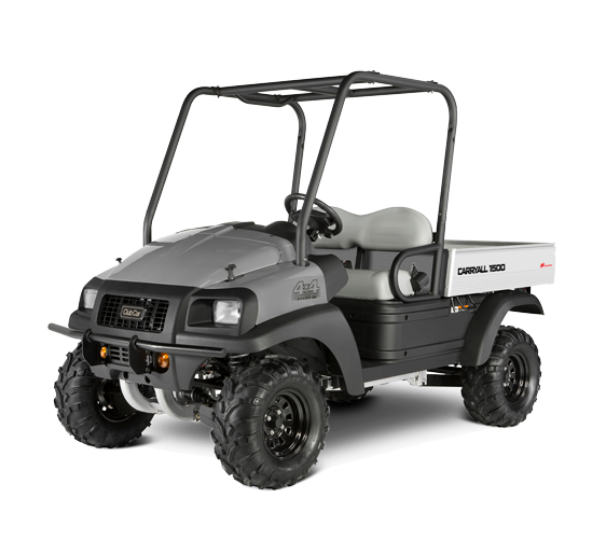
Why a Utility Vehicle Belongs in Every Hunter’s Toolkit
A dedicated hunting rig isn’t a luxury anymore it’s practically standard gear for anyone who hunts public land, manages a large property, or hunts with a group.
Getting Deep Into the Backcountry Without Wearing Yourself Out
Walking three miles into a hunting spot before daylight is doable once. Doing it every weekend of the season is a different story. A UTV lets you cover ground quickly and quietly, arrive at your stand with energy to spare, and scout new terrain in a fraction of the time it would take on foot.Used Utility Vehicles for Hunting and Outdoor Recreation
Hauling Gear, Game, and Camp Supplies
This is the feature hunters talk about most. A mid-size UTV can typically carry 500 to 1,000 pounds in its cargo bed, which means you can bring in tree stands, decoys, coolers, and firewood in one trip — and bring out a deer, hog, or elk quarters without needing four extra sets of hands.
Built for Rough, Unpredictable Terrain
Unlike ATVs, most UTVs offer side-by-side seating, roll cages, and four-wheel drive with locking differentials, which makes them far more stable on steep grades, rocky trails, and soft ground. That stability matters when you’re navigating in the dark or hauling a heavy load.Used Utility Vehicles for Hunting and Outdoor Recreation

What to Check Before Buying a Used Utility Vehicles for Hunting and Outdoor Recreation
Buying used means doing your homework. A machine that looks clean in photos can be hiding expensive problems underneath.
Engine and Drivetrain Condition
Start the engine cold if at all possible. It should turn over easily and idle smoothly without excessive smoke. Listen for knocking, ticking, or grinding noises, and check that four-wheel drive engages cleanly without hesitation or unusual noise from the differentials.Used Utility Vehicles for Hunting and Outdoor Recreation
Signs of Engine Trouble to Watch For
- White or blue smoke from the exhaust
- Oil that looks milky or smells like fuel
- Coolant that’s low, discolored, or has visible residue in the reservoir
- A CVT belt with cracks, glazing, or uneven wear
Frame, Suspension, and Undercarriage
Get the machine on a lift or crawl underneath with a flashlight. Off-road vehicles take a beating, and frame damage is one of the most expensive things to fix.
What a Damaged Frame or Suspension Looks Like
- Rust or corrosion along welds and seams
- Bent or dented A-arms and skid plates
- Uneven tire wear, which often points to alignment or suspension issues
- Excessive play when you rock each wheel by hand
Mileage, Hours, and Maintenance History
UTVs are usually measured in engine hours rather than miles. As a rough guide, 300 to 500 hours is considered light-to-moderate use, while anything over 1,000 hours means the machine has seen serious work and should be priced accordingly. Always ask for maintenance records — oil changes, belt replacements, and any warranty repairs. A seller who can’t produce any history is a yellow flag, not necessarily a dealbreaker, but reason to negotiate or get an inspection.Used Utility Vehicles for Hunting and Outdoor Recreation
Title, Registration, and Ownership History
Confirm the title is clean and matches the seller’s ID. Check the VIN against any available records for flood damage, theft, or salvage titles, and make sure any liens have been released before money changes hands.Used Utility Vehicles for Hunting and Outdoor Recreation
Best Types of Used UTVs for Used Utility Vehicles for Hunting and Outdoor Recreation
Not every side-by-side is built the same way, and the right choice depends heavily on how and where you hunt.
Two-Seat Utility Models
These are the workhorses of the hunting world — compact, tough, and designed to haul rather than race. They’re typically the most affordable option on the used market and are a great fit for solo hunters or small properties.Used Utility Vehicles for Hunting and Outdoor Recreation
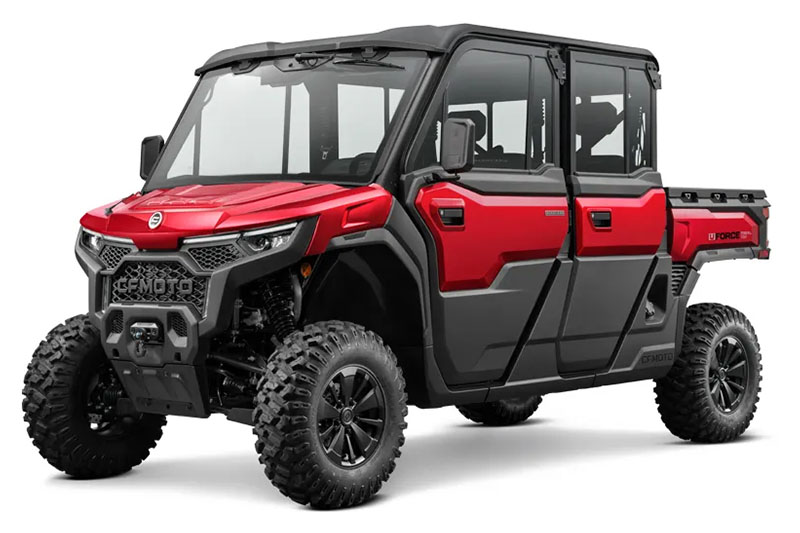
Crew Cab Side-by-Sides
If you hunt with family or a regular group, a four- or six-seat crew model lets everyone ride in together, which matters when you’re heading out before sunrise or packing out after a long day. Expect to pay more for these used, since they hold their value well.Used Utility Vehicles for Hunting and Outdoor Recreation
Sport-Utility Hybrids
These blend performance suspension with usable cargo capacity, making them a solid choice for hunters who also want a machine that’s fun to run recreationally — trail riding, mud runs, or general property exploring outside of hunting season.Used Utility Vehicles for Hunting and Outdoor Recreation
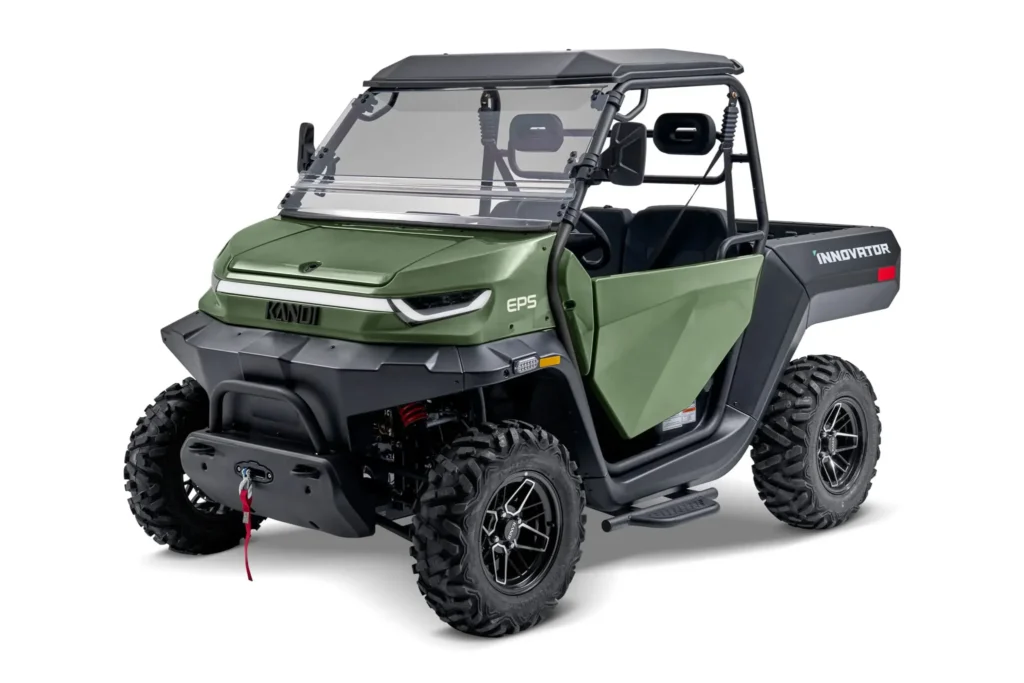
Electric and Hybrid UTVs
Electric side-by-sides have grown in popularity with bowhunters and waterfowlers because they’re nearly silent, which means less chance of spooking game on the approach. Used electric models are still relatively rare but worth considering if quiet operation is a priority for your hunting style.Used Utility Vehicles for Hunting and Outdoor Recreation
Top Brands to Look for on the Used Market
Some manufacturers have earned strong reputations for durability and resale value, which makes them smart targets when shopping used.
Polaris Ranger
The Ranger lineup is widely regarded as the industry benchmark for hauling capacity and reliability, and used values hold up well because parts and service are easy to find almost anywhere.
Can-Am Defender
Known for a smooth ride and strong towing capacity, the Defender is a favorite among hunters who need to move heavy loads across uneven terrain.
Kawasaki Mule
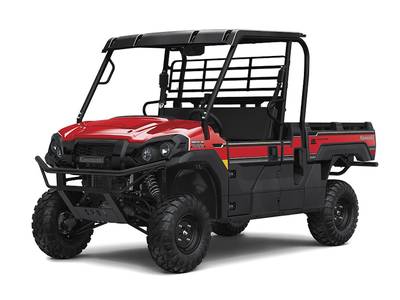
The Mule has a long track record of low-maintenance, high-durability performance, making it a popular pick for buyers who want a simple, dependable workhorse without a lot of extra bells and whistles.
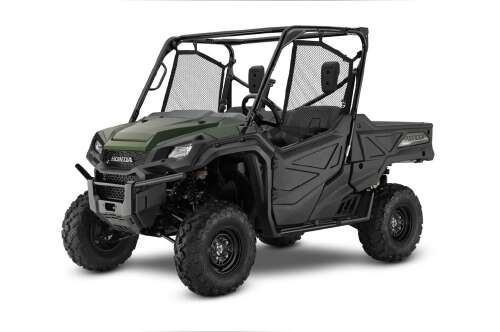
Honda Pioneer
Honda’s reputation for engine longevity carries over to the Pioneer line, and these machines tend to hold their resale value better than most competitors.
Kubota RTV
Originally built for agricultural use, the RTV series is a favorite of landowners who need year-round utility beyond just hunting season — think mowing, plowing, and general property maintenance.
Where to Buy a Used Utility Vehicles for Hunting and Outdoor Recreation
Dealerships and Certified Pre-Owned Programs
Dealers often offer certified pre-owned UTVs that come with a limited warranty and a multi-point inspection. You’ll typically pay more than a private-party price, but you get added peace of mind and financing options.
Private Sellers
Buying from an individual can save you money, but it puts more responsibility on you to verify the machine’s condition and history. Always meet in person, inspect thoroughly, and consider paying for an independent mechanical inspection before finalizing the deal.
Online Marketplaces and Auctions
Sites specializing in powersports listings can offer a wide selection, but photos and descriptions only tell part of the story. If you can’t inspect the machine in person, ask for a detailed video walkaround and recent maintenance receipts before committing.
How Much Should You Expect to Pay?
Prices vary widely based on brand, age, hours, and condition, but here’s a general framework:
- Entry-level, higher-hour models (5+ years old): $6,000–$10,000
- Mid-range models in good condition (2–4 years old): $10,000–$16,000
- Late-model, low-hour, well-equipped units: $16,000–$22,000
Always budget extra for accessories that matter for hunting use, such as a winch, gun boot, rack system, and camo wrap, since these are often sold separately even on used units.
Final Tips Before You Sign the Paperwork
- Always test drive the vehicle on varied terrain, not just a flat driveway
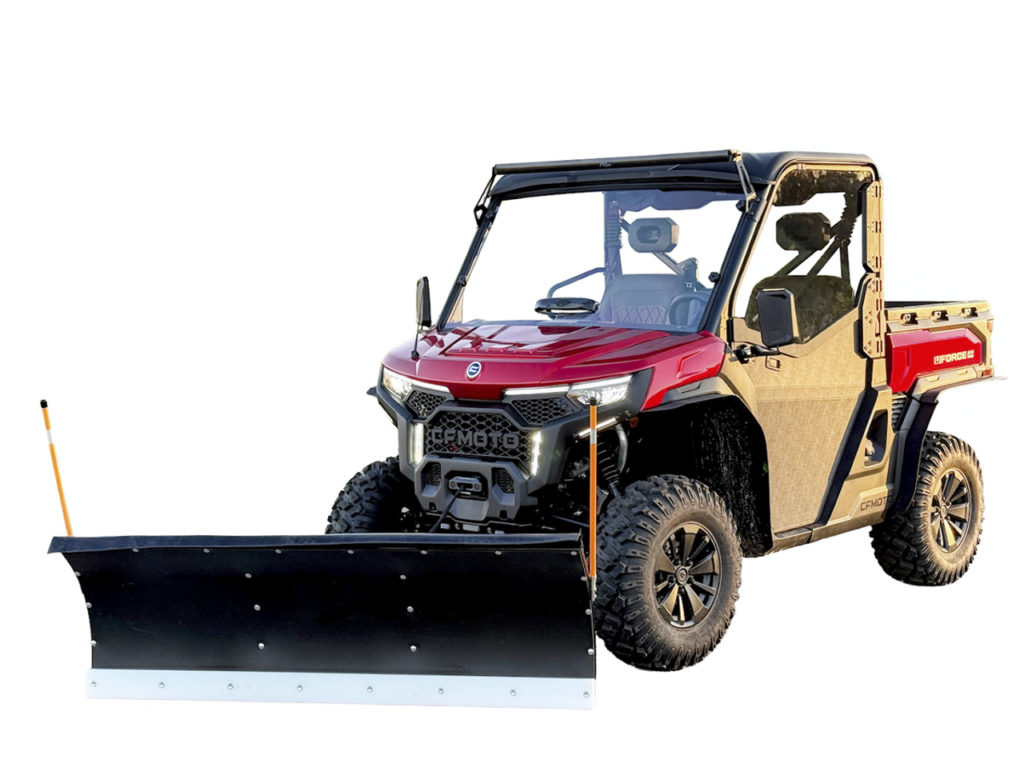
- Check that all accessories advertised (winch, plow, lights) are actually included and functional
- Get a written bill of sale, even in a private-party transaction
- Factor in the cost of a post-purchase inspection if buying sight unseen
- Ask about spare parts availability for that specific model before buying an older or less common brand
A used utility vehicle can be one of the smartest investments you make for hunting and outdoor recreation, as long as you go in with a clear checklist and take your time evaluating the machine. Do the legwork up front, and you’ll end up with a rig that earns its keep for years to come.
Frequently Asked Questions
How many hours is too many on a used UTV?
There’s no hard cutoff, but most buyers start getting cautious above 1,000 hours, since that’s when major components like the CVT belt, engine, and drivetrain typically need closer inspection or replacement. A high-hour machine isn’t automatically a bad buy — it just needs a thorough mechanical check and should be priced accordingly.
Is it better to buy a used UTV from a dealer or a private seller?
Dealers generally offer more protection through inspections and limited warranties, which is valuable if you’re not confident evaluating a machine yourself. Private sellers can offer better prices, but you’ll need to do more of the verification work yourself, ideally with a trusted mechanic.
What’s the difference between a UTV and an ATV for hunting?
ATVs are straddle-seated, single-rider machines, while UTVs (side-by-sides) have bucket or bench seating, a steering wheel, and typically much greater cargo and towing capacity. Most hunters who need to haul gear or game, or who ride with a partner, find UTVs more practical.
Do I need four-wheel drive for hunting terrain?
In most cases, yes. Four-wheel drive with a locking front differential provides the traction needed for mud, steep inclines, and loose or rocky ground that’s common on hunting properties and public land.
How long do used UTV engines typically last?
With regular maintenance, most gas-powered UTV engines can run well beyond 2,000 hours. Lifespan depends heavily on how consistently the previous owner kept up with oil changes, air filter cleaning, and belt maintenance.
Are electric UTVs a good option for hunters?
Electric side-by-sides are appealing for their near-silent operation, which can be a real advantage when approaching a stand or blind. The tradeoffs are typically a shorter range and higher upfront cost, so they tend to suit hunters with smaller properties or shorter haul distances best.
What should I inspect first when viewing a used UTV in person?
Start with the engine (cold start, smoke, noise), then check the CVT belt, tires, and frame for damage or rust, and finally verify that four-wheel drive and all electrical accessories work as expected. Save the test drive for last, once you’ve confirmed there’s nothing obviously wrong.