
Common Problems with Used Club Car Carryall UTVs if you’re shopping for a used Club Car Carryall UTV, you’re probably drawn to the same things everyone else is: a rugged work-ready platform, a lower price tag than buying new, and a brand name that’s been trusted on farms, ranches, and job sites for decades. But like any used utility vehicle, a pre-owned Carryall can come with hidden wear and tear that isn’t obvious during a quick test drive.
This guide walks through the most common problems with used Club Car Carryall UTVs, how to spot them during an inspection, and what it actually costs to fix them so you can buy with confidence instead of crossing your fingers.
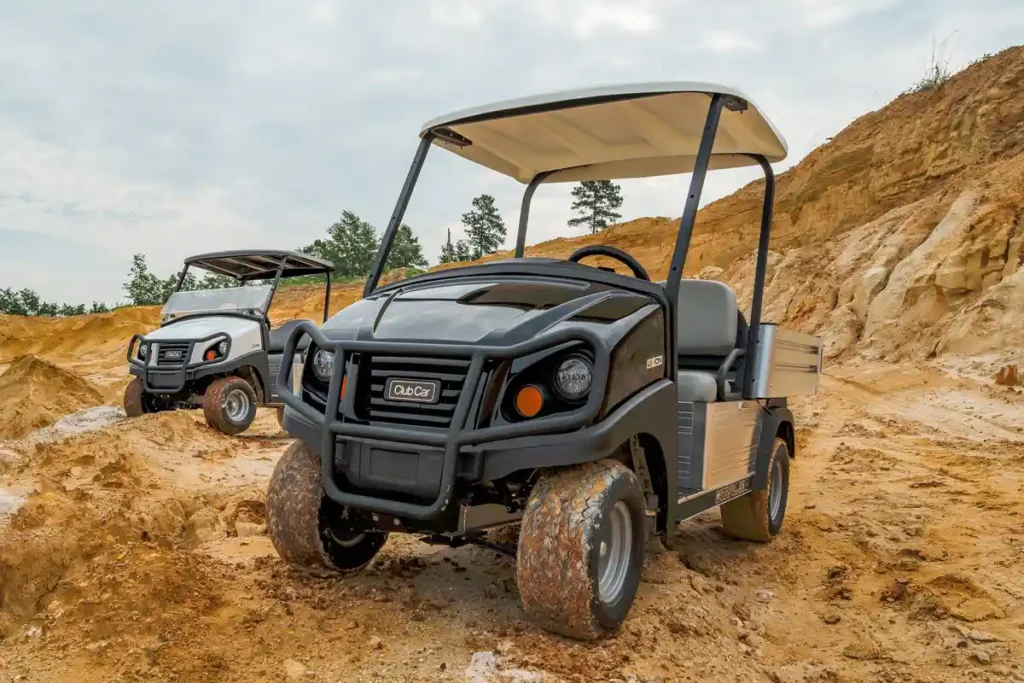
Table of Contents
- Quick Answers: Club Car Carryall Problems at a Glance
- What Is a Club Car Carryall UTV?
- Most Common Problems with Used Club Car Carryall UTVs
- How to Inspect a Used Club Car Carryall Before You Buy
- Maintenance Tips to Avoid Future Breakdowns
- Is a Used Club Car Carryall Worth Buying?
- FAQs About Used Club Car Carryall Problems
Quick Answers: Club Car Carryall Problems at a Glance
What are the most common problems with a used Club Car Carryall? The most frequently reported issues are weak or dying batteries on electric models, corroded electrical connectors, worn brake pads, transmission clutch wear on gas models, and frame rust on units that have spent years outdoors.Common Problems with Used Club Car Carryall UTVs
How long do Club Car Carryall UTVs typically last? With regular maintenance, a Club Car Carryall UTV can run reliably for 3,000–5,000 hours of use or more, though electric models depend heavily on battery age and charging habits.Common Problems with Used Club Car Carryall UTVs
Are used Club Car Carryalls reliable? Yes Club Car has a strong reputation for durability, but reliability on a used unit comes down to how well the previous owner maintained it, so a pre-purchase inspection matters more than the model year.
What Is a Club Car Carryall UTV?
The Club Car Carryall is a line of utility task vehicles (UTVs) built for hauling, towing, and getting around large properties think golf courses, farms, campgrounds, construction sites, and hunting land. They come in both gas-powered and electric configurations, with cargo beds, towing capacity, and accessory options that make them popular with both commercial buyers and private landowners.Common Problems with Used Club Car Carryall UTVs
Because these vehicles are workhorses, most used units on the market have logged real hours doing real jobs which means wear is often more significant than what you’d see on a lightly-used recreational side-by-side. That’s exactly why knowing the common failure points matters so much before you commit to a purchase.
If you’d rather skip the guesswork entirely, you can browse our current Club Car Carryall UTV inventory every unit we list goes through the same checklist covered below.
Most Common Problems with Used Club Car Carryall UTVs
Electrical System Issues
Electrical gremlins are one of the top complaints among used Carryall owners, especially on units that have spent years outdoors or in humid climates. Common symptoms include:
- Dashboard lights that flicker or won’t turn on
- Intermittent loss of power while driving
- Corroded wiring harnesses or connectors
- Faulty ignition switches
Why it happens: Moisture, dust, and vibration are constant enemies of exposed wiring on utility vehicles. Over time, connectors corrode and insulation cracks, especially near the battery compartment and engine bay.Common Problems with Used Club Car Carryall UTVs
What to check: Ask to see the vehicle started cold, and inspect wiring near the battery terminals for green or white corrosion. If you’re unsure what you’re looking at, check our UTV buyer FAQs or contact our team for guidance on what a healthy wiring harness should look like before you buy.
Battery Problems on Electric Models
If you’re looking at an electric Club Car Carryall, the battery pack is the single biggest factor in resale value and reliability. Lead-acid batteries in utility vehicles typically last 4–6 years with proper charging, but neglect can cut that lifespan in half.Common Problems with Used Club Car Carryall UTVs
Warning signs of battery trouble:
- Noticeably shorter range than the vehicle’s rated distance
- Slow acceleration or reduced power when climbing inclines
- Batteries that show corrosion at the terminals
- A charger that runs unusually long or shuts off early
Pro tip: Ask the seller directly when the batteries were last replaced. A full battery pack replacement can run several hundred to over a thousand dollars depending on configuration, so this single question can change your negotiating position significantly. Browse our electric 4×4 UTV inventory to compare battery-electric models and their pricing.Common Problems with Used Club Car Carryall UTVs
Engine Trouble on Gas Models
Gas-powered Carryalls avoid battery concerns but bring their own set of used-vehicle risks:
- Hard starting or stalling at idle
- Excessive exhaust smoke (blue smoke usually signals oil burning; white smoke can mean a coolant leak)
- Rough idling from a dirty or failing carburetor
- Reduced power output from worn piston rings
Why it happens: Many used utility vehicles sit idle for long stretches between jobs or seasons, which is hard on carburetors and fuel systems. Old gas left in the tank over winter is one of the most common culprits behind hard-starting engines.Common Problems with Used Club Car Carryall UTVs
What to check: Start the engine cold if at all possible a problem engine often reveals itself in the first 30 seconds before it “warms up” and hides symptoms.
Transmission and Drivetrain Wear
The Carryall’s CVT-style transmission (on gas models) and drive axles take a beating when the vehicle is used for heavy hauling or steep terrain. Watch for:
- Grinding or whining noises when shifting between forward and reverse
- Delayed engagement when accelerating
- Visible wear on the drive belt
- Clunking noises from the differential
Why it matters: Transmission repairs on UTVs aren’t cheap, and a slipping belt or worn clutch can be a sign the vehicle was used well beyond its rated towing capacity. If you hear unusual noises during a test drive, it’s worth having a technician take a closer look before you finalize the purchase reach out to our team to talk through what you’re hearing before you commit.Common Problems with Used Club Car Carryall UTVs
Suspension and Steering Problems
Because Carryalls are built to haul heavy loads over rough ground, suspension components wear faster than on a typical passenger vehicle. Common issues include:
- Sagging rear suspension from years of overloading
- Loose or worn tie rods causing “wandering” steering
- Squeaking or clunking over bumps
- Uneven tire wear from misalignment
Brake System Wear
Brakes are a safety-critical item that’s easy to overlook on a used purchase. Look for:
- Spongy or soft brake pedal feel
- Grinding noise when braking
- Uneven stopping (pulling to one side)
- Visible fluid leaks near the brake lines
Brake pads and rotors are relatively inexpensive to replace, but a leaking master cylinder is a bigger repair one worth factoring into your offer price.Common Problems with Used Club Car Carryall UTVs
Frame and Body Corrosion
Because Carryalls are often stored outdoors on farms and job sites, rust and corrosion on the frame, bed, and undercarriage are extremely common on older units. Surface rust is cosmetic, but structural rust on the frame rails or mounting points is a genuine safety concern.Common Problems with Used Club Car Carryall UTVs
What to check: Get underneath the vehicle with a flashlight and inspect the frame rails, not just the visible bodywork. A seller who’s kept the vehicle garaged will usually be proud to tell you so.
Tire and Wheel Damage
Tires are a wear item, but uneven or excessive wear can point to bigger problems:
- Cupping or feathering suggests alignment or suspension issues
- Cracked sidewalls indicate age-related dry rot, common on units that sat unused for long periods
- Bent rims from off-road use can cause slow leaks
How to Inspect a Used Club Car Carryall Before You Buy
Before handing over payment, walk through this checklist:
- Start it cold. Never accept a vehicle that’s already warmed up for you.
- Check maintenance records. Ask for service history, especially oil changes (gas models) or battery replacement dates (electric models).
- Inspect the frame and undercarriage for rust, cracks, or previous repair welds.
- Test drive on varied terrain if possible — inclines reveal power and transmission issues that flat pavement won’t.
- Check all electrical accessories — lights, gauges, horn, and any add-ons like winches or plows.
- Look at tire tread and sidewalls for uneven wear or cracking.
- Test the brakes at low speed in a safe, open area.
For more buyer guidance before you go see a vehicle in person, check our UTV FAQs page.
Maintenance Tips to Avoid Future Breakdowns
Once you’ve bought your Carryall, a little routine care goes a long way:
- Charge electric batteries fully after every use — partial charging shortens battery lifespan significantly.
- Change gas engine oil every 100–125 hours of use, or at least once per season.
- Keep electrical connectors clean and dry, especially before winter storage.
- Inspect brake pads every 200 hours or at the first sign of pedal softness.
- Store the vehicle under cover whenever possible to slow frame and body corrosion.
Learn more about what makes a well-maintained agricultural utility vehicle hold its value over time.
Is a Used Club Car Carryall Worth Buying?
For most buyers, yes. Club Car has built a genuine reputation for durability, and a well-maintained used Carryall can offer years of reliable service at a fraction of the cost of a new unit. The key word is well-maintained the problems outlined above aren’t reasons to avoid buying used, they’re simply what to check before you sign anything.Common Problems with Used Club Car Carryall UTVs
If you’d rather not gamble on an unknown seller, explore our Club Car Carryall UTVs for sale each listing is inspected against the exact checklist in this article, with documented details included.
Ready to find your next work vehicle? Get in touch with our team for a no-pressure walkthrough of your options, or browse other used UTV brands in our shop if you’re comparing the Carryall against alternatives.
FAQs About Used Club Car Carryall Problems
How much does it cost to fix common Club Car Carryall problems?
Costs vary widely by issue. Brake pad replacement typically runs on the lower end, while a full battery pack replacement on an electric model or a transmission rebuild on a gas model can run into the hundreds or low thousands of dollars. Getting a pre-purchase inspection helps you negotiate the price down to account for any needed repairs.Common Problems with Used Club Car Carryall UTVs
What year Club Car Carryall models are the most reliable?
Reliability depends more on maintenance history than model year. That said, later model years generally benefit from updated electrical components and improved corrosion resistance. Always prioritize service records over model year alone.
Why won’t my used Club Car Carryall start?
Hard starting is most commonly caused by old fuel sitting in the tank (gas models), a weak or corroded battery connection (electric models), or a failing ignition switch. Start with the simplest and cheapest checks first fuel freshness and battery terminals before assuming a bigger mechanical problem.
How do I know if the batteries need replacing on an electric Carryall?
If the vehicle’s range has dropped noticeably, it struggles on inclines, or the batteries show corrosion at the terminals, they likely need replacing. Ask the seller for the battery installation date; most lead-acid battery packs last 4–6 years.
Are Club Car Carryall parts easy to find?
Yes. Club Car has a well-established dealer and parts network, and most common wear items brakes, belts, batteries, filters are widely available either through dealers or aftermarket suppliers. If you’re still shopping, compare current Club Car Carryall UTVs for sale to see which units come with recent parts already replaced.
Should I get a pre-purchase inspection on a used UTV?
Absolutely. A pre-purchase inspection typically costs far less than the repairs it can help you avoid, and it gives you real leverage to negotiate price if problems are found. Contact our team with questions before finalizing any private-party purchase.
Bottom line: A used Club Car Carryall UTV can be a smart, budget-friendly investment as long as you know what to look for. Use the checklist above, ask the right questions, and don’t be afraid to walk away from a seller who won’t let you inspect the vehicle thoroughly.
Looking for a Carryall you can trust from day one? View our current inventory of used Club Car Carryall UTVs for sale and drive away with confidence, not question marks.