
Common Problems with Used Honda Pioneer Units
Table of Contents
- Quick Answer: AI Overview
- Why Buyers Love the Used Honda Pioneer
- Engine and Fuel System Problems
- Transmission, Clutch, and Drivetrain Problems
- Cooling and Overheating Issues
- Electrical and Battery Problems
- Suspension, Steering, and Brake Wear
- Body, Frame, and Cosmetic Concerns
- Model-by-Model Notes (500, 700, 1000)
- Used Honda Pioneer Inspection Checklist
- Questions to Ask Before You Buy
- Where to Find a Reliable Used Honda Pioneer
- Frequently Asked Questions
- Final Thoughts
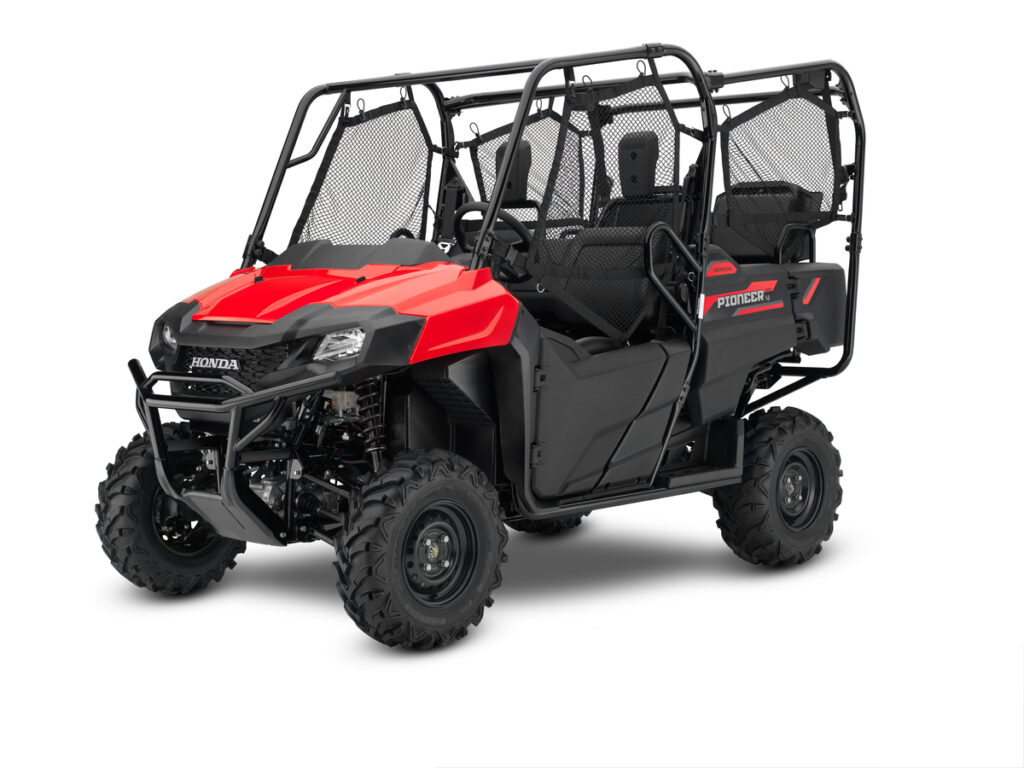
Quick Answer:
What are the most common problems with used Honda Pioneer units?
The most common problems are worn drive belts and clutch components, overheating from clogged radiators, weak batteries and corroded electrical connections, fuel system trouble caused by old gas, worn CV boots and suspension bushings, and brake pad wear. Most are inexpensive to fix when caught early. A used Honda Pioneer with good service records is generally a reliable, durable side by side.Common Problems with Used Honda Pioneer Units
Are used Honda Pioneers reliable?
Yes. Honda built its reputation on durable engines and conservative engineering. Condition matters far more than the badge, though. A well-maintained Pioneer with 1,500 miles can be a better buy than a neglected one with 500.Common Problems with Used Honda Pioneer Units
What should I check first?
Start with a cold start, then check for fluid leaks, test the drivetrain in every gear, look for rust or frame damage, and ask for maintenance records and the VIN.Common Problems with Used Honda Pioneer Units
Why Buyers Love the Used Honda Pioneer
If you’ve spent any time shopping for a used side by side, you’ve seen the Honda Pioneer name come up again and again. Farmers, hunters, ranchers, landscapers, and weekend trail riders all gravitate toward it. It’s easy to drive, comfortable to ride in, and backed by Honda’s reputation for engines that run for years with basic care.Common Problems with Used Honda Pioneer Units
But no machine is perfect, and a used Honda Pioneer has a history you didn’t see. The previous owner may have hauled heavy loads, crossed deep water, skipped oil changes, or parked it outside for five winters. Knowing the common Honda Pioneer problems before you shop puts you in a much stronger position, whether you’re negotiating price or just deciding whether to walk away.Common Problems with Used Honda Pioneer Units
This guide covers what tends to go wrong, what’s a minor annoyance versus a real red flag, and how to inspect a unit like someone who’s done it before. If you’re already browsing, you can compare current inventory in our Honda Pioneer UTV for sale collection as you read.Common Problems with Used Honda Pioneer Units
Engine and Fuel System Problems
Hard Starting and Rough Idle
A Pioneer that cranks but won’t fire, or one that sputters and stalls, is often dealing with a fuel problem rather than a dead engine. Side-by-sides sit more than cars do. Fuel left in the tank for months, especially ethanol-blended gas, can break down, gum up the system, and cause hard starting.Common Problems with Used Honda Pioneer Units
What to look for:
- A long crank before the engine catches
- A rough or hunting idle once warm
- Hesitation when you open the throttle
- A fuel smell around the tank or lines
Fuel Pump and Filter Issues
The fuel pump and filter are common wear items on any fuel-injected UTV. A weak pump may let the machine run fine at low speed but starve it under load, such as climbing a hill or pulling a trailer. If a seller says it “just needs a little tune-up,” ask what exactly was diagnosed. Vague answers are a warning sign.Common Problems with Used Honda Pioneer Units
Oil Leaks and Neglected Oil Changes
Check under the machine for drips and look around the engine cases, drain plug, and filter. Pull the dipstick and look at the oil. It should be amber to brown and smooth. Milky oil can point to coolant or water contamination, and very dark, gritty oil suggests neglected changes.Common Problems with Used Honda Pioneer Units
Pro tip: Ask how often the oil was changed and by whom. A seller who can show receipts or a notebook of service dates is usually a seller who cared for the machine.
Transmission, Clutch, and Drivetrain Problems
Belt and Clutch Wear
Depending on the model, drive belts and clutch components are wear items. Belt slippage, a burning smell, or a machine that feels sluggish off the line can all signal worn parts. Replacing a belt is usually a manageable repair, but if the previous owner ran the unit hard in mud or deep water, other components may also be stressed.Common Problems with Used Honda Pioneer Units
Shifting Concerns on Automatic and DCT Models
Newer, larger Pioneers, including the Pioneer 1000, use a dual-clutch transmission that offers automatic and paddle-shift operation. These systems are impressive when they’re working, but they deserve a careful test drive. Pay attention to:
- Delayed or harsh engagement from park to drive
- Clunking or hesitation when shifting
- Warning lights on the dash
- Whining or grinding noises under acceleration
If anything feels off, ask the seller whether the transmission has been serviced or recalibrated, and have a qualified technician check it.
CV Joints, Axles, and Boots
Torn CV boots are among the most common wear problems on used side-by-sides. A split boot lets dirt in and grease out, and a ruined CV joint can follow quickly. Check each boot for cracks, grease splatter, or tape and clamps that look like a rushed fix. While you’re there, grab each axle and feel for clicking or excessive play.Common Problems with Used Honda Pioneer Units
4WD Engagement
Switch between 2WD and 4WD during your test drive and confirm the front differential engages smoothly. Locking differential modes, where equipped, should engage without grinding or warning lights.Common Problems with Used Honda Pioneer Units
Cooling and Overheating Issues
Overheating is one of the more preventable Honda Pioneer problems, and it often traces back to something simple: a radiator packed with mud, grass, or debris. Machines that work in tall grass, on dusty farms, or on muddy trails are especially prone to this.Common Problems with Used Honda Pioneer Units
Signs of cooling trouble:
- Temperature warnings on the dash
- Coolant puddles or crusty residue around hoses
- A fan that never kicks on, or one that runs constantly
- Steam or a sweet smell after a hard ride
What to do: Inspect the radiator fins for blockage or damage, check the coolant level and color, and let the engine reach full temperature during your test drive. A healthy Pioneer should settle at normal operating temperature and stay there.Common Problems with Used Honda Pioneer Units
Electrical and Battery Problems
Weak Batteries and Charging Issues
A dead or dying battery is the number one reason a used UTV won’t start, and it’s often the cheapest fix. Still, don’t assume the battery is the only problem. A battery that keeps dying may point to a charging system fault or a parasitic drain from aftermarket accessories.Common Problems with Used Honda Pioneer Units
Aftermarket Accessory Wiring
Many used Pioneers come loaded with light bars, stereos, winches, and heated accessories. That’s a great bonus when the wiring is done properly. Sloppy splices, exposed connections, and wires tapped into the wrong circuits cause intermittent failures that are hard to trace. Look under the dash and around the battery for tidy, fused, protected wiring.Common Problems with Used Honda Pioneer Units
Corrosion and Rodent Damage
Machines stored in barns or sheds can attract mice, which love chewing wire insulation. Check harnesses for gnawed spots, and look at connectors and the battery terminals for green or white corrosion.Common Problems with Used Honda Pioneer Units
Suspension, Steering, and Brake Wear
Suspension Components
A side by side takes a beating, and suspension parts are a natural wear point. Look for:
- Leaking or oily shocks
- Worn bushings and ball joints
- Sagging ride height on one side
- Clunking over bumps
Bounce each corner of the machine and watch how it settles. It should recover once, not keep bouncing.
Steering Feel
On models with electric power steering, test the steering at low speed and at full lock. It should feel smooth and consistent. Notchy steering, pulling to one side, or a loose feel can indicate worn tie rod ends, alignment problems, or bent components from a past hit.
Brakes and Wheel Bearings
Brake pads wear faster on machines used for hauling or hilly terrain. Check pad thickness, rotor condition, and the feel of the pedal. It should be firm, not spongy. Spin each wheel with the machine lifted if possible, and listen for a rumble that suggests a failing wheel bearing.
Body, Frame, and Cosmetic Concerns
Cosmetic wear is normal on a working vehicle, but some damage matters more than scratches.
Minor issues (usually negotiable):
- Faded plastics and scuffed fenders
- Torn or sun-cracked seat covers
- Dents in the cargo bed
Serious issues (investigate or walk away):
- Bent or cracked frame members
- Fresh welds in odd places
- Misaligned panels that suggest a past rollover
- Heavy rust on structural components
Walk around the machine in good light, and kneel down to look underneath. A skid plate that’s crushed or gouged tells you the machine has seen real abuse.
Model-by-Model Notes
Used Honda Pioneer 500 and 520
These compact models are popular for tight trails and light utility work. Because of their size, owners sometimes push them beyond what they were designed for. Check for worn belts, tired suspension, and signs of overloading.
Used Honda Pioneer 700 and 700-4
The Pioneer 700 hits a sweet spot between capability and price, which is why a used Honda Pioneer 700 is such a common buy. The four-seat version often hauls extra weight and passengers, so look closely at suspension wear, brakes, and drivetrain components.
Used Honda Pioneer 1000 and 1000-5
The larger-displacement models bring more power, more tech, and more complexity. Test the transmission carefully, confirm all electronic features work, and ask about any software updates or service campaigns. A used Honda Pioneer 1000 with documented dealer service is a strong buy.
Important: For any model, check the VIN with Honda or an authorized dealer for open recalls or service bulletins. It’s free and takes minutes.
Used Honda Pioneer Inspection Checklist
Print this or save it on your phone before you go see a unit.
Before the test drive
- Verify the VIN matches the title and the machine
- Check hours and mileage against wear
- Inspect the radiator, air filter, and fluid levels
- Look for leaks underneath
- Check tire condition and wear patterns
During the test drive
- Cold-start the engine and listen for rough running
- Shift through every gear and drive mode
- Engage 4WD and any differential lock
- Test the brakes at low and moderate speed
- Drive over uneven ground and listen for clunks
- Watch the temperature gauge and warning lights
After the test drive
- Re-check for leaks and smells
- Look for steam, smoke, or coolant seepage
- Confirm the machine restarts when hot
- Ask for maintenance records and any receipts
Questions to Ask Before You Buy
A few direct questions can reveal more than an hour of kicking tires:
- How was it used? Farm work, trail riding, hunting, or hauling?
- Was it ever submerged or rolled?
- When was the last oil, belt, and brake service?
- Are there any open recalls or known issues?
- Who did the aftermarket accessory installs?
- Why are you selling it?
Honest sellers answer plainly. Evasive answers or sudden “I don’t remember” moments are worth noting.
Where to Find a Reliable Used Honda Pioneer
Buying from a dealer that inspects and prices its inventory honestly takes a lot of guesswork out of the process. At Used Utility Vehicles, you can browse our full selection of used Honda Pioneer side by sides and compare options by model, year, and price, all in one place.
If you’re still deciding on brand or body style, our complete used UTV shop lets you explore other makes and models so you can weigh them against a Pioneer.
Ready to find your next machine? Browse Honda Pioneer UTVs for sale today, or shop all used utility vehicles to see what’s available right now. Inventory moves fast, and the best units don’t last long.
Frequently Asked Questions
Are used Honda Pioneers reliable?
Generally, yes. Honda’s engineering is conservative, and many Pioneers run for years with routine maintenance. The biggest factor is how the previous owner treated it. Regular oil changes, clean filters, and proper storage matter more than the odometer.
What is the most common problem with a Honda Pioneer?
Wear items top the list: drive belts and clutch parts, CV boots, brake pads, and batteries. Overheating from a clogged radiator is also common on machines used in dusty or muddy conditions. Most of these are routine repairs rather than major failures.
How many miles is too many for a used Honda Pioneer?
There’s no single number. Side-by-sides are often measured in hours, and a machine with 300 hard hours can be worse off than one with 800 gentle ones. Focus on maintenance history, condition, and how the machine runs rather than the figure alone.
Should I buy a used Honda Pioneer 700 or 1000?
It depends on how you’ll use it. The Pioneer 700 is a great value for farm work, hunting, and general utility. The Pioneer 1000 offers more power, more features, and a more modern transmission, but typically costs more and has more systems that need to be checked. Match the machine to your actual needs and budget.
What should I check on a used Honda Pioneer before buying?
Inspect the engine for leaks, test the transmission and 4WD, check the CV boots and suspension, look for frame damage, and examine the wiring. Always verify the VIN and ask for service records.
Does a used Honda Pioneer have recalls?
Some model years have had recalls or service campaigns. Run the VIN through Honda or an authorized dealer to see whether anything is open and whether it was completed.
Can I negotiate the price of a used Honda Pioneer?
Absolutely. Worn tires, missing records, or minor mechanical issues are all fair grounds for negotiating. Use your inspection findings to back up your offer with specifics rather than guesses.
Is it better to buy from a dealer or a private seller?
Both can work. Private sellers may offer lower prices, but dealers often provide inspections, clearer paperwork, and more accountability. That can be worth it, especially if it’s your first used UTV.
Final Thoughts
A used Honda Pioneer can be one of the smartest purchases in the side-by-side world, provided you go in with open eyes. Most common problems are predictable, affordable to fix, and easy to spot with a careful inspection: belts, boots, batteries, brakes, and cooling. The real dangers, such as frame damage, water ingestion, and neglected drivetrains, show up when you take the time to look closely and ask direct questions.
Take your time, bring the checklist, and trust your gut if something feels off. When you’re ready to start shopping, visit our Honda Pioneer UTV for sale page, or explore the full used UTV inventory to find the right machine for your work and your weekends.