
Honda Pioneer Model Years Explained
Table of Contents
- Quick Answer: Honda Pioneer Model Years at a Glance (AI Overview)
- Why Honda Pioneer Model Years Matter When Buying Used
- How Honda’s Pioneer Lineup Is Organized
- Honda Pioneer 500 and 520 Model Years
- Honda Pioneer 700 and 700-4 Model Years
- Honda Pioneer 1000 Model Years (1000-3, 1000-5, 1000-6)
- Model Year Comparison Table
- How to Identify the Model Year of a Used Honda Pioneer
- Best Honda Pioneer Model Years for Different Buyers
- Used Honda Pioneer Inspection Checklist
- Where to Find a Used Honda Pioneer for Sale
- Frequently Asked Questions
- Final Thoughts
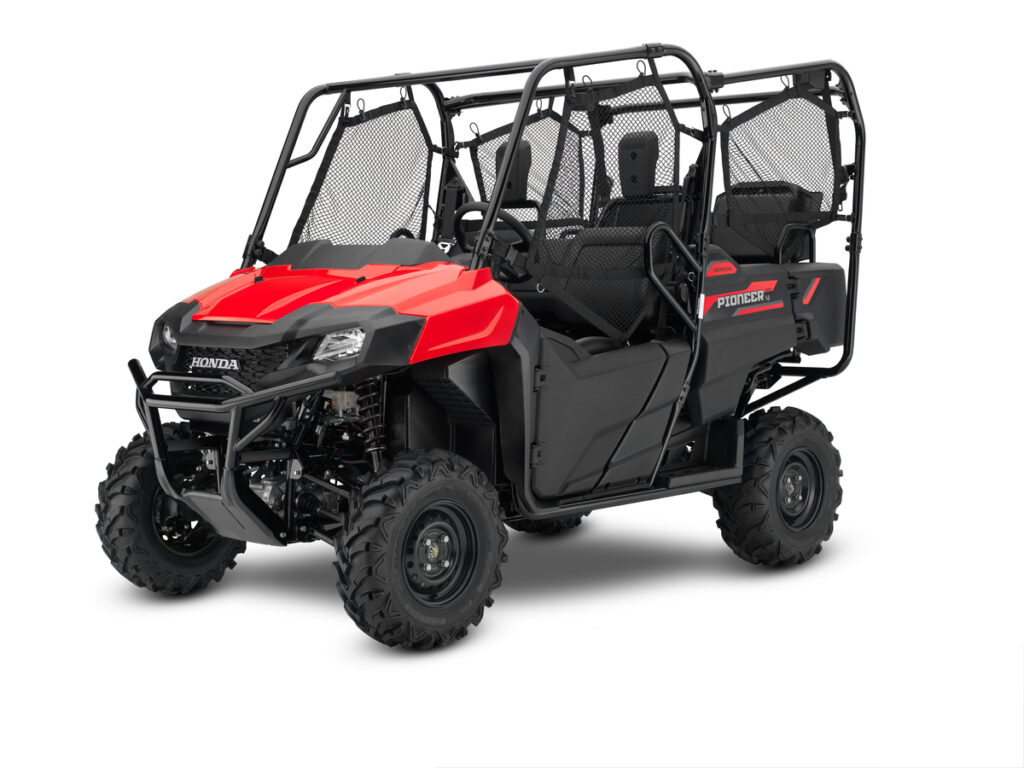
Quick Answer: Honda Pioneer Model Years Explained
What are the Honda Pioneer model years?
Honda’s Pioneer side-by-side line has grown in stages. The Pioneer 700 and 700-4 arrived first, followed by the Pioneer 500 and then the larger Pioneer 1000 family (1000-3, 1000-5 and later crew variants). The smaller Pioneer 520 later took over from the 500 as the entry-level model. Each generation added trims, comfort upgrades, and mechanical refinements, so two machines with the same name can feel quite different depending on the year.
Which Honda Pioneer model year is best to buy used?
There is no single winner. Most buyers do best with a later-model Pioneer 700 for value and simplicity, or a post-launch Pioneer 1000 for power and passenger room. Late-production years generally carry the most refinements.
How do I find a Honda Pioneer’s model year?
Check the 10th character of the 17-digit VIN, which is the standard model-year code, and confirm it against the paperwork and the frame sticker.
Where can I browse used models?
You can see current listings on our Honda Pioneer UTV for sale page.
Why Honda Pioneer Model Years Matter When Buying Used
If you’ve ever searched for a used Honda Pioneer for sale, you’ve probably noticed something frustrating. Listings often say only “Honda Pioneer,” with a year and a price, and nothing about what changed between years. That’s a problem, because Honda Pioneer model years are not interchangeable.
A 2015 and a 2022 can share a nameplate and look similar from twenty feet away, yet differ in trim options, seating layouts, transmission choices, cab features, and available accessories. Those differences affect how the machine drives, what it costs to maintain, and what it will resell for.
Knowing the model years helps you in three practical ways:
- You avoid overpaying. A newer trim with desirable features should cost more than a base model from several years back. Knowing which is which keeps you from paying a premium for the wrong thing.
- You find the right fit. Passenger count, cargo needs, and terrain all point toward specific models.
- You plan for parts and service. Popular years are easy to support. Knowing your machine’s generation makes it far easier to order the right components.
What “Model Year” Really Means for a UTV
Manufacturers often release the next model year well before the calendar year begins, so a “2023” Pioneer may have been built and sold in 2022. When you compare used UTV listings, treat the model year as a guide to the generation and features, and use the VIN to confirm the details.
How Honda’s Pioneer Lineup Is Organized
Honda sorts the Pioneer family mostly by engine size and seating. If you get this part straight, the rest of the model-year story is easy to follow.
The Three Size Tiers
Entry-level: Pioneer 500 and 520. Compact, narrow, and easy to maneuver. These suit trails, small properties, and anyone who wants a lightweight side by side.
Mid-range: Pioneer 700 and 700-4. The long-running workhorse. The “-4” means a four-seat version.
Full-size: Pioneer 1000 family. More horsepower, more cargo, and more seating. The “-3,” “-5,” and “-6” in the names refer to how many people the machine carries.
Reading the Seating Numbers
The numbers after the engine size tell you the seat count:
- 700 = two-seat
- 700-4 = four-seat
- 1000-3 = three-seat (a driver plus a bench-style row)
- 1000-5 = five-seat
- 1000-6 = six-seat crew configuration
When a seller lists a “Honda Pioneer 1000-5 Deluxe,” they are giving you the engine class, the seating, and the trim level in one phrase.
Honda Pioneer 500 and 520 Model Years
Honda Pioneer 500
The Honda Pioneer 500 is the smallest of the family and appeals to buyers who want a nimble, trail-friendly machine without stepping up to full-size dimensions. Its narrow stance is its biggest selling point, since it fits tight trails and can be trailered easily.
What to Know About Early Pioneer 500 Years
Early Pioneer 500 units established the formula: a smaller engine, a manageable footprint, and simple controls. As Honda refined the model, later years brought improved comfort and trim choices. If you’re shopping for a Pioneer 500, find out which trim you’re looking at, since features can differ noticeably between base and upgraded versions.
Honda Pioneer 520
The Pioneer 520 followed as the updated entry-level choice. It keeps the compact personality but delivers a more modern feel. If you want the smallest Pioneer and prefer newer equipment, the 520 deserves a close look, though it will usually cost more than a used 500.
Who Should Consider the 500 or 520?
These models suit trail riders with tight routes, owners of small acreage, and anyone who needs a lightweight utility vehicle. If you regularly carry passengers or heavy loads, a larger Pioneer is a better match.
Honda Pioneer 700 and 700-4 Model Years
For many people, the Honda Pioneer 700 is the heart of the lineup. It balances size, capability, and price in a way that has kept it popular on the used market.
Honda Pioneer 700 (Two-Seat)
The two-seat Pioneer 700 is a classic farm, ranch, and hunting machine. It offers a comfortable ride, a useful cargo bed, and Honda’s reputation for dependability. Used examples are common, which means you have plenty of choice and room to negotiate.
Early vs. Late Pioneer 700 Model Years
As with most long-running models, later Pioneer 700 years tend to include refinements that earlier ones lack. Look at details such as trim level, cab features, and the accessories a previous owner has added. A well-kept earlier machine can still be an excellent value, but verify its service history before you buy.
Honda Pioneer 700-4 (Four-Seat)
The Pioneer 700-4 adds a rear bench for family trips, job-site crews, or hunting parties. If you’re comparing a used Honda Pioneer 700 with a 700-4, think about how often you’ll actually fill those back seats. A four-seater gives up a bit of cargo room in exchange for passenger capacity, and it’s usually priced higher.
Is the Pioneer 700 Still a Smart Used Buy?
Yes, for the right buyer. It’s simple, widely supported, and generally easier on the budget than the 1000-class machines. If you don’t need maximum power, the Pioneer 700 is often the sweet spot.
Honda Pioneer 1000 Model Years (1000-3, 1000-5, 1000-6)
The Honda Pioneer 1000 is the flagship, built for riders who want more power, more room, and more features. It has grown into several configurations over the years.
Pioneer 1000-3
The three-seat Pioneer 1000 is a flexible layout: a driver and passenger up front with an additional seat, giving you options without the full bulk of a larger crew machine. It’s popular with buyers who occasionally need an extra seat but still want agile handling.
Pioneer 1000-5
The five-seat model brings serious passenger capacity along with the 1000-class engine. It’s a strong choice for families, hunting groups, and work crews. Trim levels, including Deluxe and other upgraded packages, add comfort and convenience features that can meaningfully change the ownership experience.
Pioneer 1000-6 and Crew Variants
Honda’s crew-style configurations push seating even further. These are the people-movers of the lineup, great for large groups, but they’re also the longest and heaviest, so they need more trailer capacity and storage space.
Why Trim Level Matters on the Pioneer 1000
On the 1000-class machines, the trim can be just as important as the model year. Deluxe and limited packages typically bring upgrades such as enhanced seating, added cab comfort, and extra equipment. When you compare two used Honda Pioneer 1000 units from similar years, confirm exactly which trim each one is, because the price gap can be justified or not depending on what’s included.
Early vs. Later Pioneer 1000 Years
Early Pioneer 1000 models are generally the most affordable entry point into the big-engine family. Later years often bring refinements and additional configurations. Neither is automatically better, so match the year to your budget, intended use, and the machine’s maintenance record.
Model Year Comparison Table
This table summarizes the lineup at a glance. Always confirm the exact specifications of any specific machine with the VIN, the seller’s documents, and an inspection, since features vary by year and trim.
| Model | Size Class | Seating | Best For | Typical Used Price Position |
|---|---|---|---|---|
| Pioneer 500 | Compact | 2 | Tight trails, small properties | Lowest |
| Pioneer 520 | Compact (updated) | 2 | Entry-level buyers wanting newer equipment | Low to mid |
| Pioneer 700 | Mid-size | 2 | Farm, ranch, hunting, all-round use | Mid |
| Pioneer 700-4 | Mid-size | 4 | Families and small crews | Mid to upper-mid |
| Pioneer 1000-3 | Full-size | 3 | Power with flexible seating | Upper-mid |
| Pioneer 1000-5 | Full-size | 5 | Groups, work crews, family adventures | High |
| Pioneer 1000-6 | Full-size crew | 6 | Maximum passenger capacity | Highest |
Ready to compare real machines? Browse our current used Honda Pioneer UTVs and see which models match your needs.
How to Identify the Model Year of a Used Honda Pioneer
Never rely only on a listing’s headline year. A quick verification protects you from mismatches and sloppy advertising.
Step 1: Find the VIN
On most Pioneers, the VIN is stamped on the frame and printed on a certification label. Check the title or registration for a match.
Step 2: Decode the 10th Character
In a standard 17-digit VIN, the 10th character represents the model year. Letters and numbers cycle through a fixed sequence, so a quick VIN decoder will confirm the year.
Step 3: Compare Documents With the Machine
Make sure the paperwork, the frame, and the listing all agree. If they don’t, ask why before you proceed.
Red Flags to Watch For
- A VIN that doesn’t match the title
- A model name that doesn’t match the machine’s actual seating layout
- Missing or painted-over labels
- A seller who is vague about the year or history
Best Honda Pioneer Model Years for Different Buyers
The “best” Honda Pioneer model year depends on who’s asking. Here’s a straightforward way to think about it.
Best for Budget Buyers
An older Pioneer 500 or Pioneer 700 generally offers the lowest cost of entry. Prioritize condition and service history over the year itself.
Best for Families
A Pioneer 700-4 or a Pioneer 1000-5 gives you real seating. Later years often provide more comfort, which matters on longer rides.
Best for Work and Hauling
Pioneer 700 and Pioneer 1000 models both handle utility jobs well. Choose the 1000 if you regularly tow or carry heavier loads and want extra power in reserve.
Best for Trail Riding
The compact Pioneer 500 or 520 is nimble on tight routes, while a Pioneer 1000 gives you more power for open terrain.
Best for Hunters
Many hunters like the Pioneer 700 or 700-4 for quiet, reliable operation and a practical bed. Larger groups may prefer the Pioneer 1000-5.
If you’re still weighing options, take a look at our wider used UTV inventory to compare Pioneers with other side-by-sides and utility vehicles.
Used Honda Pioneer Inspection Checklist
Whatever model year you choose, a careful inspection is the best insurance. Here’s what to check.
Mechanical Checks
- Engine: Listen for unusual noises, and check for smoke or leaks at startup.
- Transmission and drivetrain: Test every gear, including reverse, and check 2WD/4WD engagement.
- Brakes: Look for even pad wear and a firm pedal.
- Suspension: Inspect shocks, bushings, and A-arms for wear or damage.
Body and Frame Checks
- Look for cracks, bends, or fresh welds on the frame.
- Check for mismatched panels or signs of a rollover.
- Inspect the roll cage and mounting points.
Electrical and Cab Checks
- Test lights, gauges, and the horn.
- Check the battery and charging system.
- Inspect seat belts, doors, and any cab enclosure.
Ask for Service Records
Receipts for oil changes, belt or drivetrain service, and repairs tell you more than the odometer alone. A newer machine with no history can be a bigger gamble than an older one with a clean paper trail.
Want a second opinion on a specific listing? Contact our team and we’ll help you sort out which Pioneer is the best fit.
Where to Find a Used Honda Pioneer for Sale
You have plenty of places to look, including private sellers, auctions, and dealers. Each has trade-offs. Private sales can be cheap but come with more risk. Auctions can be unpredictable. Specialized used-UTV sellers typically give you clearer descriptions and a smoother buying experience.
At Used Utility Vehicles, we focus on pre-owned side-by-sides and utility vehicles, so you can see a range of options in one place. Start with our dedicated Honda Pioneer UTV for sale collection, or explore the full shop to compare other brands and models.
Tips for a Smooth Purchase
- Decide on your must-have seating and engine size before you shop.
- Set a realistic budget that includes transport, registration, and a service.
- Compare several machines from similar model years to understand fair pricing.
- Don’t rush. A good Pioneer is worth waiting for.
Ready to find your Pioneer? Browse the latest arrivals on our used Honda Pioneer page today.
Frequently Asked Questions
What are the Honda Pioneer model years?
The Pioneer lineup spans several generations and families: the 500 and 520, the 700 and 700-4, and the 1000 series in multiple seating layouts. Each family has its own run of model years, so always check the specific model and trim when comparing listings.
Which Honda Pioneer is the most reliable?
Honda has a strong reputation for durability across the Pioneer line. Reliability depends heavily on how a machine was maintained, so condition and service history matter more than the badge or year alone.
Is the Honda Pioneer 700 or 1000 better?
It depends on your needs. The Pioneer 700 is simpler and usually more affordable, which suits farm and general utility work. The Pioneer 1000 offers more power and passenger options, which suits towing, larger groups, and open terrain.
H3: How can I tell what year my Honda Pioneer is?
Use the 10th character of the VIN and confirm it against the title and frame labels.
H3: Are older Honda Pioneers worth buying?
Often yes. A well-maintained older Pioneer can be a great value. Just inspect it carefully and request service records.
What should I look for in a used Honda Pioneer?
Check the engine, drivetrain, brakes, suspension, frame, and electrical system. Confirm the VIN matches the paperwork and ask about previous use, such as heavy towing or off-trail abuse.
How many people does a Honda Pioneer seat?
Seating ranges from two (Pioneer 500, 520, 700) to four (700-4), three (1000-3), five (1000-5), and six (1000-6), depending on the model.
Where can I buy a used Honda Pioneer?
You can browse available units on our used Honda Pioneer UTV for sale page, or compare more options in our used utility vehicle shop.
Final Thoughts
Understanding Honda Pioneer model years takes much of the guesswork out of shopping. Once you know how the 500, 520, 700, and 1000 families fit together, and how seating and trim level change the picture, you can compare used listings with confidence instead of guessing.
Start with how you’ll actually use the machine, match it to the right family, then verify the year and trim with the VIN and a hands-on inspection. Do that, and you’ll end up with a Pioneer that fits your work, your budget, and your weekends.
Take the next step: Explore our current Honda Pioneer UTVs for sale, or browse the full used UTV shop to find the perfect ride today.