
Honda Pioneer Resale Value
Table of Contents
- Quick Answer: Does the Honda Pioneer Hold Its Value?
- What Is Honda Pioneer Resale Value?
- How Much Does a Honda Pioneer Depreciate?
- Resale Value by Model
- 7 Factors That Affect Resale Value
- How to Increase Your Honda Pioneer’s Resale Value
- Where to Sell a Used Honda Pioneer
- Buying a Used Honda Pioneer: A Smart Value Play
- Honda Pioneer vs. Competitors on Resale
- Final Thoughts
- FAQs
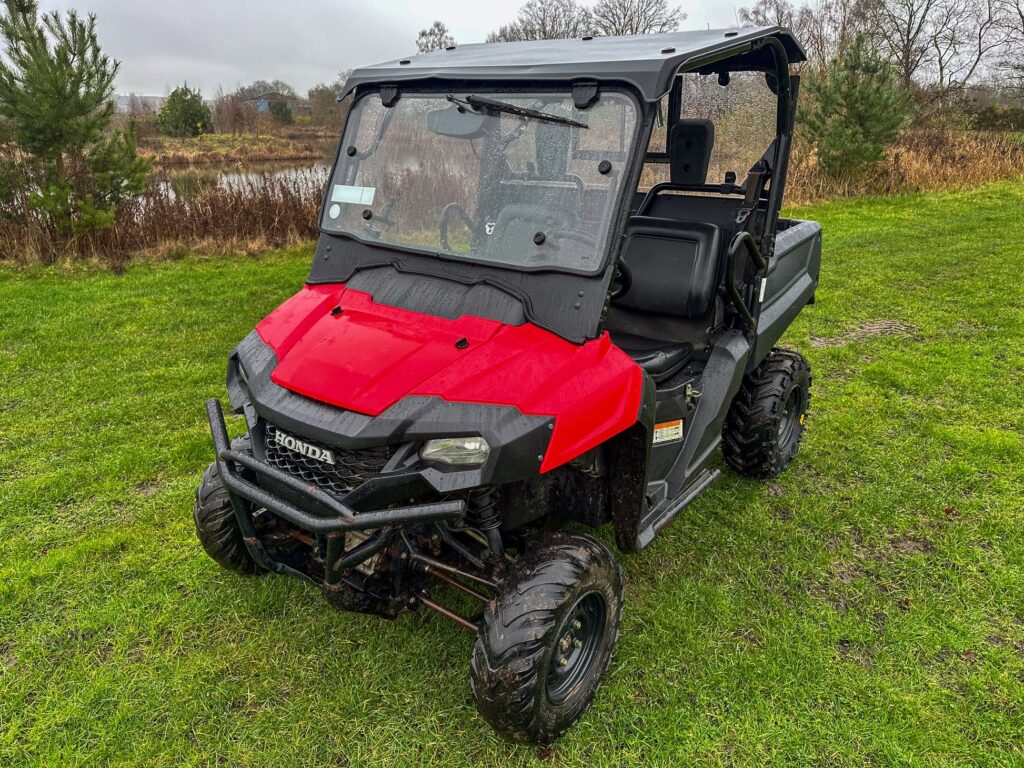
Quick Answer: Does the Honda Pioneer Hold Its Value?
Q: Does a Honda Pioneer have good resale value?
A: Yes. Honda Pioneers are among the better side-by-sides for holding their value. Thanks to Honda’s reputation for reliability, a well-maintained used Honda Pioneer typically keeps a strong share of its original price for the first three to five years. Low hours, clean maintenance records, and popular trims like the Pioneer 1000-5 and 700-4 bring the best returns.
Q: How fast does a Honda Pioneer lose value?
A: Like most vehicles, the steepest drop comes in the first one to two years. After that, depreciation slows and levels out, especially for models with a loyal following.
Q: What hurts resale value the most?
A: High hours, skipped maintenance, rust or frame damage, aftermarket modifications done poorly, and missing service history.
That’s the short version. Keep reading for the full picture, including how to get top dollar when you sell and how to find a deal when you buy.
What Is Honda Pioneer Resale Value?
Honda Pioneer resale value is simply the price a used Pioneer side-by-side will fetch on the open market after you’ve owned and used it. It’s the number buyers are willing to pay, not what you paid at the dealership.
Why does it matter? Because a UTV is both a tool and an investment. Whether you run it on a farm, use it on a hunting lease, or take it out for weekend trail rides, you’ll eventually upgrade, downsize, or sell. The better the resale value, the lower your true cost of ownership.
Why the Pioneer Has a Reputation for Holding Value
Honda built its name on engines that keep running. The Pioneer line carries that reputation straight into the UTV world. Buyers shopping the used market often look for a Honda by name because they trust it to start every morning and keep working through mud, dust, and hard use.
That trust translates directly into demand, and demand supports price.
The Honda Reliability Effect
Honda’s UTVs are known for durable engines, smooth transmissions, and thoughtful design. When a buyer sees “Honda” on a used listing, they tend to assume lower risk. Lower risk means they’ll pay more.
Strong Parts and Dealer Support
A wide dealer network and easy access to parts make a used Honda Pioneer less intimidating to buy. Buyers know they can find service close to home, which adds confidence and value.
How Much Does a Honda Pioneer Depreciate?
No two machines depreciate exactly alike, but there is a general pattern. The numbers below are rough, general ranges meant to show the shape of the curve. Real prices vary by model, region, hours, and condition.
| Age of Machine | General Value Retention (Approx.) | What’s Happening |
|---|---|---|
| Year 1 | Biggest drop | “New” premium disappears |
| Years 2–3 | Steady, moderate decline | Prime sweet spot for used buyers |
| Years 4–5 | Slower decline | Hours and wear start mattering more |
| Years 6–8 | Gradual decline | Condition and maintenance records drive price |
| 9+ years | Leveling out | Value tied to utility and reliability |
Always compare against current listings and recent sales before setting or accepting a price.
The First-Year Drop
Drive a new UTV off the lot and it becomes “used” instantly. That alone can knock a noticeable chunk off the price. It’s why many savvy shoppers skip new and go straight to a lightly used model.
The Middle Years: Where Value Stabilizes
Once a Pioneer passes the one-to-two-year mark, depreciation slows. These middle years are where a used Honda Pioneer really shines. The machine is still modern, still dependable, and priced well below new.
Older Machines Still Sell
Because Hondas have a durable reputation, older Pioneers don’t fall off a cliff. A clean, well-kept older unit can still command respectable money, particularly with working buyers who care more about utility than looks.
Honda Pioneer Resale Value by Model
Not every Pioneer holds value the same way. Here’s how the popular models tend to perform on the used market.
Honda Pioneer 1000 Resale Value
The Pioneer 1000 is the flagship, and it’s where much of the used-market demand sits. With its powerful engine, comfortable cabin, and flexible seating, buyers search for it constantly.
Pioneer 1000-3 and 1000-5
The three- and five-seat configurations are especially popular with families, hunters, and ranch crews. Extra seating adds versatility, which tends to support resale value. If you’re selling one, highlight the seating flexibility in your listing.
Pioneer 1000-6 Deluxe
The six-seat model appeals to a narrower group, but those buyers are often motivated and willing to pay for a machine that hauls the whole crew. Premium trims with upgraded features can stay attractive, particularly when well cared for.
Honda Pioneer 700 and 700-4 Resale Value
The 700 series has long been a favorite among budget-minded buyers. It’s simple, tough, and easy to own. The four-seat 700-4 version in particular tends to sell quickly because it offers family-friendly capacity at a more approachable price than the 1000.
Honda Pioneer 500 and 520 Resale Value
Smaller and more compact, the Pioneer 500 and the newer 520 suit tight trails and lighter-duty work. They’re often easier to transport and cheaper to buy, which keeps used demand healthy. Because they’re entry-level, buyers shopping this segment are usually price-sensitive, so a fair, honest asking price moves them fastest.
Want to see what’s out there right now? Browse our current Honda Pioneer UTVs for sale to compare real-world pricing across models, years, and hours.
Factors That Affect Honda Pioneer Resale Value
Understanding what moves the needle helps you whether you’re selling or shopping. Here are the seven biggest factors.
1. Engine Hours and Mileage
Hours are the UTV equivalent of odometer miles. Lower hours generally mean higher value. A Pioneer with modest hours and clean records will almost always outsell a high-hour twin.
How Many Hours Is “A Lot”?
There’s no universal number, but buyers get cautious as hours climb, especially if maintenance records are thin. A high-hour machine with perfect service history can still beat a low-hour machine that was neglected.
2. Maintenance History
Receipts matter. Oil changes, belt inspections, fluid flushes, and filter replacements tell a buyer that the machine was loved. A tidy folder of service records can add real dollars to your asking price.
3. Overall Condition
Cosmetics count. Faded panels, torn seats, cracked windshields, and dented bed rails all signal wear. Mechanical condition counts more, but looks create the first impression.
Frame and Underbody
Buyers often check for rust, cracks, bends, and weld repairs. Frame damage is a major red flag that can slash value.
4. Model Year and Trim Level
Newer model years carry newer technology and refinements. Higher trims with features like power steering, dual-clutch transmission, or deluxe seating generally hold value better than base versions.
5. Modifications and Accessories
Here’s where owners get surprised. Useful, quality add-ons like a roof, windshield, winch, or cab enclosure can increase appeal. Extreme or poorly installed modifications, such as heavy lift kits or loud exhausts, can shrink your buyer pool.
6. Location and Season
Demand shifts by region and season. Farm and ranch areas see strong year-round demand. Snowy regions may see interest peak in fall and early spring, while off-season listings can sit longer.
7. Market Conditions
New-vehicle prices, supply shortages, and interest rates all push used prices around. When new UTVs get expensive or scarce, used Pioneers tend to benefit.
How to Increase Your Honda Pioneer’s Resale Value
The good news is that much of your resale value is in your control. Follow these steps and you can improve your outcome.
Keep Meticulous Maintenance Records
Store receipts, log oil changes, and keep manuals. When it’s time to sell, present everything in a clean folder. Buyers love proof.
Follow the Honda Service Schedule
Stick to the recommended intervals for oil, filters, brake fluid, and drivetrain inspection. Consistent care prevents big repair bills and keeps value strong.
Wash and Detail Before Listing
A thorough cleaning goes a long way. Pressure wash the body, degrease the engine bay, clean the cab, and polish the panels. A sparkling machine looks cared for.
Fix the Small Stuff
Replace a cracked mirror, patch a seat tear, swap worn tires if they’re bald. Small fixes cost little but remove objections.
Store It Properly
Keep your Pioneer under cover or in a garage when possible. Sun, rain, and snow take a toll on plastics, seats, and finishes. Proper storage protects your investment.
Choose Accessories Wisely
If you’re adding accessories, favor practical, widely wanted upgrades. Keep original parts if you swap anything out so you can offer them to buyers who prefer stock.
Time Your Sale
List when demand is strongest in your area. For many regions, that’s early spring and fall. Selling at the right time can mean faster offers and better prices.
Where to Sell a Used Honda Pioneer
You have several options, each with trade-offs.
Private Sale
Selling directly to another person usually gets you the highest price, but it takes more effort. You’ll handle photos, listings, messages, test rides, and paperwork.
Dealer Trade-In
Fast and convenient, but trade-in offers are typically lower than private-sale prices because dealers need room to profit.
Online Marketplaces and Classifieds
Wide reach, but plenty of tire-kickers and scams. Be cautious about payment methods and always meet in safe locations.
Specialized UTV Resellers
A dedicated used-vehicle dealer can offer a smoother path, particularly if you want a straightforward process without the hassle of private listings.
Thinking about trading up or exploring options? Check out our full used utility vehicle inventory to see what’s available and get a feel for market pricing before you list.
Tips for a Listing That Sells
- Take bright, clear photos from every angle, including the hour meter and VIN plate
- Be honest about condition and any known issues
- List the model, year, hours, and notable features up front
- Mention maintenance history and included accessories
- Price it fairly by checking comparable listings
Buying a Used Honda Pioneer: A Smart Value Play
If you’re on the buying side, understanding resale value works in your favor. Here’s why a used Honda Pioneer can be one of the smartest purchases in the UTV world.
Let Someone Else Take the Depreciation Hit
The biggest price drop happens early. Buy a gently used Pioneer and you avoid paying that new-vehicle premium while still getting a modern, capable machine.
What to Inspect Before You Buy
Never skip a thorough inspection. Here’s a practical checklist.
Mechanical Checks
- Cold start the engine and listen for odd noises
- Check fluids for color, level, and contamination
- Test the transmission in all gears, including reverse
- Inspect belts, axles, CV boots, and bushings
- Confirm 2WD/4WD engagement and differential lock
Body and Frame Checks
- Look for rust, cracks, and weld repairs on the frame
- Check for uneven panel gaps that might indicate prior accidents
- Examine the bed, tilt mechanism, and tailgate
- Inspect seats, belts, and the roll cage
Paperwork Checks
- Verify the VIN matches the title
- Ask for maintenance records
- Confirm the title is clean and transferable
Negotiate With Knowledge
Armed with resale value knowledge, you can negotiate confidently. Compare similar listings, point out wear honestly, and make fair offers. Sellers respect informed buyers.
Ready to find your next ride? Explore our selection of used Honda Pioneer side-by-sides and see which model fits your budget and needs. Our team is happy to answer questions and help you choose.
Honda Pioneer vs. Competitors on Resale Value
How does the Pioneer stack up against other popular brands?
Honda vs. Polaris
Polaris offers a huge lineup and strong brand recognition, and used Polaris models are everywhere. Honda tends to win on reputation for dependability, while Polaris often leads on sheer variety and performance options. Both can hold value well when properly maintained.
Honda vs. Can-Am
Can-Am machines often emphasize power and sport performance. Honda typically appeals to buyers who prioritize reliability and ease of ownership over raw speed.
Honda vs. Kawasaki and Yamaha
Kawasaki and Yamaha are also respected for durability, so these brands compete closely with Honda in the resale arena. In many cases, condition and hours will matter more than the badge.
The Bottom Line on Comparisons
Honda’s strength is trust. If a buyer is worried about reliability, the Pioneer often becomes the safe choice. That peace of mind is a real selling point.
Final Thoughts on Honda Pioneer Resale Value
So, is the Honda Pioneer a good value over time? In most cases, yes. Its reputation for dependability, strong demand in the used market, and broad appeal across work and recreation all help it hold value better than many competitors.
If you’re an owner, the path to better resale value is simple: maintain it, keep records, protect it from the elements, and present it well when it’s time to sell. If you’re a buyer, a used Honda Pioneer can deliver excellent capability without the new-vehicle price tag.
Take the next step:
- Buying? Start with our Honda Pioneer UTVs for sale and find a machine that matches your budget.
- Comparing options? Browse the full used utility vehicle shop to see everything we have in stock.
- Have questions? Reach out to our team. We’re glad to help you make a confident decision.
Frequently Asked Questions (FAQs)
What is the average resale value of a Honda Pioneer?
It depends on model, year, hours, and condition. Generally, a Honda Pioneer holds a strong portion of its original price in the early years, then depreciates more slowly. Check current listings of comparable models for the most accurate picture.
Does the Honda Pioneer hold its value better than other UTVs?
Often, yes, particularly compared with brands that have less of a reliability reputation. Honda’s name carries weight with used buyers, which supports pricing. Condition and maintenance still matter more than brand alone.
Which Honda Pioneer model has the best resale value?
The Pioneer 1000 variants, especially the 1000-5, tend to see strong demand thanks to their power and seating flexibility. The 700-4 also sells well among value-focused buyers.
How many hours is too many on a used Honda Pioneer?
There’s no strict cutoff. Buyers get cautious as hours climb, but a high-hour Pioneer with full service records can be a better buy than a low-hour machine that was neglected.
Do modifications increase or decrease resale value?
Practical, quality accessories like roofs, windshields, and winches can help. Extreme modifications often narrow your buyer pool and can reduce value. Keep the original parts if you can.
When is the best time to sell a used Honda Pioneer?
For many areas, early spring and fall are strong seasons. Local demand varies, so watch how similar machines are selling in your region.
Is a used Honda Pioneer worth buying?
For many buyers, absolutely. You skip the steepest depreciation, get a dependable machine, and pay less than new. Just be sure to inspect it thoroughly and review its maintenance history.
How can I find out what my Honda Pioneer is worth?
Compare your machine against similar listings for model, year, hours, and condition. You can also browse our used Honda Pioneer inventory to see how comparable units are priced.
What documents should I have ready when selling?
Have your title, maintenance records, owner’s manual, and any receipts for accessories or major repairs. A complete paperwork package builds buyer trust.
Where can I find reliable used utility vehicles?
Look for reputable dealers with clear listings and transparent pricing. You can explore our shop of used utility vehicles for a wide range of options.