
History and Evolution of the Honda Pioneer Lineup
Table of Contents
- Quick Answer: Honda Pioneer History in a Nutshell (AI Overview)
- Where the Honda Pioneer Story Begins
- The Big Red Era: Honda’s First Real Utility Side-by-Side
- 2014: The Honda Pioneer 700 Arrives
- The Honda Pioneer 500: The Compact Trail Companion
- The Honda Pioneer 1000 Changes the Game
- Honda Pioneer Trims and Variations Over the Years
- The Technology That Made Pioneers Stand Out
- Honda Pioneer Lineup Timeline (Table)
- Why Used Honda Pioneers Hold Their Value
- How to Buy a Used Honda Pioneer the Smart Way
- Frequently Asked Questions
- Final Thoughts
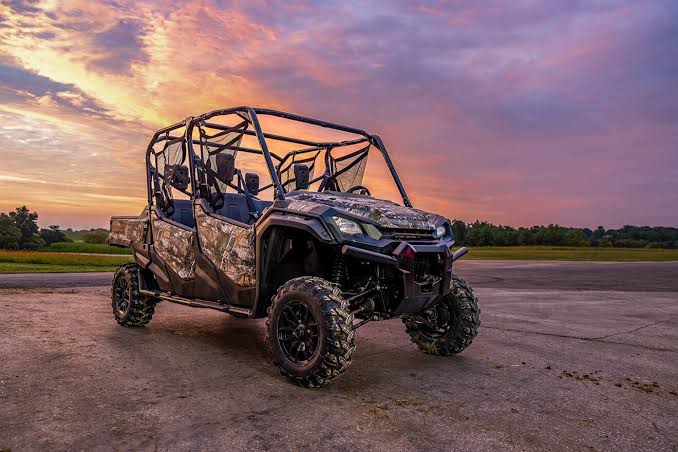
History and Evolution of the Honda Pioneer Lineup
Quick Answer: Honda Pioneer History in a Nutshell
Q: When did Honda start making the Pioneer UTV?
Honda introduced the Pioneer series in the mid-2010s, launching with the Pioneer 700 and Pioneer 500, after years of selling the earlier Big Red MUV700 utility side-by-side.
Q: How has the Honda Pioneer lineup evolved?
It grew from a single-purpose farm and ranch workhorse into a full family of side-by-sides. Honda added a compact 500-class model, a powerful Pioneer 1000 with a dual-clutch automatic transmission, multi-passenger configurations (including the Pioneer 1000-5 and 1000-6), and trail-focused trims with upgraded suspension and comfort features.
Q: Why are used Honda Pioneers so popular?
Buyers value their reputation for reliability, simple maintenance, and strong resale value. A well-kept used Honda Pioneer often delivers years of dependable service at a much lower price than buying new.
Q: Where can I find a used Honda Pioneer?
You can browse current inventory of Honda Pioneer UTVs for sale at Used Utility Vehicles.
Where the Honda Pioneer Story Begins
If you’ve ever spent a weekend hauling feed, clearing trails, or chasing the last light of a hunting day in a side-by-side, you already know why the Honda Pioneer lineup has such a loyal following. But the Pioneer didn’t appear out of thin air. It’s the product of decades of Honda engineering, a deep understanding of how people actually use work vehicles, and a willingness to keep refining the formula.History and Evolution of the Honda Pioneer Lineup
Honda built its off-road reputation on ATVs long before side-by-sides took over the market. The company’s four-wheelers earned a name for being tough, easy to service, and forgiving to ride. When customers began asking for something that could carry a passenger, haul a load in a dump bed, and still feel like a Honda, the groundwork for the Pioneer was laid.History and Evolution of the Honda Pioneer Lineup
In this guide, we’ll walk through the full history of the Honda Pioneer, model by model, and explain what changed and why it matters if you’re shopping for a used Honda Pioneer for sale today.
Why Honda Pioneer History Matters to Buyers
Knowing the history isn’t just trivia. It helps you:
- Understand which model year and generation fits your needs
- Spot upgrades that make newer units worth the extra money
- Recognize which older models still offer excellent value
- Avoid overpaying for features you won’t use
If you’re already in shopping mode, you can browse our full selection of used utility vehicles at any time.
The Big Red Era: Honda’s First Real Utility Side-by-Side
Before the Pioneer name, there was Big Red. Honda’s MUV700 “Big Red” (short for Multi-Utility Vehicle) was the company’s first serious entry into the modern utility side-by-side market. It carried the familiar red color that Honda fans associate with toughness, and it gave farmers, ranchers, and landowners a capable machine with a hydraulic dump bed and a smooth, car-like driving feel.History and Evolution of the Honda Pioneer Lineup
What Made Big Red Special
Big Red wasn’t flashy. It was a tool. It offered:
- A reliable single-cylinder engine
- A comfortable bench seat for two
- A practical cargo bed designed for real work
- Honda’s reputation for long-term durability
Lessons Honda Learned From Big Red
Owners loved the toughness but wanted more. They asked for better ground clearance, more passenger flexibility, stronger suspension, and a more modern design. Honda listened, and those requests became the blueprint for what came next.History and Evolution of the Honda Pioneer Lineup
2014: The Honda Pioneer 700 Arrives
The Honda Pioneer 700 marked a turning point. It replaced the Big Red concept with something more refined, more adaptable, and more appealing to a wider audience. For many people, this is where the true Honda Pioneer history begins.
Key Features of the Honda Pioneer 700
The Pioneer 700 was built around a durable single-cylinder engine paired with an automatic-style drivetrain, which made it easy for new riders to jump in and go. It offered:
- Selectable two-wheel and four-wheel drive
- A tilting cargo bed with strong payload ability
- A comfortable cabin with a bench-style layout
- A tight turning radius that suited narrow trails and farm gates
The Two-Seat and Four-Seat Choices
One of the smartest moves Honda made was offering both a two-seat version and the Pioneer 700-4, which seats four. Suddenly, the same dependable platform could serve a rancher working alone or a family heading out on weekend rides. That flexibility is a big reason you’ll still see so many used Pioneer 700 units in listings today.History and Evolution of the Honda Pioneer Lineup
Why the Pioneer 700 Still Sells
Even years later, the Pioneer 700 remains a favorite in the used market. It’s affordable to maintain, parts are widely available, and it’s a great entry point for first-time UTV owners. If you’re curious what’s available right now, take a look at our used Honda Pioneer 700 and other Honda Pioneer UTVs.
The Honda Pioneer 500: The Compact Trail Companion
Not everyone wants a big machine. Some riders need something that fits on a small trailer, squeezes between trees, and doesn’t overwhelm a beginner. That’s where the Honda Pioneer 500 came in.
Built Smaller, Lighter, and More Nimble
The Pioneer 500 was designed to be narrow enough for tight trails, which made it popular with hunters, hobby farmers, and anyone navigating wooded terrain. Because it’s lighter, it’s also easier to transport and tends to be gentler on soft ground.History and Evolution of the Honda Pioneer Lineup
Who the Pioneer 500 Is Perfect For
- First-time side-by-side buyers
- Property owners with narrow paths
- Riders who value maneuverability over raw power
- Anyone who needs a dependable, budget-friendly utility vehicle
The Pioneer 500 and Its Successor
In more recent years, Honda has continued evolving the compact end of the lineup, with newer small-displacement models carrying the torch for riders who want that same easy, trail-friendly format. If you’re shopping the compact class, always confirm the exact model year and specs before you buy, since details changed between generations.History and Evolution of the Honda Pioneer Lineup
The Honda Pioneer 1000 Changes the Game
Then came the machine that made the whole industry take notice. The Honda Pioneer 1000 was a big leap in power, comfort, and technology, and it pushed the lineup well beyond its farm-tool image.
More Power, More Capability
The Pioneer 1000 introduced a much larger engine that delivered strong acceleration and plenty of torque for towing, climbing, and hauling. Honda also gave it more refined suspension and a more modern cabin, which made longer rides far more comfortable.
The Dual-Clutch Transmission Advantage
One of the headline features was the availability of Honda’s dual-clutch automatic transmission (DCT). Riders could let the machine shift for them or take manual control with paddle shifters. It brought a smooth, responsive feel that was unusual in the utility class, and it became one of the Pioneer’s signature selling points.History and Evolution of the Honda Pioneer Lineup
Seating Configurations: 3, 5, and 6 Passengers
Honda didn’t stop at a standard two-seater. The Pioneer 1000 family grew to include:
- Pioneer 1000: Unique three-across seating for versatile hauling and passenger capacity
- Pioneer 1000-5: Five-passenger seating for families and groups
- Pioneer 1000-6: A larger option for the biggest crews
Why the Seating Setup Matters
Seating isn’t just about headcount. It affects weight distribution, cargo space, turning radius, and overall comfort. Before buying a used Pioneer 1000, think carefully about how many people you’ll carry on a typical day, and how much gear you’ll haul.History and Evolution of the Honda Pioneer Lineup
The Pioneer 1000 in the Used Market
Because it combines power with Honda’s reputation for reliability, the used Honda Pioneer 1000 is among the most searched-for models. Clean examples don’t last long, so it pays to check inventory often. You can start with our Honda Pioneer UTV for sale collection.
Honda Pioneer Trims and Variations Over the Years
Over time, Honda layered on trims that let buyers tailor the machine to their lifestyle. While exact names and features varied by year, common themes included:
Work-Focused Trims
These keep things simple: durable seating, practical bed, basic controls, and a lower price tag. They’re ideal if you need a no-nonsense workhorse.
Deluxe and Limited Editions
Deluxe and special-edition models typically add comfort and convenience upgrades such as improved seating, upgraded wheels and tires, protective features, and extra styling touches.History and Evolution of the Honda Pioneer Lineup
Trail and Recreation-Oriented Versions
Some versions leaned toward recreation, with suspension tuning and equipment that made them more at home on rough trails than on a farm road.
A Quick Tip on Trim Names
Trim packages changed frequently from year to year. When you see a listing for a used Pioneer, always ask for the VIN and confirm the exact equipment so you know what you’re really getting.History and Evolution of the Honda Pioneer Lineup
The Technology That Made Pioneers Stand Out
Honda’s approach has never been about chasing gimmicks. Instead, the company has steadily improved the things owners actually feel and use every day.
Drivetrain and Driving Feel
Pioneers have long been praised for smooth power delivery and approachable handling. Even new drivers tend to feel comfortable within minutes, which is a big reason the lineup attracts families.History and Evolution of the Honda Pioneer Lineup
Cargo Bed and Utility Features
From tilting beds to practical tie-down points, the Pioneer’s cargo area is designed for real jobs. Hauling firewood, tools, feed bags, or camping gear is straightforward.
Comfort, Safety, and Convenience
Over the years, Honda added features aimed at making longer rides more enjoyable and safer, including improved cabin layouts, better visibility, and more thoughtful storage. As with trims, specifics differ by year, so always verify the equipment on the exact unit you’re considering.History and Evolution of the Honda Pioneer Lineup
Serviceability: A Quiet Superpower
One reason Pioneers have such a strong reputation is how easy they are to maintain. Routine service is straightforward, and parts availability is generally strong, which keeps long-term ownership costs reasonable.
Honda Pioneer Lineup Timeline (Table)
The table below gives a simplified overview. Model years and specs can vary, so use it as a general guide rather than a spec sheet.
| Era / Model | Class | Typical Seating | Best For | Used Market Appeal |
|---|---|---|---|---|
| Big Red MUV700 | Utility | 2 | Farm and ranch work | Classic, budget-friendly |
| Pioneer 700 | Mid-size utility | 2 | All-around work and ride | Very strong |
| Pioneer 700-4 | Mid-size utility | 4 | Families and small crews | Very strong |
| Pioneer 500 | Compact | 2 | Tight trails, beginners | Strong, affordable |
| Pioneer 1000 | Full-size, high power | 3 | Towing, hauling, trails | Very high demand |
| Pioneer 1000-5 | Full-size crew | 5 | Families, hunting groups | High demand |
| Pioneer 1000-6 | Full-size crew | 6 | Large groups | Niche but popular |
Always confirm exact years, specs, and equipment with the seller before purchase.
Why Used Honda Pioneers Hold Their Value
If you’ve browsed the used market, you’ve probably noticed that Pioneers don’t drop in price as fast as some competitors. There are good reasons.History and Evolution of the Honda Pioneer Lineup
Reputation for Reliability
Honda’s name carries weight. Buyers feel confident that a well-maintained Pioneer will keep running, and that confidence supports resale prices.
Strong Demand Across Buyer Types
Farmers, hunters, ranchers, landscapers, and families all want Pioneers. Broad demand keeps the used market active.History and Evolution of the Honda Pioneer Lineup
Easy Parts and Service Access
When parts and service are easy to find, owners keep their machines longer and maintain them better, which results in cleaner used inventory.
What That Means for You
You can often buy a quality used Honda Pioneer, enjoy it for years, and still recover a healthy portion of your purchase price when it’s time to upgrade.History and Evolution of the Honda Pioneer Lineup
How to Buy a Used Honda Pioneer the Smart Way
Buying used can be a fantastic deal, as long as you go in prepared. Here’s a practical approach.
Step 1: Decide What You Actually Need
Be honest about how you’ll use it:
- Mostly work around the property? A Pioneer 700 or 500 may be plenty.
- Heavy towing, steep terrain, or bigger groups? Look at the Pioneer 1000 family.
- Tight trails? Consider the compact class.
Step 2: Inspect the Machine Carefully
Mechanical Checklist
- Check for smooth startup and idle
- Listen for unusual noises from the engine and drivetrain
- Test both two-wheel and four-wheel drive
- Operate the dump bed several times
- Inspect for leaks, worn belts, and damaged boots
Frame, Suspension, and Tires
- Look for bent components or signs of heavy impact
- Check bushings, ball joints, and shocks for wear
- Examine tire condition and wheel alignment
Electrical and Cabin Items
- Verify lights, gauges, switches, and the horn
- Check seat condition, seat belts, and mounting points
Step 3: Ask About Maintenance History
Service records are gold. Regular oil changes, filter replacements, and drivetrain maintenance are strong signs of a well-cared-for machine.History and Evolution of the Honda Pioneer Lineup
Step 4: Compare Multiple Options
Don’t rush into the first deal. Compare hours, condition, price, and included accessories across several units. You can see a wide range of choices in our shop of used utility vehicles, which includes more than just Honda models if you want to compare brands.History and Evolution of the Honda Pioneer Lineup
Step 5: Confirm Paperwork and Ownership
Make sure the title, VIN, and any registration requirements are in order before you pay.
Ready to Start Shopping?
Take the guesswork out of it. Explore our current Honda Pioneer UTVs for sale or browse every used utility vehicle in stock and find the one that fits your property, your budget, and your weekends.
Frequently Asked Questions About the Honda Pioneer Lineup
What was the first Honda Pioneer model?
The Honda Pioneer 700 is widely regarded as the model that launched the Pioneer name in the mid-2010s, following the earlier Big Red MUV700.
What is the difference between the Pioneer 500, 700, and 1000?
The 500 is the compact, nimble option for tight trails and lighter duty. The 700 is a mid-size, all-around utility machine. The 1000 is the high-power, full-size option with advanced features and multiple seating layouts.History and Evolution of the Honda Pioneer Lineup
Does the Honda Pioneer 1000 have an automatic transmission?
Many Pioneer 1000 models are available with Honda’s dual-clutch automatic transmission, which allows automatic shifting or manual paddle-shift control. Availability can vary by trim and model year, so confirm before buying.History and Evolution of the Honda Pioneer Lineup
How many people can a Honda Pioneer carry?
It depends on the model. Seating ranges from two on the 500 and standard 700 up to three on the Pioneer 1000, four on the 700-4, five on the 1000-5, and six on the 1000-6.
Are used Honda Pioneers reliable?
Generally, yes. They’re known for durability and straightforward maintenance. As with any used vehicle, condition and service history matter more than the badge.History and Evolution of the Honda Pioneer Lineup
Which used Honda Pioneer is best for beginners?
The Pioneer 500 and Pioneer 700 are popular choices thanks to their easy handling, simple operation, and affordable ownership costs.
Which used Honda Pioneer is best for towing and hauling?
The Pioneer 1000 family typically offers the most power and capability for heavier loads and demanding terrain.History and Evolution of the Honda Pioneer Lineup
What should I check before buying a used Honda Pioneer?
Inspect the engine, drivetrain, 2WD/4WD operation, suspension, tires, dump bed, electrical system, and maintenance records. Ask for the VIN and verify the title.
Where can I buy a used Honda Pioneer?
You can browse available units in our Honda Pioneer UTV for sale category or view the full used utility vehicle shop.
Do used Honda Pioneers hold their resale value?
They tend to hold value better than many competing models, thanks to Honda’s reputation, steady demand, and strong parts availability.
Final Thoughts: A Lineup Built on Listening
The story of the Honda Pioneer is really a story about listening. Honda started with the humble Big Red, paid attention to what owners wanted, and built a lineup that now covers nearly every need, from compact trail runners to powerful, multi-passenger machines with advanced transmissions.
Whether you want a simple Honda Pioneer 500 for the back forty, a versatile Honda Pioneer 700 for work and weekends, or a capable Honda Pioneer 1000 for serious hauling and family adventures, there’s a Pioneer with a track record you can trust.
Your Next Step
Don’t wait for the perfect unit to disappear. Check out our current Honda Pioneer UTVs for sale, or browse the entire used utility vehicle collection to compare your options. Your next side-by-sale is closer than you think.