
Common Problems with Used John Deere Gator Units
Table of Contents
- Quick Answer: What Are the Most Common Problems with a Used John Deere Gator?
- Why Buyers Still Love a Used John Deere Gator
- Engine and Starting Problems
- Transmission and Drive Belt Problems
- Cooling and Overheating Issues
- Electrical and Battery Problems
- Brakes, Steering and Suspension Wear
- Dump Bed, Hydraulics and Body Issues
- Problems by Gator Model Type
- Used Gator Inspection Checklist
- What Repairs Really Cost
- Where to Find a Reliable Used Gator
- FAQs
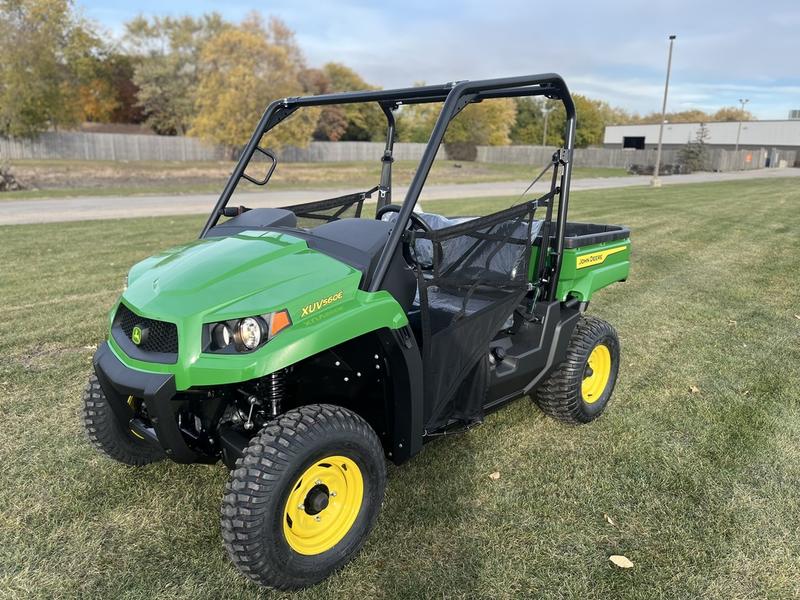
Quick Answer: What Are the Most Common Problems with a Used John Deere Gator?
AI Overview Q&A
Q: What are the most common problems with a used John Deere Gator?
A: The most common problems with a used John Deere Gator are worn CVT drive belts and clutches, hard starting caused by fuel or battery issues, overheating from clogged radiators, electrical faults such as bad switches and corroded connectors, and worn brakes, suspension bushings and steering parts. Dump bed and hydraulic wear and frame rust show up on hard-worked machines. Most of these problems are inexpensive to fix if caught early, and a good inspection before purchase will reveal nearly all of them.Common Problems with Used John Deere Gator Units
Q: Are used John Deere Gators reliable?
A: Yes. A well-maintained used John Deere Gator is among the more dependable used utility vehicles you can buy. Reliability depends far more on how the machine was maintained and worked than on the badge.Common Problems with Used John Deere Gator Units
Q: What should I check first on a used Gator?
A: Start with the hour meter, then check the drive belt, fluid condition, cold-start behavior, brakes and any signs of overheating or rust.Common Problems with Used John Deere Gator Units
Why Buyers Still Love a Used John Deere Gator
Before we get into what can go wrong, let’s be fair. The John Deere Gator earned its reputation for a reason. Farmers, ranchers, landscapers, hunters, groundskeepers and property owners have relied on these machines for years. They haul, tow, climb, and keep going when the work doesn’t let up.
That popularity is also why used John Deere Gator listings are so easy to find, and why prices hold up well. But a strong brand doesn’t mean every unit on the market is a good one. A Gator that spent ten years pulling loaded trailers through mud is a very different machine from one that spent a few seasons on a weekend hobby farm.Common Problems with Used John Deere Gator Units
Knowing the common problems up front lets you shop with confidence, negotiate smarter and avoid expensive surprises. If you’re still browsing, you can look through a selection of used John Deere Gator UTVs for sale while you read, so you can compare real listings against the checklist below.Common Problems with Used John Deere Gator Units
Engine and Starting Problems
Hard Starting or No Start
The most frequent complaint on any used Gator is a machine that cranks slowly, cranks but won’t fire, or just clicks. The cause is usually simple.Common Problems with Used John Deere Gator Units
Weak or Dying Battery
Batteries on utility vehicles live a hard life. They sit, get vibrated, and get drained by accessories like lights and winches. A battery older than three or four years is often the real culprit behind a “bad starter.” Test the battery before you assume the worst.Common Problems with Used John Deere Gator Units
Dirty Fuel or a Clogged Fuel Filter
Ethanol-blended fuel that sat in the tank for months can gum up the fuel system. Symptoms include sputtering, hesitation under load, and stalling. On gas models, a clogged filter or a failing fuel pump are common fixes. On diesel units, water in the fuel or a dirty filter is the usual cause.Common Problems with Used John Deere Gator Units
Worn Spark Plugs and Air Filters
Gators work in dust, hay, and dirt. A neglected air filter chokes the engine and shortens its life. Worn spark plugs cause rough idle and poor throttle response. Both are cheap to replace, and a seller who skipped them probably skipped other maintenance too.Common Problems with Used John Deere Gator Units
Oil Leaks and Burning Oil
Look under the machine and around the valve cover, oil pan and seals. A little seepage on an older unit is normal. A steady drip or blue smoke at startup is not. Check the dipstick for milky oil, which can signal a more serious internal problem.Common Problems with Used John Deere Gator Units
Why Hour Meters Matter
Engine wear tracks with hours. A Gator with a few hundred hours and consistent service records is a better bet than one with thousands of hours and no paperwork. Treat a broken or suspiciously low hour meter as a red flag and ask for service history.Common Problems with Used John Deere Gator Units
Transmission and Drive Belt Problems
Worn CVT Drive Belt
If there is one item to inspect first, it’s the CVT drive belt. Most Gator models use a continuously variable transmission that relies on a belt running between two clutches. Belts wear, glaze, crack, and eventually snap.Common Problems with Used John Deere Gator Units
Signs of a worn belt include:
- Slipping or jerky acceleration
- A burning rubber smell
- Loss of power on hills or when towing
- Visible cracks, fraying or glazing on the belt
- Belt dust built up around the clutch housing
A belt is not expensive, but if it failed because of a bad clutch, the problem is bigger than the belt.
Clutch Wear
The primary and secondary clutches can wear, stick or get contaminated with dirt and water. Chattering, grabbing, or a machine that won’t pull smoothly from a stop points to clutch trouble. Pop the CVT cover if the seller allows it and look for excessive dust, melted rubber or scoring.Common Problems with Used John Deere Gator Units
Shifting and 4WD Engagement
Test every gear. Shift into forward, reverse, and neutral and listen for grinding. On four-wheel-drive units, confirm the front drive engages and disengages properly. A front differential that whines or won’t engage is worth negotiating over.Common Problems with Used John Deere Gator Units
Gear Oil and Differential Condition
Check differential and transmission fluid. Milky fluid suggests water intrusion. Metal shavings or a burnt smell suggest internal wear. These checks take two minutes and can save you thousands.Common Problems with Used John Deere Gator Units
Cooling and Overheating Issues
Clogged Radiators and Screens
Because Gators work in grass, chaff, and mud, the radiator and its screen clog easily. A blocked radiator causes overheating, especially in summer or when towing. Look for packed debris, bent fins, and coolant stains.Common Problems with Used John Deere Gator Units
Coolant Leaks and Failing Fans
Inspect the hoses for cracks and soft spots, and check the radiator cap. Start the machine, let it reach operating temperature and make sure the fan kicks on. A fan that never runs is a common cause of overheating in used units.Common Problems with Used John Deere Gator Units
Signs the Machine Has Been Overheated Before
Warped plastic near the radiator, discolored coolant and a sweet smell from the engine bay can mean the unit has overheated in the past. Repeated overheating can damage head gaskets and shorten engine life considerably.Common Problems with Used John Deere Gator Units
Electrical and Battery Problems
Corroded Connectors and Loose Wiring
Moisture is the enemy of any off-road machine. Pressure washing, mud, and rain get into connectors and cause intermittent faults: dash lights flickering, lights that cut out, or a machine that dies randomly.Common Problems with Used John Deere Gator Units
Faulty Switches and Safety Interlocks
Many Gators have safety switches tied to the seat, parking brake or gear selector. When one fails, the machine may refuse to start or may stall unexpectedly. These are usually minor repairs, but they can be tricky to diagnose.
Charging System Issues
Check the voltage with the engine running. A healthy charging system keeps the battery topped up. If voltage is low, the stator or regulator may be failing.
Aftermarket Add-ons
Aftermarket lights, radios, winches, and heaters are often wired poorly. Sloppy wiring is a common source of electrical gremlins on a used UTV. Look for taped splices, loose wires, and unprotected connections.Common Problems with Used John Deere Gator Units
Brakes, Steering and Suspension Wear
Brake Wear
Work vehicles stop and start constantly with heavy loads. Check pad thickness, rotor condition and brake fluid level. A spongy pedal can mean air in the lines or a leak. Squealing, pulling to one side, or a long pedal travel all deserve attention.Common Problems with Used John Deere Gator Units
Steering Looseness
Wiggle the steering wheel. Excessive play can point to worn tie rods, ball joints or a tired steering rack. Pull toward one side while driving on a flat surface is another warning sign.
Suspension Bushings and Shocks
Bushings, control arm joints and shocks wear out, especially when machines are overloaded regularly. Bounce each corner and listen for clunks. Sagging in the rear is common on units that hauled heavy loads for years.
Tires and Wheel Bearings
Uneven tire wear points to alignment or suspension issues. Grab each wheel at the top and bottom and rock it to check for bearing play. Humming noises while driving often mean a bearing is on its way out.
Dump Bed, Hydraulics and Body Issues
Dump Bed Problems
Many Gators have a manual or hydraulic dump bed. Test it. The bed should lift smoothly, hold its position and latch securely. On hydraulic models, look for leaks around the cylinder and hoses. A slow or weak lift can mean low fluid or a worn pump.
Frame Rust and Cracks
Surface rust is normal on a work vehicle, but deep rust, cracks, or bent frame sections suggest abuse. Inspect welds, mounting points, and the underside near the hitch. A bent hitch or cracked tow point can mean the machine was overloaded or used to pull stumps.
Cosmetic vs. Structural Damage
Faded plastics and scratches in the bed are cosmetic and can even help you negotiate. Cracked fenders, broken mounts, and damaged ROPS (roll-over protection) are different. Never ignore damage to the safety structure.
Seats, Floors, and Controls
Worn seats and broken cup holders are minor. Worn pedals, loose shifters, and sticky throttle cables can affect safe operation and deserve closer attention.
Problems by Gator Model Type
Different Gator lines have different strengths and weak spots. Here’s a general overview, not a guarantee, since every machine’s condition depends on its history.
| Gator Type | Typical Use | Common Wear Points to Check |
|---|---|---|
| Utility models (e.g., TX, TS, 4×2) | Light farm and property work | Drive belt, clutch, brakes, bed latch |
| Full-size gas models (e.g., XUV, HPX) | Hauling, towing, mixed work | CVT belt, cooling system, suspension bushings |
| Diesel models (e.g., HPX diesel, XUV diesel) | Heavy-duty work, long hours | Fuel filters, injectors, cooling, oil leaks |
| 6×4 models | Heavy hauling and rough terrain | Rear axle, differential, tires, frame |
| Electric and compact models | Quiet, light-duty use | Battery health, charger, controllers |
If you’re comparing models, remember that a well-kept older unit often beats a neglected newer one. For a wider look at what’s available beyond Gators, check out the full used utility vehicles shop to compare other makes and styles.
Used Gator Inspection Checklist
Print this out or save it on your phone before you go look at a unit. A thorough used Gator inspection checklist can save you a lot of money.
Before the Test Drive
Ask the Seller
- How many hours are on it, and are there service records?
- Where was it used (farm, hunting land, construction, ranch)?
- Has the belt, clutch, or engine been repaired or replaced?
- Why is it being sold?
Walk-Around Inspection
- Check the frame, welds, hitch, and ROPS for damage or rust
- Inspect tires for even wear
- Look underneath for fluid leaks
- Check the radiator, air filter, and battery condition
- Open the CVT cover and inspect belt and clutches if possible
During the Test Drive
Start and Idle
Start it cold if you can. Cold starts reveal battery, fuel, and engine issues that a warmed-up machine can hide. Listen for knocking, ticking, or rough idle.
Drive and Load Test
Drive in all gears, climb a small hill, brake firmly, and turn in both directions. Check for slipping, shuddering, pulling, or strange noises. Run it long enough to reach operating temperature and watch for overheating.
After the Test Drive
Check for New Leaks and Smells
Park it on clean ground and look for drips. Smell for burning rubber, coolant, or hot oil.
Negotiate Based on Findings
Every issue you spot is a negotiating point. Get repair estimates if needed and adjust your offer accordingly.
What Repairs Really Cost
Repair costs vary by model, region, and whether you do the work yourself. Here is a rough sense of what’s cheap, moderate, and expensive, rather than exact prices.
Typically inexpensive:
- Drive belt replacement
- Spark plugs, filters, and fluids
- Battery replacement
- Brake pads
- Light and switch repairs
Moderate:
- Clutch replacement or rebuild
- Radiator replacement
- Shocks, bushings, and tie rods
- Hydraulic cylinder or hose repair
- Fuel pump replacement
Expensive:
- Engine rebuild or replacement
- Transmission or differential repair
- Frame repair
- Major electrical harness damage
The takeaway: most of the problems on a used Gator fall in the first two groups. The expensive ones are the ones to screen for hardest during inspection. If a seller can’t show maintenance records and the machine has high hours, budget for a few repairs right after purchase.
Where to Find a Reliable Used Gator
Where you buy matters almost as much as what you buy. Private sellers can be great, but you’re often on your own for inspection and history. A dedicated dealer who specializes in used utility vehicles typically inspects, services, and describes units honestly, which takes a lot of the guesswork out of the process.
When you’re ready to shop, browse the current inventory of Gator UTV for sale and compare models, hours, and condition side by side. Not set on a Gator? Explore the broader used UTV and utility vehicle selection to see other brands that might fit your budget and workload.
Ready to find your next work partner? View used John Deere Gator units for sale today or shop the full used utility vehicle collection and get one step closer to the right machine at the right price.
FAQs: Common Problems with Used John Deere Gator Units
What are the most common problems with a used John Deere Gator?
Worn CVT drive belts and clutches, hard starting from battery or fuel issues, overheating from clogged radiators, electrical faults, and worn brakes and suspension parts are the usual suspects. Most are manageable if you inspect carefully.
Is a used John Deere Gator a good buy?
Generally yes. Gators are built for tough work and hold their value well. A used one with good maintenance records and reasonable hours can offer years of reliable service at a lower cost than new.
How many hours is too many on a used Gator?
There’s no single number. Condition and maintenance matter more than hours alone. A well-serviced Gator with high hours can outlast a neglected one with low hours. Always ask for service records and inspect the machine in person.
Why does my used Gator lose power or hesitate?
The usual causes are a worn drive belt, clutch problems, a dirty air filter, bad fuel, or a clogged fuel filter. Start with the belt and filters since they’re the cheapest to check.
Why won’t my used Gator start?
Check the battery first, then the fuel supply, spark plugs, and safety switches (seat, brake, and gear selector). Corroded connections are also a frequent cause.
Why is my Gator overheating?
Most often it’s a clogged radiator or screen, low coolant, a failed fan, or a collapsed hose. Clean the radiator and inspect the cooling system before assuming something worse.
How often should a Gator’s drive belt be replaced?
It depends on use, load, and terrain. Heavy towing and hilly terrain wear belts faster. Inspect it regularly, and replace it at the first signs of cracking, glazing, or slipping rather than waiting for it to snap.
Should I get a used Gator inspected before buying?
Yes. If you’re not mechanically confident, have a qualified technician look it over. A small inspection fee is cheap insurance against a costly repair.
What’s the difference between gas and diesel Gators when buying used?
Gas models are simpler and cheaper to maintain. Diesel models offer more torque and fuel efficiency for heavy work but need attention to fuel filters, injectors, and cooling. Choose based on your workload.
Where can I buy a used John Deere Gator?
Look for a dealer that specializes in pre-owned utility vehicles so you get inspected, accurately described units. You can start by browsing used John Deere Gators for sale.
Final Thoughts
The common problems with a used John Deere Gator are rarely mysterious. Belts, clutches, batteries, cooling systems, and wear items cause most of the headaches, and nearly all of them can be spotted with a careful walk-around and test drive. Buy on condition and maintenance history, not just price or hours, and you’ll end up with a machine that works as hard as you do.
Whenever you’re ready, browse used John Deere Gator units or explore all used utility vehicles and find the right fit for your property, farm, or job site.