
Where to Find Used John Deere Gator Vehicles for Sale Near You
Quick Answer
Where can I find used John Deere Gator vehicles for sale near me?
The best places are specialized used utility vehicle dealers, local John Deere dealerships, farm auctions, and online classifieds. Specialized dealers are usually the safest option because they inspect, photograph, and describe each unit in detail. You can browse a current selection of used John Deere Gator UTVs for sale online and compare models without driving from lot to lot.Where to Find Used John Deere Gator Vehicles for Sale Near You
What should I check before buying a used Gator?
Check the hour meter, frame and bed condition, tires, brakes, 4WD engagement, dump bed operation, fluid leaks, and the title or paperwork.
How much does a used John Deere Gator cost?
Prices vary widely by model, year, hours, and condition. Older workhorse models cost much less than newer XUV or diesel units, so compare several listings before you decide.
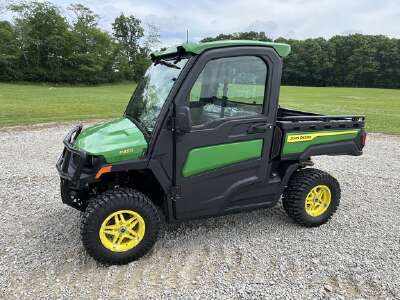
Table of Contents
- Why Buy a Used John Deere Gator?
- Where to Find Used John Deere Gator Vehicles for Sale Near You
- John Deere Gator Models Explained
- Used Gator Price Factors
- Used Gator Inspection Checklist
- Questions to Ask the Seller
- Dealer vs. Private Seller vs. Auction
- Financing, Shipping, and Paperwork
- Tips for Getting the Best Deal
- Frequently Asked Questions
- Final Thoughts
Why Buy a Used John Deere Gator?
If you have ever walked a farm, hunting property, job site, or large yard on foot all day, you already understand the appeal of a good utility vehicle. The John Deere Gator has been a go-to name in the category for decades, and it has earned a reputation for being tough, simple to maintain, and easy to resell.
That reputation is the main reason a used John Deere Gator for sale is such a smart purchase. A new unit loses value quickly in its first years. A well-kept pre-owned Gator has already taken that hit, which means you get a capable machine for far less money and keep more of it when you eventually sell.
The Main Benefits of Buying Pre-Owned
Lower Upfront Cost
Buying used lets you put your budget toward the right model rather than settling for a smaller or more basic new one. Many buyers find they can step up to a larger, better-equipped Gator by going pre-owned.
Strong Resale Value
Gators hold their value well compared with many competing brands. If your needs change, you are unlikely to be stuck with a vehicle nobody wants.
Proven Reliability
Many Gator models have been in production long enough that their strengths and quirks are well known. You can research a specific model and year before you commit, which is harder with brand-new releases.Where to Find Used John Deere Gator Vehicles for Sale Near You
Wide Availability of Parts and Service
John Deere’s dealer network and the aftermarket support for Gators make parts, accessories, and service easy to find in most regions.
If you are weighing used against new, it also helps to browse a broad range of used utility vehicles so you can see what else fits your budget and workload.Where to Find Used John Deere Gator Vehicles for Sale Near You
Where to Find Used John Deere Gator Vehicles for Sale Near You
Searching for a used John Deere Gator near me returns a lot of noise. Listings are scattered across dealer sites, social platforms, classified ads, and auction pages, and quality varies enormously. Here is how each source compares.
1. Specialized Used Utility Vehicle Dealers
A dealer that focuses on pre-owned UTVs and side-by-sides is often the best place to start. These businesses buy, inspect, and resell utility vehicles every week, so they know what to look for and what to avoid.
Why it works:
- Units are typically cleaned, inspected, and photographed from multiple angles
- Descriptions list hours, features, and known condition issues
- You can compare many Gators in one place
- Shipping and financing help is often available
You can start with this curated collection of used John Deere Gator UTVs and filter your search by the model and features you want.
2. Local John Deere Dealerships
Authorized John Deere dealers take Gators in on trade-in and sell them as pre-owned units. This can be a good route if you want a vehicle with a service history and access to genuine parts.Where to Find Used John Deere Gator Vehicles for Sale Near You
Pros:
- Service records may be available
- Technicians know the machines well
- Warranty options may be offered on some units
Cons:
- Smaller used selection than a dedicated pre-owned dealer
- Prices can run higher
- Inventory changes quickly, so call ahead
3. Online Classifieds and Marketplaces
Facebook Marketplace, Craigslist, and similar sites list many Gators, often from private sellers. Prices can be attractive, but the risk is higher.Where to Find Used John Deere Gator Vehicles for Sale Near You
Watch out for:
- Vague descriptions and few photos
- Sellers who will not share the hour meter or VIN
- Prices that look too good to be true
- Requests for deposits before you have seen the vehicle
If you buy this way, inspect the machine in person and bring someone who knows what to look for.Where to Find Used John Deere Gator Vehicles for Sale Near You
4. Farm and Equipment Auctions
Auctions can produce real bargains, but they are best for experienced buyers. Vehicles are typically sold as-is, and you may have limited time to inspect them.Where to Find Used John Deere Gator Vehicles for Sale Near You
Tips for auction buyers:
- Arrive early on preview day
- Start the engine and test the controls if allowed
- Set a firm maximum bid before the auction begins
- Factor in buyer’s fees and transport costs
5. Word of Mouth and Local Networks
Farmers, ranchers, hunters, and contractors often know who is upgrading. Asking around at the feed store, local farm groups, or hunting clubs can turn up well-maintained Gators that never get listed publicly.
The Best Approach: Combine Sources
Most smart buyers browse a trusted dealer’s inventory first to learn what fair pricing and condition look like. Then they compare private sales and local dealers against that baseline. It saves time and keeps you from overpaying.Where to Find Used John Deere Gator Vehicles for Sale Near You
John Deere Gator Models Explained
Before you search, it helps to know the main Gator families. Each is built for a different type of work, and picking the right one matters more than any price tag.Where to Find Used John Deere Gator Vehicles for Sale Near You
Gator Utility Vehicles: Workhorse Models
Gator TX and TX Turf
These are compact, lightweight 2WD and 4WD models designed for light-duty chores. They are popular with homeowners, small farms, and landscapers who need a simple, affordable hauler.
Best for: yard work, small properties, light hauling
Gator TS and TH Models
The TS (gas) and TH (the traditional 6×4 models) are known for their hauling and towing ability. The 6×4 configuration adds traction and payload capacity, making them common on working farms.Where to Find Used John Deere Gator Vehicles for Sale Near You
Best for: farm chores, feeding, hauling feed and tools
Gator TE Electric Models
Electric Gators run quietly with no fumes, which makes them useful for barns, golf courses, resorts, and noise-sensitive areas.Where to Find Used John Deere Gator Vehicles for Sale Near You
Best for: indoor-adjacent use, quiet property maintenance
Gator XUV Series: Heavy-Duty Crossovers
The XUV line is where the Gator becomes a true all-terrain utility side-by-side. These models offer more power, better suspension, and a roomier cab than the entry-level machines. If you are searching for a John Deere Gator XUV for sale, you will typically find gas and diesel options with seating for multiple passengers.Where to Find Used John Deere Gator Vehicles for Sale Near You
Gator XUV 550, 560, and 590
Midsize gas models with solid hauling and a comfortable ride.
Gator XUV 825i and 835/865 Series
Larger, more powerful models for demanding work and rougher terrain.
Gator XUV 855D and 865M Diesel
Diesel options are loved for torque, fuel economy, and durability on working properties.
Best for: ranches, hunting land, construction sites, long daily use
Gator HPX and RSX Models
The HPX is a rugged workhorse in the Gator family, while the RSX leans toward recreation and performance with sport-oriented suspension.Where to Find Used John Deere Gator Vehicles for Sale Near You
How to Pick the Right Model
Ask yourself:
- What will I haul most often? Heavier loads point toward 6×4 or XUV models.
- How rough is my terrain? Steep, muddy, or rocky ground benefits from 4WD and stronger suspension.
- How many people will ride? Standard Gators seat two, while some XUV models seat more.
- Gas, diesel, or electric? Each has trade-offs in power, noise, and running cost.
- What is my budget, including accessories? Cabs, winches, and plows add cost.
Used Gator Price Factors
No single price applies to every used Gator. Here are the factors that move the number most.Where to Find Used John Deere Gator Vehicles for Sale Near You
Model and Year
Newer and larger models, especially diesel XUVs, cost more than older basic units. A clean late-model Gator will be priced very differently from an early-2000s workhorse.Where to Find Used John Deere Gator Vehicles for Sale Near You
Hours of Use
The hour meter is the most important number on the vehicle. Lower hours generally mean less wear, but maintenance history matters as much as the number itself. A Gator with 1,500 well-serviced hours can be a better buy than one with 600 neglected hours.Where to Find Used John Deere Gator Vehicles for Sale Near You
Condition
Look at the frame, bed, body panels, seats, tires, and general cleanliness. A vehicle that has been cared for usually looks it.Where to Find Used John Deere Gator Vehicles for Sale Near You
Features and Accessories
Cabs, heaters, windshields, winches, lift kits, snow plows, and upgraded tires can add value, but only if they are installed well and match your needs.Where to Find Used John Deere Gator Vehicles for Sale Near You
Location and Demand
Prices fluctuate by region and season. Demand tends to rise before hunting season and spring planting.Where to Find Used John Deere Gator Vehicles for Sale Near You
Seller Type
Dealers may charge more than private sellers, but they often include inspection, cleaning, and sometimes limited coverage. Weigh that against the risk of a surprise repair.
For a realistic sense of pricing, compare several used John Deere Gator vehicles side by side with similar hours and features.Where to Find Used John Deere Gator Vehicles for Sale Near You
Used Gator Inspection Checklist
Never buy a used Gator without inspecting it carefully. Use this checklist in person, or ask the seller for photos and videos of each item.Where to Find Used John Deere Gator Vehicles for Sale Near You
Engine and Drivetrain
Cold Start
Ask to start the engine from cold. Hard starting, smoke, or rough idling can point to bigger problems.
Fluids
Check the oil, coolant, and transmission or hydraulic fluid for proper level and color. Milky oil or a burnt smell is a red flag.Where to Find Used John Deere Gator Vehicles for Sale Near You
Leaks
Look underneath for oil, coolant, or fuel drips. Fresh stains matter more than old dried residue.
Belts
On many Gators, the drive belt wears over time. Ask when it was last replaced.
Transmission and 4WD
Shift Test
Shift through each gear. Grinding, slipping, or delayed engagement is a warning sign.Where to Find Used John Deere Gator Vehicles for Sale Near You
4WD Engagement
Confirm the 4WD actually engages and disengages as it should.
Differential Lock
If the model has a diff lock, test it.
Frame, Bed, and Body
Frame Condition
Inspect welds, cross members, and mounting points for cracks or repairs. Heavy rust or bends can signal hard use or accidents.
Dump Bed
Raise and lower the bed several times. It should operate smoothly and latch securely.
Panels and Seats
Cracks and tears are usually cosmetic, but they can hint at how the vehicle was treated.
Suspension, Steering, and Brakes
Steering
There should be little play in the steering wheel and no unusual noises during turns.
Suspension
Check for worn bushings, leaking shocks, and sagging springs.
Brakes
Test them firmly. The Gator should stop straight without pulling to one side.
Tires and Wheels
Inspect tread depth and sidewalls. New tires are a useful bonus because a full set can be a real expense.
Electrical Components
Test the lights, horn, gauges, key switch, and any accessories like power outlets or winch controls.
Documentation
Confirm the VIN matches the paperwork, and ask for a clear title or bill of sale. Maintenance records are a major plus.
Questions to Ask the Seller
Whether you are talking with a dealer or a private owner, these questions help you spot problems early.
- How many hours are on the vehicle, and is the meter original?
- What was it used for: farm work, hunting, or light yard duty?
- When was the last service, and do you have records?
- Has it had major repairs, accidents, or rollovers?
- Has it been stored indoors or outside?
- Are there any known issues I should know about?
- Why are you selling?
- Is the title clear and in your name?
- Are the accessories included in the price?
- Can I test drive it and inspect it fully?
A seller who answers openly and quickly is usually a good sign. Evasive answers are a reason to walk away.
Dealer vs. Private Seller vs. Auction
| Factor | Specialized Dealer | Private Seller | Auction |
|---|---|---|---|
| Price | Moderate | Often lowest | Varies widely |
| Inspection | Usually done in advance | Up to you | Limited |
| Selection | Large | One unit at a time | Depends on sale |
| Paperwork | Handled for you | You manage it | Varies |
| Financing | Often available | Rarely | Rarely |
| Shipping help | Often available | Rarely | Rarely |
| Risk level | Lower | Higher | Highest |
For most buyers, a reputable dealer offers the best balance of price, convenience, and peace of mind. You can explore the full range of used utility vehicles to compare Gators with other brands and body styles before making a decision.
Financing, Shipping, and Paperwork
Financing Options
Many dealers work with lenders who offer financing for utility vehicles. Rates and terms depend on your credit and the vehicle’s age. Get quotes from your bank or credit union too, so you know what a competitive offer looks like.
Shipping to Your Door
You do not have to live near the seller. Many buyers purchase a Gator from out of state and have it shipped. When comparing costs, include the shipping fee in your total price. A cheaper Gator that is far away may cost more than a slightly pricier local one.
Title and Registration
Rules vary by state. Some require titles and registration for UTVs, especially if you plan to use the vehicle on public trails. Check with your local DMV or wildlife agency before you buy.
Insurance
Some homeowners and farm policies cover utility vehicles, while others do not. Ask your insurer before you buy, and consider liability coverage if others will ride with you.
Tips for Getting the Best Deal
Start With Your Budget and Needs
Decide what you must have and what you can live without. It keeps you from overspending on features you will never use.
Compare at Least Five Listings
Looking at multiple units shows you the real market price. It also trains your eye to spot unusually good or unusually bad deals.
Shop in the Off-Season
Demand often dips in late winter or midsummer, depending on your region. Sellers may be more flexible when fewer people are buying.
Negotiate Politely
Use your inspection findings to negotiate. Worn tires, overdue maintenance, or cosmetic damage are fair reasons to ask for a lower price.
Do Not Skip the Test Drive
Drive it on varied ground if you can. Listen for odd noises, feel for vibration, and make sure everything works under load.
Budget for Maintenance
Set aside a little money for fluids, filters, belts, and a general service after you buy. Starting with a fresh baseline makes the vehicle more dependable.
Buy From a Seller You Trust
Reviews, clear photos, honest descriptions, and good communication matter. A reliable seller can save you far more than a small price difference.
Frequently Asked Questions
Where is the best place to find a used John Deere Gator for sale?
The best place is usually a specialized used utility vehicle dealer because the units are inspected and presented with detailed information. Local John Deere dealers, auctions, and online classifieds are also options, but they carry different levels of risk and convenience.
How many hours is too many on a used Gator?
There is no universal limit. Many well-maintained Gators run reliably well past 1,000 hours. Maintenance history, condition, and how the vehicle was used matter as much as the hour count.
Is a used John Deere Gator a good investment?
In general, yes. Gators have a strong reputation for durability and hold their value better than many competitors, so a well-chosen used unit can be a cost-effective workhorse.
What is the difference between a Gator TX and a Gator XUV?
The TX is a lightweight, affordable model for lighter jobs, while the XUV is a heavier-duty, more powerful machine built for rougher terrain and heavier hauling.
Should I buy a gas or diesel Gator?
Gas models are generally cheaper and simpler. Diesel models offer more torque and better fuel economy and are favored for heavy daily use, though they usually cost more.
Can I buy a used Gator online and have it shipped?
Yes. Many buyers purchase online and arrange delivery. Ask the seller for detailed photos, a video walkaround, and the hour meter reading before you commit, and include shipping in your total budget.
What paperwork do I need when buying a used Gator?
At minimum, get a bill of sale and confirm the VIN. A title may also be required depending on your state, so check local rules before you buy.
Do used Gators come with a warranty?
Some dealers offer limited coverage or optional protection plans, while private sales are typically as-is. Always ask what is included in writing.
How can I tell if a Gator has been abused?
Look for bent or re-welded frame sections, heavily worn tires, leaking fluids, rough shifting, and a dump bed that does not operate smoothly. Missing service records can also be a warning sign.
How do I find a used Gator near me?
Search by your location on a dealer’s inventory page, check local John Deere dealerships, and watch classifieds in your area. Browsing a large online inventory like used John Deere Gator UTVs is a fast way to see what is available.
Final Thoughts: Find the Right Used Gator With Confidence
Finding a used John Deere Gator for sale near you does not have to be stressful. Start by knowing which model fits your work, learn what a fair price looks like, and inspect every candidate carefully. Buy from a seller who is open about the vehicle’s history and condition.
Whether you need a simple yard hauler or a heavy-duty diesel XUV, the pre-owned market offers plenty of choices at prices that make sense. A little research up front pays off for years of reliable work.
Ready to Start Shopping?
- 👉 Browse used John Deere Gator UTVs for sale and find the right model for your property.
- 👉 Explore all used utility vehicles to compare brands, sizes, and prices in one place.
Have a question about a specific Gator? Reach out to the team, ask about condition, hours, and delivery, and take the next step toward your new work partner today.