
John Deere Gator Maintenance Checklist Before You Buy Used
Table of Contents
- Quick Answer: What to Check Before Buying a Used Gator
- Why a Maintenance Checklist Matters
- Before You Visit: Paperwork and Questions
- The Walk-Around Inspection
- Engine and Fuel System Checks
- Drivetrain, Transmission, and 4WD
- Brakes, Steering, and Suspension
- Electrical and Dash Checks
- Dump Bed and Hydraulics
- The Test Drive
- Red Flags That Should Make You Walk Away
- Printable Checklist Summary
- FAQs
- Final Thoughts
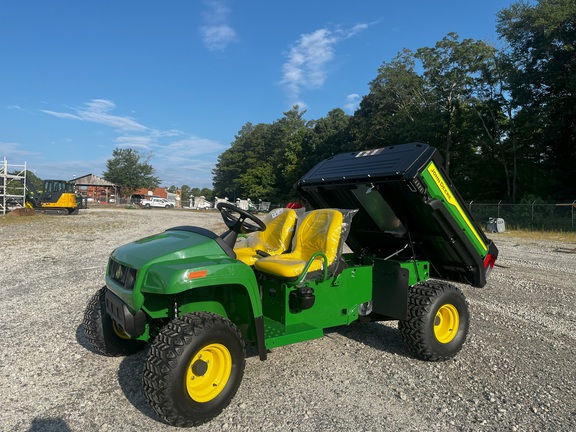
Quick Answer: John Deere Gator Maintenance Checklist Before You Buy Used
What should I check before buying a used John Deere Gator?
Start with the service history and hour meter. Then inspect the engine (oil, leaks, smoke, cold start), the drivetrain (belt or transmission behavior, 2WD/4WD engagement), brakes, steering, suspension, tires, electrical system, and the dump bed. Finish with a test drive on varied terrain. Any one of these can turn a bargain into a repair bill.John Deere Gator Maintenance Checklist Before You Buy Used
How many hours is too many on a used Gator?
There’s no universal number. A well-maintained Gator with 1,500 hours can be a better buy than a neglected one with 400. Maintenance records matter more than the hour meter alone.John Deere Gator Maintenance Checklist Before You Buy Used
Is it safe to buy a used Gator online?
Yes, if the seller provides clear photos, an hour-meter reading, a full description, and the chance to ask questions or inspect it first.John Deere Gator Maintenance Checklist Before You Buy Used
Why a John Deere Gator Maintenance Checklist Matters
I’ll be honest: most people fall in love with a used Gator the moment they see it. The green paint looks sharp, the bed is clean, and the price feels right. Then three weeks later the belt is slipping, the 4WD won’t engage, and you’ve got a $900 repair you didn’t budget for.John Deere Gator Maintenance Checklist Before You Buy Used
That’s why a John Deere Gator maintenance checklist is worth more than any sales pitch. Gators have earned their reputation as tough, reliable workhorses on farms, ranches, hunting properties, job sites, and big yards. But they’re still machines. They take abuse, get hosed off (sometimes with the wrong spray), sit outside in the weather, and get run hard by whoever owned them before you.John Deere Gator Maintenance Checklist Before You Buy Used
A used Gator is a smart purchase when you know what to look for. This guide walks you through every system in the order you’d actually inspect it, so you can spot a good one fast and avoid the lemons.John Deere Gator Maintenance Checklist Before You Buy Used
If you’re still building your shortlist, you can browse used John Deere Gator UTVs for sale and keep this checklist open as you compare machines.
Who This Guide Is For
- First-time UTV buyers who want to avoid expensive surprises
- Farmers and landowners replacing or adding to their fleet
- Contractors who need a dependable work vehicle on a budget
- Hunters and outdoor enthusiasts who want a capable trail machine
Before You Visit: Paperwork and Questions
The best inspection starts before you ever touch the vehicle.
Ask for the Maintenance Records
A seller who kept records usually kept up with the maintenance. Ask for receipts for oil changes, belt replacements, filter changes, greasing, and any repairs. If there are no records at all, that isn’t an automatic dealbreaker, but it should lower the price you’re willing to pay.John Deere Gator Maintenance Checklist Before You Buy Used
Confirm the Model, Year, and Serial Number
Gator models vary a lot in capability. A compact TX is built for light property work, while an XUV is designed for heavier hauling and rougher terrain. Make sure the machine matches your needs, and check that the serial number on the frame matches the paperwork.John Deere Gator Maintenance Checklist Before You Buy Used
Questions to Ask the Seller
- How many hours are on it, and has the meter ever been replaced?
- What was it used for (farm, hunting, commercial, residential)?
- When was the last oil change and belt service?
- Has it ever been in a flood, rollover, or serious accident?
- Has it been modified (lift kit, bigger tires, aftermarket winch)?
- Why are you selling it?
Pay attention to how they answer. Specific, confident answers are a good sign. Vague ones deserve a closer look.John Deere Gator Maintenance Checklist Before You Buy Used
The Walk-Around Inspection
Walk slowly around the whole machine before starting it. You’re looking at overall care and for evidence of hidden damage.John Deere Gator Maintenance Checklist Before You Buy Used
Frame and Body
- Frame: Look for cracks, bends, and fresh welds. Welded repairs on the frame or roll cage mean something went wrong.
- Body panels: Minor scratches are normal. Cracked panels or mismatched colors can signal a rollover or collision.
- Rust: Surface rust on bolts is common. Deep, flaking rust on the frame or bed is not.
- ROPS (roll cage): Check for dents, bends, and loose mounting bolts.
Tires and Wheels
Uneven tire wear tells a story. Wear on only one side points to alignment or suspension problems. Check the sidewalls for cracks and dry rot, and look at the wheel rims for dents. Also confirm all four tires are the same size and roughly the same condition. Mismatched tires can stress the drivetrain.John Deere Gator Maintenance Checklist Before You Buy Used
Fluid Leaks and Stains
Crawl down and look underneath. Wet spots, drips, or oily grime around the engine, transmission, differentials, and hydraulic components all need explanation. A little seepage on an older machine can be normal, but active dripping isn’t.John Deere Gator Maintenance Checklist Before You Buy Used
A Quick Tip on Pressure-Washed Machines
A spotless engine bay sounds great, but it can also hide leaks. Wipe a rag along the seams and gaskets. If it comes away oily after a “freshly cleaned” machine, that’s worth noting.
Engine and Fuel System Checks
The engine is the heart of any used utility vehicle, so spend real time here.
Check the Oil and Coolant
Pull the dipstick. Oil should be amber to dark brown and smooth. Be wary if it looks milky (possible coolant contamination), gritty, or very low. Check the coolant level and color too. Rusty or oily coolant is a bad sign.
Different Gator models call for different fluid specs, so cross-check against the owner’s manual rather than assuming.
Look at the Air Filter
The air filter tells you a lot about how the machine was treated. A clean or lightly dusty filter suggests care. A packed, oil-soaked, or missing filter means dust may have been getting into the engine, which is one of the fastest ways to shorten its life.
Do a Cold Start
If possible, ask the seller not to start the machine before you arrive. A cold start reveals problems a warm engine can hide:
- Hard starting or long cranking
- Excessive white, blue, or black smoke
- Knocking, ticking, or rough idle
- Stalling when it settles
Let it idle for several minutes and watch the temperature gauge and listen for changes.
Fuel System and Exhaust
Look for cracked fuel lines, loose clamps, or fuel smell. Check the exhaust for leaks and rust-through. For diesel Gators, ask when the fuel filter and water separator were last serviced.John Deere Gator Maintenance Checklist Before You Buy Used
Engine Hours vs. Condition
A low-hour machine that’s been left sitting can have its own problems, like stale fuel, dried-out seals, and gummed-up carburetors or injectors. Condition and care beat the number on the meter.John Deere Gator Maintenance Checklist Before You Buy Used
Drivetrain, Transmission, and 4WD
Drivetrain repairs tend to be the costliest, so don’t rush this part.
Belt and Clutch Condition (CVT Models)
Many Gators use a belt-driven CVT system. Ask when the belt was last replaced, and inspect it if you can. Cracks, glazing, frayed edges, or uneven wear are signs it’s due. Listen for chirping, squealing, or burning smells under load. A worn belt is a relatively cheap fix, but it’s a good negotiating point.John Deere Gator Maintenance Checklist Before You Buy Used
Hydrostatic Transmission Models
On models with a hydrostatic transmission, check fluid levels and condition. During the test drive, the machine should accelerate smoothly without whining, surging, or hesitation, and it should hold steady on a slope.John Deere Gator Maintenance Checklist Before You Buy Used
Test 2WD and 4WD Engagement
Engage 4WD and make sure it actually engages. Then test low range and high range if equipped. Listen for grinding, clunking, or popping from the front differential. Turn the steering lock to lock in 4WD and listen again, since CV joint issues often show up in tight turns.John Deere Gator Maintenance Checklist Before You Buy Used
Check the Axles, CV Boots, and Driveshaft
Look at every rubber CV boot. A torn boot lets in dirt and lets out grease, and a failing joint follows soon after. Grab each driveshaft and check for play. Excess movement points to worn U-joints or bearings.
Differential Fluid
Check the differential fluid if there’s a fill or check plug. Milky fluid can mean water intrusion, and metal flakes mean internal wear.John Deere Gator Maintenance Checklist Before You Buy Used
Brakes, Steering, and Suspension
These systems affect safety, so be strict about them.
Brakes
- The pedal should feel firm, not spongy or sinking.
- The machine should stop straight with no pulling.
- Listen for grinding or squealing.
- Test the parking brake and confirm it holds on an incline.
Check the brake fluid level and look at the pads or shoes if you can see them. Brake work isn’t usually expensive, but a seller who ignored it may have ignored other things too.John Deere Gator Maintenance Checklist Before You Buy Used
Steering
Steering should feel responsive with minimal play. Wiggle the wheels with the machine lifted or parked and check for looseness in the tie rods and ball joints. Any wandering, clunking, or tight spots during the drive deserve attention.John Deere Gator Maintenance Checklist Before You Buy Used
Suspension and Shocks
Press down on each corner and let go. It should rebound once and settle. Excessive bouncing means worn shocks. Check bushings, A-arms, and mounting points for cracks or elongated holes, especially on machines that hauled heavy loads or ran rough terrain.
Electrical and Dash Checks
Electrical gremlins are annoying and sometimes hard to trace, so test everything.
Battery and Charging
Check the battery terminals for corrosion and look at the battery’s age. A weak battery is cheap to replace, but a machine that doesn’t charge could have a bad stator or regulator.
Lights, Gauges, and Controls
Switch on headlights, taillights, brake lights, and turn signals if equipped. Check the hour meter, fuel gauge, temperature gauge, and all warning lights. Test the horn, ignition switch, and any aftermarket accessories like winches, light bars, or radios.
Wiring
Look for taped-up splices, loose connectors, and chewed or melted wires. Rodents love utility vehicles that sit in barns. Messy aftermarket wiring is a common source of future problems.
Dump Bed and Hydraulics
The cargo bed is a big reason people buy a Gator, so it needs to work properly.
Lift Mechanism
Raise and lower the bed several times. It should move smoothly and hold its position. Slow lifting, jerking, or leaking points to hydraulic or lift-assist problems. On electric-lift models, listen to the motor for strain.
Bed Condition
Check the floor and sides for cracks, large dents, and rust. Make sure the tailgate latches properly and the hinges aren’t worn out. Heavy-duty use leaves marks, but structural damage should affect the price.
Hitch and Towing Gear
Inspect the receiver hitch for bending or cracks and ask how much towing the machine has done. A heavily towed Gator has had a harder life than one that mostly hauled light loads.
The Test Drive
Never buy a used utility vehicle without driving it, or at least having someone you trust do it for you. If you’re buying from a distance, ask for detailed video of the machine running, loaded and unloaded.
What to Do
- Drive on a mix of surfaces. Pavement, gravel, grass, and a gentle hill if available.
- Accelerate and brake several times. Notice hesitation, jerking, or pulling.
- Turn tightly in both directions. Listen for clicks or grinding.
- Climb a slope. Watch for belt slip or loss of power.
- Run it until warm. Check temperature and look for leaks afterward.
- Shut it off and restart. Hot restarts can reveal weak starters or fuel issues.
H3: What to Notice
Pay attention to unusual vibrations, burning smells, steering pulling to one side, or warning lights that appear mid-drive. Trust your gut. If something feels off, ask about it. If the explanation doesn’t add up, move on.
Red Flags That Should Make You Walk Away
Some problems are bargaining chips. Others are reasons to leave. Be ready to walk if you see:
- A cracked or welded frame or roll cage
- Milky oil or evidence of internal coolant leaks
- A seller who refuses to let you start or drive the machine
- A missing or mismatched serial number
- Signs of flood damage, like silt in the wiring or a musty smell
- Major drivetrain noise paired with a “just needs a little work” excuse
- Pressure to decide immediately
There are plenty of machines out there, so there’s no reason to take on someone else’s headache.
Printable Checklist Summary
| System | What to Check | Pass / Fail |
|---|---|---|
| Records | Service history, hour meter, serial number | ☐ |
| Frame and ROPS | Cracks, bends, fresh welds, rust | ☐ |
| Tires and wheels | Even wear, sidewalls, matching sizes | ☐ |
| Engine | Oil, coolant, cold start, smoke, noises | ☐ |
| Air filter and fuel | Clean filter, no fuel leaks | ☐ |
| Belt / transmission | Belt wear, smooth acceleration, no slipping | ☐ |
| 2WD/4WD | Engages properly, no grinding | ☐ |
| CV boots and axles | No tears, no play | ☐ |
| Brakes | Firm pedal, straight stops, parking brake holds | ☐ |
| Steering and suspension | Minimal play, good rebound | ☐ |
| Electrical | Battery, lights, gauges, wiring | ☐ |
| Dump bed | Smooth lift, solid bed, latches work | ☐ |
| Test drive | Varied terrain, hill climb, hot restart | ☐ |
Frequently Asked Questions (FAQs)
How much should I pay for a used John Deere Gator?
Price depends on model, year, hours, condition, and options like a cab, 4WD, or power dump. Compare similar machines side by side rather than relying on a single listing. You can see current pricing and options on the page for used John Deere Gator UTVs for sale.
What is the most common problem with used Gators?
Worn drive belts, neglected fluids, torn CV boots, and electrical issues from rodents or aftermarket wiring come up often. Most are fixable, and many are easy to spot with a thorough inspection.
How many hours does a John Deere Gator last?
With regular maintenance, a Gator can last for thousands of hours. Care matters more than the raw number. Regular oil changes, clean filters, and timely belt replacements go a long way.
Should I buy a used Gator with a high hour count?
It can be a good deal if the price reflects it and the maintenance records are strong. Inspect the drivetrain and engine especially carefully on high-hour machines.
Is a diesel or gas Gator better to buy used?
Diesel models are known for torque and fuel efficiency, which suits heavy hauling and long workdays. Gas models are typically simpler and cheaper to service. The right choice depends on your workload and budget.
Can I get a used Gator inspected by a mechanic?
Absolutely, and it’s often worth it. A local small-engine or equipment technician can check things you might miss, like compression or hidden leaks, for a modest fee.
Where can I find used utility vehicles besides Gators?
If you want to compare brands and models, you can browse all used utility vehicles and see what else fits your needs and budget.
What accessories add value to a used Gator?
A cab enclosure, winch, upgraded tires, windshield, and heavy-duty bed liner can all add value, as long as they were installed properly. Check the quality of installation and the wiring.
Final Thoughts: Buy Smart, Not Fast
Buying a used John Deere Gator is one of the best ways to get a tough, capable work vehicle without paying new prices. The difference between a great purchase and a regret usually comes down to the inspection.
Use this John Deere Gator maintenance checklist as your guide. Ask for records, inspect the machine carefully, test every system, and drive it hard enough to learn something. Be patient, and be willing to walk away. The right Gator is out there.
Ready to Find Your Next Gator?
- 👉 Shop used John Deere Gator UTVs for sale and compare models, years, and features.
- 👉 Explore our full inventory of used utility vehicles to see every option in one place.
Have questions about a specific machine? Reach out to the team before you buy, and bring this checklist with you.