
Kubota RTV Model Years Explained
Table of Contents
- Quick Answer: Kubota RTV Model Years at a Glance
- Why Kubota RTV Model Years Matter
- The Early Years: RTV900 and RTV1100
- The Mid-Era: RTV-X900 and RTV-X1100C
- The Modern Lineup: RTV-X1120, X1140 and Beyond
- Gas Models: The Sidekick and RTV500
- Model Year Comparison Table
- How to Find Your Kubota RTV’s Model Year
- Which Year Is Best for Your Needs?
- What to Inspect When Buying a Used Kubota RTV
- Frequently Asked Questions
- Final Thoughts and Next Steps
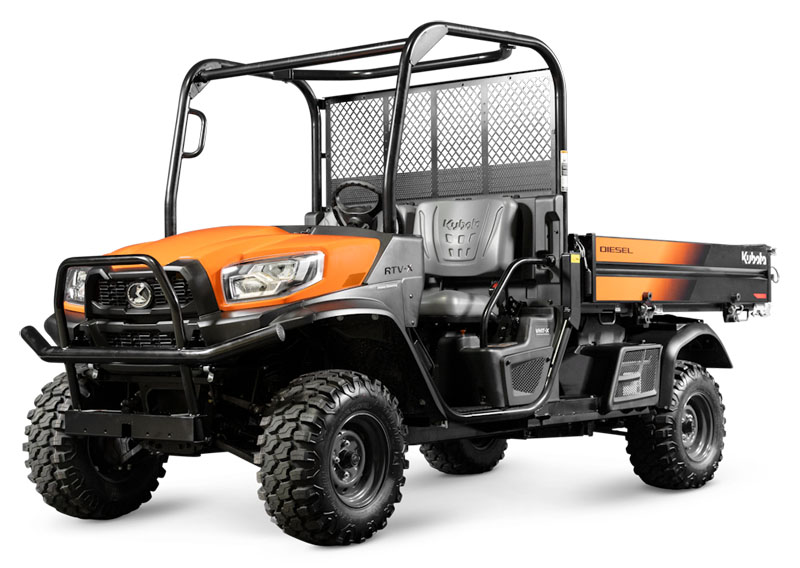
Quick Answer: Kubota RTV Model Years Explained
If you’re short on time, here’s the short version. Think of this section as the AI-overview style summary, with questions answered directly.
What are the main Kubota RTV model years?
Kubota RTV model years fall into roughly four generations: the early RTV900 and RTV1100 (early-to-mid 2000s), the RTV-X900 and RTV-X1100C (around 2010 onward), the RTV-X1120 and X1140 (mid-2010s onward), and the gas-powered RTV500 and Sidekick models. Each generation brought improvements in comfort, power and cab options.
Which Kubota RTV year is the most reliable?
Kubota’s diesel engines have a strong reputation across all years. Most buyers prefer the X-series (roughly 2010 and newer) for the better suspension, comfort and parts availability.
Where can I find a used Kubota RTV for sale?
Browse the current selection at used Kubota RTV UTVs for sale.
A quick note: Kubota has refreshed these machines many times, and exact introduction years vary by market and trim. Treat the years in this guide as helpful ranges, and always confirm a specific machine by its serial number and Kubota’s documentation.
Why Kubota RTV Model Years Matter
Here’s something I hear from buyers all the time: “It’s a Kubota RTV, so it’s a Kubota RTV, right?”
Not quite.
Two machines can wear the same badge and still feel completely different. A 2003 RTV900 and a newer RTV-X1140 share a family name, but they differ in ride quality, cab options, horsepower, towing comfort and even how easy it is to find parts. Knowing the Kubota RTV model years helps you:
- Price a used unit fairly. A newer, low-hour X-series should cost more than an older RTV900. Without knowing the generation, it’s hard to judge whether a price is a bargain or a stretch.
- Match the machine to the job. Hauling feed on a small farm is a very different task from running a hunting property or a construction site.
- Avoid parts headaches. Some components are shared across years, but others aren’t. Knowing your generation saves time at the parts counter.
- Plan upgrades. Cabs, winches, plows, sprayers and lift kits often fit certain generations better than others.
In short, the year isn’t just a number on a title. It tells you what you’re really buying.
The Early Years: RTV900 and RTV1100
Kubota RTV900: The Machine That Started It All
The RTV900 arrived in the U.S. around the turn of the millennium, and it was a bit of a pioneer. Kubota took its legendary small diesel engine, paired it with a hydrostatic transmission, and built a rugged utility vehicle around it.
What made the early RTV900 special:
- Diesel power. A compact three-cylinder diesel known for torque and longevity rather than speed.
- Hydrostatic transmission. No clutch, no shifting through gears, just smooth forward and reverse.
- Utility-first design. A real cargo bed, a solid hitch and a no-nonsense frame.
What to Know About Early RTV900 Models
Strengths
These machines are simple, tough and relatively cheap to maintain. If you find one that’s been well cared for, it can still be a dependable farm workhorse.
Weaknesses
The ride is firm, the interior is basic and top speed is modest. If you plan to spend hours in the seat, comfort may be a trade-off.
Kubota RTV1100: More Power, More Capability
Not long after, Kubota introduced the RTV1100. It stepped up the engine size and brought better capability for heavier work. For buyers who found the 900 a little underpowered for towing or hauling, the RTV1100 became the natural upgrade.
Many owners describe the RTV1100 as the first “do-it-all” Kubota RTV: still simple, still diesel, but with more muscle and refinement.
If you’re hunting for an older model with proven track record, look at Kubota RTV models listed here and compare hours, condition and maintenance history side by side.
The Mid-Era: RTV-X900 and RTV-X1100C
Around 2010, Kubota launched the “X” series, and this is where the lineup changed in a big way. If the early models were pure tools, the X-series started to feel like a tool you’d actually enjoy using.
Kubota RTV-X900: Refinement Arrives
The RTV-X900 kept the diesel heart but improved the experience:
- Better suspension for a smoother ride over rough ground
- A more comfortable seating position with improved ergonomics
- A sturdier overall build with better cargo capacity
- More cab and accessory options that suited year-round use
Who the RTV-X900 Is Best For
Small Farms and Acreages
It’s a sensible choice if you want diesel reliability without paying for the biggest engine.
Property Owners and Landscapers
Light towing, hauling mulch, feeding animals and trail maintenance are all well within its comfort zone.
Kubota RTV-X1100C: The Cab Option Changes Everything
The RTV-X1100C is popular for one big reason: the cab. A factory-style cab means heat, protection from dust and rain, and much better usability in cold climates. Anyone who’s worked outdoors through a Canadian or northern U.S. winter will understand why a cab matters.
If you want an X-series with real power and weather protection, this is often the machine that ends up on the shortlist.
The Modern Lineup: RTV-X1120, X1140 and Beyond
By the mid-2010s, Kubota had refined the platform again, and the later X-series machines reflect that.
Kubota RTV-X1120D: A Popular Workhorse
The RTV-X1120D is widely regarded as a well-rounded model. It combines the proven diesel engine with improved comfort, better ergonomics and a more capable chassis.
Owners often mention:
- A smoother, quieter ride than older machines
- Better towing confidence
- Strong resale value, which tells you something about demand
Kubota RTV-X1140: Comfort Meets Capability
The RTV-X1140 pushed things further with updated styling, better seating, improved cab integration and a modern feel inside. If you’re comparing it to older units, the biggest difference is how it feels after a long day.
Why Newer Isn’t Always Necessary
Here’s the honest truth: a newer model isn’t automatically a better deal. A well-maintained older X-series can outperform a neglected newer one. Service records, hours and overall condition often matter more than the year alone.
When Newer Is Worth It
If you use your RTV daily, drive it for long stretches, or need cab comfort and modern features, paying a bit more for a later model often makes sense.
Want to see what’s available right now? Check the latest Kubota RTV UTVs for sale and filter by what fits your budget.
Gas Models: The Sidekick and RTV500
Not every Kubota RTV runs on diesel. Kubota also built gas-powered options aimed at different buyers.
Kubota RTV500
The RTV500 is a lighter, more affordable entry point. It’s smaller and more nimble, which makes it a good fit for tight trails, smaller properties and lighter-duty tasks.
Kubota Sidekick (RTV-XG850)
The Sidekick brought a gas engine and a sportier feel. It’s quicker and more recreational than the diesel workhorses, which appeals to buyers who want to mix work with weekend riding.
Gas vs. Diesel: A Quick Perspective
Diesel Advantages
- Excellent low-end torque
- Strong fuel economy
- Long engine life
Gas Advantages
- Quicker, more responsive feel
- Often quieter and smoother
- Usually a lower purchase price
Neither is “better.” It depends on how you plan to use the machine.
Model Year Comparison Table
This table gives you a simplified side-by-side look. Years are approximate, so always verify specifics for the exact unit you’re considering.
| Model | Approx. Era | Fuel | Best For | Key Highlights |
|---|---|---|---|---|
| RTV900 | Early 2000s | Diesel | Basic farm chores | Simple, tough, low maintenance |
| RTV1100 | Mid 2000s | Diesel | Heavier hauling and towing | More power, proven design |
| RTV-X900 | ~2010 onward | Diesel | Small farms, acreage | Improved comfort and suspension |
| RTV-X1100C | ~2010s | Diesel | Year-round, cold climates | Factory-style cab option |
| RTV-X1120D | Mid 2010s | Diesel | All-around work | Refined ride, strong resale |
| RTV-X1140 | Late 2010s onward | Diesel | Daily use, comfort | Modern features, upgraded interior |
| RTV500 | 2010s | Gas | Light-duty tasks | Compact and affordable |
| Sidekick (XG850) | 2010s | Gas | Work plus recreation | Sportier, quicker feel |
How to Find Your Kubota RTV’s Model Year
Maybe you already own one, or you’re looking at a unit where the seller isn’t sure of the year. Here’s how to pin it down.
Check the Serial Number
Every Kubota RTV has a serial number stamped on the frame or on an ID plate. The location can vary slightly by model, so check your owner’s manual. Once you have it, you can match it against Kubota’s serial references or ask a dealer to decode it.
Look at the Engine Plate
The engine itself carries a separate serial number. It helps confirm the machine’s age and can reveal whether the engine has been swapped.
Review the Title and Paperwork
Documentation is useful, but don’t rely on it alone. Titles occasionally list the wrong year, especially on machines that have changed hands several times.
Ask a Dealer or Parts Specialist
When in doubt, a knowledgeable dealer can often identify the generation within moments just by looking at body style, dash layout and suspension design.
A Practical Tip
Take clear photos of the ID plate and the serial number before you start shopping for parts or accessories. It will save you from ordering the wrong component.
Which Year Is Best for Your Needs?
There’s no single “best” Kubota RTV year, only the best one for you. Here’s a simple way to think about it.
If You’re on a Tight Budget
Look at the RTV900 or RTV1100. They’re simple, durable and cheaper to buy. Just budget a little extra for maintenance and possible wear items.
If You Want Comfort and Value
The mid-era RTV-X900 and X1100C often hit the sweet spot. You get a noticeably better ride without paying top-tier prices.
If You Work Outdoors Year-Round
Go for a cab-equipped model like the RTV-X1100C or a later X-series with a cab. Your future self will thank you every January.
If You Want the Most Modern Experience
The RTV-X1120D and RTV-X1140 offer refined comfort and strong capability. They tend to hold their value, too.
If You Want Something Sporty
The Sidekick is a fun option for people who want a hardworking vehicle that also feels lively on weekends.
Not sure where to start? Browse the full used utility vehicle inventory to compare Kubota RTV models alongside other options.
What to Inspect When Buying a Used Kubota RTV
Model year is only part of the story. Here’s a practical checklist to run through before you hand over any money.
Mechanical Checks
Engine and Hours
Look at the hour meter, but also ask for service records. A well-maintained high-hour diesel can beat a neglected low-hour one. Listen for unusual knocking, check for smoke and confirm it starts easily.
Hydrostatic Transmission
Drive it forward and in reverse. It should respond smoothly. Whining, jerking or slipping can signal expensive trouble.
Cooling System
Check the radiator for leaks, damage or clogging. Overheating is a common issue on machines used in dusty conditions.
Structural Checks
Frame and Suspension
Look for cracks, bent components or fresh welds. Check bushings and shocks for wear.
Dump Bed and Hydraulics
Test the bed lift and make sure it operates smoothly without leaks.
Wear and Comfort Checks
Tires, Brakes and Steering
Uneven tire wear can hint at alignment or suspension problems. Test the brakes and confirm the steering feels tight.
Seats, Cab and Electrical
Test the lights, gauges, heater, wipers and any other electrical features. Small issues can add up.
Paperwork Checks
Make sure the title is clean, the serial numbers match and the seller can explain the machine’s history. If anything feels off, walk away.
Buying from an established dealer takes much of the guesswork out. You can explore Kubota RTV UTVs for sale and ask questions about any unit that catches your eye.
Common Mistakes Buyers Make
Even careful shoppers slip up sometimes. Here are the ones I see most often.
Chasing the newest year only. Newer is nice, but condition and maintenance matter more.
Ignoring hours. Two machines from the same year can have wildly different usage.
Skipping a test drive. A short drive reveals more than any photo or description.
Forgetting about accessories. Cabs, plows, winches and sprayers add real value, so factor them into the price.
Not confirming parts availability. Make sure the parts you’ll need are easy to find for that generation.
Frequently Asked Questions
What years did Kubota make the RTV900?
The RTV900 debuted around the early 2000s and was later succeeded by the X-series, including the RTV-X900. Exact years can vary by market and configuration, so confirm with the serial number.
How can I tell what year my Kubota RTV is?
Check the serial number on the frame ID plate and the engine plate, then match it against Kubota references or ask a dealer. Titles can be inaccurate, so use the serial number as your primary source.
Is the Kubota RTV a reliable utility vehicle?
Kubota’s diesel RTVs have a strong reputation for durability and low maintenance, especially when serviced regularly. Reliability still depends heavily on how the individual machine was treated.
What’s the difference between the RTV900 and RTV-X900?
The RTV-X900 is the later, more refined version. Expect improvements in ride comfort, ergonomics and overall build quality, while the diesel foundation remains familiar.
Which Kubota RTV is best for towing?
Larger-engine models like the RTV1100 and the X1100/X1120/X1140 series are generally better for heavier towing and hauling than the smaller 900 models.
Are Kubota RTVs available with a cab?
Yes. Cab options, such as on the RTV-X1100C and later models, provide protection from weather and dust and make year-round use far more comfortable.
Is a gas or diesel Kubota RTV better?
Diesel offers strong torque, fuel efficiency and longevity, which suits heavy work. Gas models like the Sidekick are often quicker and more recreational. Choose based on how you’ll use the machine.
How many hours is too many on a used Kubota RTV?
There’s no single number. A well-maintained diesel can run for thousands of hours, so service records and overall condition matter more than the hour meter alone.
Do older Kubota RTVs hold their value?
Generally, yes. Kubota RTVs tend to resale well because of their reputation and strong demand, particularly the X-series.
Where can I buy a used Kubota RTV?
You can browse a range of options at Used Utility Vehicles’ Kubota RTV collection or explore the complete shop for other makes and models.
Final Thoughts and Next Steps
Understanding Kubota RTV model years takes the mystery out of shopping. The early RTV900 and RTV1100 are simple, proven workhorses. The X-series added comfort, cab options and refinement. The later X1120 and X1140 pushed capability and ride quality even further, while the gas-powered RTV500 and Sidekick offer lighter or sportier alternatives.
The best choice comes down to three things: what you need to do, how much comfort you want, and what you can comfortably spend. Use the model year as a guide, then let condition, hours and maintenance history make the final call.
Ready to Find Your Kubota RTV?
Don’t spend another season wishing you had the right machine.
👉 Browse used Kubota RTVs for sale and find the generation that fits your property, your work and your budget.
👉 Explore the full used utility vehicle shop if you want to compare other brands and models before you decide.
Have a question about a specific model year? Reach out to the team, who can help you match the right Kubota RTV to the job.