
Common Problems with Used Kubota RTV Units
Quick Answer: What Are the Most Common Problems with Used Kubota RTV Units?
The most common problems with a used Kubota RTV are a worn or slipping CVT belt, hard starting or overheating on diesel models, worn suspension and steering parts, tired batteries and wiring issues, and rust or fatigue on hard-worked units. Most of these are inexpensive to fix when caught early. The key is checking service history, hours, and a few wear points before you buy.
Is a used Kubota RTV worth buying? Yes, in most cases. Kubota’s diesel RTVs have a reputation for durability, and a well-maintained one often has plenty of life left. A careful inspection protects you from the handful of known weak spots.
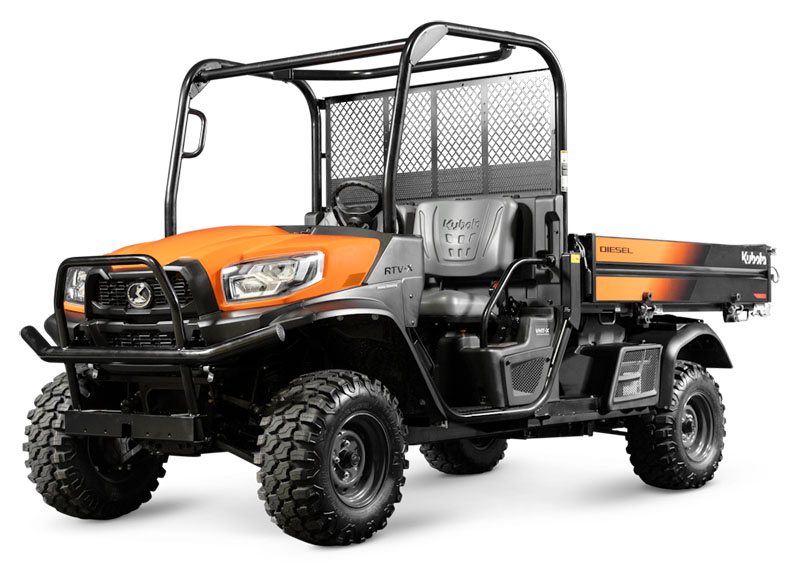
Table of Contents
- Why Buyers Choose a Used Kubota RTV
- Engine and Cooling System Problems
- CVT Belt and Drivetrain Problems
- Suspension, Steering, and Axle Wear
- Electrical and Battery Problems
- Hydraulic Dump Bed Problems
- Frame, Rust, and Cosmetic Red Flags
- Used Kubota RTV Inspection Checklist (Table)
- Buying from a Dealer vs. a Private Seller
- Maintenance Tips After You Buy
- Frequently Asked Questions
- Final Thoughts
Why Buyers Choose a Used Kubota RTV
If you’ve spent any time on a farm, ranch, hunting property, or job site, you’ve seen a Kubota RTV. These side-by-sides are popular because they are built like small tractors that happen to have a steering wheel and a bench seat. They pull, haul, and climb, and they keep doing it day after day.
That popularity is exactly why the used market is so active. A used Kubota RTV costs far less than a new one, and because the diesel engines are known for longevity, many units are still going strong at high hour counts.
But “durable” does not mean “problem-free.” Any machine that has hauled feed, towed trailers, and crossed creek beds will show wear somewhere. Knowing where to look is half the battle. If you’re still shopping around, you can browse current used Kubota RTV for sale listings to get a feel for what models, hours, and prices are out there before you dig into the details below.
Engine and Cooling System Problems
Most Kubota RTV models run on a compact liquid-cooled diesel engine, with a few gas models in the lineup. Diesel engines are tough, but they are picky about fuel, air, and heat.
Hard Starting, Especially in Cold Weather
A diesel RTV that cranks slowly or won’t fire on a cold morning is a common complaint. The usual suspects are:
- Weak or aging battery. Diesel engines need strong cranking power, and a tired battery shows up first.
- Glow plug problems. If the glow plugs or the glow plug timer aren’t working, cold starts get difficult.
- Dirty or clogged fuel filter. Restricted fuel flow makes starting rough.
What to do during a test
Ask the seller not to warm up the machine before you arrive. Start it cold. A healthy engine should fire up within a few seconds, settle into a steady idle, and not produce heavy white or black smoke after a minute or two.
Overheating
Overheating is one of the most frequent issues on hard-worked units, and it’s usually caused by something simple.
Clogged radiator and screens
RTVs spend their lives in dust, hay, grass, and mud. The radiator and the front screen clog up fast. If they aren’t cleaned regularly, the engine runs hot, and repeated overheating can lead to far bigger problems.
Low coolant or a failing fan or thermostat
Check the coolant level and color. Rusty, sludgy, or milky coolant is a warning sign. Look at the overflow bottle for oil residue. Make sure the cooling fan engages. A thermostat that sticks can also cause overheating or an engine that never reaches proper temperature.
What to watch for: The temperature gauge should climb to the normal range and stay there. If it creeps high during a short drive, walk away or negotiate the repair cost into the price.
Fuel System Issues
Water in the fuel, old fuel, and dirty filters are behind many diesel complaints. Units that sat unused for long periods are especially at risk. Ask when the fuel filter and water separator were last serviced. If the seller can’t answer, assume it needs attention.
Oil Leaks and Engine Noise
A little seepage around gaskets on an older machine isn’t unusual, but active drips are worth noting. Listen for knocking, ticking that gets louder under load, or excessive smoke. These can indicate deeper wear.
CVT Belt and Drivetrain Problems
If there’s one wear item every used Kubota RTV buyer should understand, it’s the CVT (continuously variable transmission) belt and clutch system.
Worn or Slipping CVT Belt
The CVT belt transfers power from the engine to the drivetrain. It’s designed to wear, and it does. Common signs of a tired belt include:
- Slipping or hesitation when you press the accelerator
- A burning rubber smell
- Weak climbing power or poor towing performance
- Jerky engagement from a stop
Belts are not expensive compared with other repairs, but a worn belt can also hint at how the machine was driven. Aggressive towing and constant heavy loads shorten belt life.
Clutch Wear and Contamination
The primary and secondary clutches can wear, and dust or water can get into the CVT housing. Ask if the CVT has been opened and cleaned. Check the CVT intake and exhaust ducts for blockages or damage, because a restricted airflow path causes heat buildup.
Transmission and Differential Concerns
Listen for whining, grinding, or clunking when you shift into forward, reverse, and low range. Test the 2WD/4WD selector and the differential lock. If the 4WD doesn’t engage or the diff lock feels sticky, factor in a repair.
Quick test
Drive in a tight circle at low speed. Binding, popping, or shuddering can point to worn drivetrain components or low fluid.
Fluid Condition
Transmission and differential fluids should be clean and at the right level. Milky fluid suggests water intrusion, and a burnt smell suggests overheating. Neglected fluids are a clue that other maintenance was ignored too.
Suspension, Steering, and Axle Wear
Utility vehicles take a beating. Rough ground, heavy loads, and trailer tongue weight all show up in the suspension and steering.
Ball Joints and Tie Rod Ends
Loose steering, a wandering front end, or uneven tire wear points to worn ball joints or tie rod ends. Jack up the front and check for play by wiggling each wheel. These parts are fixable, but you should know about them before you pay.
CV Axles and Boots
Look closely at the rubber CV boots. Torn boots let in dirt and let grease out, and a damaged CV joint will click or pop when turning. Boots are cheap to replace if you catch a tear early, but axles are more expensive once damaged.
Shocks, Bushings, and A-Arms
Look for leaking shocks, cracked bushings, or bent A-arms. A unit that sags on one side or bounces excessively after a bump is due for suspension work. Bent components can also indicate the vehicle was used hard or rolled.
Wheel Bearings and Brakes
Spin each wheel and listen for roughness. Rumbling or humming that changes with speed often means a worn bearing. For brakes, check pad thickness, pedal feel, and whether the machine stops straight. A soft pedal suggests air in the lines or worn parts.
Electrical and Battery Problems
Electrical gremlins show up on almost any aging vehicle, and RTVs are no exception, especially ones washed with a pressure washer or driven through water.
Weak Batteries and Charging Issues
A battery that won’t hold a charge may simply be old, but it could also mean a charging problem. Test the voltage with the engine running. A healthy charging system should show a noticeably higher reading than a resting battery.
Corroded Connectors and Aftermarket Wiring
Check for green or white corrosion on terminals and connectors. Look under the dash and seat for messy aftermarket wiring, such as lights, winches, radios, or sound systems. Poorly installed accessories can cause shorts, drain batteries, and make future diagnosis frustrating.
Gauges, Lights, and Switches
Test every light, gauge, horn, and switch. Dead gauges or flickering lights can point to wiring faults. Individually these issues are small, but together they can reveal how well the machine was cared for.
Hydraulic Dump Bed Problems
Many Kubota RTV models come with a hydraulic dump bed, and it’s a favorite feature for hauling dirt, gravel, firewood, and feed.
Slow or Weak Lift
If the bed lifts slowly or struggles with a modest load, there may be low hydraulic fluid, a worn pump, or an internal leak. Test it empty and, if possible, with some weight in the bed.
Leaks and Drifting
Inspect the cylinder and hoses for leaks. Raise the bed and watch whether it slowly drifts down. A bed that won’t hold its position suggests internal seal wear.
Bed Latches and Hinges
Check the latches, tailgate, and hinge points. Rust, bent metal, or cracked welds can show up here on units that carried heavy loads regularly.
Frame, Rust, and Cosmetic Red Flags
Cosmetic wear is normal on a work vehicle, so don’t be scared off by scratches. What matters is structural condition.
Frame and ROPS
Look underneath for cracks, bent rails, or fresh welds, which can suggest past damage. Inspect the roll cage (ROPS) for bends, cracks, or amateur repairs.
Rust
Surface rust on bolts is common. Deep rust on the frame, floor, or suspension mounts is more concerning, especially for units from coastal, snowy, or fertilizer-heavy environments.
Seats, Panels, and Plastics
Cracked plastics and torn seats are cosmetic, but they can be used as bargaining chips. Sun-faded, brittle plastic usually means the RTV lived outdoors without cover.
Hour Meter and Wear Consistency
Compare the hour meter to the overall condition. A low-hour machine with worn pedals, a loose steering wheel, and a beat-up bed deserves a second look. Wear should be consistent with the hours shown.
Used Kubota RTV Inspection Checklist
Print this out or save it on your phone before you go see a machine.
| Area | What to Check | Red Flags |
|---|---|---|
| Engine | Cold start, idle, smoke, leaks | Hard start, heavy smoke, knocking |
| Cooling | Coolant level/color, radiator, fan | Sludgy coolant, clogged radiator, overheating |
| CVT/Drivetrain | Belt condition, clutch response, 4WD, diff lock | Slipping, burning smell, grinding |
| Suspension | Shocks, bushings, A-arms | Sagging, leaks, bent parts |
| Steering | Play in wheel, tie rods, ball joints | Wandering, clunking, uneven tire wear |
| Axles/Bearings | CV boots, wheel bearings | Torn boots, clicking, humming |
| Brakes | Pad wear, pedal feel | Soft pedal, pulling to one side |
| Electrical | Battery, lights, gauges, wiring | Corrosion, messy aftermarket wiring |
| Hydraulics | Bed lift speed, leaks, drift | Slow lift, seepage, bed drops |
| Frame/ROPS | Cracks, welds, rust | Fresh welds, bends, deep rust |
| Records | Service history, hour meter | No records, inconsistent wear |
Buying from a Dealer vs. a Private Seller
Where you buy matters almost as much as what you buy.
Private Sellers
Private sales can offer lower prices, but you’re usually on your own. There’s rarely a warranty, limited paperwork, and little recourse if something fails a week later. If you go this route, bring a mechanically inclined friend and insist on a cold start.
Dealers and Specialists
A dealer who focuses on used utility vehicles generally inspects, services, and sorts their inventory before listing it. That doesn’t remove the need for your own inspection, but it does reduce the chance of surprises. You also get someone to talk to if questions come up later.
If you want to compare several machines in one place, start with the dealer’s used Kubota RTV inventory and then widen your search through the full used utility vehicles shop to see other brands and models that may fit your budget and workload.
Ready to look at one in person? Take this checklist with you, ask for service records, and don’t be shy about requesting a test drive.
Maintenance Tips After You Buy
Once you’ve found a good used Kubota RTV, a little upfront maintenance sets you up for years of reliable use.
Do a Baseline Service
Even if the seller says it was recently serviced, consider changing the engine oil and filter, fuel filter, and air filter, and checking the transmission and differential fluids. That gives you a known starting point.
Keep the Machine Clean
Blow out the radiator, screens, and CVT ducts regularly, especially after dusty or grassy work. Heat is the enemy of nearly every component discussed above.
Inspect the CVT Belt Regularly
Make a habit of checking the belt for glazing, cracks, or uneven wear. Replacing it on schedule is cheaper than getting stranded.
Grease Every Fitting
Grease the suspension and steering points as the manual recommends. This simple habit extends the life of ball joints, bushings, and bearings.
Store It Properly
If you can, park the RTV under cover and keep the fuel fresh. Use a battery tender if it sits for weeks at a time.
Frequently Asked Questions About Used Kubota RTV Units
What is the biggest problem with used Kubota RTVs?
The most common issue is CVT belt and clutch wear, followed by cooling problems on units that haven’t been kept clean. Both are manageable with regular maintenance and a good inspection.
How many hours is too many on a used Kubota RTV?
There is no single magic number. A well-maintained diesel RTV can run for thousands of hours, while a neglected one can have trouble much sooner. Service records and overall condition matter more than the hour meter alone.
Are Kubota RTVs reliable?
Generally, yes. Kubota has a strong reputation for building durable diesel engines and rugged utility machines. Reliability still depends heavily on how the unit was used and maintained.
How much does it cost to fix common Kubota RTV problems?
It varies widely. A belt, battery, or filters are relatively affordable, while axles, hydraulic pumps, or engine work cost significantly more. Get a quote from a local service shop for any issue you find during inspection and use it to negotiate.
How often should the CVT belt be replaced?
There’s no universal interval because it depends on how hard you work the machine. Follow the manual’s guidance, inspect it regularly, and replace it when you see glazing, cracking, slipping, or burning smells.
Should I buy a gas or diesel used Kubota RTV?
Diesel models are popular for torque, fuel efficiency, and longevity, and they suit heavy work. Gas models can be a fit for lighter use or buyers who prefer simpler fuel handling. Think about your workload and local fuel availability.
What should I ask a seller before buying a used Kubota RTV?
Ask for the service history, the date of the last fluid and belt changes, whether it has ever been in an accident or rolled, how it was used (towing, plowing, hauling), and whether any modifications were made. Also ask why they’re selling.
Is it better to buy a used Kubota RTV from a dealer?
A reputable dealer usually offers inspected inventory, clearer paperwork, and support after the sale. That said, always do your own inspection regardless of who is selling.
Can I finance or trade in a used utility vehicle?
Many dealers offer financing or trade-in options. Contact the dealer directly to ask what’s available for the specific unit you’re considering.
Final Thoughts: Buy Smart and Enjoy the Ride
A used Kubota RTV can be one of the smartest equipment purchases you make, but only if you know what to look for. The common problems, from CVT wear and cooling issues to suspension play, worn electrical connections, and hydraulic leaks, are mostly predictable and often inexpensive to address when caught early.
Do a cold start, test every function, check the fluids, and ask for records. If something looks off, either negotiate or walk away. There will always be another machine.
Take the next step:
- Browse the full selection of Kubota RTV UTVs for sale to compare models, hours, and pricing.
- Not sure Kubota is the right fit? Explore the complete used utility vehicle shop for more options.
- Have questions about a specific unit? Contact the team at Used Utility Vehicles and get answers before you buy.