Yamaha Viking vs Honda Pioneer
Table of Contents
- Quick Answer: Yamaha Viking vs Honda Pioneer (AI Overview)
- Why This Comparison Matters
- Meet the Contenders
- Yamaha Viking vs Honda Pioneer: Side-by-Side Table
- Seating and Comfort
- Engine, Power and Drivetrain
- Hauling and Towing
- Off-Road Handling and Ride Quality
- Reliability and Maintenance
- Price and Value on the Used Market
- Who Should Buy Which?
- What to Check Before Buying a Used UTV
- Frequently Asked Questions
- Final Verdict and Next Steps
Quick Answer: Yamaha Viking vs Honda Pioneer
Which is better, the Yamaha Viking or the Honda Pioneer?
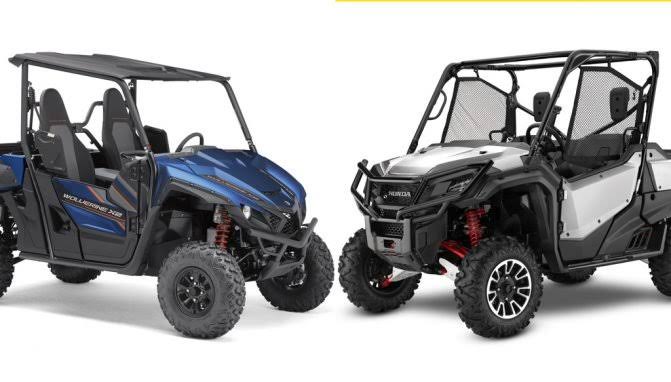
Short answer: Neither wins every category. The Yamaha Viking is the better pick if you want three-across seating, a roomy cab and a comfortable ride for long days on the ranch or at the hunting lease. The Honda Pioneer is the better pick if you want a compact, nimble machine that squeezes down tight trails and is easy to trailer and store.
Which one is cheaper to buy used?
Both hold their value well. Prices vary with year, hours and condition, so compare actual listings rather than averages. You can browse current used Yamaha Viking UTVs for sale and the wider used utility vehicle inventory to see real numbers.
Which is more reliable?
Both brands have strong reputations for durability. Single-cylinder engines, simple automatic transmissions and solid dealer support mean either machine can run for years with basic maintenance. A clean service history matters more than the badge on the hood.
Which is better for hauling and towing?
Both are capable work machines in the mid-size class. The Viking offers a bigger cab and a roomier feel, while the Pioneer’s smaller footprint is easier to maneuver when loaded. Check the exact spec sheet for the model year you are considering.
Why This Comparison Matters
If you are shopping for a used UTV for sale, you have probably noticed that two names keep coming up again and again: Yamaha and Honda. Both brands have decades of off-road experience, both build machines that farmers, ranchers, hunters and weekend adventurers trust, and both show up constantly on the used market.
That is exactly why the Yamaha Viking vs Honda Pioneer debate is so common. On paper the two look similar. They are both mid-size, single-cylinder, four-wheel-drive side-by-sides with automatic transmissions and a work-first attitude. In the real world, though, they feel different, and those differences decide whether you love your purchase or regret it after the first season.
This guide walks through both machines the way a friend who has spent years around used utility vehicles would explain them: honestly, practically and without the marketing fluff. By the end, you will know which one fits your land, your crew and your budget.
Meet the Contenders
Yamaha Viking: The Roomy Three-Seater
The Yamaha Viking is best known for one thing: it seats three people side by side. That layout turns the machine into a true family or crew vehicle. Yamaha built the Viking around a 686cc single-cylinder engine, an Ultramatic CVT transmission, electric power steering and selectable two-wheel, four-wheel and diff-lock drive modes. The cab is wide, the bench is comfortable, and the overall feel is more “pickup truck” than “toy.”
Why people love the Yamaha Viking 700
- Three-across seating for passengers or a work crew
- Smooth, quiet automatic transmission
- Predictable, stable handling at working speeds
- A tough steel frame and a cargo bed built for real chores
- A deep used market, so it is easy to find a good example
If this machine sounds like what you are after, take a look at the current Yamaha Viking UTV for sale listings and compare condition, hours and price in one place.
Honda Pioneer 700: The Compact Workhorse
The Honda Pioneer 700 is the Viking’s closest rival in the mid-size class. It uses a 675cc single-cylinder engine, an automatic transmission, four-wheel drive and a compact chassis. It comes in two-seat and four-seat versions, which gives buyers more flexibility depending on how many riders they usually carry.
Why people love the Honda Pioneer
- Narrow, nimble frame that fits tight trails and gates
- Honda’s reputation for engine durability
- Easy handling for first-time UTV owners
- A four-seat option for bigger groups
- Strong resale value
Yamaha Viking vs Honda Pioneer: Side-by-Side Table
Specifications change by model year and trim, so always confirm the numbers on the exact machine you are buying. This table shows how the two compare in general terms.
| Feature | Yamaha Viking | Honda Pioneer 700 |
|---|---|---|
| Engine | 686cc single-cylinder | 675cc single-cylinder |
| Seating | Three across | Two-seat or four-seat versions |
| Transmission | Ultramatic CVT automatic | Automatic |
| Drive modes | 2WD, 4WD, diff-lock | 2WD, 4WD |
| Steering | Electric power steering | Power steering on most models |
| Cab feel | Wide and roomy | Compact and agile |
| Best for | Ranch work, crews, comfort | Trails, tight spaces, flexibility |
| Used market | Plentiful and well priced | Plentiful and strong resale |
Seating and Comfort
The Viking’s three-across bench
This is the Viking’s signature advantage. With room for three adults, you can bring your spouse and a farmhand to the back pasture without anyone riding on a tailgate. The wide cab also means more shoulder room, which matters on long days when you are bouncing over uneven ground.
What this means in real life
If you often carry two or more passengers, the Viking quickly becomes the more practical machine. Hunters with a guide, ranchers with a crew and families with kids all benefit from the extra seat.
The Pioneer’s flexible layout
The Pioneer takes a different approach. The two-seat model is tight but efficient, and the four-seat model gives you a second row for larger groups. Be aware that the rear seats in four-seat machines trade away cargo space, so think about whether you need passengers or payload more often.
Comfort verdict
For day-long seat time and passenger comfort, the Viking has the edge. For smaller crews and quick trips, the Pioneer is perfectly comfortable.
Engine, Power and Drivetrain
Power delivery
Both machines use single-cylinder engines in roughly the same displacement range, so neither is a speed demon. They are tuned for torque and reliability, not racing. You will not win a drag race, but you will pull a loaded trailer up a muddy hill and get home on time.
Yamaha’s Ultramatic transmission
The Viking’s CVT transmission is smooth and quiet, with engine braking that helps on descents. Shifting between high, low and reverse is simple, and the belt-driven system is easy for any competent shop to service.
Honda’s drivetrain
Honda’s drivetrain is known for being predictable and low maintenance. It feels responsive at low speeds, which helps when you are creeping through woods or maneuvering around buildings.
Four-wheel drive and traction
The Viking’s selectable diff-lock is a real advantage in mud, snow and loose soil. If your property includes soft ground or steep, slick slopes, that feature can be the difference between making it through and calling for a tow. The Pioneer is a capable four-wheel-drive machine too, but check the specific model for the traction features you want.
Hauling and Towing
Cargo bed capability
A UTV earns its keep by hauling things: feed, firewood, fence posts, tools and game. Both the Viking and the Pioneer have dump-style cargo beds that handle everyday farm and property chores without complaint.
Matching the bed to your tasks
- Light chores (feed, tools, small loads): Either machine works.
- Regular heavy loads (firewood, gravel, building supplies): Compare bed dimensions and rated capacity for the exact year and trim.
- Mixed passengers and cargo: The three-seat Viking carries more people without giving up the whole bed, while a four-seat Pioneer shrinks the bed.
Towing capacity
Both machines carry hitch receivers and are rated to pull modest trailers. Towing numbers differ by model year, so verify the rating on the spec sheet before you hook up a heavy load. As a rule, stay well within the rated limit and always use trailer brakes where required.
Off-Road Handling and Ride Quality
On the trail
The Pioneer’s narrower stance makes it the more agile machine on tight, twisty trails. Weaving through trees or squeezing between boulders is easier when your vehicle is slimmer. It also fits more easily on small trailers and through narrow garage doors.
In the field
The Viking’s wider track gives it a planted, stable feel on open ground. It tends to feel calmer on side slopes and rough pasture, and the wider cab reduces fatigue over long days. If your work is mostly open fields and ranch roads, the Viking feels right at home.
Suspension and comfort
Both machines use independent suspension that soaks up bumps at working speeds. Neither is built for aggressive sport riding. Treat them as capable utility machines and they will reward you.
Reliability and Maintenance
This is where both brands shine. Yamaha and Honda have built their reputations on engines that keep running, and the single-cylinder designs in both machines are mechanically simple.
Routine maintenance checklist
- Change the engine oil and filter on schedule
- Inspect and replace the drive belt when worn
- Grease suspension and driveline fittings
- Check brake pads, fluids and cables
- Keep the air filter clean, especially in dusty conditions
- Inspect CV boots for tears
Common wear items
Belts, brake pads, tires and CV boots are the usual suspects on either machine. None of these are exotic or expensive. A well-maintained Viking or Pioneer with a documented service history is a safer bet than a low-hour machine that has been neglected.
Parts and service support
Because both are popular, parts and dealer support are easy to find. Aftermarket accessories, from windshields to roofs to winches, are widely available for each.
Price and Value on the Used Market
Both the Viking and the Pioneer hold their value, which is great news when you buy used. A well-kept machine depreciates slowly, so you can often sell it later for close to what you paid.
What affects used UTV prices
- Model year and trim: Newer machines and higher trims cost more.
- Hours and mileage: Lower use usually means higher value.
- Condition: Rust, cracked plastics and worn tires lower the price.
- Accessories: Roofs, winches and windshields can add value.
- Maintenance records: Documented service history supports a stronger price.
Where to compare real prices
Averages only tell part of the story. The best way to understand value is to compare actual listings side by side. Start with the used Yamaha Viking inventory, then widen your search through the full used utility vehicles shop to see how comparable machines are priced.
Who Should Buy Which?
Choose the Yamaha Viking if…
- You often carry three people
- You work on open ranch, farm or hunting land
- You value a roomy, comfortable cab
- You want a diff-lock for soft ground
- You plan to keep the machine for many years
Choose the Honda Pioneer if…
- You ride mostly tight trails or wooded land
- You need a narrower machine for gates or small trailers
- You like the option of a four-seat layout
- You want a nimble, beginner-friendly vehicle
- Your crew is usually one or two people
Still undecided?
Sit in both. A ten-minute test sit will tell you more about comfort and fit than any spec table. If you can, drive each one on terrain similar to your own property.
What to Check Before Buying a Used UTV
Whichever machine you pick, a careful inspection protects your wallet. Use this checklist when you look at a used Viking, Pioneer or any other side-by-side.
Mechanical inspection
- Cold start: Ask to start the engine cold. Hard starting, smoke or odd noises are warning signs.
- Fluids: Check oil, coolant and brake fluid for color, level and leaks.
- Drive belt: Look for glazing, cracks or uneven wear.
- Drivetrain: Engage 2WD, 4WD and diff-lock (if equipped) and listen for grinding.
- Steering and suspension: Check for play, uneven tire wear and leaking shocks.
Frame and body inspection
- Look for bent or re-welded frame sections
- Check for rust at joints and under the bed
- Inspect the roll cage for damage
- Look at plastics for cracks that suggest hard use
Paperwork and history
- Confirm the VIN matches the title
- Ask for service records
- Verify there are no liens
- Ask how the machine was used (work, trail or rental)
Buy from a seller you trust
A reputable dealer inspects machines before listing them, discloses condition honestly and stands behind the sale. That peace of mind is worth a lot. Explore the full selection of used utility vehicles for sale and talk to the team about any machine you are considering.
Frequently Asked Questions
Is the Yamaha Viking better than the Honda Pioneer?
It depends on how you use it. The Viking wins on seating, cab space and stability. The Pioneer wins on agility and compact size. Pick based on your passengers, terrain and storage space.
How many people does the Yamaha Viking seat?
The Yamaha Viking seats three adults across a single bench, which is one of its main selling points over many competitors.
How many people does the Honda Pioneer 700 seat?
The Honda Pioneer 700 comes in two-seat and four-seat versions, so you can choose based on how many riders you typically carry.
Which UTV is more reliable, Yamaha or Honda?
Both have excellent reputations. Reliability depends more on how the specific machine was maintained than on the brand name. Always review service records before you buy.
Is a used Yamaha Viking worth buying?
Yes, for most buyers. The Viking is a durable work machine that holds its value, and the used market offers plenty of choices. Inspect the machine carefully and buy from a reputable seller. You can start by browsing used Yamaha Viking models.
What should I look for when buying a used UTV?
Check the engine, drive belt, drivetrain, steering, suspension and frame. Verify the title and VIN, and ask for maintenance records.
How long does a Yamaha Viking or Honda Pioneer last?
With regular maintenance, both can last many years of regular use. Belt changes, oil changes and proper storage extend their lives considerably.
Can I tow with a Viking or Pioneer?
Yes. Both have hitch receivers and are rated for light to moderate towing. Check the exact rating for your model year and stay within it.
Where can I find used UTVs for sale?
A dedicated dealer is a good place to start. You can browse the complete used utility vehicle selection and compare machines in one place.
Final Verdict and Next Steps
The Yamaha Viking vs Honda Pioneer decision comes down to how you live and work. If you need three-across seating, a calm ride and a roomy cab, the Viking is hard to beat. If you want a nimble machine for tight trails and tight storage, the Pioneer is a smart choice. Either way, buying used gets you a proven, durable machine at a friendlier price.
The best next step is to see real machines in person or at least in detailed listings. Compare condition, hours and price, and trust your gut when you test drive.
Ready to find your next side-by-side?
- Want a roomy three-seater? Browse our used Yamaha Viking UTVs for sale and find the right one for your property.
- Want to compare more options? Explore the full lineup of used utility vehicles and shop with confidence.
Contact the team today to ask questions, schedule a viewing or get help choosing the right UTV for your needs. Your next work partner is waiting.