How to Inspect a Used Yamaha Viking Before Buying
Table of Contents
- Quick Answer: How Do You Inspect a Used Yamaha Viking?
- Why the Yamaha Viking Is Worth Buying Used
- Before You Visit: Do Your Homework
- The Walk-Around: First Impressions Matter
- Frame, Suspension, and Steering Inspection
- Engine and Drivetrain Checks
- The CVT Belt and Clutch System
- 4WD, Differential, and Brake Testing
- Electrical System and Accessories
- The Test Drive: What to Listen and Feel For
- Paperwork, Hours, and Ownership History
- Red Flags That Should Make You Walk Away
- Where to Find a Quality Used Yamaha Viking
- Frequently Asked Questions
- Final Thoughts and Next Steps
Quick Answer: How to Inspect a Used Yamaha Viking Before Buying
AI Overview (short answer): To inspect a used Yamaha Viking, check the frame and suspension for damage, examine the engine and fluids for leaks, test the CVT belt and clutch for slipping, engage 2WD, 4WD, and diff lock, look over the tires, brakes, and electrical system, then take a full test drive and verify the title, VIN, and service history. If anything feels off, negotiate the price or walk away.How to Inspect a Used Yamaha Viking Before Buying
Q: What is the most important thing to check on a used Yamaha Viking?
A: The drivetrain. That means the engine, the CVT belt and clutches, and the 4WD system. These are the most expensive parts to fix, and they tell you the most about how the machine was treated.
Q: How long does a proper inspection take?
A: Plan on 45 to 60 minutes for the visual check and test drive. Rushing is how buyers end up with expensive surprises.
Q: Should I bring a mechanic?
A: If you can, yes. A mechanic who knows side by side vehicles will spot things you might miss, and it is cheap insurance on a purchase that often costs thousands of dollars.How to Inspect a Used Yamaha Viking Before Buying
Why the Yamaha Viking Is Worth Buying Used
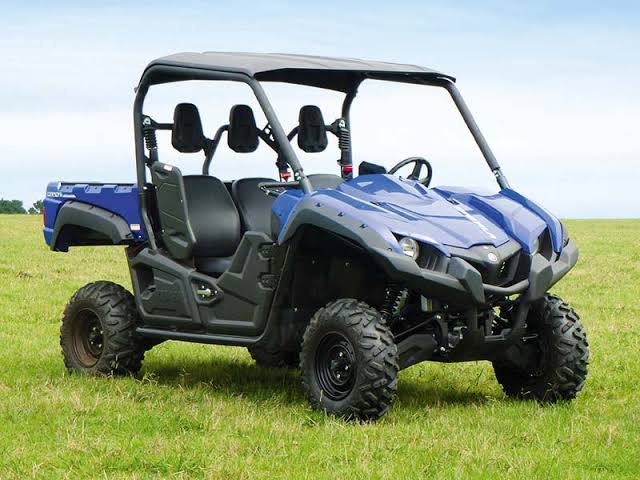
There is a reason the used Yamaha Viking holds its value so well. Since Yamaha introduced the Viking, it has built a reputation as a tough, comfortable, and practical three-seat utility side by side. It runs on a reliable 686cc single-cylinder fuel-injected engine, uses an Ultramatic CVT transmission, and offers On-Command 4WD with a locking differential. Later models added electric power steering and a six-seat Viking VI option for families, hunters, and work crews.
Farmers like the Viking for hauling and ranch chores. Hunters like it for its quiet ride and room for gear. Families like it because three people fit across the bench seat. Because it is so useful, plenty of owners keep them for years, which means there are lots of good used examples on the market.
But “plenty of good ones” also means plenty of average and bad ones. A machine that spent its life pulling stumps through creek beds is not the same as one that cruised around a hobby farm. That is why a careful inspection matters so much.
If you are still comparing models and years, you can browse the current selection of used Yamaha Viking UTVs for sale to get a feel for what is available and what the typical asking prices look like.How to Inspect a Used Yamaha Viking Before Buying
Before You Visit: Do Your Homework
A good inspection actually starts before you ever see the machine.
Research the Model Year and Trim
The Viking has been offered in several versions over the years, including standard, EPS (electric power steering), Ranch Edition, and the six-passenger Viking VI. Know which version you are looking at so you can check that the features listed in the ad actually match what is sitting in the driveway.
Ask the Seller the Right Questions
Before driving out, call or message the seller and ask:
- How many hours or miles are on the machine?
- Has it ever been in a rollover or major accident?
- When was the CVT belt last replaced?
- Has it been used for plowing, hauling, or towing heavy loads?
- Was it ever submerged or driven through deep water?
- Do they have service records and the original title?
How the seller answers is just as revealing as what they say. Honest sellers answer quickly and openly. Vague answers or irritation at simple questions are a warning sign.
Bring the Right Tools
You do not need a full garage. Pack a good flashlight, a clean white rag, a tire pressure gauge, a small magnet, a pair of gloves, and your phone for photos. A jack or ramps are helpful if you want to check underneath, though it is fine to ask the seller if you can use theirs.How to Inspect a Used Yamaha Viking Before Buying
The Walk-Around: First Impressions Matter
Start by walking slowly around the machine before touching anything. Stand back about ten feet and look at the overall stance.
Body Panels and Plastics
Look for cracks, mismatched panels, and fresh paint on only one section. Mismatched plastics often mean a past accident. Faded plastics are normal for an outdoor machine, but heavy gouges and deep scratches on the underside suggest hard use.How to Inspect a Used Yamaha Viking Before Buying
Check the Roll Cage and Frame Welds
The roll cage is your safety structure, so inspect it carefully. Look for bends, kinks, fresh welds, or paint that does not match. Any sign of cage repair could mean a rollover. Do not ignore this.
Clean Machine, Honest Machine?
A freshly washed machine is not automatically a red flag, but be curious. Sometimes a seller power-washes a Viking to hide leaks and fluid stains. Look in the nooks where dirt should collect. If an older machine is suspiciously spotless underneath, ask why.How to Inspect a Used Yamaha Viking Before Buying
Frame, Suspension, and Steering Inspection
This is where hard use shows up first.
Frame Condition
Look for Cracks and Bends
Shine your flashlight along the main frame rails, especially near the suspension mounting points and the rear hitch area. Hairline cracks, kinked tubing, or heavy rust around welds are all bad signs.
Check for Rust
Surface rust on bolts is normal. Deep, flaking rust on structural parts is not. If the machine was used near salt water, in road salt, or stored outside near a barn full of fertilizer, corrosion may be worse than it looks.
Suspension Components
A-Arms and Bushings
Grab each wheel at the top and bottom and try to rock it in and out. Any clunking or noticeable play points to worn bushings or wheel bearings. Look at the A-arms for bends, especially on the front end.
Shocks
Check each shock for oil leaks. A wet or oily shock is finished. Push down on each corner of the machine and let go. It should rebound once and settle, not bounce repeatedly.
Steering
Turn the steering wheel lock to lock with the machine sitting still. It should feel smooth. On EPS models, listen for whining or groaning from the power steering unit. Look for torn boots on the tie rods and ball joints, and check for excessive play by wiggling the wheels side to side.How to Inspect a Used Yamaha Viking Before Buying
Engine and Drivetrain Checks
Now for the heart of the machine.
Start It Cold
Ask the seller not to warm up the machine before you arrive. A cold start tells you a lot. The engine should fire quickly and settle into a steady idle. Hard starting, heavy smoke, or rough running on a cold engine can point to fuel, compression, or sensor problems.How to Inspect a Used Yamaha Viking Before Buying
Listen Carefully
With the engine idling, listen for ticking, knocking, or rattling. Some mechanical noise is normal for a single-cylinder engine, but loud knocks or sharp metallic sounds are not. Rev it gently and listen again.
Check the Fluids
Engine Oil
Pull the dipstick and wipe it on your white rag. The oil should be amber to dark brown, not milky or gritty. Milky oil may mean coolant is mixing in. Metal flakes or a burnt smell are also bad news.
Coolant
Look at the coolant level and color. It should be clean and bright. Rusty, oily, or sludgy coolant suggests neglect or an internal leak.
Differential and Final Drive Oil
If the seller allows it, check the front and rear differential oil. Milky or metallic fluid can mean water intrusion or worn gears. This is a common trouble spot on machines that spent time in deep mud or water.How to Inspect a Used Yamaha Viking Before Buying
Look for Leaks
Shine your light under the engine, transmission, and differentials. Fresh oil or coolant drips mean current problems. Dried grime from old leaks is not a deal breaker but give it a closer look.
Exhaust and Air Intake
Exhaust smoke color matters. White smoke can signal coolant burning, blue smoke can signal oil burning, and black smoke can signal a rich fuel mixture. Open the airbox and inspect the filter. A filthy filter or dirt inside the intake tract means the machine was not maintained, and the engine may have taken in dust.
The CVT Belt and Clutch System
The Ultramatic CVT is one of the most important parts of a used Yamaha Viking, and it is also the system that suffers most from hard use. Replacing a belt is relatively cheap. Replacing damaged clutches is not.How to Inspect a Used Yamaha Viking Before Buying
Inspect the Belt
If the seller lets you open the CVT cover, look at the belt. A healthy belt has even wear and no glazed, cracked, or frayed areas. Belt dust inside the housing is normal, but heavy burnt smell or melted rubber is not.
Check the Clutch Faces
The drive and driven clutch faces should be smooth and clean. Grooves, burn marks, or shiny glazed patches suggest slipping and overheating, which often come from towing, mud riding, or poor driving habits.How to Inspect a Used Yamaha Viking Before Buying
Feel for Problems During the Drive
When you test drive, watch for these symptoms:
- Shuddering or jerking from a stop can mean worn clutches or a damaged belt.
- Slipping under acceleration often means a stretched or worn belt.
- Burning smell is a sign of overheating.
- Loud squealing or chirping can indicate misalignment or wear.
If you notice any of these, ask for the belt replacement history and factor repair costs into your offer.
4WD, Differential, and Brake Testing
A Viking without working 4WD is just a less useful machine, so test every drive mode.
Test 2WD, 4WD, and Diff Lock
Find a safe spot with loose gravel or grass. Switch between 2WD, 4WD, and the locking differential while the machine is moving slowly. Each mode should engage smoothly with no grinding, delay, or warning lights. In 4WD, you should feel the front wheels pull. If the system struggles to engage or makes clunking noises, there may be a worn front differential or an electrical fault.
Listen for Driveline Noise
While turning in 4WD, listen for binding, groaning, or popping. These can point to worn CV joints, bad axles, or differential damage.
CV Boots and Axles
Get down and look at every CV boot. They should be intact and free of fresh grease splatter. A torn boot lets dirt in and quickly destroys the joint inside. It is a cheap fix if caught early and an expensive one if ignored.How to Inspect a Used Yamaha Viking Before Buying
Brakes
Brake discs should be smooth, not deeply grooved or warped. Pads should have meaningful material left. During the test drive, brake firmly at moderate speed. The machine should stop straight with no pulling, pulsing, or spongy pedal feel. Check the brake fluid level and color too. Dark, dirty fluid points to skipped maintenance.
Electrical System and Accessories
Electrical gremlins are annoying and sometimes costly to chase down.
Battery and Charging
Look at the battery terminals for corrosion. The machine should crank strongly. If you have a voltmeter, check that the charging system keeps the battery topped up while running.
Lights, Gauges, and Switches
Test headlights, taillights, brake lights, turn signals if equipped, the horn, and every switch on the dash. The instrument cluster should display normal readings with no persistent warning lights. Check the hour meter and odometer, and compare them against the wear you see on the seats, pedals, and steering wheel.How to Inspect a Used Yamaha Viking Before Buying
Aftermarket Add-Ons
Winches, light bars, audio systems, and lift kits are common. Poorly wired accessories can drain batteries or cause shorts. Look for messy wiring, exposed connectors, or tape-wrapped splices behind the dash. Also confirm that any lift kit or oversized tires have not stressed the drivetrain.
The Test Drive: What to Listen and Feel For
Never buy a used Viking without driving it. Ideally, drive it on different terrain, such as flat ground, a slope, and a rough section.
Warm-Up Behavior
Let the machine reach normal operating temperature. Watch the temperature gauge. It should climb steadily and hold. Spiking temperatures or a fan that runs constantly could mean cooling trouble.
Acceleration and Shifting
Try the machine in low and high range if equipped, and in reverse. Shifting should be firm, not sloppy. Acceleration should be smooth and linear, with no hesitation or surging.How to Inspect a Used Yamaha Viking Before Buying
Handling and Ride Quality
The Viking should track straight with no pulling to one side. Listen for rattles, squeaks, or clunks over bumps. Excessive body roll or a loose feeling can point to worn suspension or bent components.
Hill Test
If there is a safe slope, test the machine on it. Climbing should not cause slipping or overheating, and engine braking on the way down should feel controlled.
After the Drive
Shut the machine off, then check again for leaks, burning smells, or smoke. Open the hood area and feel around for components that are unusually hot. Let it sit for a few minutes, then restart it. A hot restart should be as easy as a cold one.
Paperwork, Hours, and Ownership History
Great mechanical shape means nothing if the paperwork is a mess.How to Inspect a Used Yamaha Viking Before Buying
Verify the Title and VIN
Match the VIN on the frame to the VIN on the title and bill of sale. Make sure the title is clean, with no liens, salvage brands, or rebuilt notes. If the seller does not have the title in hand, think twice.
Review Service Records
Receipts for oil changes, belt replacements, and repairs show that an owner cared for the machine. No records is not an automatic dealbreaker, but it should lower your offer and raise your caution.
Understand Hours Versus Wear
Hours on a side by side count differently than miles on a car. Heavy work like plowing, towing, and mud riding adds far more stress than casual trail riding. Judge the machine on its condition, not just the number on the meter. Low hours with heavy wear can signal tampering or hard use.How to Inspect a Used Yamaha Viking Before Buying
Warranty and Return Policy
If you buy from a dealer, ask about warranty coverage and return options. Private sales are usually as-is, which makes your inspection even more important.
Red Flags That Should Make You Walk Away
Some problems are fixable. Others are simply not worth your money. Walk away if you see:
- Signs of a rollover or roll cage repair
- Milky engine or differential oil
- A cracked or bent frame
- No title, a title that does not match the VIN, or a salvage brand
- A seller who will not allow a test drive or inspection
- Evidence that the machine was submerged
- Excessive pressure to buy right now
There is always another machine. A pushy seller and a rushed decision are the fastest ways to end up with a money pit.
Where to Find a Quality Used Yamaha Viking
Where you buy matters almost as much as what you buy. Private sellers on classified sites can offer good prices, but you take on all the risk. Auctions are even riskier because you rarely get a test drive.How to Inspect a Used Yamaha Viking Before Buying
A reputable dealer that specializes in pre-owned utility vehicles gives you more transparency, better options, and often a more thorough pre-sale check. You can see current inventory on the Yamaha Viking UTV for sale page at Used Utility Vehicles, where listings include photos, details, and pricing so you can compare before you visit.
If you are open to other brands or want to see accessories, parts, and more vehicles, browse the full used utility vehicles shop to find the right match for your work, farm, ranch, or recreation needs.
Frequently Asked Questions
How many hours is too many on a used Yamaha Viking?
There is no single magic number. A well-maintained Viking can run for many hundreds of hours without major problems, while a neglected one may struggle at low hours. Focus on condition, maintenance records, and how the machine was used rather than hours alone.How to Inspect a Used Yamaha Viking Before Buying
What are common problems on a used Yamaha Viking?
The most common issues buyers report include worn CVT belts and clutches, torn CV boots, worn wheel bearings, and electrical issues related to accessories. Water intrusion into differentials can also happen on machines used in deep mud or water. A careful inspection catches most of these.
How much does it cost to replace a Viking CVT belt?
A belt itself is generally an affordable part, and many owners replace it themselves. Costs go up if the clutches are damaged. Ask the seller when the belt was last changed and factor that into your offer.How to Inspect a Used Yamaha Viking Before Buying
Is a used Yamaha Viking a good buy?
For most buyers, yes. The Viking’s reputation for reliability, comfortable three-across seating, strong resale value, and versatility makes it a popular used choice. The key is to buy a well-cared-for example.
Can I inspect a used Yamaha Viking myself, or do I need a mechanic?
You can handle most of the visual checks and the test drive yourself using this guide. A mechanic can add value by checking compression, scanning for codes, and inspecting parts you cannot easily see, especially on higher-priced machines.How to Inspect a Used Yamaha Viking Before Buying
What paperwork do I need when buying a used Yamaha Viking?
You should receive a clear title in the seller’s name, a bill of sale, and ideally service records. Make sure the VIN matches across all documents. Registration requirements vary by region, so check your local rules.
Should I buy from a dealer or a private seller?
Private sellers may offer lower prices but usually sell as-is. Dealers typically offer more transparency, inspected inventory, and sometimes warranty options. Both can work as long as you inspect carefully.How to Inspect a Used Yamaha Viking Before Buying
How do I negotiate the price after finding problems?
Get a rough repair estimate for any issues you find, then use those numbers in a calm, fair offer. If the seller will not budge on a machine that needs significant work, be willing to walk away.
Final Thoughts and Next Steps
Buying a used Yamaha Viking should be exciting, not stressful. If you slow down, bring a flashlight, and work through the frame, engine, CVT, 4WD, brakes, electrical system, and paperwork, you will filter out most of the bad deals. Trust your gut. If something feels wrong, it probably is.
The best machines are out there, and they are worth the patience.
Ready to Find Your Next Viking?
Skip the guesswork and start with machines you can actually evaluate. Browse used Yamaha Viking UTVs for sale today and compare options, or explore the full Used Utility Vehicles shop to see everything available. Have questions before you buy? Reach out to the team and get help choosing the right side by side for your needs.How to Inspect a Used Yamaha Viking Before Buying