
Buying used equipment is one of the smartest ways businesses and individuals can reduce upfront costs while still getting reliable machinery. Whether you’re purchasing a used utility vehicle, UTV, forklift, tractor, golf cart, skid steer, or construction equipment, financing allows you to preserve cash flow and spread payments over time.
However, one question every buyer asks is:
What are used equipment financing rates?
The answer depends on several factors, including your credit score, the age of the equipment, loan amount, repayment period, and the lender you choose.
This guide explains everything you need to know about financing used equipment and how to secure the lowest possible interest rate.
What Are Used Equipment Financing Rates?
Used equipment financing rates are the interest rates charged when borrowing money to purchase previously owned machinery or vehicles.
Instead of paying the full purchase price upfront, a lender finances the equipment while you make monthly payments over an agreed period.
Interest rates determine how much you’ll pay in addition to the purchase price.
For example:
- Equipment Price: $20,000
- Interest Rate: 7%
- Loan Term: 60 months
Your monthly payment will include both principal and interest.
Lower financing rates mean lower monthly payments and less money paid over the life of the loan.
Average Used Equipment Financing Rates
Although rates change based on market conditions and individual qualifications, borrowers generally see ranges like these:
| Borrower Profile | Typical Interest Rate |
|---|---|
| Excellent Credit (740+) | 5%–7% |
| Good Credit (680–739) | 6%–9% |
| Fair Credit (620–679) | 8%–12% |
| Poor Credit (Below 620) | 12%–20%+ |
Businesses with strong financial histories often qualify for better rates than first-time buyers.
Factors That Affect Used Equipment Financing Rates
1. Credit Score
Your credit score is one of the biggest factors lenders evaluate.
Higher scores demonstrate lower lending risk, which usually results in lower interest rates.
Improving your credit before applying can save thousands of dollars over the life of the loan.
2. Equipment Age
Newer used equipment usually qualifies for lower financing rates.
For example:
- 2-year-old utility vehicle
- 4-year-old forklift
- 5-year-old skid steer
Older equipment may have higher rates because lenders consider it a greater risk.
3. Equipment Condition
Lenders prefer financing equipment that is:
- Well maintained
- Low operating hours
- Clean service history
- Good resale value
Equipment in excellent condition generally receives more favorable financing terms.
4. Loan Amount
Larger loans sometimes receive lower rates because lenders earn more interest over the loan term.
Smaller loans may carry slightly higher rates.
5. Down Payment
Making a down payment reduces the lender’s risk.
Many buyers put down between 10% and 20%.
A larger down payment may help you qualify for a lower interest rate.
6. Loan Term
Shorter repayment periods usually have lower interest rates.
Typical financing terms include:
- 24 months
- 36 months
- 48 months
- 60 months
- 72 months
- 84 months
Longer terms reduce monthly payments but often increase the total interest paid.
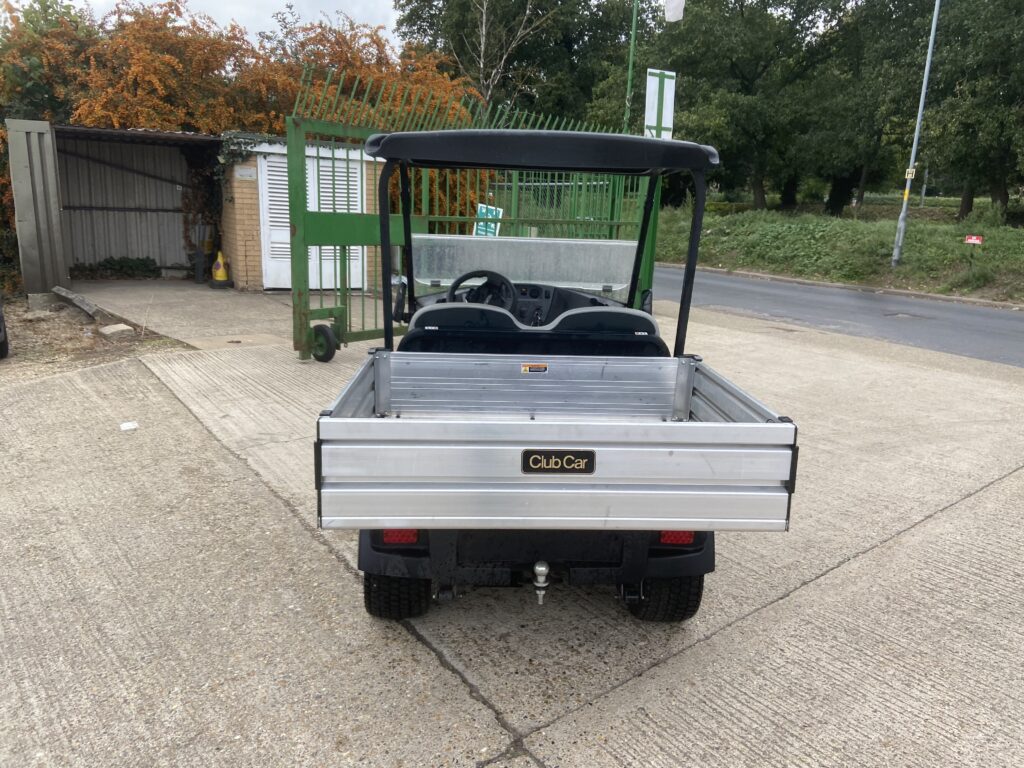
Can You Finance Used Utility Vehicles?
Absolutely.
Many lenders finance:
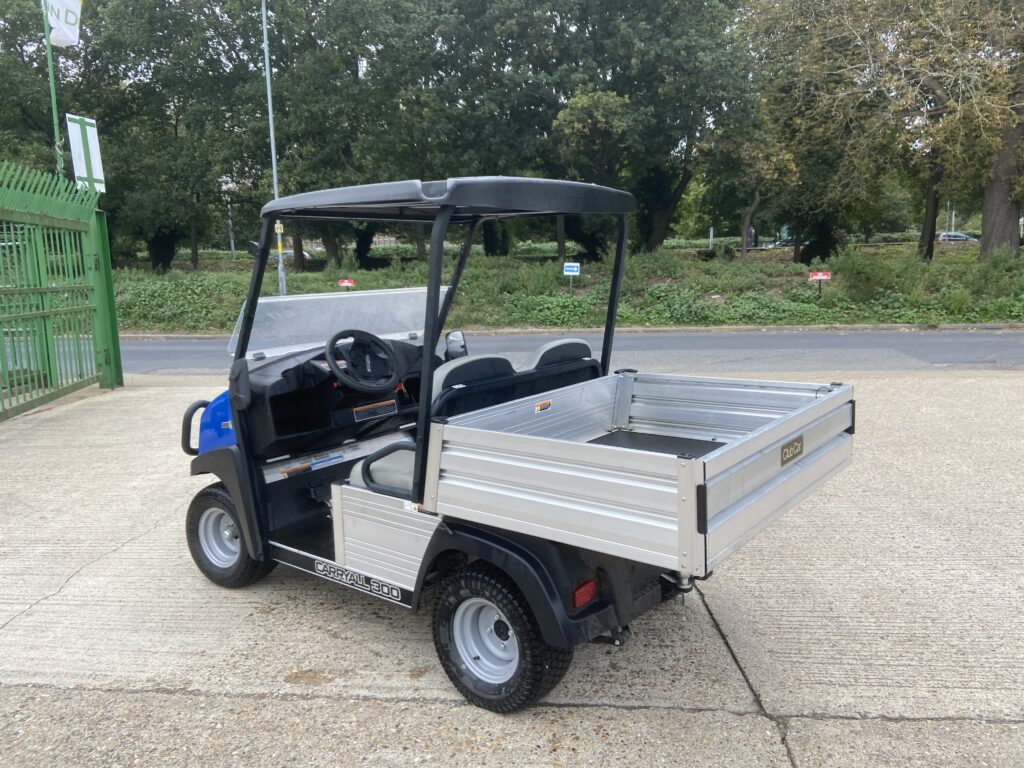
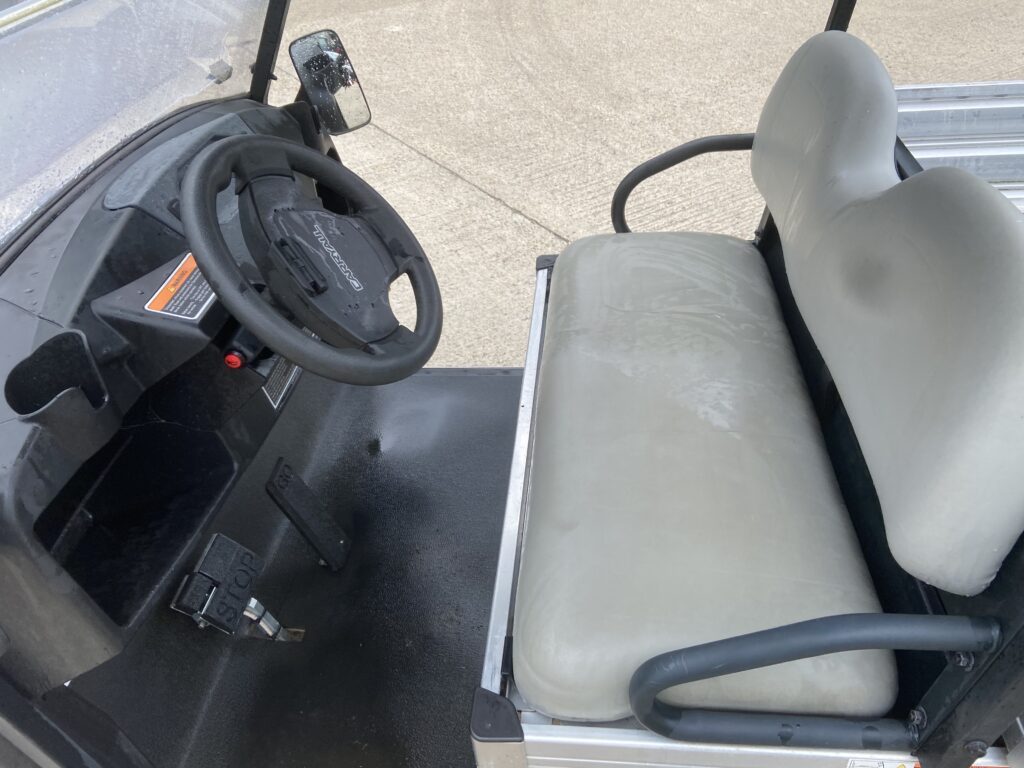
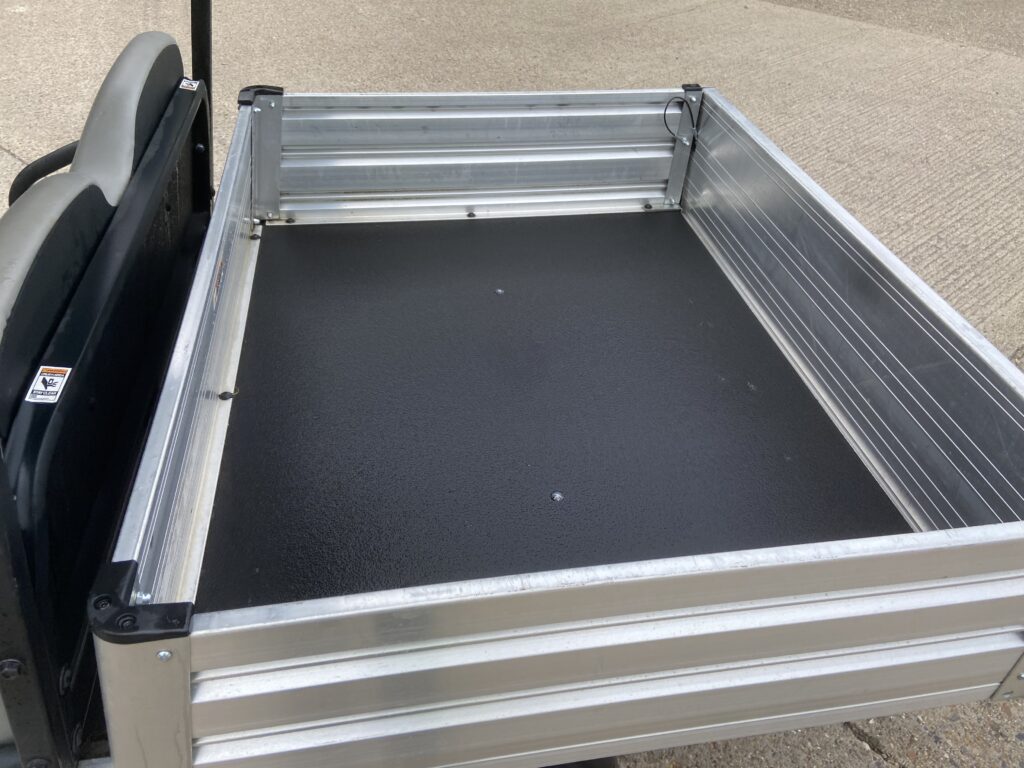
- Used utility vehicles
- Side-by-side UTVs
- Diesel utility vehicles
- Electric utility vehicles
- Work carts
- Golf carts
- Industrial utility vehicles
Financing is available for both personal and commercial buyers.
Benefits of Financing Used Equipment
Preserve Cash Flow
Instead of spending tens of thousands of dollars upfront, financing lets you keep working capital available for payroll, inventory, or business growth.
Build Business Credit
Making payments on time can strengthen your business credit profile, making it easier to qualify for future loans.
Purchase Better Equipment
Financing allows buyers to afford higher-quality equipment with better features and lower maintenance costs.
Tax Advantages
Businesses may qualify for tax deductions on financed equipment, depending on local tax laws. Always consult a qualified tax professional for advice.
Where Can You Get Used Equipment Financing?
Several financing options are available:
Banks
Traditional banks often provide competitive rates for borrowers with strong credit.
Pros:
- Lower interest rates
- Long repayment terms
Cons:
- Longer approval process
- More documentation required
Credit Unions
Credit unions frequently offer competitive financing with personalized customer service.
Equipment Finance Companies
Specialized lenders understand commercial equipment and often approve loans faster than traditional banks.
Dealer Financing
Many equipment dealers partner with financing companies to provide convenient financing options at the point of sale.
Online Lenders
Online lenders can provide quick approvals and flexible financing solutions, especially for businesses that need equipment quickly.
How to Get the Lowest Used Equipment Financing Rates
Follow these tips to improve your chances of receiving the best rate:
- Improve your credit score before applying.
- Save for a larger down payment.
- Compare multiple lenders.
- Choose a shorter loan term if your budget allows.
- Buy equipment in excellent condition.
- Provide complete financial documentation.
- Demonstrate stable business income.
Shopping around can make a significant difference in your total financing cost.
Documents You’ll Typically Need
Most lenders request:
- Government-issued identification
- Business information (if applicable)
- Proof of income
- Bank statements
- Equipment invoice
- Purchase agreement
- Credit authorization
Having these documents ready can speed up the approval process.
Should You Finance Used Equipment or Pay Cash?
Paying cash avoids interest charges but ties up capital that could be used elsewhere.
Financing spreads costs over time and helps preserve cash flow.
Many successful businesses choose financing because it allows them to invest in growth while keeping cash available for daily operations.
The right choice depends on your financial goals, available cash, and borrowing costs.
Common Mistakes to Avoid
When financing used equipment, avoid these common errors:
- Accepting the first financing offer without comparison.
- Focusing only on the monthly payment instead of the total loan cost.
- Ignoring additional fees or prepayment penalties.
- Financing equipment without verifying its condition.
- Borrowing more than your business can comfortably repay.
Taking time to evaluate your options can save money and reduce financial stress.
Frequently Asked Questions
What credit score is needed for used equipment financing?
Many lenders prefer a credit score of at least 620, though some offer financing options for lower scores with higher interest rates.
Can startups qualify for equipment financing?
Yes. Some lenders finance startups, although additional documentation or a larger down payment may be required.
How long does approval take?
Approval can range from the same day to several business days, depending on the lender and the complexity of the application.
Is used equipment financing available for individuals?
Yes. Many lenders offer financing for both individual buyers and businesses.
Can I refinance a used equipment loan?
In many cases, yes. Refinancing may help lower your interest rate or monthly payment if your financial situation has improved.
Final Thoughts
Used equipment financing makes it possible to purchase reliable machinery without paying the full cost upfront. By understanding how financing rates work and comparing lenders, buyers can secure affordable payments while protecting their cash flow.
Whether you’re investing in a used utility vehicle, construction equipment, forklift, golf cart, or tractor, the best financing option is one that fits your budget, business goals, and long-term needs. Before signing a loan agreement, compare interest rates, review all loan terms, and choose equipment that offers dependable performance and long-term value.