
Best Utility Vehicle for Construction Site are demanding environments where efficiency, durability, and safety matter every day. Whether you’re transporting workers, hauling tools, moving building materials, or inspecting large job sites, having the right utility vehicle can save time, reduce labor costs, and improve productivity.
Today’s utility vehicles are built to handle rough terrain, heavy payloads, and long workdays. From diesel-powered workhorses to electric models for quieter operations, there is a utility vehicle for every construction business.
In this guide, we’ll cover the best utility vehicle for construction site, the features to look for before buying, and why purchasing a quality used utility vehicle can be a smart investment.
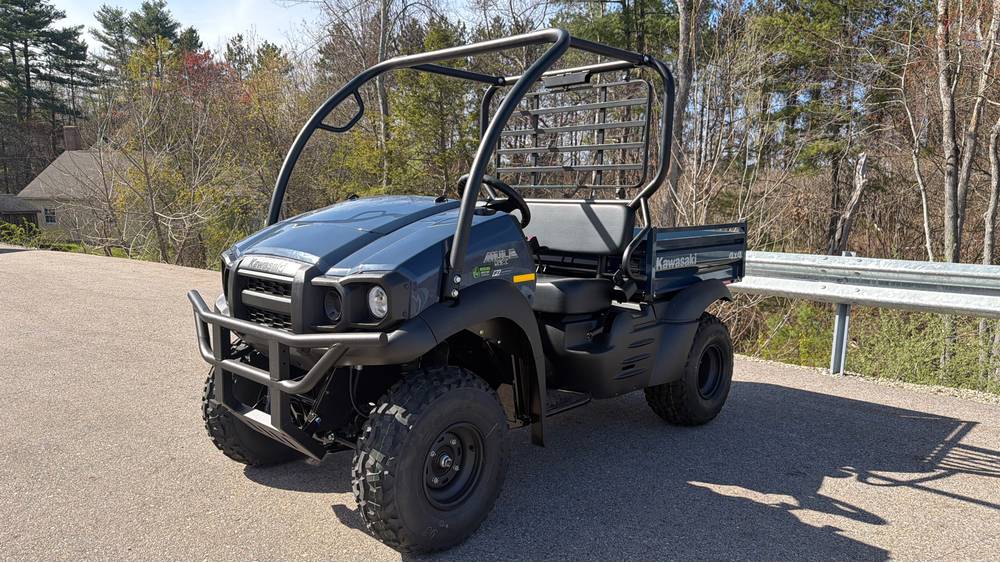
Why Construction Companies Use Utility Vehicles
Construction projects often cover several acres. Walking from one area to another wastes valuable time, especially when carrying equipment or supplies.
A utility vehicle allows crews to:
- Transport workers quickly across the job site
- Carry construction materials and tools
- Haul heavy equipment
- Improve job site efficiency
- Reduce worker fatigue
- Increase productivity throughout the day
Whether you’re managing a residential build or a large commercial project, the right utility vehicle becomes an essential piece of equipment.
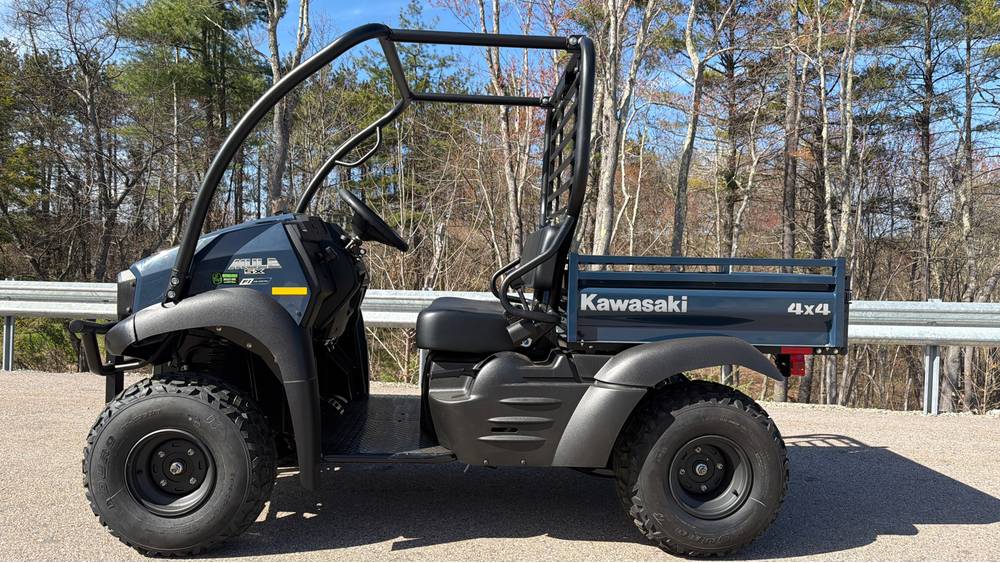
What Makes a Good Construction Utility Vehicle?
Not every UTV is designed for demanding construction work. Before purchasing one, consider these important features.
1. High Payload Capacity
Construction crews often carry:
- Concrete bags
- Lumber
- Power tools
- Generators
- Steel components
- Plumbing materials
Choose a vehicle with a payload capacity that matches your daily workload.
2. Powerful Engine
Construction sites include steep hills, muddy terrain, gravel roads, and uneven surfaces.
A reliable gasoline or diesel engine provides the torque needed for hauling heavy loads.
3. Durable Cargo Bed
The cargo bed should be built from heavy-duty steel or reinforced composite materials that resist dents and corrosion.
A hydraulic dump bed can significantly reduce unloading time.
4. Four-Wheel Drive
Many construction sites experience rain, mud, sand, or loose gravel.
A 4WD utility vehicle provides better traction and stability in difficult conditions.
5. Operator Comfort
Workers may spend several hours operating a utility vehicle.
Look for features like:
- Adjustable seats
- Roof
- Windshield
- Cab enclosure
- Power steering
- Suspension system
Comfort helps reduce fatigue during long workdays.
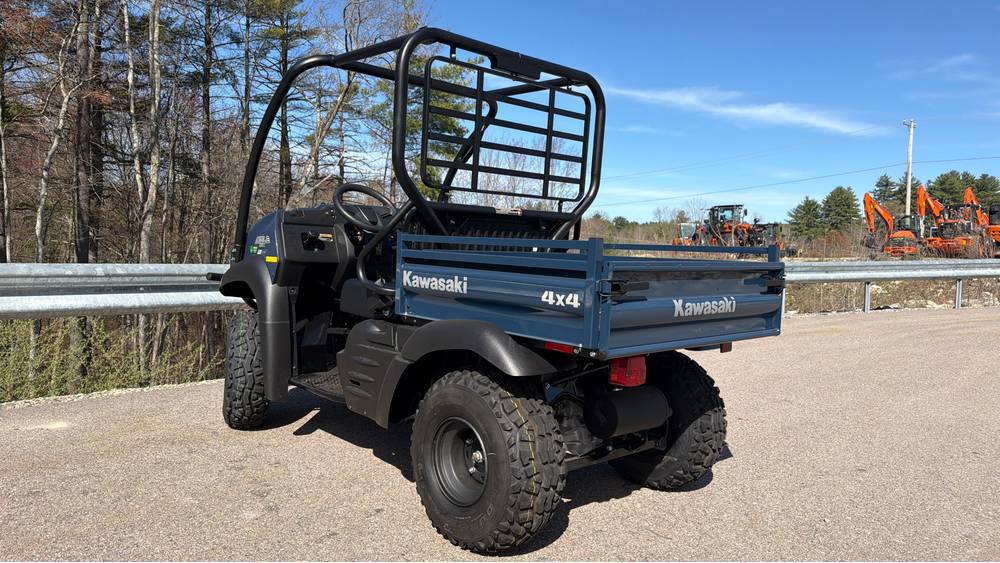
Best Utility Vehicle for Construction Site
1. Kubota RTV Series
The Kubota RTV is one of the most trusted utility vehicles in the construction industry.
Key features include:
- Powerful diesel engine
- Hydraulic dump bed
- High towing capacity
- Excellent durability
- Comfortable enclosed cab options
Its reliability makes it popular with contractors, municipalities, and industrial companies.
Best For:
- Large construction projects
- Heavy hauling
- Daily commercial use
2. Club Car Carryall 1700
The Club Car Carryall 1700 is designed specifically for demanding industrial applications.
Benefits include:
- Heavy-duty cargo box
- Excellent payload capacity
- Reliable diesel engine
- Comfortable operator controls
- Strong suspension
Many construction companies choose this model because it performs well in harsh environments while requiring minimal maintenance.
Best For:
- Construction companies
- Warehouses
- Industrial facilities
3. John Deere Gator XUV
The John Deere Gator has earned a reputation for toughness and versatility.
Advantages include:
- Four-wheel drive
- Excellent suspension
- Powerful engine options
- Large cargo bed
- Comfortable ride
It performs well on rough terrain while maintaining excellent stability.
Best For:
- Residential construction
- Commercial job sites
- Landscaping contractors
4. Polaris Ranger
The Polaris Ranger combines off-road capability with strong hauling performance.
Features include:
- High ground clearance
- Powerful engine
- Large towing capacity
- Durable frame
- Smooth ride
It is ideal for projects that involve uneven terrain.
Best For:
- Heavy-duty work
- Remote construction sites
- Utility contractors
5. CFMOTO UFORCE
The CFMOTO UFORCE has become increasingly popular due to its affordability and impressive features.
Benefits include:
- Comfortable seating
- Roof and windshield options
- Powerful engine
- Large cargo capacity
- Modern design
It offers excellent value for contractors looking to maximize their equipment budget.
Best For:
- Small contractors
- Medium construction companies
- Property maintenance
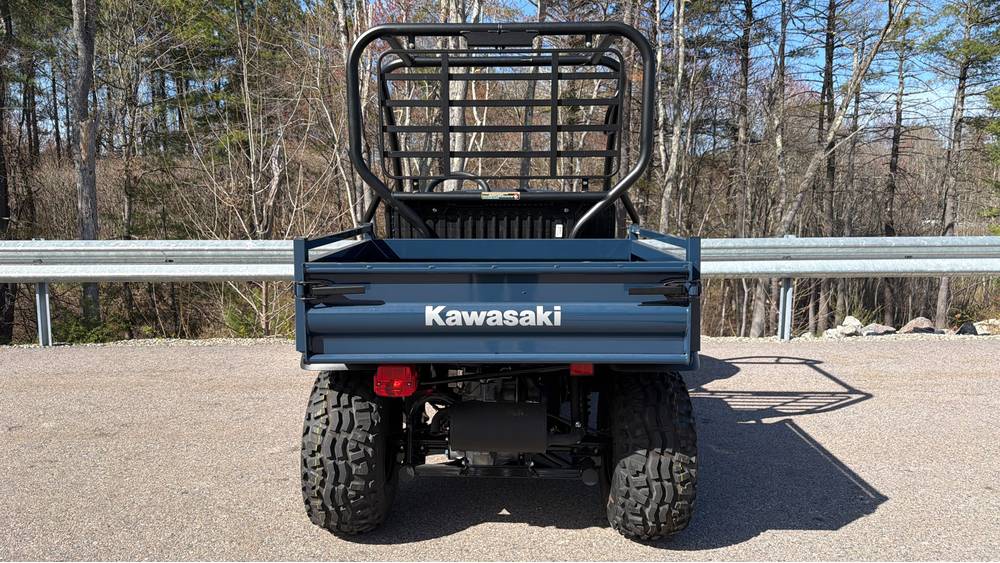
Diesel vs. Gas Utility Vehicles
Choosing between diesel and gasoline depends on your workload.
Diesel Utility Vehicles
Advantages:
- Better fuel economy
- Higher torque
- Longer engine life
- Ideal for heavy hauling
Best for:
- Commercial construction
- Industrial work
- Daily heavy use
Gas Utility Vehicles
Advantages:
- Faster acceleration
- Lower purchase price
- Quieter operation
- Easier maintenance
Best for:
- Light construction
- Small businesses
- Property management
Should You Buy a Used Construction Utility Vehicle?
Buying a used utility vehicle can save thousands of dollars while delivering nearly the same performance as a new model.
Benefits include:
- Lower purchase cost
- Slower depreciation
- Proven reliability
- Immediate availability
- Better return on investment
Many contractors choose used models because they can purchase higher-end equipment within the same budget.
When buying used, inspect:
- Engine condition
- Transmission
- Tires
- Suspension
- Hydraulic dump bed
- Frame
- Service history
- Overall maintenance
A well-maintained used utility vehicle can provide years of dependable service.
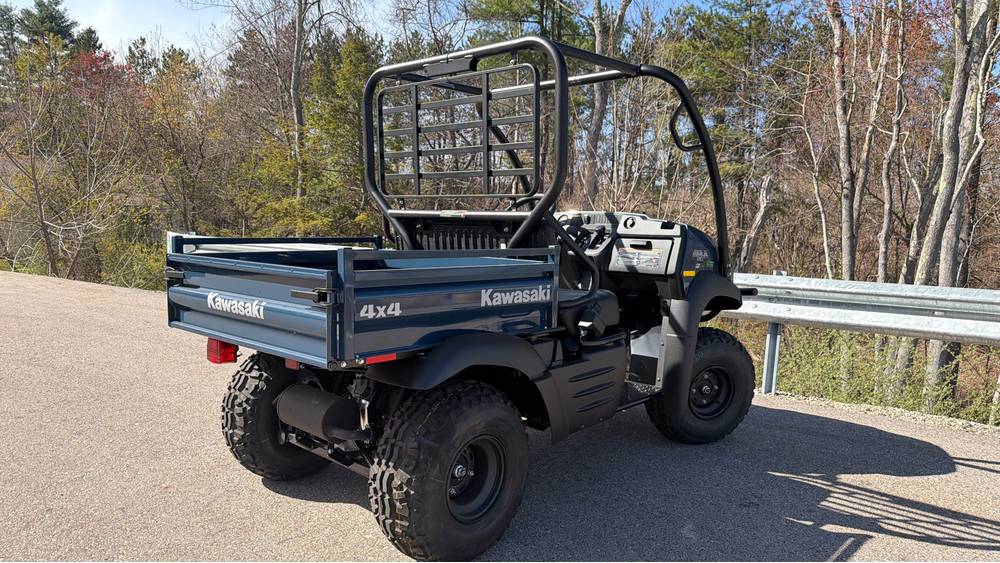
Essential Accessories for Construction Utility Vehicles
The right accessories can improve both productivity and safety.
Popular upgrades include:
- Roof
- Windshield
- LED work lights
- Tool racks
- Ladder racks
- Winch
- Backup alarm
- Cab enclosure
- Beacon lights
- Heavy-duty tires
These additions help adapt your vehicle to different job site conditions.
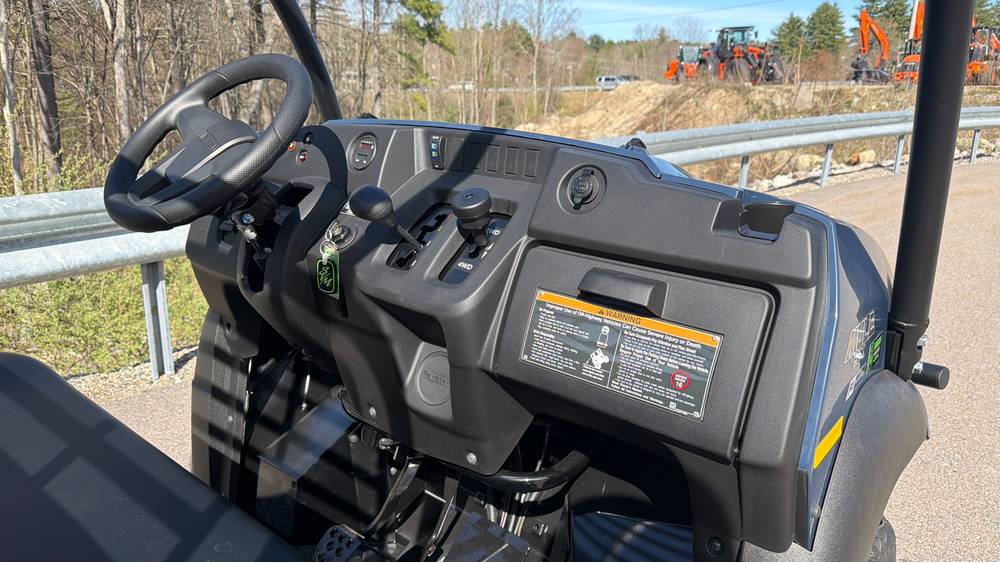
Maintenance Tips
Regular maintenance extends the life of your utility vehicle.
Follow these best practices:
- Change engine oil on schedule.
- Inspect brakes regularly.
- Check tire pressure weekly.
- Clean the air filter frequently.
- Lubricate moving parts.
- Inspect belts and hoses.
- Wash mud and debris after use.
- Follow the manufacturer’s maintenance schedule.
Preventive maintenance reduces downtime and repair costs.
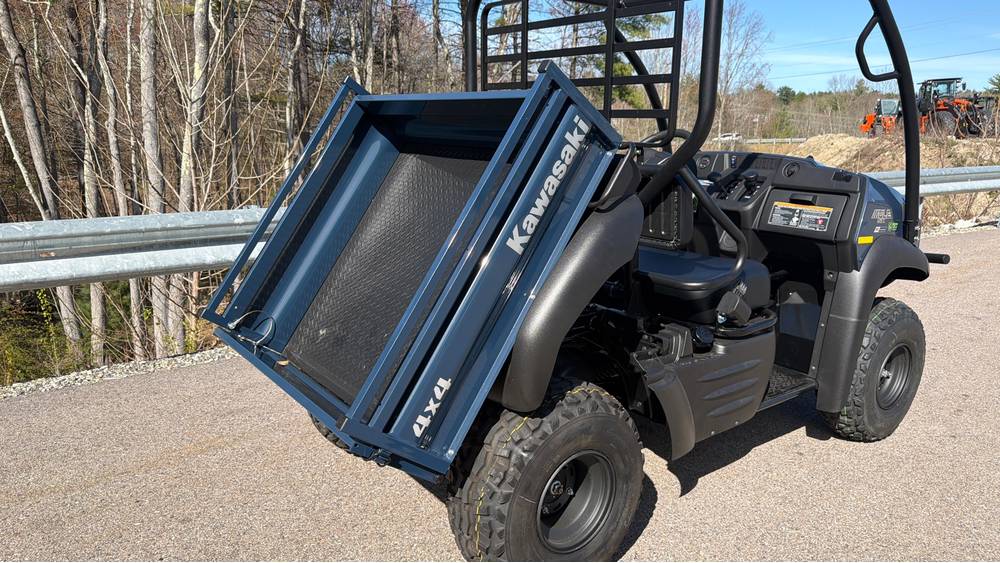
Choosing the Right Utility Vehicle for Your Business
Before making a purchase, consider:
- Daily workload
- Payload requirements
- Number of passengers
- Terrain conditions
- Fuel preference
- Maintenance costs
- Budget
- Available accessories
Choosing the right model ensures your investment supports your team’s productivity for years to come.
Final Thoughts
The best utility vehicle for a construction site depends on your specific needs, but models like the Kubota RTV, Club Car Carryall 1700, John Deere Gator XUV, Polaris Ranger, and CFMOTO UFORCE consistently deliver the durability, hauling capacity, and reliability contractors need.
If you’re looking for a cost-effective solution, a quality used utility vehicle can provide outstanding value while helping your business operate more efficiently.
At UsedUtilityVehicles.com, we offer a growing selection of used utility vehicles from trusted brands. Whether you need a diesel workhorse for heavy construction or a versatile UTV for everyday job site transportation, you’ll find dependable options to keep your projects moving.