
Bobcat Utility Vehicle Maintenance Checklist
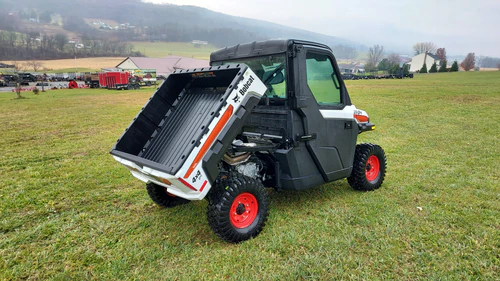
A Bobcat utility vehicle is built to handle demanding jobs on farms, ranches, construction sites, warehouses, golf courses, and large properties. Whether you use your UTV every day or only during certain seasons, regular maintenance is the key to keeping it reliable, safe, and productive.
Many costly repairs can be avoided simply by following a consistent maintenance routine. Dirty air filters, worn drive belts, low engine oil, neglected batteries, and clogged radiators are among the most common causes of unexpected downtime. Fortunately, these issues are often easy to prevent with routine inspections and timely servicing.
This comprehensive Bobcat utility vehicle maintenance checklist explains what to inspect, when to service your machine, and how proper care can extend the life of your investment.
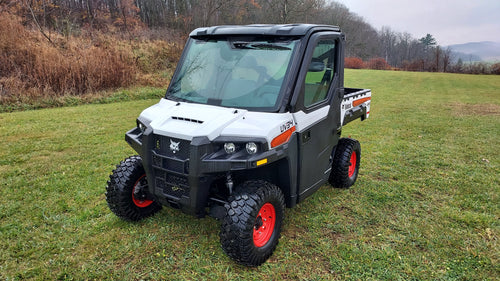
Why Regular Maintenance Matters
Routine maintenance offers more than just peace of mind. It helps your Bobcat utility vehicle deliver consistent performance while reducing long-term ownership costs.
Benefits of regular maintenance include:
- Improved engine performance
- Better fuel efficiency
- Fewer unexpected breakdowns
- Longer engine and transmission life
- Increased safety for operators
- Lower repair costs
- Higher resale value
- Reduced downtime during busy work seasons
A maintenance schedule is much less expensive than replacing major components like an engine, transmission, or differential.
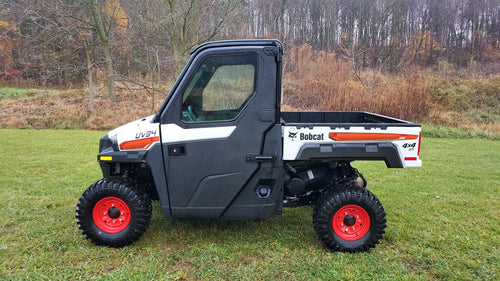
Daily Bobcat Utility Vehicle Maintenance Checklist
Before starting your workday, spend a few minutes inspecting your UTV.
Check Engine Oil
Engine oil lubricates internal engine components and helps prevent excessive wear.
Look for:
- Low oil level
- Dirty oil
- Metal particles
- Oil leaks underneath the vehicle
Top off or replace oil if necessary.
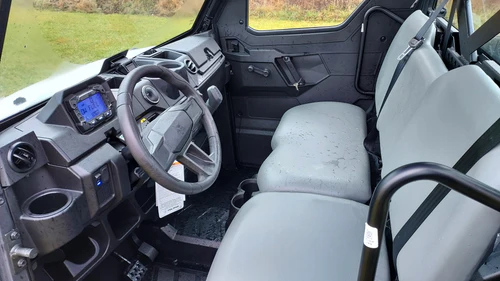
Check Coolant Level
Proper coolant circulation keeps the engine operating within its recommended temperature range.
Inspect:
- Coolant reservoir
- Radiator cap
- Coolant hoses
- Visible leaks
Never remove the radiator cap while the engine is hot.
Inspect Tires
Proper tire pressure improves traction, handling, ride comfort, and fuel economy.
Check for:
- Low air pressure
- Uneven wear
- Sidewall damage
- Embedded nails or sharp objects
Replace damaged tires immediately.
Test the Brakes
Before operating the vehicle, verify that the braking system functions properly.
Inspect:
- Brake pedal feel
- Brake fluid level
- Brake response
- Unusual noises
Soft brakes may indicate air in the hydraulic system or worn brake components.
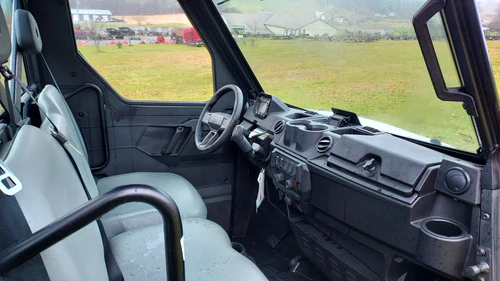
Check Steering
Turn the steering wheel fully left and right.
Watch for:
- Excessive play
- Binding
- Clicking noises
- Loose steering components
Prompt repairs improve safety and handling.
Inspect Lights
Verify that all lights work correctly.
Test:
- Headlights
- Brake lights
- Turn signals
- Reverse lights
- Hazard lights
Replace burned-out bulbs immediately.
Check Fuel Level
Running low on fuel can introduce debris from the bottom of the tank into the fuel system.
Whenever possible, refill after each workday.
Weekly Maintenance Checklist
Weekly inspections help identify wear before it becomes a major issue.
Clean the Air Filter
A dirty air filter reduces engine performance and fuel economy.
Remove the filter and inspect it carefully.
Replace excessively dirty or damaged filters.
Dusty work environments may require more frequent replacement.
Inspect the Drive Belt
The drive belt transfers engine power to the transmission.
Look for:
- Cracks
- Fraying
- Glazing
- Missing sections
Replace worn belts before they fail unexpectedly.
Lubricate Moving Parts
Grease helps reduce friction and protects suspension components.
Lubricate:
- Suspension pivot points
- Steering joints
- Driveshaft fittings
- Control arms
Use manufacturer-approved grease.
Inspect the Battery
Battery problems are among the most common causes of starting issues.
Check:
- Battery terminals
- Corrosion
- Loose cables
- Battery case damage
Clean corrosion using a battery cleaning solution and tighten loose connections.
Monthly Maintenance Checklist
Monthly inspections provide a more detailed evaluation of the vehicle.
Change Engine Oil (When Required)
Most Bobcat utility vehicles require oil changes based on operating hours rather than calendar months.
Replace:
- Engine oil
- Oil filter
Always use the recommended oil grade.
Inspect the Cooling System
Examine:
- Radiator
- Cooling fan
- Water pump
- Hoses
- Clamps
Clean debris from radiator fins using compressed air or low-pressure water.
Check the CVT System
Many Bobcat utility vehicles use a continuously variable transmission (CVT).
Inspect:
- Clutches
- Belt condition
- CVT housing
- Air intake ducts
Keep the CVT housing clean and dry.
Inspect Suspension Components
Look for:
- Broken springs
- Worn bushings
- Leaking shocks
- Loose bolts
Replace worn suspension parts before they affect handling.
Every 100 Operating Hours
This service interval typically includes more comprehensive maintenance.
Tasks include:
- Replace engine oil
- Replace oil filter
- Inspect spark plugs (gas models)
- Check transmission fluid
- Inspect drive shafts
- Inspect differential
- Tighten chassis bolts
- Inspect fuel system
- Check wheel bearings
Record service dates and operating hours in a maintenance log.
Seasonal Maintenance Checklist
If your Bobcat utility vehicle sits unused during parts of the year, seasonal maintenance is especially important.
Before Winter Storage
- Wash the vehicle thoroughly.
- Change engine oil.
- Fill the fuel tank to reduce condensation.
- Add a fuel stabilizer.
- Disconnect or maintain the battery with a trickle charger.
- Inflate tires to the recommended pressure.
- Store the vehicle in a dry, covered location.
Spring Inspection
Before putting the UTV back into service:
- Check all fluid levels.
- Inspect the battery.
- Test lights.
- Check tire pressure.
- Start the engine and listen for unusual noises.
- Test brakes.
- Inspect belts and hoses.
- Verify proper operation of all controls.
Cleaning Your Bobcat Utility Vehicle
Regular cleaning prevents rust and improves inspection visibility.
Avoid using high-pressure water directly on:
- Bearings
- Electrical connectors
- Engine sensors
- Battery terminals
Instead:
- Remove mud promptly.
- Wash with mild soap.
- Dry thoroughly.
- Apply a protective spray to painted surfaces.
Fluids to Monitor
Keeping fluids clean and at the proper level is one of the simplest ways to extend the life of your Bobcat utility vehicle.
Regularly inspect:
- Engine oil
- Coolant
- Brake fluid
- Transmission fluid
- Differential fluid (if applicable)
- Hydraulic fluid (on equipped models)
Replace fluids according to the maintenance schedule rather than waiting for problems to appear.
Common Maintenance Mistakes
Many expensive repairs result from simple maintenance oversights.
Avoid these common mistakes:
- Ignoring warning lights
- Skipping oil changes
- Using incorrect engine oil
- Driving with a dirty air filter
- Forgetting to grease suspension components
- Running low-quality or contaminated fuel
- Overloading the cargo bed
- Ignoring unusual noises
- Failing to clean the radiator
- Delaying replacement of worn drive belts
Preventive maintenance is always less expensive than emergency repairs.
Signs Your Bobcat Utility Vehicle Needs Immediate Service
Stop operating the vehicle and investigate if you notice:
- Persistent overheating
- Engine knocking
- Excessive exhaust smoke
- Transmission slipping
- Loss of braking performance
- Steering instability
- Major fluid leaks
- Burning smells
- Battery charging problems
- Unusual vibration
Ignoring these warning signs can lead to severe mechanical damage.
Maintenance Tips to Extend the Life of Your Bobcat UTV
A few good habits can significantly increase the lifespan of your machine:
- Warm the engine before heavy work.
- Avoid sudden acceleration with heavy loads.
- Use high-quality fuel and lubricants.
- Replace filters on schedule.
- Keep the radiator clean.
- Wash off mud, fertilizer, and salt after use.
- Inspect belts regularly.
- Tighten loose fasteners.
- Store the UTV under cover when possible.
- Follow the manufacturer’s recommended maintenance intervals.
Consistent maintenance improves reliability, safety, and resale value.
Final Thoughts
Your Bobcat utility vehicle is a valuable investment, and regular maintenance is the best way to protect it. By following a daily, weekly, monthly, and seasonal maintenance routine, you can reduce unexpected downtime, improve fuel efficiency, and extend the lifespan of critical components.
Whether you use your Bobcat UTV for farming, landscaping, property management, or construction, preventive maintenance ensures it is always ready for the next job. Keep a maintenance log, inspect your vehicle regularly, and address small issues before they become costly repairs. A well-maintained Bobcat utility vehicle will continue to deliver dependable performance for years to come.
Frequently Asked Questions (FAQs)
How often should I service my Bobcat utility vehicle?
Basic inspections should be performed before every use, while oil changes, filter replacements, and other services should follow the operating-hour intervals recommended for your specific model.
What is the most important maintenance task?
Regular engine oil and filter changes are among the most important tasks because clean oil reduces engine wear and helps maintain performance.
How often should I clean the air filter?
Inspect the air filter weekly if you operate in normal conditions. In dusty environments, clean or replace it more frequently to maintain proper airflow.
Why does my Bobcat utility vehicle overheat?
Common causes include low coolant levels, a clogged radiator, blocked cooling fins, thermostat issues, or a malfunctioning cooling fan.
When should I replace the drive belt?
Replace the drive belt if you notice cracks, fraying, glazing, excessive wear, slipping, or unusual noises during operation.
How do I know if my battery needs replacing?
Signs include slow engine cranking, difficulty starting, dim lights, corrosion around the terminals, or a battery that no longer holds a charge after being fully charged.
Can I pressure wash my Bobcat UTV?
Yes, but avoid directing high-pressure water at bearings, electrical components, seals, sensors, and the air intake. Use moderate pressure and allow the vehicle to dry thoroughly.
What fuel should I use?
Always use the fuel grade recommended for your specific Bobcat utility vehicle model. Fresh, clean fuel helps maintain performance and reduces fuel system problems.
How long can a Bobcat utility vehicle last?
With proper maintenance, many Bobcat utility vehicles can operate reliably for thousands of hours before requiring major repairs.
Does regular maintenance increase resale value?
Yes. A well-documented maintenance history demonstrates that the vehicle has been properly cared for, making it more attractive to buyers and often increasing its resale value.