
Common Bobcat Utility Vehicle Problems and Solutions
Bobcat utility vehicles are known for their durability, excellent hauling capacity, and dependable performance in demanding environments. Whether you’re using a Bobcat UTV on a farm, construction site, ranch, landscaping business, or large property, regular maintenance plays a significant role in keeping it operating efficiently.
Like any hardworking machine, however, common bobcat utility vehicle problems and Solutions most are caused by normal wear, lack of maintenance, harsh operating conditions, or aging components rather than manufacturing defects.
The good news is that many common bobcat utility vehicle problems and Solutions can be diagnosed early and fixed before they become expensive repairs.
In this guide, we’ll cover the most common bobcat utility vehicle problems and solutions, explain why they happen, and provide practical solutions to help maximize the life of your vehicle.
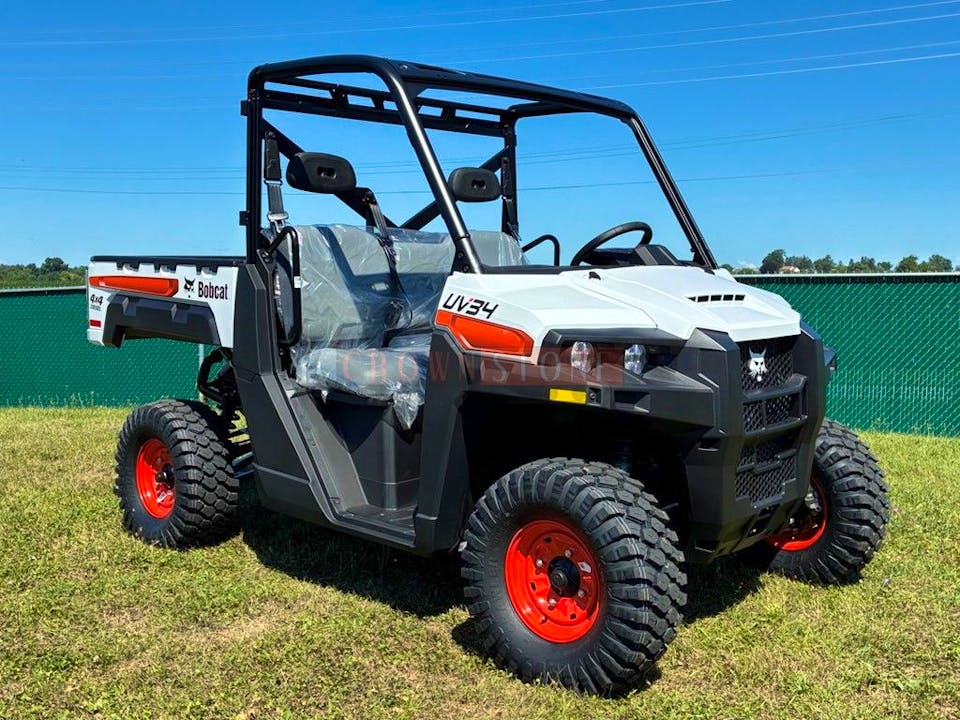
1. Engine Won’t Start
One of the most common complaints among Bobcat utility vehicle owners is an engine that refuses to start.
Several components work together during starting, so failure in any one of them can prevent the engine from running.Common Bobcat Utility Vehicle Problems and Solutions
Common Causes
- Weak or dead battery
- Loose battery terminals
- Blown fuse
- Faulty starter motor
- Bad ignition switch
- Fuel delivery problems
- Dirty spark plug (gas models)
Solution
Start by checking the battery voltage. Clean any corrosion from the battery terminals and tighten loose connections.
Inspect all fuses and replace damaged ones.
If the battery is healthy but the engine still won’t crank, inspect the starter relay and starter motor.
For gasoline-powered Bobcat models, remove and inspect the spark plugs. Replace worn or carbon-covered plugs.
Also ensure fresh fuel is reaching the engine.
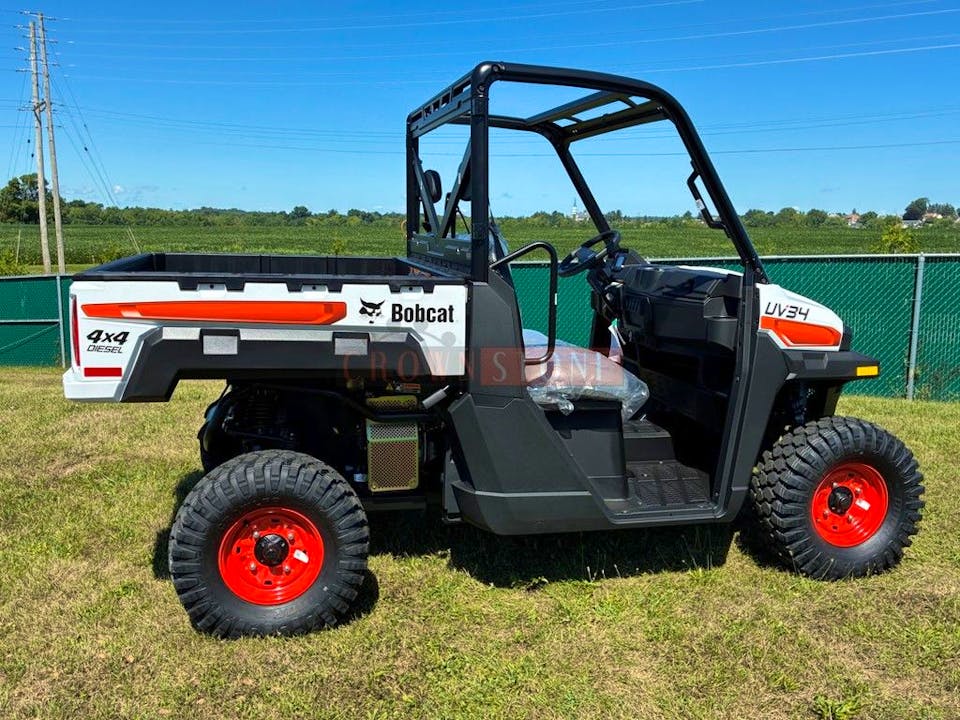
2. Engine Cranks But Won’t Run
Sometimes the starter turns the engine over normally, but the engine never starts.
Possible Causes
- Empty fuel tank
- Clogged fuel filter
- Bad fuel pump
- Dirty injectors
- Faulty ignition coil
- Water-contaminated fuel
Solution
Replace the fuel filter if it has not been serviced recently.
Drain contaminated fuel and refill with clean gasoline or diesel.
Check fuel pressure if equipped with fuel injection.
Inspect ignition components and replace faulty parts.
3. Battery Keeps Going Dead
A battery that repeatedly loses charge usually indicates another underlying issue.
Common Reasons
- Faulty charging system
- Bad alternator
- Loose electrical connections
- Battery reaching end of life
- Electrical drain while parked
Solution
Measure charging voltage while the engine is running.
A healthy charging system typically produces around 13.8–14.5 volts.
Replace old batteries that no longer hold a charge and repair damaged wiring.
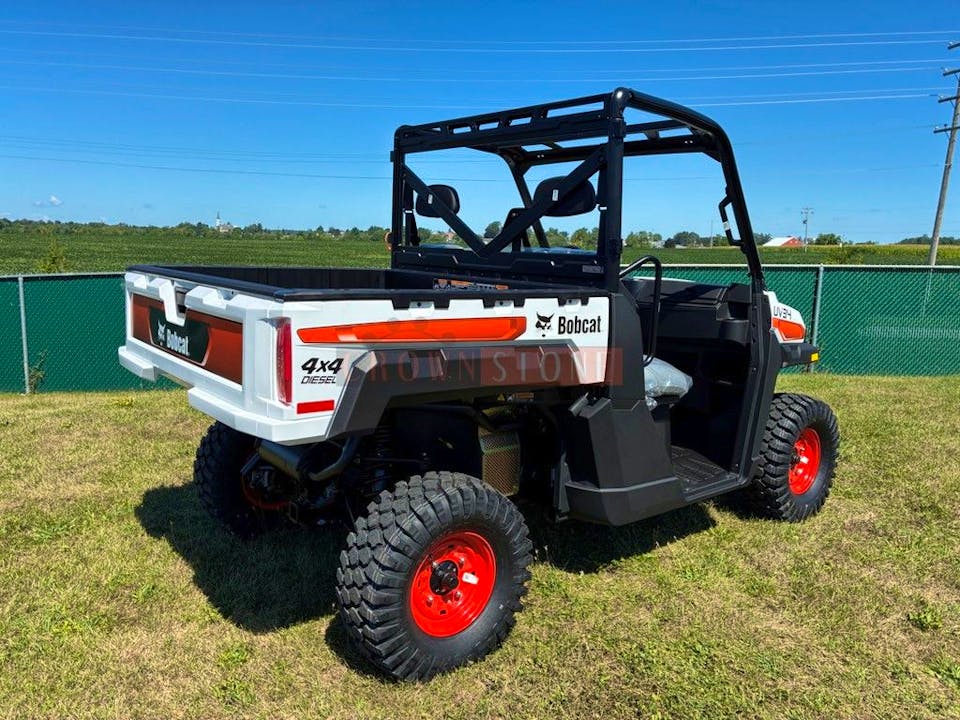
4. Overheating Engine
Engine overheating should never be ignored because it can lead to severe engine damage.Common Bobcat Utility Vehicle Problems and Solutions
Causes
- Low coolant
- Clogged radiator
- Broken cooling fan
- Damaged thermostat
- Dirty radiator fins
- Water pump failure
Solution
Check coolant levels before every major job.
Clean debris from the radiator regularly, especially after mowing or working in dusty conditions.
Inspect coolant hoses for leaks and replace worn components immediately.
5. Loss of Engine Power
If your Bobcat utility vehicle feels sluggish or struggles climbing hills, several problems may be responsible.Common Bobcat Utility Vehicle Problems and Solutions
Possible Causes
- Dirty air filter
- Clogged fuel filter
- Fuel injector problems
- Low compression
- Poor fuel quality
Solution
Replace clogged air filters.
Use fresh fuel from reputable suppliers.
Inspect injectors and fuel lines for restrictions.
Perform an engine compression test if power continues to decrease.
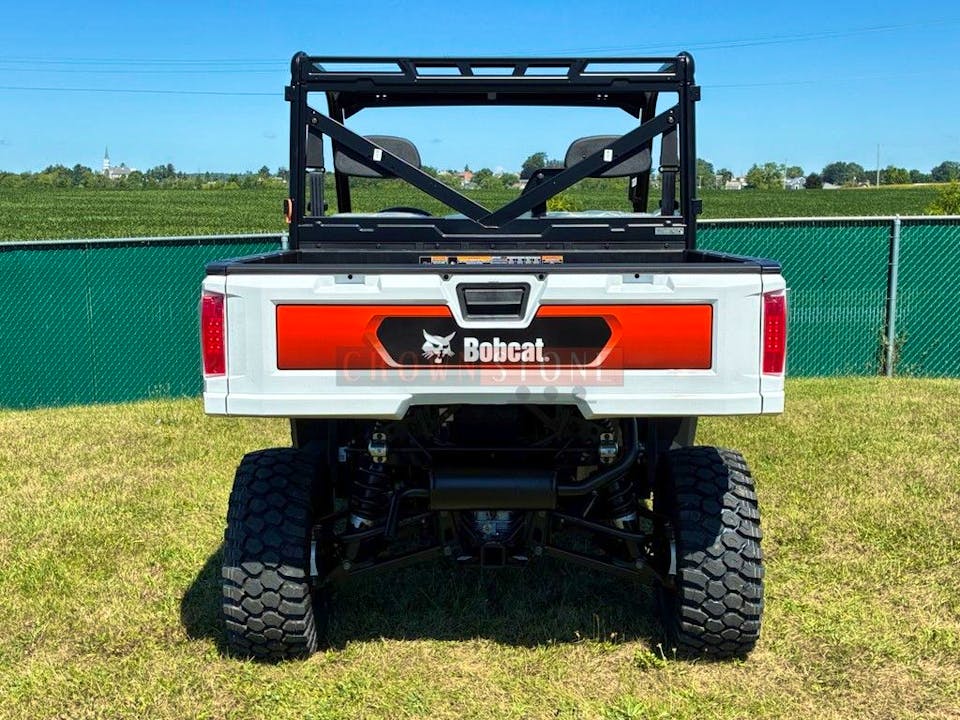
6. Transmission Problems
Some owners notice hesitation, delayed movement, or unusual noises coming from the transmission.
Symptoms
- Difficulty shifting
- Vehicle won’t move
- Jerking during acceleration
- Transmission slipping
Causes
- Low transmission fluid
- Worn drive belt
- Damaged clutch
- Internal transmission wear
Solution
Inspect transmission fluid according to the service schedule.
Replace worn CVT belts before they fail completely.
Avoid sudden acceleration while towing heavy loads.
7. Steering Feels Loose
Steering components naturally wear over time, especially on rough terrain.
Common Causes
- Worn tie rods
- Loose steering rack
- Damaged ball joints
- Improper tire pressure
Solution
Inspect steering linkage every service interval.
Replace worn steering components before they become safety hazards.
Keep tires inflated to manufacturer recommendations.
8. Suspension Noise
Bobcat UTVs frequently operate on uneven surfaces, causing suspension wear.
Signs
- Clunking noises
- Rough ride
- Excessive bouncing
- Uneven tire wear
Causes
- Worn shocks
- Damaged bushings
- Loose mounting bolts
Solution
Replace leaking shock absorbers.
Inspect suspension bushings yearly and tighten all mounting hardware.
9. Brake Problems
Reliable brakes are essential when carrying heavy loads or driving downhill.
Symptoms
- Soft brake pedal
- Squealing brakes
- Poor stopping power
- Grinding noises
Causes
- Worn brake pads
- Air in brake lines
- Low brake fluid
- Damaged rotors
Solution
Inspect brake pads regularly.
Replace worn rotors and bleed the brake system if air enters the hydraulic lines.
Always use recommended brake fluid.
10. Electrical Problems
Electrical issues can affect lighting, starting, gauges, and accessories.
Common Problems
- Headlights not working
- Dashboard warning lights
- Winch failure
- Broken switches
- Wiring corrosion
Solution
Inspect connectors for corrosion.
Use dielectric grease on electrical connections exposed to moisture.
Replace damaged wiring immediately.
11. Fuel System Issues
Poor fuel quality causes numerous performance problems.
Symptoms
- Rough idle
- Hard starting
- Poor acceleration
- Increased fuel consumption
Solution
Replace fuel filters on schedule.
Use fuel stabilizer if storing the vehicle for long periods.
Drain stale fuel before seasonal use.
12. Excessive Vibration
Unusual vibration often points to worn drivetrain components.
Possible Causes
- Worn drive belt
- Bent wheels
- Loose engine mounts
- Damaged driveshaft
Solution
Inspect the entire drivetrain.
Replace worn CVT belts and damaged wheels before they affect additional components.
Preventive Maintenance Tips
Routine maintenance is the easiest way to avoid expensive repairs.
Every Ride
- Check engine oil
- Inspect coolant level
- Verify tire pressure
- Test brakes
- Look for leaks
Every 50 Hours
- Clean air filter
- Inspect drive belt
- Grease suspension
- Check battery terminals
Every 100 Hours
- Change engine oil
- Replace oil filter
- Inspect spark plugs
- Check transmission fluid
Every Season
- Flush coolant if required
- Inspect brake pads
- Clean radiator
- Lubricate moving parts
- Replace worn hoses
Signs Your Bobcat Utility Vehicle Needs Professional Service
While many maintenance tasks can be performed at home, some symptoms require professional diagnosis.
Seek service if you notice:
- Persistent overheating
- Engine knocking
- Transmission slipping
- Severe oil leaks
- Electrical shorts
- Loss of compression
- Continuous warning lights
Ignoring these warning signs can result in major engine or transmission damage.
Tips to Extend the Life of Your Bobcat Utility Vehicle
Following a few simple habits can significantly increase the lifespan of your UTV:
- Warm up the engine before heavy work.
- Avoid overloading beyond the rated payload.
- Clean mud and debris after every use.
- Use genuine or high-quality replacement parts.
- Store the vehicle indoors whenever possible.
- Follow the recommended maintenance schedule.
- Inspect belts and hoses regularly.
- Change fluids before they become contaminated.
- Wash the radiator frequently if operating in dusty conditions.
Proper maintenance not only improves reliability but also helps preserve resale value.
Conclusion
Bobcat utility vehicles are built to handle demanding jobs, but no machine is immune to wear and tear. Fortunately, most common issues such as starting problems, overheating, battery failures, brake wear, transmission concerns, and electrical faults can be prevented through regular inspections and timely maintenance. Common Bobcat Utility Vehicle Problems and Solutions
By replacing worn components before they fail, using quality fluids, and following the manufacturer’s service intervals, owners can reduce downtime and enjoy years of dependable performance. Whether your Bobcat UTV is used on a farm, worksite, or recreational property, preventive maintenance remains the most cost-effective way to keep it running smoothly.
Frequently Asked Questions (FAQs)
Are Bobcat utility vehicles reliable?
Yes. Bobcat utility vehicles are considered reliable when properly maintained. Routine servicing, quality replacement parts, and regular inspections greatly improve long-term durability.
Why won’t my Bobcat utility vehicle start?
Common causes include a dead battery, faulty starter, clogged fuel filter, bad spark plugs (gas models), blown fuse, or fuel delivery issues.
Why is my Bobcat UTV overheating?
Overheating is usually caused by low coolant, a clogged radiator, blocked cooling fins, thermostat failure, or a malfunctioning cooling fan.
How often should I change the engine oil?
Most Bobcat utility vehicles should have the engine oil changed every 100 operating hours or at least once a year, depending on operating conditions. Always follow the maintenance schedule for your specific model.
Why is my Bobcat losing power?
A dirty air filter, clogged fuel filter, contaminated fuel, injector problems, or engine wear can reduce power output.
What causes transmission slipping?
Low transmission fluid, worn drive belts, clutch wear, or internal transmission damage are common causes.
How long do Bobcat utility vehicles last?
With proper maintenance, many Bobcat utility vehicles can provide thousands of operating hours and many years of reliable service.
Can I perform maintenance myself?
Yes. Basic maintenance such as changing oil, replacing air filters, checking tire pressure, cleaning the radiator, and inspecting belts can be done by most owners. More complex repairs should be handled by a qualified technician.
What is the most common Bobcat UTV problem?
Battery issues, clogged air filters, worn drive belts, and fuel system problems are among the most frequently reported maintenance concerns.
How can I make my Bobcat utility vehicle last longer?
Follow the recommended service schedule, keep fluids clean, inspect components regularly, avoid overloading, clean the machine after use, and replace worn parts before they fail.