
Bobcat UTV Maintenance Checklist buying a used Bobcat UTV can save you thousands of dollars over a new model, but only if the machine you’re buying doesn’t come with hidden problems. A used Bobcat side-by-side that’s been well maintained can outlast one that looks shiny but has been neglected under the hood. That’s why every serious buyer needs a Bobcat UTV maintenance checklist before handing over cash.
This guide walks through exactly what to inspect, what questions to ask the seller, and which red flags mean you should walk away. Whether you’re looking at a Bobcat 3400, 3450, or UV34, this checklist applies across the lineup.
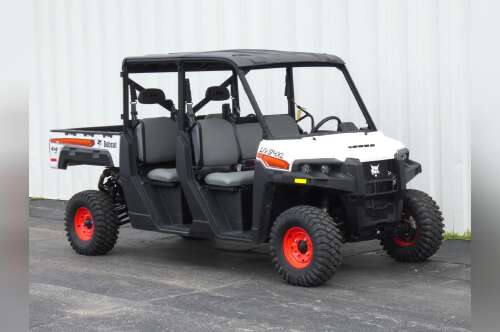
Why a Pre-Purchase Inspection Matters for Used Bobcat UTVs
A Bobcat UTV is a work machine first and a recreational vehicle second. Most used units on the market have spent real hours hauling, plowing, towing, or working job sites not just cruising trails. That means wear happens faster than it would on a purely recreational side-by-side.
Skipping a pre-purchase inspection checklist is one of the most common (and expensive) mistakes buyers make. A machine that looks clean on the outside can still have a slipping belt, a leaking CV boot, or a battery that’s on its last leg. Spending 30–45 minutes on a proper inspection can save you hundreds or thousands of dollars in repairs down the road.Bobcat UTV Maintenance Checklist
Bobcat UTV Maintenance Checklist Before You Buy Used
Here’s the full walkthrough, broken down by system, so you don’t miss anything important.
Engine and Drivetrain
Start with the engine bay. Pull the dipstick and check the oil it should be a honey-brown color, not black, milky, or gritty. Milky oil usually means a blown head gasket or water intrusion, which is a costly repair.
Listen to the engine at idle and under light throttle. A healthy Bobcat UTV engine should run smoothly without knocking, ticking, or excessive vibration. Check the drive belt (on CVT-equipped models) for cracking, glazing, or fraying. A worn belt is a normal maintenance item, but if it’s badly damaged, factor that into your offer.Bobcat UTV Maintenance Checklist
Also inspect the CV boots and axle joints for tears or grease leaking out. Torn boots let dirt and water into the joint, which shortens the life of the axle significantly.
Tires, Wheels, and Suspension
Tires tell a story. Uneven wear across the tread can point to alignment issues or a bent axle. Check tread depth worn-out tires aren’t a dealbreaker, but they’re a bargaining chip since replacements aren’t cheap.Bobcat UTV Maintenance Checklist
Push down on each corner of the UTV and let it rebound. It should settle back smoothly without excessive bouncing. Inspect shocks for oil leaks or visible damage, and check control arms, tie rods, and ball joints for excess play by grabbing the tire at the top and bottom and rocking it.Bobcat UTV Maintenance Checklist
Brakes and Steering
Squeeze the brake lever or press the pedal it should feel firm, not spongy. A spongy brake feel usually indicates air in the lines or worn brake pads. Look at the brake rotors for deep grooves or excessive rust pitting.Bobcat UTV Maintenance Checklist
Turn the steering wheel lock to lock with the engine off. It should move smoothly without grinding, clunking, or excessive free play. Power steering issues on used Bobcat UTVs are usually tied to the electric power steering (EPS) motor, so test this with the engine running too.Bobcat UTV Maintenance Checklist
Electrical System and Battery
Electrical gremlins are one of the most common complaints on used UTVs. Check that all lights work — headlights, taillights, brake lights, and turn signals if equipped. Test the dash gauges and any digital display for error codes.
Check the battery terminals for corrosion and make sure the battery holds a charge. A weak battery is a cheap fix, but corrosion around the terminals can point to a battery that’s been leaking or overcharging, which is worth asking about.Bobcat UTV Maintenance Checklist
Body, Frame, and Rust Check
Get underneath the machine with a flashlight. Look at the frame rails for rust, especially around welds and seams. Surface rust is normal on a working machine, but flaking rust or rust that’s eaten into the metal is a structural concern.Bobcat UTV Maintenance Checklist
Check the skid plates for heavy dents or holes they’re there to protect the underside, and heavy damage might mean the frame took a hit too. Inspect the cargo bed and hitch receiver for cracks, especially if the machine was used for hauling or towing.Bobcat UTV Maintenance Checklist
Fluids and Filters
Beyond engine oil, check the differential fluid (front and rear if 4WD), the CVT/transmission fluid if accessible, and coolant level and color. Milky or rusty coolant is a warning sign of internal engine issues.
Ask when the air filter, oil filter, and fuel filter were last changed. A seller who keeps maintenance records is usually a seller who took care of the machine which brings up the next section.Bobcat UTV Maintenance Checklist
Test Drive Checklist
Never buy a used Bobcat UTV without driving it. During the test drive:
- Accelerate from a stop and listen for hesitation or unusual noise
- Shift between forward, neutral, and reverse and confirm smooth engagement
- Test 4WD engagement and differential lock if equipped
- Drive over uneven ground to check suspension and steering feel
- Brake hard from moderate speed to confirm even, straight stopping
Common Bobcat UTV Models and What to Watch For
Different Bobcat UTV models have slightly different known wear points. Here’s what to pay closer attention to depending on which one you’re considering.Bobcat UTV Maintenance Checklist
Bobcat 3400 / 3450
These popular mid-size models are known for reliable engines, but owners commonly report CV boot wear and belt glazing on units with heavy hours. Check the rear differential fluid closely, since it’s a spot that’s easy to overlook during routine maintenance.
Bobcat UV34
The UV34 shares much of its platform with the 3400 series. Pay extra attention to the CVT drive belt and clutch system, since aggressive use (plowing, towing heavy loads) accelerates wear here faster than on lighter-duty models.Bobcat UTV Maintenance Checklist
How to Verify Maintenance History
Ask the seller directly: “Do you have service records for this Bobcat UTV?” A documented maintenance history is one of the strongest signs you’re looking at a well-cared-for machine.
If records aren’t available, ask specific questions instead:
- How often was the oil changed, and with what type of oil?
- Has the drive belt ever been replaced?
- Has the machine ever been in standing water or flooded?
- Was it used commercially, recreationally, or both?
- Are there any warning lights currently on the dash?
Vague or evasive answers to these questions are worth noting. A seller who genuinely maintained the machine usually remembers these details without hesitation.Bobcat UTV Maintenance Checklist
Red Flags That Signal a Bad Used Bobcat UTV
Walk away, or at least renegotiate hard, if you spot any of these during your inspection:
- Milky or foamy engine oil
- Rusty or muddy-colored coolant
- A frame with deep rust or visible cracks
- Excessive play in the steering or suspension components
- A drive belt that’s cracked, glazed, or missing chunks
- Mismatched VIN numbers between the machine and paperwork
- A seller who’s reluctant to allow a test drive
AI Overview: Quick Answers About Buying a Used Bobcat UTV
What should I check before buying a used Bobcat UTV? Check the engine oil condition, drive belt, tires and suspension, brakes, electrical system, frame for rust, and fluid levels, then take it on a test drive to confirm everything operates smoothly.
Is it worth buying a used Bobcat UTV? Yes, a used Bobcat UTV can be a smart purchase if it passes a thorough inspection and has documented maintenance history, since it typically costs significantly less than a new model.
How many hours is too many on a used Bobcat UTV? There’s no strict cutoff, but units with 500+ hours warrant a closer inspection of the belt, CV boots, and differential fluid, since wear accelerates with heavy work use.
What are common problems with used Bobcat UTVs? Common issues include worn CVT belts, torn CV boots, battery corrosion, and rust on the frame or skid plates from working conditions.Bobcat UTV Maintenance Checklist
Frequently Asked Questions
How much does a used Bobcat UTV typically cost?
Prices vary widely by model, age, and condition, but used Bobcat UTVs generally sell for 20–40% less than new units. Machines with low hours and full maintenance records will sit at the higher end of that range.
Should I get a mechanic to inspect a used Bobcat UTV before buying?
If you’re not confident evaluating engines and drivetrains yourself, it’s worth paying for a pre-purchase inspection. The cost is small compared to the risk of buying a machine with hidden mechanical problems.
What maintenance records should a seller provide?
Ideally, oil change history, belt replacement dates, filter changes, and any repair receipts. Even partial records are better than none, and they give you leverage to negotiate price if maintenance has clearly lapsed.
Can I trust a Bobcat UTV with no maintenance history?
Not automatically. No history doesn’t necessarily mean it wasn’t maintained, but it means you should inspect more carefully and consider a professional inspection before buying.
How do I know if the CVT belt needs replacing?
Look for cracking, glazing (a shiny, hardened surface), or visible chunks missing from the belt. If the machine hesitates or bogs down under acceleration, the belt or clutch system may need attention.
Is rust a dealbreaker on a used Bobcat UTV?
Light surface rust on a working machine is normal and not a major concern. Rust that’s eaten through metal, especially on the frame or near welds, is a structural issue and a strong reason to walk away or negotiate significantly.
What’s the difference between a recreational and commercial-use Bobcat UTV?
Commercial-use machines typically have more hours and harder wear from towing, plowing, or hauling, while recreational units usually see lighter, less frequent use. Ask the seller how the machine was primarily used, since it affects what to expect from remaining component life.
Following this Bobcat UTV maintenance checklist before you buy used gives you a clear picture of what you’re actually purchasing — not just what the listing photos show. A careful inspection, a real test drive, and a few direct questions to the seller are the difference between getting a reliable work machine and inheriting someone else’s expensive problem.