
Can-Am Defender Resale Value if you’re weighing whether to buy, trade, or sell a Can-Am Defender, one question always comes up first: what is a Can-Am Defender actually worth on the used market? The honest answer is “it depends” but it depends on very specific, predictable things, and once you know them, you can estimate your UTV’s value within a few hundred dollars.
This guide breaks down everything that affects Can-Am Defender resale value, shows real depreciation patterns by year and trim, and gives you a step-by-step plan to get top dollar when you’re ready to sell.
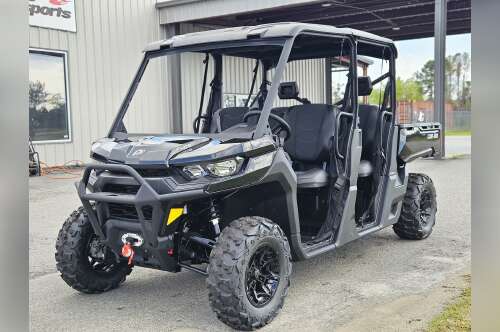
Table of Contents
- Quick Answer: Can-Am Defender Resale Value at a Glance
- What Determines Can-Am Defender Resale Value
- Can-Am Defender Resale Value by Model Year
- Can-Am Defender Resale Value by Trim Level
- Can-Am Defender Depreciation vs. Competitors
- How to Maximize Your Can-Am Defender’s Resale Value
- Best Time to Sell a Can-Am Defender
- Where to Sell Your Can-Am Defender for Top Dollar
- FAQs
Quick Answer: Can-Am Defender Resale Value at a Glance
What is the average resale value of a Can-Am Defender? A: A well-maintained Can-Am Defender typically retains 55–70% of its original MSRP after 3 years and 40–50% after 5 years, depending on trim, hours, and condition. Higher trims like the Defender X mr and Limited hold value better than the base HD7 due to stronger demand in the used market.
Does Can-Am Defender hold value better than a Polaris Ranger? A: Generally, yes — Can-Am’s Rotax engine reputation and off-road-focused trims give the Defender a slight edge in resale demand compared to comparable Ranger models, though both brands hold value far better than lesser-known UTV brands.
What hurts Can-Am Defender resale value the most? A: High engine hours, missing maintenance records, aftermarket modifications that don’t appeal to the average buyer, and cosmetic damage are the biggest value killers.
What Determines Can-Am Defender Resale Value
Resale value isn’t random it’s calculated by buyers (and dealers) using a handful of consistent factors. Understanding these gives you leverage whether you’re buying used or preparing to sell.
1. Model Year and Age
Newer model years naturally command higher resale prices, but the Can-Am Defender lineup has stayed remarkably consistent in design since its 2016 launch, which means even older units (2018–2020) still hold solid value if mechanically sound.
2. Engine Hours and Mileage
Just like odometer mileage on a truck, engine hours are the first thing buyers check. A Defender with under 200 hours is considered low-use and commands a premium, while units over 800–1,000 hours see noticeably steeper discounts.
3. Trim Level and Features
Trim matters enormously for Can-Am Defender resale value. Higher trims (Limited, X mr, X RR) include factory upgrades power steering, upgraded suspension, premium audio, winches that used buyers actively search for, which keeps demand (and price) elevated.
4. Maintenance History and Condition
Documented oil changes, belt replacements, and dealer service records reassure buyers that the CVT and drivetrain haven’t been neglected — two areas that are expensive to repair on any UTV.
5. Regional Market Demand
In rural, farming, or hunting-heavy regions, work-oriented trims (HD7, HD9, HD10) sell faster and for more. In recreation-heavy markets, sport trims (X mr, X RR) fetch a premium.
6. Original Add-Ons and Accessories
Factory-installed accessories (winches, cab enclosures, doors, upgraded tires) can add real resale value far more than the same accessories added aftermarket, which buyers often view with skepticism. Browsing current Can-Am Defender listings for sale is a great way to see which factory options actually show up most often in higher-priced used units.
Can-Am Defender Resale Value by Model Year
Below is a general depreciation curve based on average used marketplace listings (actual prices vary by trim, condition, and region).
| Model Year | Approx. % of Original MSRP Retained | Typical Condition Expected |
|---|---|---|
| 2024–2025 | 80–90% | Like-new, under 150 hours |
| 2022–2023 | 65–75% | Light wear, under 400 hours |
| 2020–2021 | 50–65% | Moderate wear, 400–800 hours |
| 2018–2019 | 40–50% | Visible wear, 800–1,200 hours |
| 2016–2017 | 30–40% | Higher hours, may need belt/CVT service |
Key takeaway: The steepest drop in Can-Am Defender resale value happens in the first 2–3 years, then depreciation slows considerably which is exactly why buying a 3–5-year-old Defender is often considered the sweet spot for value-conscious buyers.
Can-Am Defender Resale Value by Trim Level
| Trim | Original Market Position | Resale Demand | Notes |
|---|---|---|---|
| Defender HD7 | Entry-level work trim | Moderate | Popular with farms/ranches |
| Defender HD9/HD10 | Mid-tier work trim | High | Best balance of price and capability |
| Defender Limited | Premium comfort trim | High | Leather seats, audio, power steering standard |
| Defender X mr | Mud/performance trim | Very High | Strong demand among off-road enthusiasts |
| Defender X RR | Top performance trim | Very High | Highest resale floor of the lineup |
If you’re deciding which trim to buy new with resale in mind, our comparison of Can-Am Defender trims for long-term value walks through which options are worth paying extra for or you can compare real asking prices by trim directly on our used Can-Am Defender for sale page.
How Can-Am Defender Depreciation Compares to Competitors
Compared to other side-by-sides in its class, the Defender depreciates at a similar or slightly slower rate than most competitors:
- Can-Am Defender vs. Polaris Ranger: Roughly comparable resale retention, with Can-Am holding a slight edge on performance trims.
- Can-Am Defender vs. Kawasaki Mule: The Mule depreciates faster due to lower demand for performance features, while the Defender’s broader trim range appeals to both work and recreational buyers.
- Can-Am Defender vs. Honda Pioneer: Honda’s reputation for reliability keeps Pioneer resale strong, but Defender’s power and available upgrades often edge it out in recreational markets.
For a full side-by-side breakdown, see our Can-Am Defender vs. Polaris Ranger resale comparison it’s essential reading before you buy or trade. When you’re ready to compare real-world pricing, check current Can-Am Defender inventory here.
How to Maximize Your Can-Am Defender’s Resale Value
Whether you’re selling next month or in five years, these habits protect your investment.
Keep Detailed Maintenance Records
Save every receipt oil changes, belt inspections, filter replacements. Buyers pay more for documented history because it removes guesswork.
Stick to Factory-Recommended Service Intervals
Skipping CVT belt inspections or oil changes to save money now often costs thousands in lost resale value later. Our Can-Am Defender maintenance schedule guide breaks down exactly what to do and when.
Store It Properly
UV damage, rust, and sun-faded plastics are immediate red flags for buyers. A cover or garage storage preserves both looks and mechanical components.
Avoid Non-Reversible Modifications
Lift kits, aftermarket exhausts, and custom paint can shrink your buyer pool. If you modify, keep the original parts so you can restore factory condition before selling.
Address Cosmetic Issues Before Listing
Small dents, scratched panels, and worn seats disproportionately hurt perceived value. A few hundred dollars in detailing and minor repairs often returns several times that in final sale price.
Time Your Sale Strategically
See the next section seasonality has a measurable impact on what buyers are willing to pay.
Best Time to Sell a Can-Am Defender
Demand for UTVs is seasonal. Listing at the wrong time can cost you real money.
- Spring (March–May): Peak demand as buyers prepare for farm work, trail season, and outdoor projects. Prices are typically highest here.
- Summer (June–August): Still strong demand, especially in recreational/off-road markets.
- Fall (September–November): Demand cools slightly but hunters and ranchers still shop actively.
- Winter (December–February): Slowest season in most regions; expect longer listing times and lower offers unless you’re in a snowmobile/plow-use market.
Bottom line: If you have flexibility, list your Defender in early spring for the strongest Can-Am Defender resale value.
Where to Sell Your Can-Am Defender for Top Dollar
- Dealer trade-in: Fastest and easiest, but typically the lowest offer since the dealer needs margin to resell.
- Private sale marketplaces: Facebook Marketplace, Craigslist, and UTV-specific forums often net 10–20% more than a trade-in.
- Consignment through a dealer: A middle ground — the dealer handles the sale for a fee, and you avoid dealing with buyers directly.
- Auction platforms: Useful for rare or highly modified units where enthusiast demand can drive up bidding.
Before you list anywhere, read our step-by-step guide to selling your UTV fast without lowballing yourself it covers pricing strategy, photography tips, and how to handle lowball offers. It’s also worth checking what similar used Can-Am Defenders are currently listed for so you can price yours competitively from day one.
Ready to find out exactly what your Defender is worth today? Get a free, no-obligation resale value estimate from our team, or browse current Can-Am Defenders for sale to see how comparable units are priced before you decide to sell or trade.
FAQs About Can-Am Defender Resale Value
Does the Can-Am Defender hold its value well?
Yes. Compared to many UTVs in its class, the Defender holds value well, particularly in higher trims (Limited, X mr, X RR) and in regions with strong recreational or agricultural demand.
How many hours is too many on a used Can-Am Defender?
Generally, anything under 300 hours is considered low use, 300–800 hours is average, and over 1,000 hours will noticeably reduce resale value unless maintenance records are excellent.
Is it better to sell my Defender privately or trade it in?
Private sales typically bring 10–20% more money but take longer and require more effort. Trade-ins are faster and easier but come with a lower payout since the dealer needs resale margin.
What year Can-Am Defender is the best value to buy used?
Models from 3–5 years old typically offer the best balance of low price and remaining useful life, since the steepest depreciation has already occurred but major components still have significant life left.
Do aftermarket modifications increase resale value?
Rarely. Most aftermarket mods (lift kits, custom exhausts, wraps) narrow your buyer pool and often don’t return their cost at resale. Factory-installed options tend to hold value far better.
How much does a Can-Am Defender depreciate per year?
On average, expect 10–15% depreciation per year for the first three years, then a slower 5–8% per year after that, assuming normal use and maintenance.
Final Thoughts
Can-Am Defender resale value comes down to a predictable formula: trim level, hours, condition, and timing. Keep your maintenance records, avoid mods that shrink your buyer pool, and list at the right time of year, and you’ll consistently land near the top of your model’s resale range.
Thinking about buying or selling a Defender? Browse current Can-Am Defender listings for sale or get a personalized resale value estimate before making your next move.