
History and Evolution of the John Deere Gator Lineup
Quick Answer: History and Evolution of the John Deere Gator Lineup
Q: What is the history of the John Deere Gator?
The John Deere Gator launched in 1992 as a compact, go-anywhere utility vehicle for farmers, groundskeepers, and landowners. Over three decades it grew from a simple 6×4 and 4×2 work cart into a full lineup of diesel, gas, and electric utility vehicles. Today it spans entry-level workhorses and premium crossover UTVs.
Q: Why are used John Deere Gators so popular?
They hold their value, parts are easy to find, and the dealer network is huge. A well-maintained used John Deere Gator often delivers the same work capability as a new one for much less money.
Q: Where can I find a used John Deere Gator for sale?
You can browse a current selection on our John Deere Gator UTV for sale page.
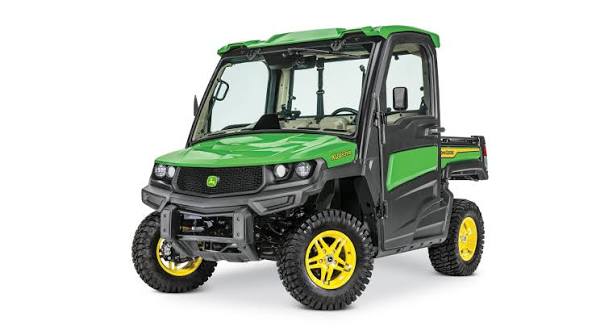
Table of Contents
- Introduction: Why the Gator Matters
- The Birth of the Gator (Early 1990s)
- The Late 1990s and 2000s: Building Out the Lineup
- The Rise of the Gator XUV
- Diesel vs. Gas vs. Electric: The Powertrain Story
- Work Series vs. Crossover vs. Sport: Understanding the Families
- How Technology and Comfort Evolved
- Which Used Gator Generation Is Right for You?
- Buying Tips for a Used John Deere Gator
- Frequently Asked Questions
- Final Thoughts and Next Steps
Introduction: Why the Gator Matters
Drive across almost any farm, ranch, golf course, or hunting property in North America and you’ll spot a green-and-yellow machine doing the heavy lifting. Chances are it’s a John Deere Gator.
The Gator did more than join the utility vehicle market. It helped define it. For many people, “Gator” has become shorthand for a utility vehicle, the way people say “Kleenex” for a tissue. That kind of brand recognition took decades of dependable work to earn.
If you’re researching a used John Deere Gator, understanding the history helps you buy smarter. Each generation brought different engines, suspensions, cargo systems, and comfort features. Knowing what changed, and when, helps you match a machine to your property and your budget.
This guide walks through the full story of the John Deere Gator lineup, from the first models to the modern XUV era, and finishes with practical advice for shoppers browsing used utility vehicles.History and Evolution of the John Deere Gator Lineup
The Birth of the Gator (Early 1990s)
A Simple Idea: A Better Work Vehicle
In the early 1990s, working landowners had limited options for moving people and gear around the property. Pickup trucks were too big for tight spaces and too heavy for soft ground. ATVs were nimble but couldn’t haul much. Golf-cart-style vehicles lacked toughness and traction.
John Deere saw the gap and introduced the Gator in 1992. The idea was straightforward: a lightweight, durable, low-ground-pressure vehicle with a real cargo box and a seat for two.
The Original 6×4 and 4×2 Configurations
The first Gators came in two layouts. The 4×2 was the simpler option for light duty. The 6×4 added a third axle, which spread weight, improved load-carrying ability, and made the vehicle gentler on turf. Those six wheels gave the early Gator its signature look.
Early machines were basic by today’s standards. You got a steel frame, a simple dump bed, and a small gas engine. But they were quiet, easy to maneuver, and tough enough for daily work, and that formula caught on quickly.History and Evolution of the John Deere Gator Lineup
Why the Early Models Still Matter
Many early-generation Gators are still running today. If you’re comparing used UTV for sale listings, a clean older 6×4 can be a very affordable way to get a capable farm vehicle, as long as you accept simpler features and less power.
The Late 1990s and 2000s: Building Out the Lineup
Expanding Beyond the Original Formula
As demand grew, John Deere widened the lineup. Instead of one general-purpose machine, the company started building models tuned for specific jobs:
- Turf-focused Gators for golf courses, sports fields, and grounds crews, with wider, softer tires to protect grass.
- Heavier-duty utility models with stronger frames, larger beds, and higher payload ratings.
- Diesel options for owners who wanted torque, fuel economy, and long engine life.
The Arrival of 4×4 Capability
Over time, the Gator line added more serious four-wheel-drive options. This was a big shift. Buyers no longer had to choose between a work machine and an off-road machine. They could have a vehicle that hauled feed in the morning and climbed a muddy ridge in the afternoon.History and Evolution of the John Deere Gator Lineup
Electric Gators Enter the Picture
Electric versions also appeared, aimed at quiet-operation environments such as resorts, campuses, and nurseries. Electric models never replaced the gas and diesel Gators for farm work, but they carved out a useful niche, and they remain a smart pick for certain buyers.
What This Era Means for Used Buyers
Models from this period are often the sweet spot for budget-minded shoppers. They tend to be simpler mechanically, which means easier service and lower repair costs. Just inspect the bed, frame, and suspension carefully, since these machines may have worked hard for many years.History and Evolution of the John Deere Gator Lineup
The Rise of the Gator XUV
Moving Into Crossover Territory
Around the mid-to-late 2000s, John Deere introduced the Gator XUV family. The XUV changed the conversation. It blended utility capability with the comfort, speed, and handling people expected from recreational side-by-sides.
What Made the XUV Different
Better suspension. Independent suspension smoothed the ride dramatically compared with older solid-axle designs. Long days on rough terrain became much more comfortable.
More power. XUV models offered stronger gas and diesel engines, giving owners real towing and hauling ability alongside higher cruising speeds.
Improved cabin and seating. Many XUVs added more supportive seats, better steering feel, and roomier layouts. Some versions seat four people.
Stronger four-wheel drive. Selectable 4×4 and differential-lock systems improved traction in mud, snow, and loose ground.
Notable XUV Variations
Over the years the XUV lineup included several flavors:
- Gas XUV models for riders who want smooth power and quick acceleration.
- Diesel XUV models for people who prioritize torque and fuel efficiency.
- Crew-cab versions with extra seating for families, hunting groups, and work crews.
- Premium trims with enclosed or semi-enclosed cabs, upgraded dashboards, and extra convenience features.
Today, a used John Deere Gator XUV is one of the most sought-after machines in the pre-owned UTV market, because it offers modern comfort at a price well below new.
If you’d like to see what’s available right now, check out our current inventory of used John Deere Gator XUV and UTV models.
Diesel vs. Gas vs. Electric: The Powertrain Story
One of the biggest threads in the Gator’s evolution is how its power options developed. Each type serves a different kind of owner.
Gas-Powered Gators
Gas models are popular for their smooth operation, quick throttle response, and lower purchase price. They’re a good fit for mixed use: property maintenance, trail riding, and light hauling.
Best for: Weekend landowners, hunters, and general property upkeep.History and Evolution of the John Deere Gator Lineup
Diesel-Powered Gators
Diesel Gators earned a loyal following among serious users. Diesel engines deliver strong low-end torque, which helps when you’re pulling a loaded trailer or climbing a slope.
Best for: Working farms, ranches, and anyone who runs the vehicle for many hours a week.
Electric Gators
Electric models are nearly silent and produce no tailpipe emissions. They also need less routine mechanical maintenance. The tradeoff is limited range and slower recharge compared with refueling.
Best for: Golf courses, campuses, greenhouses, resorts, and noise-sensitive areas.History and Evolution of the John Deere Gator Lineup
How to Choose
A simple rule of thumb: pick gas for flexibility, diesel for heavy work, and electric for quiet, low-range use. And always check service records on any used machine, regardless of fuel type.
Work Series vs. Crossover vs. Sport: Understanding the Families
The Gator name now covers several distinct families. Knowing them makes shopping much easier.
Utility and Work Series
Compact work models
These are the classic Gators: simple, light, and affordable. They handle everyday chores like hauling mulch, moving tools, or checking fence lines.
Heavy-duty work models
Heavier-duty versions add more payload, tougher beds, and stronger drivetrains. These suit farm and commercial use.
Crossover Models
Crossover Gators combine work features with a smoother ride and better comfort. Think of them as the do-everything middle ground. They’re great if you want one vehicle to handle chores and recreation.
Sport and Recreational Models
John Deere also produced sport-oriented side-by-sides aimed at trail riders who wanted speed and handling more than cargo capacity. These models are less common on the used market, but they appeal to riders who want a Deere nameplate with a sportier personality.History and Evolution of the John Deere Gator Lineup
A Note on Terminology
You’ll often see buyers search for “Gator UTV,” “Gator side-by-side,” or just “John Deere Gator for sale.” They all point to the same family of vehicles. If you’re comparing across brands too, you can explore the full range of used utility vehicles for sale.
How Technology and Comfort Evolved
The Gator’s growth wasn’t only about engines. A lot of the evolution happened in the details that make long days easier.
Suspension and Ride Quality
Early Gators rode like work carts, which is to say bouncy. Later models moved toward independent suspension, longer travel, and better damping. The ride improvement is dramatic when you drive an older model back to back with a newer one.History and Evolution of the John Deere Gator Lineup
Cargo Box Upgrades
The cargo box has been refined over the years: stronger materials, better tailgate designs, easier dump mechanisms, and improved tie-down points. Some models offer hydraulic lift assistance, which makes unloading much easier.
Steering and Handling
Newer Gators generally have more precise steering and better stability. Power steering became more common over time, reducing driver fatigue on long shifts.
Cabs, Doors, and Weather Protection
Owners in cold or wet climates love cab options. Over the years, aftermarket and factory enclosures have made it possible to run a Gator comfortably in nearly any season, with windshields, doors, roofs, and heating options.History and Evolution of the John Deere Gator Lineup
Accessories and Customization
One reason the Gator stays popular is its massive accessory ecosystem. Snow plows, sprayers, winches, bed liners, light bars, and storage systems let owners customize a machine for almost any job. When shopping used, a unit that already includes useful accessories can be a real bargain.
Safety Improvements
Safety features such as roll-over protection structures, seat belts, and better braking have also advanced. Always confirm that a used Gator’s safety equipment is intact and working.
Which Used Gator Generation Is Right for You?
Let’s make this practical. Here’s how different buyers typically match up with different eras.History and Evolution of the John Deere Gator Lineup
The Budget-Focused Landowner
If you just need a dependable vehicle for property chores, an older compact Gator is often plenty. Look for solid frames, a healthy engine, and good tires.
The Hunter or Outdoor Enthusiast
A used John Deere Gator XUV is a smart choice. You’ll get more comfort, better suspension, and four-wheel drive for rough terrain. Many hunters also like the quieter operation and strong hauling ability for game.
The Working Farmer or Rancher
A diesel Gator is usually the best fit. The extra torque and fuel efficiency add up over thousands of hours.History and Evolution of the John Deere Gator Lineup
The Turf and Grounds Professional
Look for turf-oriented tires and models designed for low ground pressure. Electric options may also make sense, depending on your environment.
The Family or Multi-Passenger User
Crew-cab XUV models give you extra seating without giving up cargo capacity. They’re great for families on large properties or for crews who travel together.
Not sure which one fits? Browse our selection of used John Deere Gator UTVs and compare specs side by side.
Buying Tips for a Used John Deere Gator
A used Gator can be a fantastic value, but only if you inspect it properly. Here’s a practical checklist.
Check the Hours and Maintenance History
Hours on the meter matter more than age. Ask for service records, oil change history, and any repair documentation. A younger machine with hard commercial use may be more worn than an older one that lived an easy life.
Inspect the Frame and Bed
Look for cracks, rust, bent sections, or signs of welding. A tired dump bed or damaged frame can be expensive to fix.History and Evolution of the John Deere Gator Lineup
Test the Drivetrain
Engage 2WD and 4WD (if equipped). Listen for grinding, clunking, or whining. Make sure differential lock engages smoothly and the machine tracks straight under power.
Examine Tires, Brakes, and Suspension
Worn tires, soft brakes, or sagging suspension can add up quickly. Check for leaking shocks and loose bushings.History and Evolution of the John Deere Gator Lineup
Look at the Engine
Check for smoke, rough idle, leaks, or hard starting. On diesels, pay attention to cold-start behavior. On electrics, ask about battery age and charging performance.
Verify Safety Equipment
Confirm that seat belts, roll cage, and lights all work. Missing safety components are a red flag.History and Evolution of the John Deere Gator Lineup
Don’t Skip the Test Drive
Drive it on varied ground if possible. A Gator should feel stable, responsive, and confident, not sloppy or loose.
Buy From a Trusted Seller
A reputable seller makes a huge difference. Look for clear photos, honest descriptions, and transparent pricing. You can explore a wide range of options at Used Utility Vehicles, where buyers can compare machines across makes and models.
Ready to Find Your Gator?
If you’re serious about buying, don’t wait for the perfect listing to disappear. Browse our John Deere Gator UTVs for sale today and find the right machine for your land, your work, and your budget.History and Evolution of the John Deere Gator Lineup
Frequently Asked Questions
When was the John Deere Gator first introduced?
The John Deere Gator debuted in 1992 as a compact utility vehicle available in 6×4 and 4×2 versions.
What does “XUV” stand for in Gator XUV?
John Deere uses XUV as a model designation for its crossover utility vehicles, which blend work capability with improved comfort and performance. It works as a family name rather than a technical specification.
Are used John Deere Gators reliable?
Generally, yes. Gators have a strong reputation for durability, especially when maintained properly. As with any used equipment, reliability depends heavily on how the machine was used and serviced.History and Evolution of the John Deere Gator Lineup
Which Gator is best for heavy farm work?
Diesel-powered Gators and heavy-duty work models are usually the best choice for demanding farm and ranch tasks, thanks to their torque and payload capabilities.
Are electric Gators worth buying used?
They can be, especially for quiet environments like campuses or golf courses. Just ask about battery age and condition, since replacement batteries can be a major cost.History and Evolution of the John Deere Gator Lineup
How much should I expect to pay for a used John Deere Gator?
Prices vary widely depending on model, year, hours, condition, and accessories. Older compact models cost far less than late-model XUV units. Compare listings on our John Deere Gator for sale page to get a feel for current pricing.History and Evolution of the John Deere Gator Lineup
What accessories add the most value to a used Gator?
Cabs, windshields, winches, snow plows, and quality bed liners tend to add practical value. Make sure accessories are in good working order and properly installed.
Can I tow with a John Deere Gator?
Yes, most Gators can tow, but capacities vary by model. Always check the manufacturer’s rating for your specific machine and never exceed it.
Is a Gator better than an ATV for property work?
For hauling, carrying passengers, and long work days, a Gator is usually more practical. ATVs are lighter and more nimble, but they can’t match a Gator’s cargo box and seating.History and Evolution of the John Deere Gator Lineup
Where can I compare more used utility vehicles?
You can view a broader range of makes and models in our used utility vehicle shop.
Final Thoughts and Next Steps
The history of the John Deere Gator is really a story about listening to what working people need. It began in 1992 with a compact, durable cart. It grew into a diverse lineup of gas, diesel, and electric machines. It matured into the comfortable, capable XUV family that many owners now consider the gold standard for versatile utility vehicles.History and Evolution of the John Deere Gator Lineup
For buyers, that history is an advantage. Decades of production mean plenty of used options at a wide range of prices, strong parts availability, and an enormous community of owners who know these machines inside and out.
Whether you need a bare-bones workhorse or a comfortable crossover, there’s a Gator that fits. The trick is matching the right generation to your real needs, then inspecting carefully before you buy.
Ready to take the next step?
- 👉 Explore current used John Deere Gator UTVs for sale
- 👉 Compare more options in our used utility vehicles shop
Have questions about a specific model? Reach out to the team and we’ll help you find the right Gator for the job.