
Buying a used Arctic Cat UTV can save you thousands of dollars over a brand-new machine, but only if you know what to look for before you hand over your cash. Arctic Cat (now part of Textron Off Road) built a loyal following with models like the Wildcat, Prowler, and Alterra, and many of these side-by-sides hold up well for years of trail riding, hunting, and farm work. The problem is that a used UTV can hide a lot of expensive problems behind a clean paint job and a fresh detail.
This guide walks you through exactly how to inspect a used Arctic Cat UTV from front to back, so you can spot red flags, negotiate a fair price, and avoid buying someone else’s mechanical headache.
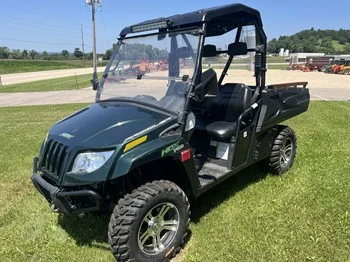
Quick Answer: What to Check Before Buying a Used Arctic Cat UTV
If you only have five minutes, focus on these areas first: the VIN and title, engine compression and oil condition, CVT belt wear, drivetrain and axle boots, frame and suspension for rust or damage, and a full test drive in low and high range. These six checkpoints reveal most of the deal-breaking issues on any used UTV, Arctic Cat included.How to Inspect a Used Arctic Cat UTV
Why a Thorough Inspection Matters When Buying a Used Arctic Cat UTV
Arctic Cat UTVs are workhorses, which means most used units have seen real trail miles, mud, water crossings, and hard hauling. A machine that looks great from ten feet away can still have a slipping CVT clutch, a cracked frame weld, or a transmission on its way out. Because private sellers rarely offer warranties, the inspection you do today is the only protection you get after the sale.
Taking an hour to properly inspect a used Arctic Cat UTV before buying can mean the difference between a reliable trail companion and a machine that drains your wallet in repair bills within the first month.How to Inspect a Used Arctic Cat UTV
How to Inspect a Used Arctic Cat UTV: Step-by-Step Checklist
Step 1 — Verify the Title, VIN, and Ownership History
Before you even look at the machine, confirm the paperwork is clean.
Check the VIN Plate and Match It to the Title
Every Arctic Cat UTV has a VIN stamped on the frame, usually near the front cargo bed or under the seat. Compare this number character-for-character against the title. A mismatch is an immediate walk-away, since it can indicate a stolen or rebuilt unit.How to Inspect a Used Arctic Cat UTV
Run a VIN Check for Recalls and Liens
Arctic Cat has issued recalls over the years related to CVT covers, drive belts, and steering components. A quick VIN search through the manufacturer’s site or a UTV recall database tells you whether outstanding safety work needs to be done. Also confirm there’s no lien on the vehicle that could complicate your purchase.How to Inspect a Used Arctic Cat UTV
Ask for Maintenance and Repair Records
A seller with service receipts, oil change logs, or belt replacement records is a strong sign the UTV was cared for. Gaps in maintenance history aren’t automatically disqualifying, but they mean you should inspect more skeptically.How to Inspect a Used Arctic Cat UTV
Step 2 — Inspect the Engine and Exhaust
The engine is the heart of any Arctic Cat UTV, whether it’s a 700cc single, an 800cc twin, or one of the larger Wildcat V-twins.
Check Oil Level, Color, and Smell
Pull the dipstick and look at the oil. It should be amber to light brown, not black, milky, or gritty. Milky oil suggests coolant intrusion, which points to a blown head gasket or cracked case an expensive repair.How to Inspect a Used Arctic Cat UTV
Listen for Unusual Engine Noises
Start the engine cold if possible. Knocking, ticking, or rattling noises on startup can indicate worn bearings, a failing timing chain, or valve train issues. A healthy Arctic Cat engine should idle smoothly and settle quickly.How to Inspect a Used Arctic Cat UTV
Inspect the Exhaust for Smoke
Blue smoke means the engine is burning oil. White smoke, especially persistent white smoke after warm-up, often points to a coolant leak into the combustion chamber. Black smoke signals a rich fuel mixture, which could simply mean a dirty air filter or a bigger fuel-system problem.
Check Coolant Condition and Radiator
Look at the coolant reservoir for a clean, properly colored coolant with no oil sheen. Inspect the radiator fins for mud packing or damage, which is common on UTVs used for mudding or deep water crossings.How to Inspect a Used Arctic Cat UTV
Step 3 — Examine the CVT Clutch and Drive Belt
The CVT (continuously variable transmission) is one of the most failure-prone systems on any UTV, including Arctic Cat models, and it’s a critical part of any used Arctic Cat UTV inspection.How to Inspect a Used Arctic Cat UTV
Remove the CVT Cover and Inspect the Belt
Ask the seller if you can remove the CVT cover, usually located on the side of the machine near the driver’s seat. Look for cracking, glazing, fraying, or uneven wear on the belt. A belt with chunks missing or deep cracks needs replacement soon.How to Inspect a Used Arctic Cat UTV
Check for Belt Dust and Burnt Smell
Excessive black belt dust inside the CVT housing suggests the belt has been slipping, often due to a worn primary or secondary clutch. A burnt rubber smell during the test ride is another warning sign.
Test Clutch Engagement
During your test drive, the clutch should engage smoothly without a delay, shudder, or high-pitched squeal. Hesitation or jerky engagement often points to worn clutch weights, springs, or sheaves.
Step 4 — Inspect the Drivetrain, Axles, and Differentials
Check CV Boots for Tears
Crouch down and inspect every CV boot (the rubber accordion covers on the axles) for cracks or tears. A torn boot lets dirt and water into the joint, leading to premature CV joint failure — a common and costly issue on used UTVs that have seen mud or water.
Inspect Front and Rear Differentials
Look underneath for leaks around the differential housings and check the fluid level if accessible. Grinding or whining noises from the diffs during the test drive suggest internal wear.
Test 2WD, 4WD, and Diff Lock Modes
Cycle through all drive modes while stationary and during the test drive. Every mode should engage without grinding, warning lights, or delayed response.
Step 5 — Check the Frame, Suspension, and Body
Look for Frame Rust, Cracks, or Repair Welds
Get underneath the machine with a flashlight. Surface rust is normal on older units, but flaking rust, pitting, or fresh weld marks on the frame are red flags. A frame that’s been welded after an accident can compromise structural integrity.
Inspect Shocks and Suspension Arms
Push down on each corner of the UTV and watch how it rebounds. It should settle smoothly without excessive bounce. Check shocks for oil leaks (a wet, oily residue on the shock body) and inspect A-arms and bushings for excessive play by grabbing the tire at the top and bottom and rocking it.
Examine Skid Plates and Undercarriage
Skid plate damage tells a story about how hard the machine was ridden. Dents and scrapes are normal for a trail-used UTV, but deep gouges or a bent frame rail underneath suggest harder impacts.
Check Bodywork, Doors, and Windshield (If Equipped)
Inspect plastic panels for cracks from UV exposure or impact. Test that doors, if equipped, latch properly and that any windshield or roof accessories are securely mounted and not cracked.
Step 6 — Test the Electrical System and Accessories
Test All Lights and Switches
Headlights, taillights, brake lights, and turn signals (if equipped) should all function. Test the ignition switch, 2WD/4WD selector, and any aftermarket switches for winches or light bars.
Check the Battery and Charging System
A weak battery can mean simple neglect or a failing charging system. If possible, check voltage at idle and at higher RPM to confirm the stator and regulator/rectifier are charging properly.
Inspect Aftermarket Wiring
Many used Arctic Cat UTVs have aftermarket winches, lights, or stereos installed. Poorly done wiring splices are a common cause of electrical gremlins down the road, so trace any aftermarket wiring for quality and proper fusing.
Step 7 — Check Tires, Wheels, and Brakes
Measure Tire Tread and Check for Uneven Wear
Uneven tread wear can point to alignment issues or worn suspension components. Also check tire age (look for the DOT date code) since UTV tires can dry-rot even with plenty of tread left.
Inspect Brake Pads and Rotors
Look at the brake pads through the caliper and check rotors for deep grooves or excessive rust pitting. Spongy brake pedal feel during the test drive can indicate air in the lines or a failing master cylinder.
Step 8 — Take It for a Real Test Drive
Test in Low Range, High Range, and Reverse
Drive the UTV through all gear ranges. Listen for grinding when shifting and confirm smooth power delivery in each range.
Drive Over Rough Terrain If Possible
A parking lot test drive won’t reveal suspension or drivetrain issues the way rough terrain will. If the seller allows it, take the UTV over bumps, inclines, or a trail section to feel for clunks, vibrations, or pulling to one side.
Check for Warning Lights on the Dash
Modern Arctic Cat UTVs have diagnostic displays. Any active warning lights, such as a check engine light or low oil pressure indicator, should be investigated before you buy.
Arctic Cat UTV Inspection Checklist (Printable Summary)
- Title and VIN match, no liens, no outstanding recalls
- Oil is clean, not milky or gritty
- No unusual engine noise or smoke on startup
- CVT belt is intact with no cracking, glazing, or fraying
- CV boots are free of tears
- Differentials don’t leak and shift cleanly between modes
- Frame has no cracks, heavy rust, or repair welds
- Suspension rebounds smoothly with no leaking shocks
- Lights, switches, and battery all work correctly
- Tires have even wear and acceptable tread depth
- Brakes feel firm with no grinding
- Test drive reveals no clunks, warning lights, or hesitation
Frequently Asked Questions About Inspecting a Used Arctic Cat UTV
What are the most common problems with used Arctic Cat UTVs?
The most common issues on used Arctic Cat UTVs are worn CVT belts and clutches, torn CV axle boots, differential leaks, and frame rust from trail and water exposure. Checking these four areas first will catch the majority of costly problems before you buy.
How do I check the CVT belt on an Arctic Cat UTV before buying?
Remove the CVT cover panel, typically found on the side of the machine near the driver’s seat, and visually inspect the belt for cracks, glazing, fraying edges, or missing chunks. A belt in good condition should look uniform in color and texture with no visible damage.
Is it safe to buy a used Arctic Cat UTV without a mechanic’s inspection?
It can be safe if you follow a thorough visual and mechanical checklist covering the engine, CVT, drivetrain, frame, and electrical system, but a pre-purchase inspection by a UTV mechanic adds an extra layer of protection, especially for higher-priced models or machines with an unclear maintenance history.
How many hours or miles is too many on a used Arctic Cat UTV?
There’s no single mileage cutoff, since UTV longevity depends more on maintenance history and riding conditions than raw hours. A well-maintained Arctic Cat UTV with 500-800 hours can outlast a neglected one with far fewer hours, so prioritize service records and physical condition over the hour meter alone.
What documents should I ask for when buying a used Arctic Cat UTV?
Ask for the title, a valid VIN that matches the frame stamp, any maintenance or repair receipts, and confirmation of no outstanding liens. If the UTV has aftermarket modifications, ask whether original parts are included in the sale.
How much should I expect to pay for a used Arctic Cat UTV?
Prices vary widely by model, age, and condition, but buyers should compare several listings for the same model year and mileage range to gauge a fair market price, then adjust based on the condition issues found during inspection, such as belt wear, tire age, or needed repairs.
Should I negotiate the price after finding issues during inspection?
Yes. Any legitimate issue found during inspection, such as a worn CVT belt, aging tires, or minor frame rust, is a reasonable basis for negotiating the price down or asking the seller to address the repair before the sale closes.
Final Thoughts on Buying a Used Arctic Cat UTV
A used Arctic Cat UTV can be a smart, budget-friendly way to get into off-road riding, but only if you inspect it carefully before buying. Take your time working through the engine, CVT, drivetrain, frame, and electrical checks outlined above, and don’t skip the test drive. A seller who’s confident in their machine will have no problem letting you go through this checklist point by point — and if they hesitate, that hesitation is information too.