
How to Inspect a Used Bobcat UTV buying a used bobcat UTV can save you thousands of dollars compared to a brand-new model, but only if the machine you’re bringing home is actually in good shape. A used Bobcat UTV that looks clean in photos can hide a cracked frame, a tired engine, or electrical gremlins that turn your “great deal” into a money pit. That’s why knowing how to inspect a used Bobcat UTV before buying is one of the most valuable skills you can bring to the negotiating table.
In this guide, we’ll walk through exactly what to check, what questions to ask, and which red flags should make you walk away. Whether you’re a rancher, contractor, hunter, or weekend trail rider, this checklist will help you buy a used Bobcat UTV with confidence.How to Inspect a Used Bobcat UTV Before Buying
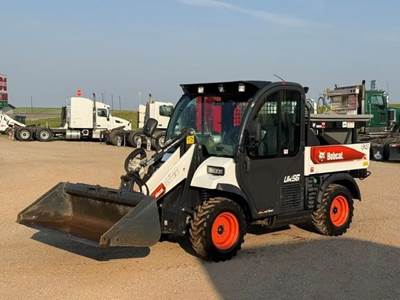
Quick Answer: What’s the Fastest Way to Inspect a Used Bobcat UTV?
AI Overview Snapshot
Question: How do I inspect a used Bobcat UTV before buying?
Answer: Start the engine cold and listen for knocking or excessive smoke, check the frame and skid plates for rust or cracks, inspect tires and suspension for uneven wear, test all electrical components (lights, winch, gauges), review service records, and take it on a test drive over varied terrain. Always compare the machine against similar listings, such as the inventory of used Bobcat UTVs for sale, to make sure the asking price is fair.
This short version covers the basics, but a proper inspection goes much deeper. Let’s break it down step by step.How to Inspect a Used Bobcat UTV Before Buying
Why a Pre-Purchase Inspection Matters
A Bobcat UTV is a serious piece of equipment, often used for hauling, plowing, towing, and off-road work. Unlike a car, these machines are frequently run hard in mud, snow, rocky trails, and job sites which means wear and tear can accumulate quickly and isn’t always obvious at a glance.How to Inspect a Used Bobcat UTV Before Buying
Skipping an inspection can mean:
- Paying full price for a machine with a failing transmission
- Inheriting someone else’s neglected maintenance
- Discovering frame damage only after you’ve already paid
- Missing recalls or known mechanical issues specific to certain model years
A thorough inspection protects your investment and gives you leverage to negotiate a fair price — or walk away entirely.
Step-by-Step Guide to Inspecting a Used Bobcat UTV
1. Check the Engine and Powertrain
The engine is the heart of any UTV, so this is where your inspection should begin.
- Start it cold. Ask the seller not to warm it up beforehand. A cold start reveals problems that disappear once an engine reaches operating temperature.
- Listen for knocking, ticking, or rattling. These sounds often point to internal engine wear.
- Check exhaust smoke. Blue smoke usually signals oil burning; white smoke can indicate a blown head gasket or coolant leak.
- Inspect belts and CVT components. Bobcat UTVs rely on belt-driven transmissions in many models cracked, glazed, or frayed belts mean replacement costs down the road.
- Look under the vehicle for oil, coolant, or transmission fluid leaks.How to Inspect a Used Bobcat UTV Before Buying
Signs of Engine Trouble to Watch For
- Rough idle or stalling
- Excessive vibration
- Burning smell after a short drive
- Warning lights that stay illuminated
2. Inspect the Frame and Chassis
The frame is the backbone of the machine, and frame damage is one of the costliest issues to fix.
- Get underneath the UTV with a flashlight and look for rust, weld repairs, or bent sections.
- Check skid plates for deep gouges that suggest heavy off-road use or rock strikes.
- Inspect the bed and cargo area for cracks, especially around mounting points.
- Look at how the doors, hood, and panels line up misalignment can indicate a past accident.
3. Examine Tires and Suspension
- Tire tread depth and wear pattern. Uneven wear can point to alignment or suspension issues.
- Shocks and struts. Push down on each corner of the UTV it should rebound smoothly, not bounce repeatedly.
- Bushings and ball joints. Grab the tire at 12 and 6 o’clock and wiggle it; excessive play suggests worn suspension components.
- Wheel bearings. Spin each wheel by hand and listen for grinding.
4. Test Electrical Systems and Controls
Modern Bobcat UTVs pack in a lot of electronics, and these can be expensive to diagnose and repair.
- Test all lights: headlights, taillights, brake lights, and turn signals (if equipped)
- Check the winch, if included, for smooth operation in both directions
- Confirm the gauge cluster displays correctly with no flickering or error codes
- Test 4WD/2WD switching and differential locks
- Inspect the battery terminals for corrosion
5. Review Maintenance and Service History
Ask the seller for any available records: oil change intervals, belt replacements, filter changes, and major repairs. A well-documented history is a strong signal that the machine was cared for.How to Inspect a Used Bobcat UTV Before Buying
If records aren’t available, ask:
- How was the UTV primarily used (farm work, hunting, job site, recreation)?
- Was it stored indoors or outdoors?
- Has it ever been in an accident or rollover?
- Are there any known issues you should be aware of?
6. Take It for a Test Drive
Never skip the test drive. Try to test the UTV on varied terrain if possible inclines, rough ground, and tight turns.
During the test drive, pay attention to:
- Smooth acceleration without hesitation
- Braking that feels firm, not spongy
- Steering that doesn’t pull to one side
- Unusual noises from the drivetrain when turning
- Shifting between gears (High/Low/Reverse) without grinding
Common Red Flags to Avoid When How to Inspect a Used Bobcat UTV
Be cautious if you notice any of the following:
- The seller is reluctant to let you start the engine cold or take a test drive
- Fresh undercoating or paint that could be hiding rust or frame repair
- Mismatched tires or recently replaced parts with no explanation
- A price significantly below market value for similar used Bobcat UTVs for sale
- No title, or a title that doesn’t match the seller’s information
- Evidence of flood or water damage, such as musty odors or rust in unusual places
If you spot several of these together, it’s usually best to walk away and keep looking.How to Inspect a Used Bobcat UTV Before Buying
Questions to Ask the Seller
Before you commit, get clear answers to these questions:
- How many hours are on the machine?
- Has the CVT belt or clutch ever been replaced?
- Is there a clean title, and is it in hand?
- Has it ever been submerged in water or damaged in a rollover?
- Why are you selling it?
- Are there any aftermarket modifications, and were they installed properly?
A seller who answers openly and provides documentation is far more trustworthy than one who’s vague or evasive.How to Inspect a Used Bobcat UTV Before Buying
Where to Find Reliable Used Bobcat UTVs for Sale
Buying from a private seller can work out fine if you follow the inspection steps above, but buying from a reputable dealer adds an extra layer of protection — many dealers inspect, service, and sometimes warranty their used inventory before it’s listed.
If you’d rather skip the guesswork, you can browse a curated selection of used Bobcat UTVs for sale that have already been vetted for condition and value. Comparing several listings side by side is also one of the best ways to figure out if a particular UTV’s asking price is fair for its mileage, hours, and condition.How to Inspect a Used Bobcat UTV Before Buying
Ready to find your next machine? Explore our current inventory of used Bobcat UTVs for sale and use this checklist to compare each listing before you buy.
FAQs About Inspecting a Used Bobcat UTV
What is the most important thing to check on a used Bobcat UTV? A: The engine and frame are the two most critical areas. Engine problems and frame damage are the most expensive to repair, so prioritize a cold start test and a thorough underside inspection.
How many hours is considered high for a used Bobcat UTV? A: It varies by model and use case, but many buyers consider 1,000+ hours to be moderate-to-high, especially for machines used in commercial or heavy-duty applications. Always weigh hours against maintenance history rather than treating the number alone as a dealbreaker.
Should I get a mechanic to inspect a used Bobcat UTV before buying? A: Yes, if possible. A pre-purchase inspection by a technician familiar with UTVs can catch issues that aren’t obvious during a visual check or short test drive, especially with the CVT, differentials, and electrical system.
Can I negotiate the price after finding issues during inspection? A: Absolutely. Document any issues you find worn tires, minor leaks, aging belts — and use them as leverage to negotiate a lower price or ask the seller to address them before the sale.
Is it better to buy a used Bobcat UTV from a dealer or a private seller? A: Both can work. Private sales sometimes offer lower prices, but dealers often provide inspected, serviced units with more accountability. If you want extra peace of mind, browsing vetted used Bobcat UTVs for sale from a trusted dealer is a solid option.
What paperwork do I need when buying a used Bobcat UTV? A: At minimum, you’ll want a clean title in the seller’s name, a bill of sale, and any maintenance records. If the UTV was financed, confirm the lien has been released before completing the purchase.
Final Thoughts
Knowing how to inspect a used Bobcat UTV before buying puts you in control of the transaction. A careful walk-around, a cold engine start, an honest test drive, and a few direct questions can mean the difference between a reliable workhorse and a costly regret.How to Inspect a Used Bobcat UTV Before Buying
When you’re ready to start shopping, take the guesswork out of the process by browsing our selection of used Bobcat UTVs for sale every listing gives you the details you need to compare condition, hours, and price before you ever set foot on the lot.