
How to Inspect a Used Club Car Carryall Before Buying a used Club Car Carryall can save you thousands of dollars compared to a new unit, but only if the vehicle you choose is mechanically sound. These utility vehicles are workhorses used on farms, ranches, golf courses, and job sites which means the used market is full of units with wildly different histories. Some have been babied. Others have been run hard and put away wet.
This guide walks you through exactly how to inspect a used Club Car Carryall before buying, so you can spot hidden problems, negotiate a fair price, and drive away with a UTV that will actually last. Whether you’re a first-time buyer or you’ve owned a few side-by-sides already, this checklist will help you buy with confidence.
If you’d rather skip the guesswork, you can also browse pre-inspected used Club Car Carryall UTVs for sale from a dealer that already does this legwork for you.
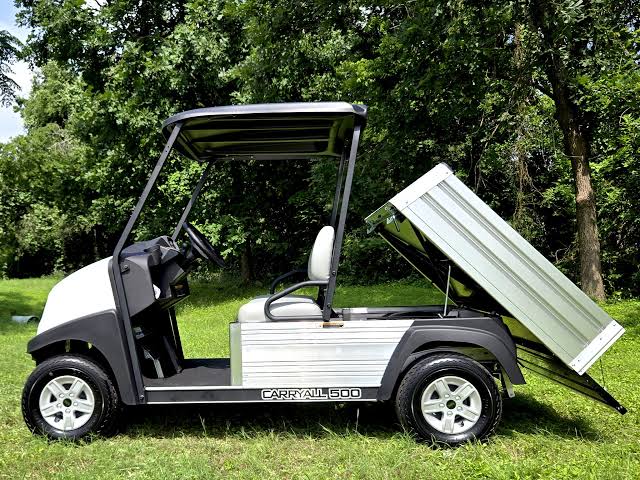
Table of Contents
- Why a Pre-Purchase Inspection Matters
- AI Overview: Quick Answers Before You Buy
- Step-by-Step Inspection Checklist
- Documents and History to Request
- Common Red Flags When Buying a Used Club Car Carryall
- Where to Find a Reliable Used Club Car Carryall
- Final Thoughts
- FAQs
Why a Pre-Purchase How to Inspect a Used Club Car Carryall Before Buying
The Club Car Carryall lineup has a strong reputation for durability, but “strong reputation” doesn’t mean every unit on the used market is in good shape. A used Club Car Carryall is still a machine with a drivetrain, suspension, electrical system, and body panels that all wear down at different rates depending on how it was used and maintained.How to Inspect a Used Club Car Carryall Before Buying
Skipping an inspection is how buyers end up with:
- A transmission or CV joint that fails within weeks
- A battery pack (on electric models) that barely holds a charge
- Hidden frame rust that turns into a safety issue
- A vehicle worth thousands less than what they paid
A 20–30 minute inspection, done correctly, is the cheapest insurance you’ll ever buy on a used utility vehicle.How to Inspect a Used Club Car Carryall Before Buying
Quick Answers Before You Buy
Q: What should I check first on a used Club Car Carryall? A: Start with the frame and undercarriage for rust or cracks, then check the engine or battery compartment for leaks, corrosion, or unusual wear before moving to a test drive.How to Inspect a Used Club Car Carryall Before Buying
Q: How many hours is too many on a used Club Car Carryall? A: There’s no strict cutoff, but most buyers look for units under 1,000–1,500 hours with documented maintenance. Higher-hour units aren’t automatically bad if service records are solid.How to Inspect a Used Club Car Carryall Before Buying
Q: Is it better to buy a gas or electric used Club Car Carryall? A: Gas models are generally better for heavy-duty, long-range work, while electric models cost less to maintain but need close inspection of battery health and charging components.How to Inspect a Used Club Car Carryall Before Buying
Q: Should I get a mechanic to inspect it before buying? A: Yes, if possible. A short inspection by a small-engine or UTV mechanic can catch issues an untrained eye will miss, especially on the transmission and electrical system.How to Inspect a Used Club Car Carryall Before Buying
Q: Where can I buy a used Club Car Carryall that’s already been inspected? A: Dealers who specialize in used utility vehicles, such as this used Club Car Carryall inventory, typically inspect and recondition units before listing them for sale.How to Inspect a Used Club Car Carryall Before Buying
Step-by-Step Inspection Checklist
1. Exterior, Frame, and Bed
Start outside the vehicle before you ever turn the key.
Check the Frame for Rust and Cracks
Get down low and look along the full length of the frame rails, especially near the rear axle mounts and front A-arms. Surface rust on a used Club Car Carryall isn’t a dealbreaker, but flaking rust, pitting, or any visible cracks in a weld are red flags that point to structural fatigue.How to Inspect a Used Club Car Carryall Before Buying
Inspect the Body Panels and Cargo Bed
Look for:
- Mismatched paint, which can indicate past accident repair
- Cracks or stress fractures around the bed hinges
- A bed that doesn’t sit flush or latch properly
- Dents that suggest the vehicle was overloaded or rolled
Also check under the bed liner if one is installed sellers sometimes use liners to hide rust or damage underneath.How to Inspect a Used Club Car Carryall Before Buying
2. Engine and Powertrain
Gas vs. Electric Models
The Club Car Carryall comes in both gas and electric configurations, and each has different inspection priorities.
- Gas models: Check the oil level and color (milky oil suggests a coolant leak into the engine), inspect the air filter, and listen for knocking or excessive vibration at idle.
- Electric models: Inspect the battery terminals for corrosion, check for any swelling in the battery casings, and ask when the batteries were last replaced.
Signs of Engine or Drivetrain Trouble
Walk around the vehicle and look underneath for:
- Fluid spots on the ground (oil, coolant, or hydraulic fluid)
- Frayed or cracked drive belts
- Excessive play in the CV joints or axle boots
- Rust or leaks around the transmission housing
If you notice any of these, it doesn’t necessarily mean you should walk away but it does mean you should factor repair costs into your offer.
3. Tires, Brakes, and Suspension
Tires and brakes are cheap to inspect and expensive to ignore.
- Tires: Check tread depth and look for uneven wear, which can indicate alignment or suspension issues.
- Brakes: Squeeze the brake pedal and hold it it shouldn’t sink slowly to the floor. Also check brake pads if they’re visible.
- Suspension: Push down firmly on each corner of the vehicle. It should rebound smoothly once, not bounce repeatedly or feel stiff and unresponsive.
4. Electrical System and Battery
Even gas-powered Carryalls rely on a 12-volt electrical system for lights, ignition, and accessories.
- Turn on the headlights, taillights, and turn signals
- Test the horn and any switches for accessories (winch, lights, plow controls)
- Check the battery terminals for corrosion and make sure connections are tight
- On electric models, ask for the age of the battery bank this is one of the most expensive components to replace
5. Test Drive Checklist
Never buy a used Club Car Carryall without driving it first. During the test drive, pay attention to:
- Smooth acceleration with no hesitation or jerking
- Steering that doesn’t pull to one side
- Braking that feels even, without pulling or grinding
- Unusual noises over bumps, which can point to worn suspension bushings
- Shifting between forward, neutral, and reverse without grinding or delay
If the seller won’t allow a test drive, treat that as a warning sign and consider looking elsewhere.How to Inspect a Used Club Car Carryall Before Buying
Documents and History to Request
A clean-looking Club Car Carryall with no paperwork is a bigger risk than a slightly rough one with full records. Before you buy, ask for:
- Maintenance and service records
- Original purchase receipt or title, if available
- Any repair invoices, especially for the engine, transmission, or battery
- Hour meter history, if the seller has tracked it
Consistent maintenance records are one of the strongest indicators that a used Club Car Carryall has been cared for properly.How to Inspect a Used Club Car Carryall Before Buying
Common Red Flags When Buying a Used Club Car Carryall
Watch out for these warning signs during your inspection:
- Seller pressure to skip the test drive — a legitimate seller should have no issue with this
- Fresh undercoating or spray paint on the frame — sometimes used to mask rust or cracks
- Mismatched bolts or aftermarket welds on the frame
- No service history at all on a unit with high hours
- A price that’s significantly below market value — often a sign of hidden mechanical problems
If you spot two or more of these red flags, it’s usually smarter to walk away than to negotiate around them.
Where to Find a Reliable Used Club Car Carryall
Buying from a private seller can work out fine if you’re comfortable doing a thorough inspection yourself, but it puts all the risk on you. Buying from a specialized dealer generally means the vehicle has already been inspected, reconditioned, and often comes with some form of guarantee.How to Inspect a Used Club Car Carryall Before Buying
If you want to skip the uncertainty of private listings, you can shop a full selection of used Club Car Carryall UTVs for sale that have already been through a dealer inspection process. This is often the fastest way to compare multiple units side by side without chasing down individual private sellers.How to Inspect a Used Club Car Carryall Before Buying
Final Thoughts
Inspecting a used Club Car Carryall doesn’t require a mechanic’s toolbox or years of experience it requires patience and a checklist. Walk the frame, check the engine or battery, test the brakes and suspension, and always take it for a real test drive before handing over any money. A careful buyer almost always ends up with a better vehicle at a better price than someone who rushes the process.How to Inspect a Used Club Car Carryall Before Buying
Ready to see what’s currently available? Explore inspected used Club Car Carryall models for sale here and compare pricing, hours, and condition before you make your next move.How to Inspect a Used Club Car Carryall Before Buying
FAQs
How much does a used Club Car Carryall typically cost? Prices vary widely based on model year, hours, and condition, but used units are generally significantly cheaper than buying new, especially for gas-powered models a few years old.
What’s the average lifespan of a Club Car Carryall? With regular maintenance, a Club Car Carryall can last well over 3,000–5,000 hours of use, though this depends heavily on how it was operated and serviced.
Can I negotiate the price after finding issues during inspection? Yes. Minor issues like worn tires, aging batteries, or small cosmetic damage are common and reasonable points to negotiate a lower price.
Do used Club Car Carryalls come with a warranty? It depends on the seller. Private sales typically come with no warranty, while dealers may offer a limited warranty or return policy on inspected units.
Is it safe to buy a used Club Car Carryall without seeing it in person? It’s riskier, since you can’t test drive it or check for rust and mechanical wear yourself. If buying remotely, request a detailed video walkaround and ask for recent service records before committing.How to Inspect a Used Club Car Carryall Before Buying