
Is a Used Kawasaki Mule Right for Your Property? If you own acreage, a farm, a hunting lease or even a big rural backyard, you already know the feeling. The to-do list never ends, the walking gets old fast, and your pickup truck is too big, too heavy and too thirsty for half the jobs you throw at it. That’s where a utility vehicle earns its keep. And when it comes to rugged, no-nonsense workhorses, the used Kawasaki Mule has been a favorite for decades.
But is a used Kawasaki Mule actually the right call for your property? This guide walks through what the Mule does best, who it suits, what to inspect before you buy, and what you should expect to pay. By the end, you’ll know whether a used Kawasaki Mule for sale belongs in your barn.
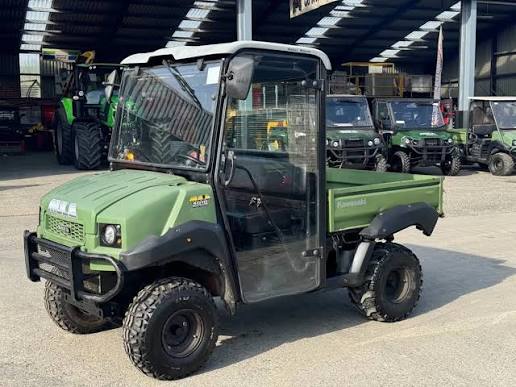
Table of Contents
- Quick Answer: Is a Used Kawasaki Mule Worth It?
- What Is a Kawasaki Mule?
- Why Buy a Used Kawasaki Mule Instead of New?
- Which Properties Suit a Used Kawasaki Mule?
- How to Inspect a Used Kawasaki Mule UTV
- Gas vs. Diesel, 2WD vs. 4WD
- What a Used Kawasaki Mule Costs and Where to Buy
- Common Mistakes to Avoid
- Final Verdict
- FAQs
Quick Answer: Is a Used Kawasaki Mule Worth It?
Yes, for most property owners a used Kawasaki Mule is a smart buy. It’s a durable utility vehicle built for hauling, towing and daily work, and buying used typically saves thousands compared with new. It’s best for farms, ranches, hunting land, and large residential lots. It’s less ideal if you want a fast, recreational trail machine. Check the hours, frame, drivetrain and maintenance history before you commit, and buy from a seller who inspects what they list.Is a Used Kawasaki Mule Right for Your Property?
What Is a Kawasaki Mule?
The Kawasaki Mule is a utility side-by-side (UTV) designed for work first and play second. Think of it as a small, tough hauler: a dump bed in back, a bench seat or two up front, and an engine tuned for torque rather than top speed. Kawasaki has been building Mules for decades, so the used market is deep. That means plenty of choice when you browse Kawasaki Mule UTV for sale listings.Is a Used Kawasaki Mule Right for Your Property?
Popular Kawasaki Mule Model Families
Model names and specs change by year, so always confirm details on the specific unit. In general, you’ll run into three families:
- Classic Mule 600, 610 and 2510/2520 series: Simple, compact and easy to work on. Good for light-duty chores and tight trails.
- Mule 3010 and 4010 series: The long-running middle of the lineup. Many are available in gas or diesel and with 4WD, and they’re a common pick for farm work.
- Mule SX and PRO series (PRO-FX, PRO-DX and similar): Newer, more refined, with more comfortable seating, stronger towing and added passenger room.
What Makes the Mule Different From Other Used Utility Vehicles?
Mules have a reputation for durability and low drama. Parts are widely available, mechanics know them, and many owners keep the same machine for years. If you’re comparing options, you can also browse the wider selection of used utility vehicles to see how the Mule stacks up against other brands.Is a Used Kawasaki Mule Right for Your Property?
Why Buy a Used Kawasaki Mule Instead of New?
Here’s the honest math. A new utility vehicle starts losing value the moment it leaves the lot, and a work machine is going to pick up scratches, dents and mud no matter how careful you are. Letting someone else absorb that first big drop is the main reason buyers shop for a used Kawasaki Mule UTV.
The Benefits of Buying Used
- Lower upfront cost. Your budget can stretch to a newer model, a diesel, or extra features.
- Slower depreciation. A well-kept used Mule tends to hold its value better than a new one does in the first few years.
- Proven track record. You can read owner reviews, learn the known quirks of a model year, and buy with fewer surprises.
- Work-ready. Nobody babies a farm vehicle, so you won’t feel guilty putting it to work on day one.Is a Used Kawasaki Mule Right for Your Property?
The Trade-Offs to Be Honest About
Used isn’t risk-free. You inherit someone else’s maintenance habits, there’s usually no factory warranty, and a neglected machine can cost more to fix than it saved you. Cosmetic wear is normal; mechanical neglect is not. That’s why the inspection step below matters so much, and why buying from a seller that inspects and photographs each unit is worth a lot.Is a Used Kawasaki Mule Right for Your Property?
Which Properties Suit a Used Kawasaki Mule?
A used Kawasaki Mule fits best where the work is heavy, the ground is uneven and speed doesn’t matter. Here’s how it plays out on different kinds of land.Is a Used Kawasaki Mule Right for Your Property?
Farms and Ranches
This is the Mule’s home turf. Feed, fencing, tools, hay, fuel cans and a dog or two all ride in the bed. A used Mule saves countless trips to the barn and is far gentler on pastures than a full-size truck. If you run livestock, a 4WD diesel Mule is hard to beat for low-speed, all-day work.Is a Used Kawasaki Mule Right for Your Property?
Hunting Land and Recreational Acreage
Hunters love the quiet, low-speed capability for hauling stands, feeders, gear and, of course, game. Choose 4WD and good tires. If trails are tight, a narrower, older Mule can slip through places a bigger side-by-side can’t.Is a Used Kawasaki Mule Right for Your Property?
Construction Sites and Commercial Property
Campgrounds, golf courses, nurseries and job sites use Mules to move materials and crews without firing up a truck. The dump bed and steady torque make a used Mule a practical, low-cost fleet addition.
Large Residential Lots and Homesteads
If you have two to ten acres, you’ll haul mulch, firewood, bags of feed and garden supplies more often than you think. A used Mule is overkill for a small suburban yard, but on a real homestead it pays for itself in saved effort.Is a Used Kawasaki Mule Right for Your Property?
When a Used Mule May Not Be the Right Fit
- You want high-speed trail riding or sport performance.
- Your property is a small, flat lot where a garden cart or ATV would do.
- You need to carry four or more passengers regularly (look at the larger PRO models, or another vehicle class).
Not sure which direction to go? Browse the full used utility vehicles inventory and compare before you decide.
How to Inspect a Used Kawasaki Mule UTV
Whether you’re buying in person or from photos and a seller’s report, run through the same checklist. A good seller will welcome the questions.
Mechanical Checks
Engine and Hours
Ask for the hour meter reading and any service records. Start the engine cold if you can. Watch for hard starting, heavy smoke, knocking or oil leaks. Lower hours are nice, but a machine with 1,500 well-maintained hours beats one with 400 neglected ones.Is a Used Kawasaki Mule Right for Your Property?
Drivetrain and 4WD
Engage 4WD and the differential lock, drive forward and in reverse, and listen for grinding, clunking or slipping. Check the CV boots for tears. Many costly repairs start with a torn boot and dirty grease.Is a Used Kawasaki Mule Right for Your Property?
Brakes, Steering and Suspension
The brake pedal should feel firm, and the vehicle should track straight. Look for worn bushings, sagging springs and loose steering play.
Frame, Bed and Cosmetics
Frame and Dump Bed
Inspect the frame for cracks, bends or fresh welds. Raise and lower the dump bed several times and check the latch and hydraulics (if equipped). Rust on the frame matters more than rust on a bumper.Is a Used Kawasaki Mule Right for Your Property?
Tires, Seats and Lights
Tires and seats are easy to replace, but they’re a negotiation tool. Make sure lights, horn and gauges work.
Paperwork and History
Confirm the VIN, ask about previous use (farm, rental or commercial), and request maintenance records. If something doesn’t add up, walk away. There’s always another Mule.Is a Used Kawasaki Mule Right for Your Property?
Gas vs. Diesel, 2WD vs. 4WD
Should You Choose a Gas or Diesel Mule?
Gas Mules are quieter at idle, cheaper to buy and perfectly fine for most owners. Diesel Mules are known for strong low-end torque and better fuel economy under steady work, which suits livestock and towing, but they cost more and need the right fuel and maintenance. Pick diesel if you’ll run it hard every day. Pick gas for occasional chores.Is a Used Kawasaki Mule Right for Your Property?
Do You Need 4WD?
If your property has mud, hills, snow or soft ground, yes. A 4WD used Kawasaki Mule gives you the traction to keep working when conditions go sideways. On flat, dry land, 2WD can save you money upfront.Is a Used Kawasaki Mule Right for Your Property?
What a Used Kawasaki Mule Costs and Where to Buy
How Much Does a Used Kawasaki Mule Cost?
Prices vary widely with model year, hours, engine type, 4WD and overall condition. As a rough, approximate guide, older, higher-hour units sit at the budget end, while late-model PRO-series machines with low hours sit near the top. Rather than chasing a single number, compare several listings of the same model and year. Current inventory on Kawasaki Mule UTV for sale pages is the best way to see where real prices land.Is a Used Kawasaki Mule Right for Your Property?
Costs Beyond the Sticker Price
- Delivery or freight if the seller is far away
- Immediate maintenance: oil, filters, belts, fluids
- Tires, battery or accessories like a windshield, roof or winch
- Registration, insurance or taxes depending on where you live
Where Should You Buy a Used Kawasaki Mule?
You have three main options: private sellers, auctions, and dedicated dealers. Private deals can be cheap but offer little protection. Auctions are a gamble. A specialist dealer that inspects, photographs and describes each unit costs a little more but removes much of the guesswork. Start with the dealer’s shop of used utility vehicles to compare what’s available.Is a Used Kawasaki Mule Right for Your Property?
Common Mistakes to Avoid
- Buying on price alone. The cheapest Mule is often the most expensive after repairs.
- Skipping the test drive. Always drive it, in 4WD too.
- Ignoring the hour meter and records. Hours plus maintenance history tell the real story.
- Forgetting your use case. A towing job and a trail ride need different machines.
- Not budgeting for upgrades. Cab enclosures and tires add up quickly.
Final Verdict: Is a Used Kawasaki Mule Right for Your Property?
If your land needs hauling, towing and steady, dependable work, a used Kawasaki Mule is very likely the right tool. It’s tough, simple to maintain and far easier on your wallet than buying new. If you mostly want speed or sport, look elsewhere. Match the model, engine and drivetrain to your terrain, inspect carefully, and buy from a seller you trust.Is a Used Kawasaki Mule Right for Your Property?
Ready to Find Your Mule?
Browse our current Kawasaki Mule UTV for sale inventory, or explore the full range of used utility vehicles to compare your options. Have questions about a specific unit? Reach out and get a straight answer before you buy.Is a Used Kawasaki Mule Right for Your Property?
Frequently Asked Questions (FAQs)
Is a used Kawasaki Mule reliable?
Generally, yes. Mules are known for durability, and many run well past a thousand hours when serviced regularly. Reliability depends far more on maintenance history than on age alone.Is a Used Kawasaki Mule Right for Your Property?
How many hours is too many on a used Kawasaki Mule?
There’s no single cutoff. A well-maintained Mule with 1,000 to 2,000 hours can still have plenty of life, while a neglected one with far fewer can be trouble. Focus on records, condition and how it drives.Is a Used Kawasaki Mule Right for Your Property?
Is a gas or diesel Kawasaki Mule better for a farm?
Diesel suits heavy daily work and towing thanks to its torque and efficiency. Gas is cheaper upfront and fine for lighter or occasional jobs.
Can a used Kawasaki Mule tow a trailer?
Yes, within its rated towing capacity, which varies by model. Check the specific unit’s specs and never exceed the rating, especially on slopes.
Is a used Kawasaki Mule street legal?
Not by default. Rules vary by state and province, and many areas require specific equipment or restrict UTVs to private land or designated roads. Check local regulations first.
Where can I buy a used Kawasaki Mule?
You can buy from private sellers, auctions or specialist dealers. A dealer that inspects and photographs each unit lowers risk. See current Kawasaki Mule UTV for sale listings to start.Is a Used Kawasaki Mule Right for Your Property?
What should I check before buying a used Kawasaki Mule?
Check the hour meter, engine start-up, 4WD engagement, CV boots, brakes, frame, dump bed and maintenance records. Then test drive it.
Is buying used better than new?
For most work-focused buyers, yes. You save money, avoid the steepest depreciation and get a machine with a known track record. The trade-off is no factory warranty, so inspection matters.Is a Used Kawasaki Mule Right for Your Property?