
The utility vehicles for construction (often called a UTV or side-by-side) has become the undisputed king of the jobsite. For decades, construction sites relied on modified pickup trucks or all-terrain vehicles (ATVs) to move materials and crews. But today,
Unlike a standard truck, a construction UTV is built for tight spaces, muddy foundations, and repetitive short-haul cycles. Whether you are managing a residential build or a commercial highway project, the right utility vehicle can cut labor costs, reduce worker fatigue, and speed up material handling.
In this guide, we will cover how to choose a construction UTV, answer the most frequent questions from contractors, and highlight key features like payload capacity, ground clearance, and hydraulic dump beds.
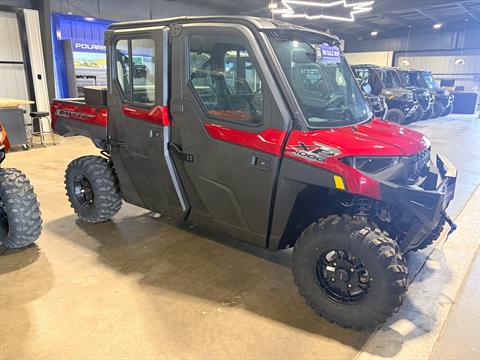
Why a Dedicated Utility Vehicles for Construction?
A pickup truck gets materials to the site. A utility vehicle moves them around the site. Here is why contractors are making the switch:
- Agility: 50-inch widths can fit through standard door frames or backyard gates.
- Durability: Heavy-duty steel chassis and industrial-grade suspension handle rebar, concrete blocks, and uneven terrain.
- Versatility: Swap a cargo box for a sprayer, welder, or crew cab in minutes.
- Cost Efficiency: Lower fuel and maintenance costs compared to idling a full-size diesel truck.
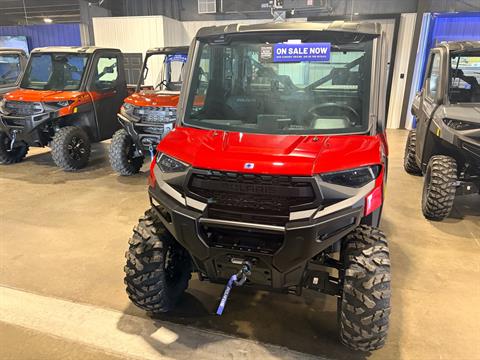
Frequently Asked Questions (FAQ): Utility Vehicles for Construction
To help you make an informed purchase, here are the most common questions asked by construction professionals.
1. What is the best Utility Vehicles for Construction sites?
The “best” depends on your site size and load needs. Top-rated models for 2025 include:
- Kubota RTV-X1100C: Best for heavy towing (1,100 lbs) and all-day durability.
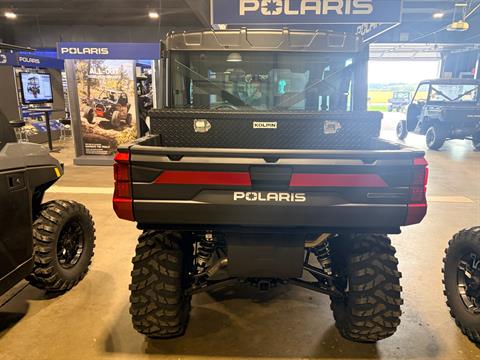
- Polaris Ranger XP 1000: Best balance of speed (45+ mph) and payload (1,250 lbs).
- John Deere Gator XUV 865R: Ideal for landscaping and residential construction due to its maneuverability.
- Can-Am Defender HD10: Excellent for muddy or steep sites with its smart-lok front differential.
Pro tip: For commercial construction, prioritize diesel engines (Kubota) over gas for long-term reliability.
2. How much weight can a construction UTV tow or carry?
This varies by class. A standard Utility Vehicles for Construction should offer:
- Payload capacity (cargo box): 800 – 1,400 lbs
- Towing capacity: 1,500 – 2,500 lbs (some heavy-duty models reach 3,500 lbs)
Real-world example: That is enough to carry 10-12 bags of 80lb concrete plus tow a small mortar mixer or generator trailer.
3. Do I need a special license or registration to operate a UTV on a construction site?
For private construction sites (closed course): No driver’s license or registration is typically required. However, OSHA standards apply.
- Operators must be trained and at least 16 years old (18 for hazardous work).
- Seat belts must be worn at all times.
For public roads between sites: You will need a license, registration, insurance, and safety equipment (turn signals, mirrors, SMV emblem). Laws vary by state.
4. How do I maintain a UTV used in dusty/muddy construction conditions?
Construction dust is brutal on air filters and cooling systems. Follow this schedule:
- Daily: Clean the radiator screen and check tire pressure.
- Weekly: Replace or clean the foam pre-filter (use a re-usable oiled filter).
- Monthly: Grease all suspension and steering fittings (use a heavy-duty lithium grease).
- Seasonally: Change differential fluid if you regularly drive through standing water or mud.
Warning: Never pressure-wash the dashboard or electrical components. Construction grime can bridge relays, causing intermittent electrical failures.
5. Gas vs. Diesel for a Utility Vehicles for Construction which is better?
| Feature | Gas UTV | Diesel UTV |
|---|---|---|
| Initial cost | Lower ($10k–18k) | Higher ($18k–30k+) |
| Fuel efficiency | Moderate | Excellent (30%+ better) |
| Torque for towing | Good | Exceptional |
| Lifespan in construction | 3-5 years (heavy use) | 8-10 years (heavy use) |
| Cold weather starting | Easy | Requires glow plugs or heater |
Verdict: For daily, all-day hauling on large commercial sites, choose diesel. For residential construction or light duty, a gas model is sufficient.
6. Can a utility vehicle replace a skid steer or compact tractor?
No. A UTV is a transport tool, not an earthmoving machine. However, it can complement heavy equipment:
- Move tools and fuel to the skid steer.
- Hail small amounts of gravel (1/2 yard) in a reinforced bed.
- Transport crew to different zones (e.g., from rebar staging to pour area).
Think of it as the site’s circulatory system – not the heart (excavator), but vital for efficiency.
7. What safety features are non-negotiable for a Utility Vehicles for Construction?
OSHA and common sense require:
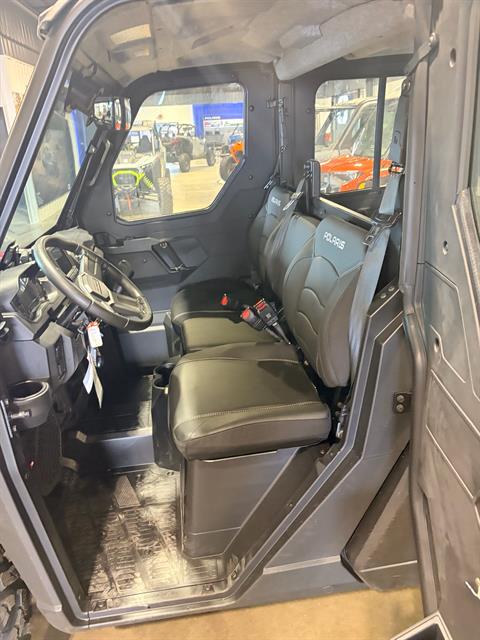
- Roll-Over Protective Structure (ROPS) with a certified cage.
- 3-point seat belts for all occupants (no lap belts only).
- Lockable differential to prevent spin-outs on slick rebar or plywood.
- Low center of gravity – avoid lifted models for construction.
- Backup alarm (especially if working near excavators or blind spots).
Top 3 Utility Vehicle Configurations for Construction
Not all UTVs are created equal. For construction, avoid “recreational” models (soft suspension, thin tires). Look for these setups:
| Configuration | Best For | Key Specs |
|---|---|---|
| Flatbed with stake pockets | Lumber, drywall, pipe | 48″x60″ steel bed, 1,400 lb capacity |
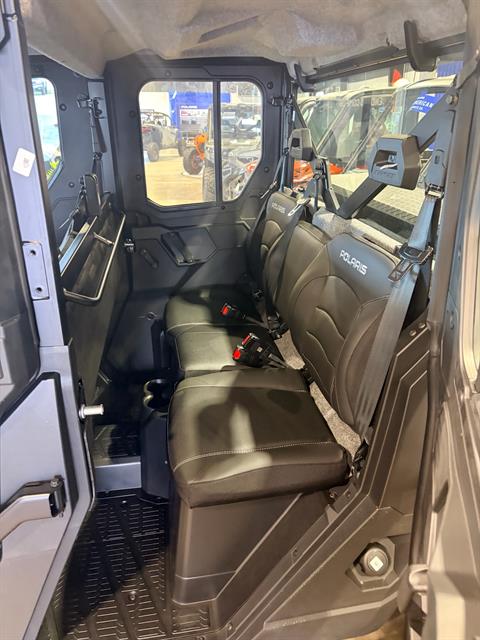
| Crew cab (4-6 seats) | Moving crews across large sites | Rear bench seat, half cargo bed |
| Service body (locking tool boxes) | Electricians, plumbers, finish carpenters | Side compartments, inverter-ready |
Final Checklist: Buying a Utility Vehicles for Construction
Before signing, confirm these 5 things:
- Dealer support – Does the dealer stock construction-specific parts (heavy-duty axles, bed hydraulics)?
- Ground clearance – Minimum 10 inches for foundation work.
- Bed tilt mechanism – Manual is fine, but hydraulic is worth the extra $1,500.
- Tire ply rating – 6-ply minimum; 8-ply for rebar-strewn sites.
- Warranty – Commercial-use warranty (often 2 years vs. 4 years for recreational).
Conclusion: Level Up Your Jobsite Efficiency
A well-chosen Utility Vehicles for Construction pays for itself in less than six months by reducing hand-carrying, saving truck fuel, and preventing worker injuries. Start by matching your typical load weight and site terrain to one of the models above, then test drive with a loaded bed – not an empty one.
Finding a slot site that actually pays out on time is tough but this platform delivers every single week. The bonus rounds are super engaging and the mobile app runs without any lag. I recommend giving it a spin during your free time. You can visit 588jilislot whenever you want to relax and win some extra cash. 588jilislot