
Where to Buy Used Utility Vehicles Online has become one of the easiest and most cost-effective ways to find reliable equipment for work, farming, construction, landscaping, hunting, and recreational use. Whether you’re looking for a rugged diesel work vehicle or a compact electric utility cart, online marketplaces provide thousands of options from dealerships and private sellers across the United States.
However, buying online also comes with challenges. Not every listing is accurate, prices vary significantly, and choosing the wrong seller can lead to expensive repairs or unexpected issues.
This guide explains where to buy used utility vehicles online, what to look for before purchasing, and how to get the best value for your money.
Why Buy a Used Utility Vehicle?
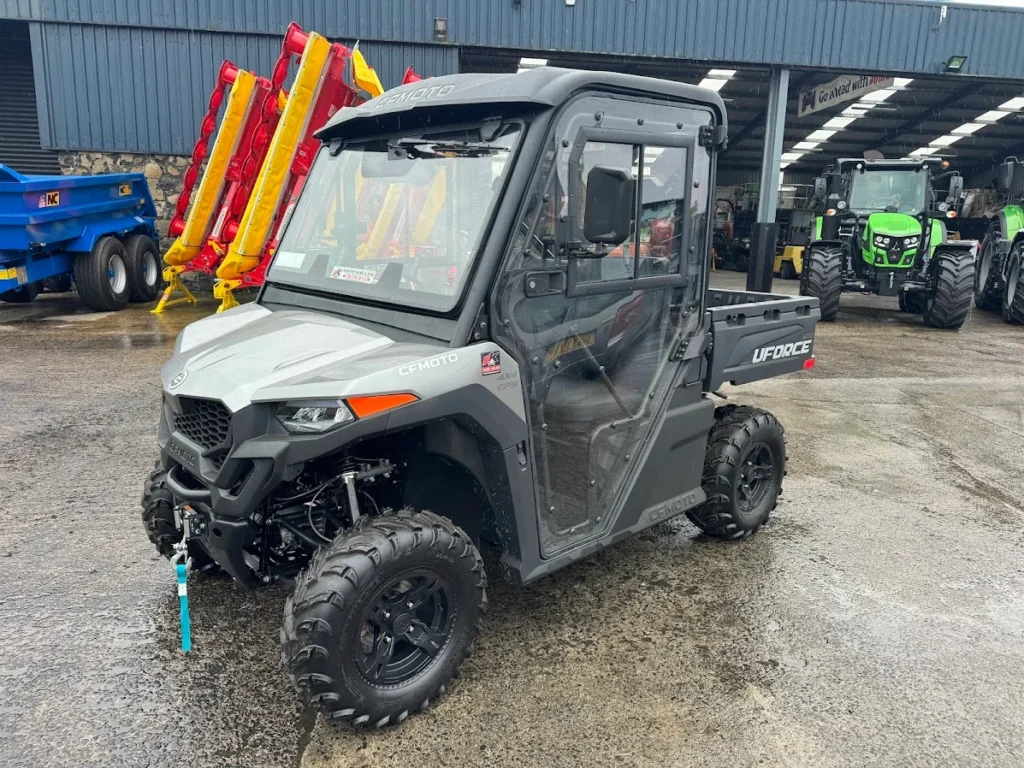
A used utility vehicle offers many of the same capabilities as a new model at a much lower price.
Benefits include:
- Lower purchase price
- Slower depreciation
- Larger selection of models
- Immediate availability
- Lower insurance costs
- Better return on investment for businesses
For farms, warehouses, golf courses, municipalities, and construction companies, buying used often makes more financial sense than purchasing brand-new equipment.
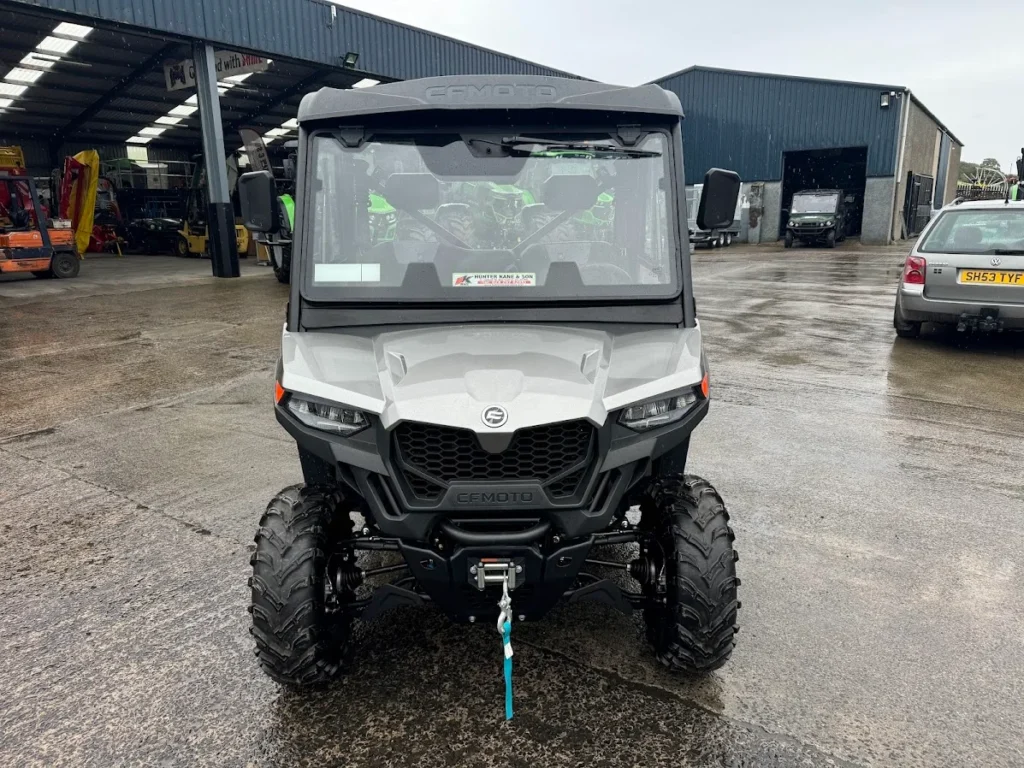
Best Places to Buy Used Utility Vehicles Online
1. Specialized Utility Vehicle Websites
The safest place to start is a website dedicated exclusively to utility vehicles.
These websites typically offer:
- Detailed specifications
- Multiple photos
- Vehicle condition reports
- Dealer support
- Financing options
- Shipping assistance
Unlike general classified sites, specialty marketplaces focus on buyers looking specifically for work vehicles.
2. Equipment Dealers
Many authorized dealers sell certified pre-owned utility vehicles.
Advantages include:
- Professional inspections
- Maintenance records
- Warranty options
- Financing
- Genuine replacement parts
Although dealer prices may be slightly higher, the additional peace of mind is often worth the investment.
3. Farm Equipment Dealers
Agricultural equipment dealers frequently carry utility vehicles that have been traded in by farmers.
Popular choices include:
- Diesel utility vehicles
- 4×4 work UTVs
- Heavy-duty hauling vehicles
- Utility carts
These vehicles are often well maintained because they are essential tools on working farms.
4. Government Auctions
Government agencies regularly replace utility fleets.
These auctions can include:
- Park service vehicles
- Municipal maintenance carts
- Campus transportation vehicles
- Airport utility vehicles
Prices are often below market value, although vehicles are usually sold as-is.
5. Construction Equipment Companies
Construction companies frequently upgrade their fleets.
Their used inventory may include:
- Heavy-duty work UTVs
- Diesel utility vehicles
- Crew transport vehicles
- Cargo models
Many receive scheduled maintenance throughout their working life.
6. Online Equipment Marketplaces
Large equipment marketplaces allow buyers to compare thousands of listings in one location.
Benefits include:
- Nationwide inventory
- Price comparisons
- Dealer ratings
- Financing options
- Shipping quotes
These platforms make it easier to compare similar models before making a decision.
Popular Utility Vehicle Brands
When shopping online, you’ll encounter several trusted manufacturers known for reliability and long service life.
Popular brands include:
- John Deere
- Kubota
- Club Car
- Polaris
- Kawasaki
- Yamaha
- Bobcat
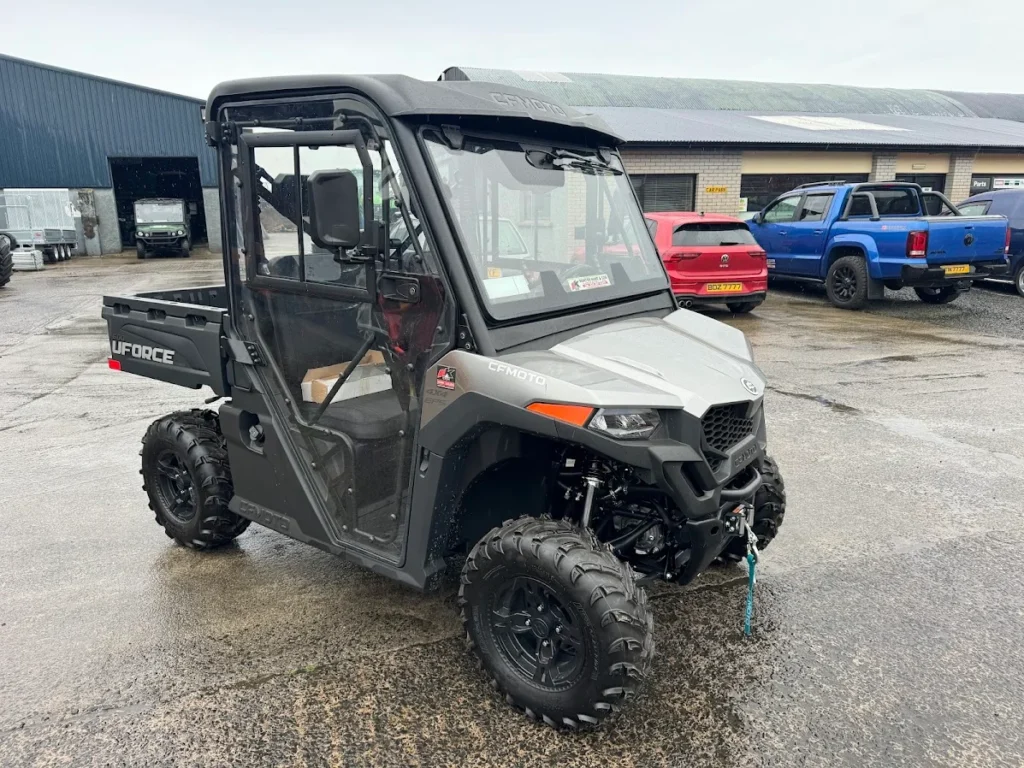
- CFMOTO
- Cushman
- Toro
Each brand offers models designed for different applications, from agriculture and landscaping to industrial facilities and recreational properties.
How Much Does a Used Utility Vehicle Cost?
Prices vary depending on age, condition, engine type, hours, and accessories.
Typical price ranges are:
- Older work vehicles: $3,000–$6,000
- Mid-range models: $6,000–$12,000
- Premium diesel vehicles: $12,000–$20,000+
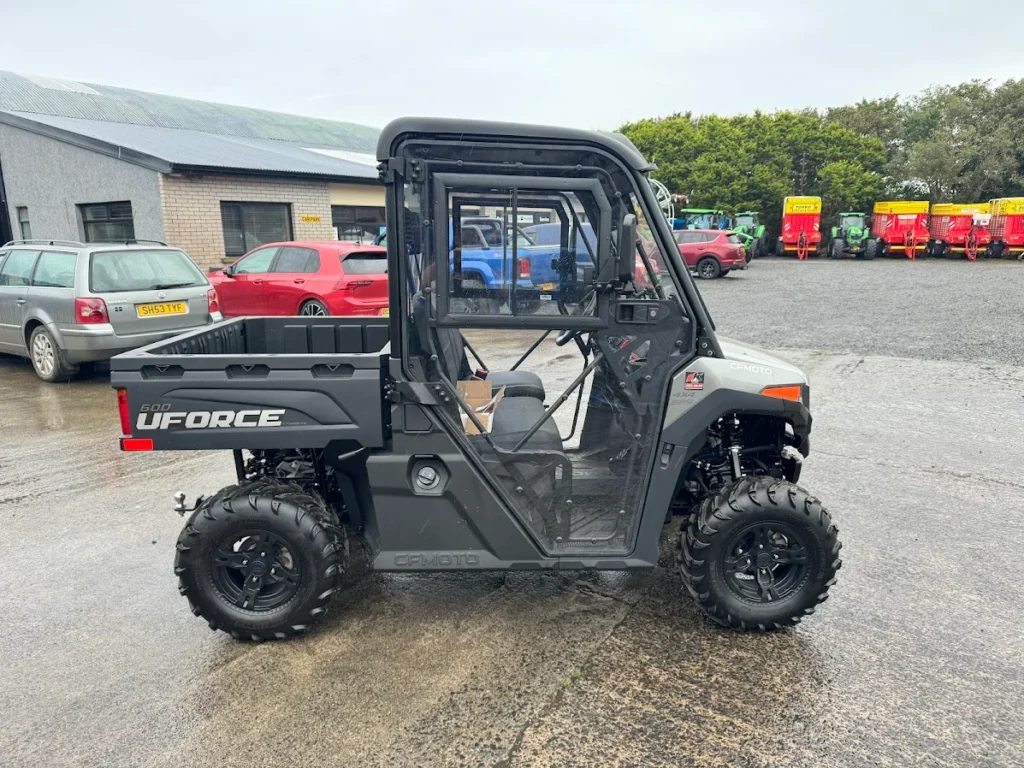
- Fully enclosed cab models: $15,000–$25,000
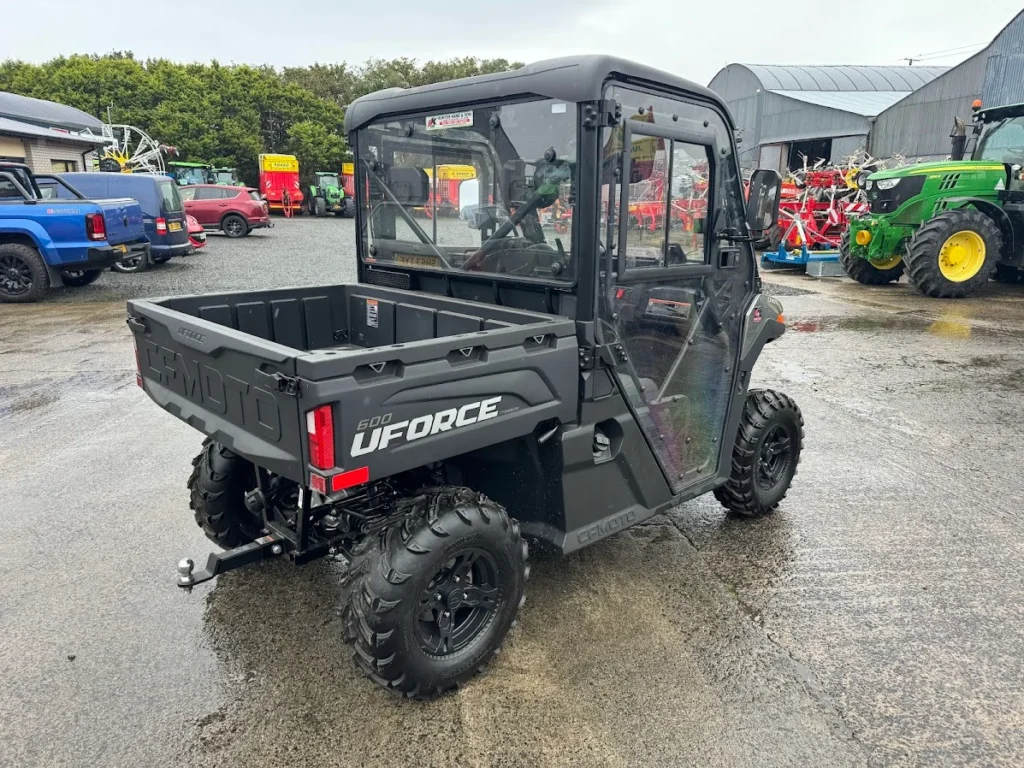
Vehicles equipped with roofs, windshields, heaters, hydraulic beds, or low operating hours generally command higher prices.
What to Check Before Buying
Never purchase based solely on photos.
Inspect the following:
Engine
Check for:
- Oil leaks
- Smoke
- Hard starting
- Unusual noises
Transmission
Test:
- Forward
- Reverse
- High range
- Low range
The transmission should shift smoothly.
Suspension
Inspect:
- Bushings
- Ball joints
- Steering
- Axles
Loose steering may indicate expensive repairs.
Tires
Uneven tire wear often indicates suspension or alignment problems.
Replacing four off-road tires can add significant cost.
Brakes
Ensure the brakes stop evenly without pulling to one side.
Frame
Look underneath for:
- Rust
- Weld repairs
- Bent frame rails
- Collision damage
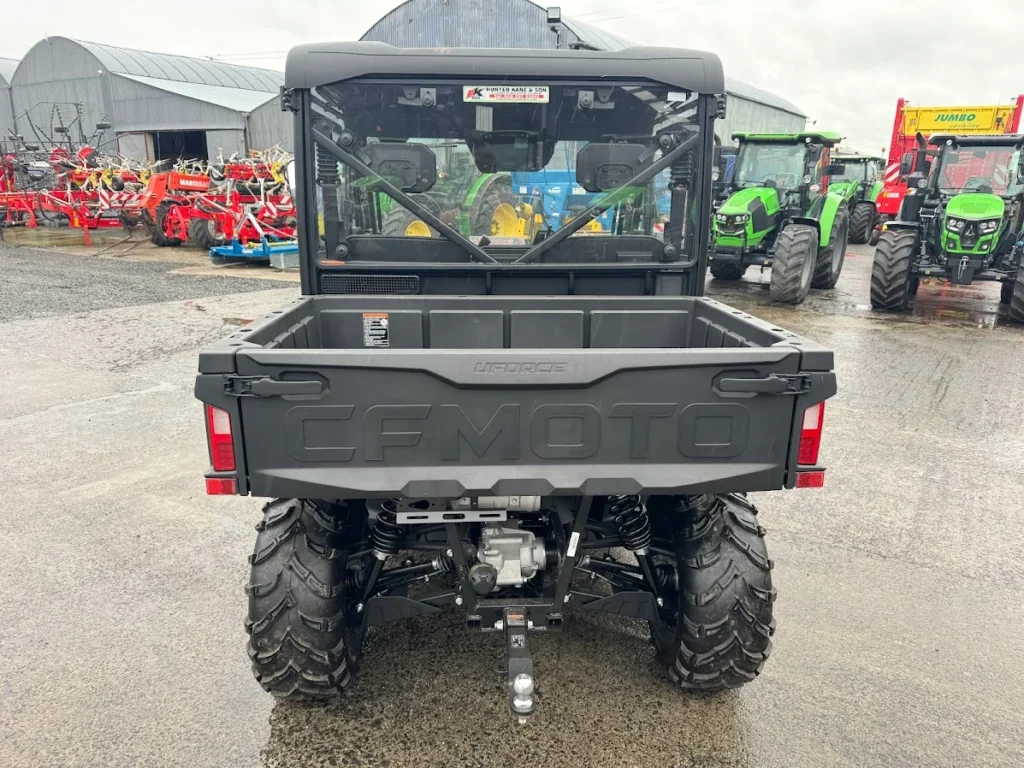
Cargo Bed
A damaged cargo bed may indicate the vehicle has been overloaded.
Important Questions to Ask the Seller
Before buying, ask:
- Why are you selling?
- Has the vehicle been serviced regularly?
- Do you have maintenance records?
- Has it ever been involved in an accident?
- How many engine hours does it have?
- Are there any mechanical problems?
- Does everything work correctly?
Honest sellers usually provide straightforward answers.
Should You Buy From a Dealer or Private Seller?
Dealer advantages:
- Financing
- Warranty
- Professional inspections
- Better documentation
Private seller advantages:
- Lower prices
- Negotiation opportunities
- Local pickup
If you’re new to buying utility vehicles, purchasing from a reputable dealer often reduces risk.
Common Mistakes Buyers Make
Many buyers focus only on price.
Avoid these mistakes:
- Ignoring maintenance history
- Not checking engine hours
- Buying without inspection
- Forgetting transportation costs
- Skipping a test drive
- Choosing the cheapest option instead of the best value
A slightly more expensive, well-maintained vehicle can save thousands in repairs.
Accessories Worth Buying
Useful upgrades include:
- Roof
- Windshield
- Cab enclosure
- Winch
- LED lights
- Tow hitch
- Rear cargo box
- Snow plow
- Lift kit
- Heavy-duty tires
These accessories improve functionality and increase resale value.
Financing a Used Utility Vehicle
Many dealerships offer financing for qualified buyers.
You may also consider:
- Equipment loans
- Credit unions
- Business financing
- Agricultural lending programs
Compare interest rates before signing any agreement.
Shipping Your Utility Vehicle
If buying from another state:
- Request shipping quotes before purchasing.
- Verify dimensions and weight.
- Ask whether the vehicle runs and drives.
- Confirm insurance coverage during transport.
Professional equipment transport companies can deliver directly to your property.
Why Buy From UsedUtilityVehicles.com?
At UsedUtilityVehicles.com, we specialize in connecting buyers with dependable used utility vehicles for agriculture, construction, landscaping, municipal work, industrial facilities, hunting, and recreation.
Our listings feature:
- Quality used utility vehicles
- Competitive pricing
- Detailed descriptions
- Multiple photos
- Nationwide inventory
- Helpful customer support
Whether you need a compact work cart or a heavy-duty diesel utility vehicle, our goal is to make your buying experience simple and transparent.
Final Thoughts
Buying a used utility vehicle online can save thousands of dollars while giving you access to a much larger inventory than shopping locally. By researching sellers, comparing prices, inspecting the vehicle carefully, and choosing a trusted marketplace, you can confidently invest in equipment that will serve your needs for years.
Take your time, ask the right questions, and focus on overall condition rather than just the lowest price. A well-maintained used utility vehicle often delivers outstanding value and dependable performance.
If you’re ready to begin your search, browse the latest inventory at UsedUtilityVehicles.com and find the right utility vehicle for your farm, business, or property today.