
Buying a used Arctic Cat UTV maintenance checklist can save you thousands of dollars compared to a new model, but only if the machine you’re buying doesn’t come with hidden problems. A side-by-side that looks clean in photos can still be hiding a slipping belt, a leaking CV boot, or a transmission on its last legs. That’s why a proper Arctic Cat UTV maintenance checklist is the single most valuable tool you can bring to a used-UTV purchase.
This guide walks you through exactly what to check, in what order, and why each item matters whether you’re looking at a Wildcat, Prowler, Alterra, or Havoc. By the end, you’ll know how to inspect a used Arctic Cat UTV like someone who’s done it a hundred times.
Quick Answer: What Should You Check Before Buying a Used Arctic Cat UTV?
Before buying a used Arctic Cat UTV, inspect the engine oil condition, CVT belt wear, drive belt housing for debris, differential fluid, tires and wheel bearings, brakes, electrical system, frame for rust or damage, and request full maintenance records from the seller. A pre-purchase inspection typically takes 45–60 minutes and can reveal thousands of dollars in potential repair costs.
If any of these areas show neglect, factor that into your offer or walk away deferred maintenance on a UTV rarely stays cheap for long.
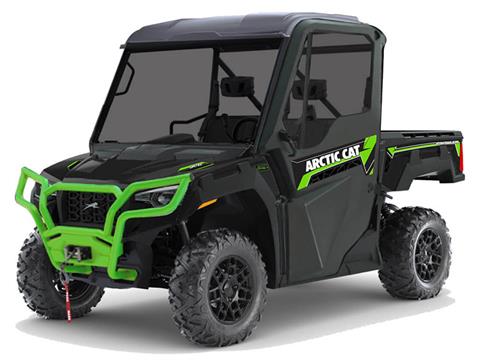
Why a Maintenance Checklist Matters When Buying Used
Arctic Cat UTVs (now largely folded into the Textron Off Road lineup) are built tough, but they still rely on regular maintenance to perform reliably. A previous owner who skipped oil changes, ignored belt wear, or ran the machine hard through mud and water without proper cleanup can leave you with a UTV that looks fine but fails within weeks of ownership.Arctic Cat UTV Maintenance Checklist
Using a structured checklist protects you in three ways:
- It gives you negotiating leverage if you find worn components.
- It helps you avoid buying someone else’s expensive problem.
- It tells you what to budget for immediately after purchase.
Let’s break the inspection down system by system.
Engine and Oil System Inspection
Check Oil Condition and Level
Pull the dipstick or check the sight glass, depending on the model year. Fresh oil should be amber and translucent. Oil that’s black, gritty, or smells burnt suggests overdue maintenance or engine wear. Milky oil is a red flag it usually means water intrusion, which is common in UTVs used for water crossings without proper sealing.Arctic Cat UTV Maintenance Checklist
Listen for Unusual Engine Noise
Start the engine cold if possible. Arctic Cat UTV engines should idle smoothly without knocking, ticking, or excessive vibration. A rough idle can point to worn valves, a failing fuel pump, or old spark plugs all manageable, but worth factoring into your offer price.Arctic Cat UTV Maintenance Checklist
H3: Inspect the Air Filter and Intake
A clogged or oil-soaked air filter suggests the machine was ridden in dusty or muddy conditions without regular filter changes. This isn’t a dealbreaker on its own, but it’s a strong indicator of how well the UTV was maintained overall.Arctic Cat UTV Maintenance Checklist
CVT Belt and Drivetrain Checklist
Examine the CVT Belt for Wear
The CVT (continuously variable transmission) belt is one of the most common wear items on any Arctic Cat UTV. Look for:
- Cracking or glazing on the belt surface
- Uneven wear along the edges
- Visible fraying or missing chunks
A worn belt isn’t expensive to replace, but if the seller can’t tell you when it was last replaced, assume it’s original and budget accordingly.
Check the Belt Housing for Debris
Open the CVT cover if the seller allows it. Mud, leaves, or standing water inside the housing point to a UTV that was ridden hard without post-ride cleaning a habit that shortens belt and clutch life significantly.Arctic Cat UTV Maintenance Checklist
Inspect the Primary and Secondary Clutches
Look for scoring on the clutch sheaves and check that the clutch springs move freely. Sticky or notchy clutch movement often means the machine is due for a clutch rebuild, which can run several hundred dollars.Arctic Cat UTV Maintenance Checklist
Test the Differential and Drive Shafts
Check front and rear differential fluid for a milky appearance (a sign of water contamination) and inspect CV boots for tears. A torn CV boot lets dirt and water into the joint, which accelerates wear and can lead to a costly drivetrain repair.
Tires, Suspension, and Brakes
Assess Tire Tread and Wheel Bearings
Check tread depth and look for uneven wear patterns, which can indicate alignment issues or worn bearings. Grab each tire at the 12 and 6 o’clock position and rock it excessive play suggests worn wheel bearings or ball joints.Arctic Cat UTV Maintenance Checklist
Inspect Shocks and Suspension Components
Press down on each corner of the UTV and watch how it rebounds. It should settle smoothly without excessive bouncing. Look for oil residue on the shock bodies, which signals a leaking shock that will need replacement.Arctic Cat UTV Maintenance Checklist
Test the Braking System
Squeeze the brake lever or press the pedal it should feel firm, not spongy. Spongy brakes often mean air in the lines or worn brake fluid. Also inspect brake pads through the caliper for remaining material; thin pads mean an imminent replacement cost.Arctic Cat UTV Maintenance Checklist
Electrical System and Frame Inspection
Test Lights, Winch, and Accessories
Turn on headlights, taillights, and any installed accessories like a winch or aftermarket lighting. Flickering lights or a winch that hesitates can point to a weak battery or corroded wiring connections common in UTVs exposed to moisture.Arctic Cat UTV Maintenance Checklist
Check the Battery and Charging System
A battery that’s more than three years old is a near-term replacement cost. Ask if you can test voltage with a multimeter; anything under 12.4V at rest suggests the battery is aging or was left uncharged for long periods.Arctic Cat UTV Maintenance Checklist
Inspect the Frame for Rust and Structural Damage
Look underneath the UTV along the frame rails, skid plates, and A-arms. Surface rust is normal on an older machine, but flaking rust or visible cracks in welded joints are serious red flags that can affect the UTV’s structural integrity.Arctic Cat UTV Maintenance Checklist
Maintenance Records and Ownership History
Ask for Service Records
A seller who has kept service records oil change dates, belt replacements, filter changes is far more likely to have maintained the UTV properly overall. Missing records don’t automatically mean neglect, but they do mean you should inspect more carefully and negotiate accordingly.
Confirm VIN and Title Status
Run the VIN to confirm it matches the title and check for any liens or salvage history. This step is easy to skip but critical a UTV with a rebuilt or salvage title is worth significantly less and may carry hidden damage.
Ask About Storage Conditions
A UTV stored in a garage or shed will generally hold up better than one left outside year-round. Ask directly, and look for signs of sun-faded plastics or weather-cracked seats that suggest outdoor storage.
Test Ride Checklist
Before finalizing the purchase, take the UTV for a short test ride if the seller permits it. During the ride, pay attention to:
- Smooth acceleration without hesitation or bogging
- No unusual noises from the drivetrain or suspension
- Steering that feels tight, not loose or wandering
- Brakes that engage confidently without pulling to one side
A test ride often reveals issues that a stationary inspection can’t catch, especially with the CVT and drivetrain under load.
Arctic Cat UTV Buying Checklist Summary
| Area | What to Check | Red Flag |
|---|---|---|
| Engine | Oil color, idle sound | Black/milky oil, knocking |
| CVT Belt | Cracking, fraying | Missing chunks, glazing |
| Differential | Fluid clarity | Milky fluid |
| Tires/Bearings | Tread, play | Uneven wear, excess play |
| Brakes | Pedal/lever feel | Sponginess, thin pads |
| Electrical | Lights, battery voltage | Flickering, low voltage |
| Frame | Rust, cracks | Flaking rust, weld cracks |
| Records | Service history | No records at all |
Frequently Asked Questions (FAQ)
What is the most important thing to check on a used Arctic Cat UTV?
The CVT belt and clutch system are the most important components to inspect, since they’re the most common wear items and can be expensive to repair if neglected. Combine this with an oil check and a test ride for the best overall picture of the UTV’s condition.
How much does it cost to replace a CVT belt on an Arctic Cat UTV?
A replacement CVT belt typically costs between $80 and $200 for the part alone, with labor adding more if you’re not doing it yourself. Budget for this cost if the seller can’t confirm recent belt replacement.
How many hours or miles is too many for a used Arctic Cat UTV?
There’s no strict cutoff, since maintenance history matters more than raw hours. That said, UTVs with over 500–800 hours of use should be inspected more thoroughly, especially the CVT, engine, and drivetrain components.
Should I buy a used Arctic Cat UTV without service records?
You can, but you should inspect it more carefully and negotiate a lower price to account for the uncertainty. Missing records mean you can’t verify oil change intervals, belt replacements, or other preventive maintenance.
Is it worth getting a pre-purchase inspection from a mechanic?
Yes, especially for higher-value models. A qualified UTV or powersports mechanic can spot issues — like a failing differential or hidden frame damage — that aren’t obvious during a visual inspection, often for a modest inspection fee.
What are common problem areas on older Arctic Cat UTV models?
Common issues include CVT belt wear, differential fluid contamination from water crossings, electrical corrosion, and worn wheel bearings. These are all covered in the maintenance checklist above and should be prioritized during inspection.
Does a milky differential fluid mean the UTV is unsafe to drive?
Milky fluid indicates water contamination, which accelerates wear but doesn’t necessarily make the UTV unsafe immediately. However, it should be flushed and refilled as soon as possible to prevent long-term differential damage.
Final Thoughts
A used Arctic Cat UTV can be a smart, budget-friendly way to get into off-road riding, but only if you inspect it properly before handing over payment. Running through this maintenance checklist engine, CVT belt, drivetrain, brakes, electrical system, frame, and service records — gives you a clear picture of what you’re actually buying, not just what the listing photos show you.
Take your time, bring a flashlight and multimeter if you can, and don’t be afraid to walk away from a UTV that raises too many red flags. The right used Arctic Cat UTV is out there this checklist just makes sure you find one that won’t cost you more in repairs than it saved you at purchase.