
If you’re shopping the used market and keep asking yourself, “How Many Hour Is on Used Arctic Cat ?” you’re asking the right question. Unlike a car, a UTV’s true wear and tear isn’t measured in miles. It’s measured in engine hours, and that number tells a very different story depending on how the machine was used, maintained, and ridden.
Buying a used Arctic Cat UTV whether it’s a Wildcat, Prowler, Alterra, or Stampede without understanding hour meters is a bit like buying a used car without checking the odometer. You might get a great deal, or you might inherit someone else’s neglected machine. This guide breaks down exactly what counts as low, moderate, or high hours on a used Arctic Cat UTV, what factors matter more than the number itself, and how to walk away with a machine that will last.
AI Overview: Quick Answer
Q: How many hours is too many on a used Arctic Cat UTV?
A: For most recreational Arctic Cat UTVs, anything under 300 hours is considered low, 300–600 hours is moderate, and 600–1,000+ hours is high. However, “too many hours” depends heavily on maintenance history, not just the number on the meter. A well-maintained Arctic Cat UTV with 800 hours can outlast a neglected one with only 200 hours. Always weigh hours alongside oil change records, belt condition, and overall mechanical upkeep before deciding a machine has too many hours to buy.How Many Hour Is on Used Arctic Cat ?
Understanding Engine Hours on a UTV (vs. Mileage)
Before you can answer “how many hours is too many,” you need to understand why hours not miles are the standard measurement for UTVs.
Why Hours Matter More Than Miles
A UTV rarely travels far in terms of distance, but the engine can run continuously at high RPM for long stretches while hauling, plowing, hunting, or climbing trails. An hour of hard trail riding or towing puts far more strain on an engine than an hour of easy cruising. That’s why two Arctic Cat UTVs with the same number of hours can be in completely different mechanical shape.How Many Hour Is on Used Arctic Cat ?
Engine hours essentially represent total run time, similar to how you’d track hours on a generator, tractor, or boat engine. This is a far more accurate way to judge wear on equipment that idles, works, and operates off-road rather than simply driving in a straight line.
Average Hours Put on Arctic Cat UTVs Per Year
For context, here’s roughly how many hours different types of owners typically rack up annually:
- Occasional recreational riders: 50–100 hours/year
- Regular weekend riders: 100–200 hours/year
- Farm or ranch use: 200–400 hours/year
- Heavy commercial or rental use: 400–800+ hours/year
So a used Arctic Cat UTV with 400 hours could be a lightly used two-year-old unit, or a heavily worked four-year-old machine — the hour count alone doesn’t tell the whole story.How Many Hour Is on Used Arctic Cat ?
What’s Considered High Hours for an Arctic Cat UTV?
This is the core of the question, and the honest answer is: it depends on the model and how it was used. Still, there are general benchmarks buyers rely on when evaluating a used Arctic Cat UTV.How Many Hour Is on Used Arctic Cat ?
Low, Moderate, and High Hour Ranges
| Hour Range | Classification | What It Typically Means |
|---|---|---|
| 0–150 hours | Low | Lightly used, possibly a second vehicle or seasonal machine |
| 150–350 hours | Moderate | Normal recreational or light work use |
| 350–600 hours | Above average | Regular use, may need belt/clutch inspection soon |
| 600–1,000 hours | High | Heavy use; requires thorough mechanical inspection |
| 1,000+ hours | Very high | Approaching or past major wear intervals on key components |
Arctic Cat Wildcat, Prowler, and Alterra Models
Different Arctic Cat UTV lines are built for different jobs, which affects how they handle hours:
- Arctic Cat Wildcat (sport/performance UTV): Higher-revving engines used for speed and trail riding. High hours here often mean aggressive use, so inspect belts, suspension, and CVT wear closely.
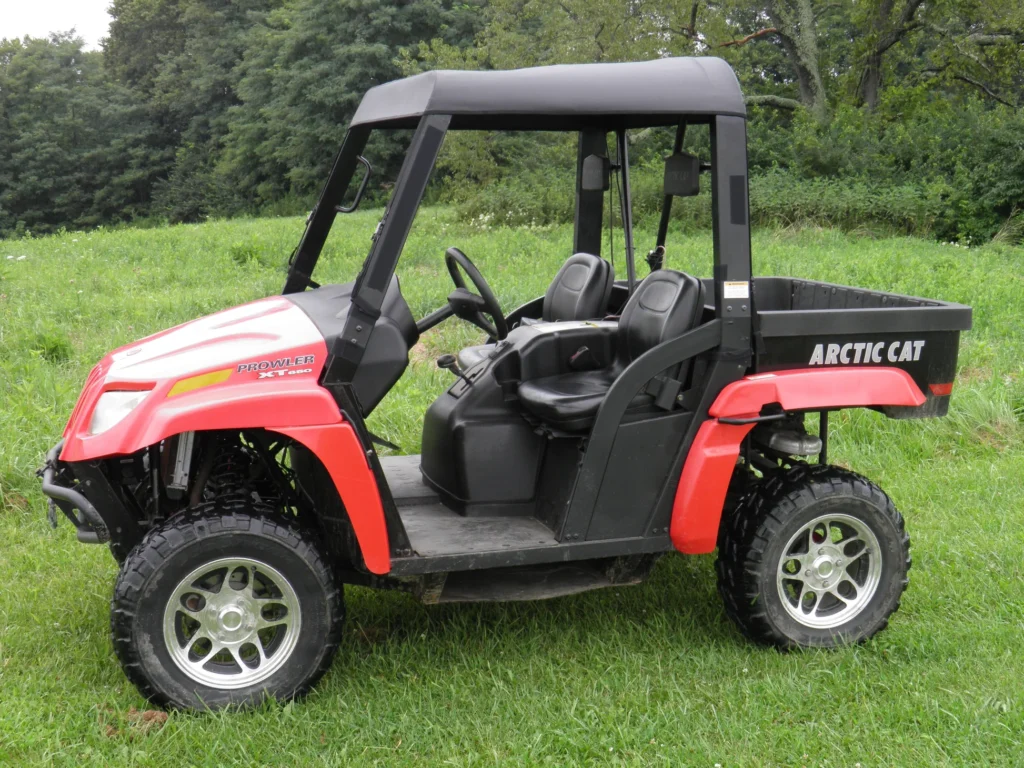
- Arctic Cat Prowler: A do-it-all utility and recreation UTV. Prowlers with moderate hours and consistent maintenance tend to hold up well.
- Arctic Cat Alterra: Arctic Cat’s modern utility/recreation lineup. These are generally durable, but always check hours against maintenance records since they’re popular for both farm work and trail riding.How Many Hour Is on Used Arctic Cat ?
Factors That Affect How Many Hours Is Too Many
The hour meter is just a starting point. What really determines whether a used Arctic Cat UTV is a smart buy comes down to how it was cared for.
Maintenance History
This is, without question, the single biggest factor. A used Arctic Cat UTV with 700 hours and full service records will almost always outperform one with 300 hours and no maintenance history. Ask the seller for:
- Oil change frequency and records
- Air filter cleaning/replacement history
- Belt and CVT service records
- Any major repairs or part replacements
If a seller can’t answer basic maintenance questions, treat the hour count with more suspicion, regardless of how low it is.If a seller can’t answer basic maintenance questions, treat the hour count with more suspicion, regardless of how low it is.How Many Hour Is on Used Arctic Cat ?
Usage Type: Work vs. Recreation vs. Racing
How the UTV spent its hours matters as much as how many it has:
- Hauling and towing hours stress the engine, transmission, and drivetrain more than casual cruising.
- Trail and recreational hours are usually gentler, especially at moderate speeds.
- Racing or aggressive off-road hours accelerate wear on suspension, CVT, and belts significantly faster than the hour meter alone suggests.
A UTV used for slow, steady ranch work may handle 800 hours better than one used for 400 hours of hard, high-RPM trail riding.How Many Hour Is on Used Arctic Cat ?
Engine Type and Mechanical Wear Points
Most Arctic Cat UTVs run four-stroke gasoline engines, which are generally durable when properly maintained, but a few components wear predictably with hours.How Many Hours Is Too Many on a Used Arctic Cat UTV?
Oil Changes and Fluid Maintenance
Oil is the lifeblood of any UTV engine. Manufacturers typically recommend oil changes every 100 hours or so, though intervals vary by model and year. A used Arctic Cat UTV that skipped multiple oil changes will show accelerated internal wear well before it reaches “high hour” territory.
Belt and CVT Wear
The CVT (continuously variable transmission) belt is one of the most commonly replaced wear items on any UTV, including Arctic Cat models. Belts typically need inspection or replacement somewhere in the 500–1,000 hour range depending on riding style and heat exposure. When evaluating hours on a used unit, always ask when the belt was last replaced this single part can be a major expense if neglected.How Many Hour Is on Used Arctic Cat ?
How to Check Hours and Verify Condition Before Buying
Reading the Hour Meter
Most Arctic Cat UTVs display engine hours on the digital gauge cluster, usually accessible through a menu button or displayed alongside the speedometer. Always verify the hour reading yourself rather than relying solely on the seller’s word, and cross-reference it against the machine’s overall wear (seat condition, pedal wear, general grime) to make sure the numbers add up.How Many Hour Is on Used Arctic Cat ?
Red Flags When Inspecting a Used Arctic Cat UTV
Watch for these warning signs regardless of what the hour meter says:
- Inconsistent maintenance records or vague answers about service history
- Excessive play in the CVT or unusual belt smell (burnt rubber)
- Oil that looks dark, gritty, or low
- Mismatched wear (low hours but heavily worn pedals, seat, or steering wheel)
- Evidence of the hour meter being replaced or tampered with
If something doesn’t add up between the hours shown and the physical condition of the machine, it’s worth having a mechanic inspect it before you buy.
Arctic Cat UTV Hours vs. Lifespan: What to Expect
Typical Lifespan in Hours
With regular maintenance, most Arctic Cat UTV engines can reasonably be expected to run somewhere in the neighborhood of 1,500–3,000+ hours before requiring major engine work, though this varies widely based on model, usage type, and how consistently maintenance was performed. This means a used unit with 400–600 hours still has substantial life left, provided it’s been cared for.How Many Hour Is on Used Arctic Cat ?
How to Extend the Life of Your UTV
Whether you’re buying used or already own an Arctic Cat UTV, these habits go a long way toward maximizing hours before major repairs are needed:
- Stick to manufacturer-recommended oil change intervals
- Clean or replace the air filter regularly, especially in dusty conditions
- Inspect the CVT belt periodically for cracking or glazing
- Avoid excessive idling, which adds hours without meaningful use
- Store the machine properly during off-season months
Is a High-Hour Arctic Cat UTV Still a Good Buy?
When High Hours Are Okay
A high-hour used Arctic Cat UTV can absolutely still be a smart purchase if:
- Maintenance records are thorough and consistent
- The price reflects the higher hour count
- A pre-purchase inspection confirms the engine, CVT, and drivetrain are in good shape
- The seller is transparent about how the machine was used
When to Walk Away
Consider passing on a used Arctic Cat UTV if:
- Hours are high with no maintenance history at all
- The belt, CVT, or engine show signs of neglect during inspection
- The price doesn’t reflect the higher hour count
- The seller is evasive about usage type (work, rental, racing, etc.)
Frequently Asked Questions
What is a good number of hours for a used Arctic Cat UTV?
Generally, under 300 hours is considered low and a safer buy for most recreational users, especially if maintenance records are available. However, well-maintained units with more hours can still be excellent purchases.How Many Hour Is on Used Arctic Cat ?
Is 500 hours a lot for a UTV?
500 hours is considered above-average but not extreme for a used Arctic Cat UTV. At this point, it’s worth checking whether the CVT belt has been inspected or replaced, since many belts start showing wear in this range.How Many Hour Is on Used Arctic Cat ?
How many hours will an Arctic Cat UTV engine last?
With proper maintenance, many Arctic Cat UTV engines can run well beyond 1,500 hours before needing major work. Neglected maintenance can shorten that significantly, sometimes cutting engine life in half.How Many Hour Is on Used Arctic Cat ?
Does low hours always mean a better UTV?
Not necessarily. A used Arctic Cat UTV with low hours but poor maintenance can be in worse shape than a well-cared-for unit with moderate or high hours. Always evaluate maintenance history alongside the hour count.
How do I know if a used Arctic Cat UTV’s hour meter is accurate?
Compare the hour reading to physical wear indicators like the seat, pedals, steering wheel, and overall grime. If the machine looks far more worn than the hours suggest, have a mechanic inspect it before buying.
What hours should I be cautious about when buying used?
Be extra cautious above 600–800 hours if there’s no maintenance history, or if the machine was used for heavy work, towing, or racing, since these activities accelerate wear beyond what the hour count alone reflects.How Many Hour Is on Used Arctic Cat ?
Final Thoughts
So, how many hours is too many on a used Arctic Cat UTV? There’s no single magic number. A machine with 800 hours and a complete maintenance history can be a far better buy than one with 250 hours and zero records. Instead of fixating only on the hour meter, look at the full picture: maintenance history, usage type, belt and CVT condition, and how the asking price compares to similar listings.
When you evaluate hours alongside these factors, you’ll be able to confidently tell the difference between a used Arctic Cat UTV that still has years of life left and one that’s already on borrowed time.