Common Problems with Used Yamaha Viking Units
Table of Contents
- Quick Answer: Are Used Yamaha Vikings Reliable?
- Why Buyers Love the Yamaha Viking
- Common Problems with Used Yamaha Viking Units
- Drive Belt and Clutch Wear
- Overheating and Cooling Issues
- Suspension, Ball Joint and Bushing Wear
- Wheel Bearings and Axle Boots
- Electrical and Battery Problems
- Electric Power Steering (EPS) Complaints
- Fuel System Troubles
- Transmission, Driveline and Differential Concerns
- Body, Seats and Cosmetic Wear
- Used Yamaha Viking Inspection Checklist
- What Repairs Might Cost
- Tips for Buying a Used Yamaha Viking Safely
- Is a Used Viking Worth It?
- Frequently Asked Questions
- Final Thoughts
Quick Answer: Are Used Yamaha Vikings Reliable?
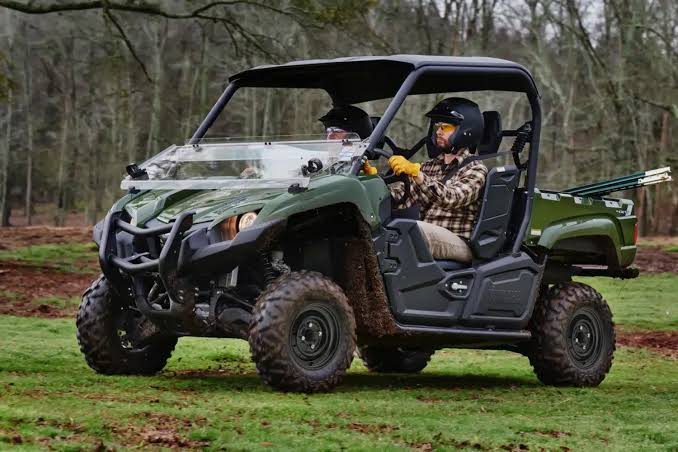
Short answer: Yes. A used Yamaha Viking is generally considered a dependable side-by-side, especially when it has been maintained and not abused. Most problems reported by owners are wear-and-tear items such as drive belts, wheel bearings, ball joints and batteries, not catastrophic engine failures.Common Problems with Used Yamaha Viking Units
What this means for you: The real risk is not the model itself. It is buying a unit with a hidden history of heavy work, poor maintenance or water exposure. A careful inspection solves most of that.Common Problems with Used Yamaha Viking Units
If you are ready to start shopping, take a look at the current Yamaha Viking UTV for sale inventory and compare a few units side by side as you read this guide.
Why Buyers Love the Yamaha Viking
Before we talk about problems, it helps to understand why the Viking keeps showing up on shopping lists. Introduced as Yamaha’s three-across utility side-by-side, the Viking offers a flat bench-style seat that fits three adults, a strong work bed, a smooth ride and a well-earned reputation for toughness. Later versions added the six-seat Viking VI and the better-equipped Ranch Edition.Common Problems with Used Yamaha Viking Units
Farmers, ranchers, hunters, groundskeepers and weekend trail riders all gravitate toward it. That popularity is good news for you as a buyer. There are plenty of used Yamaha Viking units on the market, which means you can be picky.
It also means plenty of owners have shared real-world experience, so the common problems with used Yamaha Viking models are well documented. Let’s go through them.
Common Problems with Used Yamaha Viking Units
No machine is perfect. Any used utility vehicle that has worked hard will show some age. Here are the areas to look at closely, ranked roughly by how often they come up.Common Problems with Used Yamaha Viking Units
Drive Belt and Clutch Wear
The Viking uses a CVT (continuously variable transmission) with a rubber drive belt. This is the single most common wear item on nearly every side-by-side, and the Viking is no exception.
Signs of a worn belt
- Slipping or hesitation when pulling away from a stop
- A burning rubber smell after hard use
- Glazed, cracked, frayed or uneven belt edges
- Weak climbing power on hills or while towing
What causes it
Heavy towing, deep mud, steep climbs and aggressive starts all shorten belt life. Water in the clutch housing is another culprit. A previous owner who ignored these signs may have also worn the clutch sheaves or rollers.Common Problems with Used Yamaha Viking Units
What to do as a buyer
Ask when the belt was last replaced. If the seller does not know, assume it needs one soon and budget for it. Pop the clutch cover if the seller allows it and look for dust, belt shavings and glazing.
Overheating and Cooling Issues
The Viking is liquid-cooled, and like most UTVs it relies on a radiator, a fan and clean airflow. Some owners report overheating when the radiator is packed with mud, grass seed or debris.Common Problems with Used Yamaha Viking Units
Warning signs
- Temperature warning light or high gauge reading
- Coolant puddles under the vehicle
- The fan running constantly or not turning on at all
- Steam or a sweet coolant smell
Why it matters
Overheating can lead to warped components and expensive engine repairs. Most of the time, the cause is simple: a clogged radiator, a low coolant level or a failed fan switch. Still, check the coolant color and level, look at hose condition and inspect the radiator fins for bent or blocked sections.Common Problems with Used Yamaha Viking Units
Suspension, Ball Joint and Bushing Wear
The Viking carries real weight, and used units that hauled loads or ran rough terrain often show front-end wear.
What to look for
- Clunking noises over bumps
- Loose or wandering steering
- Uneven tire wear
- Sagging rear suspension on units used for constant hauling
- Torn or cracked rubber bushings
The test
Jack up each front corner (or have the seller do it), grab the top and bottom of the tire and rock it. Any play points to worn ball joints or wheel bearings. Also check the A-arms for bends or rust, especially if the unit has been used near salt or fertilizer.Common Problems with Used Yamaha Viking Units
Wheel Bearings and Axle Boots
Wheel bearings are a normal wear item. On a used Yamaha Viking that has seen water crossings, bearings can fail early because moisture gets past the seals.
Signs of trouble
- A humming or grinding noise that changes with speed
- Wheel wobble when rocked by hand
- Grease slung around the inside of the wheel
CV boots deserve a close look too. A torn boot lets in dirt and water and quickly ruins the CV joint. Inspect every boot for splits, loose clamps and fresh grease spray.
Electrical and Battery Problems
Electrical complaints are rarely dramatic, but they can be annoying. Batteries in older units may be near the end of their life, and corroded terminals can cause no-start or intermittent power loss.Common Problems with Used Yamaha Viking Units
Common electrical issues
- Weak or dead battery after sitting
- Corroded or loose connections
- Aftermarket accessories wired poorly (lights, radios, winches, plows)
- Dim gauges or flickering lights
- Blown fuses from added accessories
Buyer tip
Aftermarket wiring is one of the biggest hidden risks. Messy splices, unfused connections and tangled wires under the dash usually mean a previous owner cut corners. Look under the seat and dash carefully and test every light, horn, gauge and switch.
Electric Power Steering (EPS) Complaints
If you are looking at an EPS-equipped Viking, test the steering carefully. EPS makes the machine easy to drive, but a weak battery or poor connection can cause the steering to feel heavy or cut out.Common Problems with Used Yamaha Viking Units
What to check
- Does the steering feel smooth and even at both low and high speeds?
- Any warning light on the dash?
- Is there a whining noise when turning at a standstill?
- Does the steering feel heavier on one side?
A steering warning light does not always mean an expensive repair. It can be as simple as low voltage. But have it diagnosed before you buy.
Fuel System Troubles
Units that sit for long stretches can develop fuel-related problems, especially if old fuel was left in the tank.
Symptoms
- Hard starting or long cranking
- Rough idle or stalling
- Loss of power under load
- Fuel smell near the tank or lines
Most of these trace back to stale fuel, a clogged filter or a tired fuel pump. Ask the seller what fuel they use and whether the machine has been stored for months at a time.Common Problems with Used Yamaha Viking Units
Transmission, Driveline and Differential Concerns
The Viking’s driveline is strong, but misuse takes a toll. Look for:
- Difficulty shifting between gears
- Clunking when switching between 2WD and 4WD
- Grinding or whining from the front or rear differential
- Leaking seals or milky fluid (a sign of water contamination)
If the 4WD or differential lock does not engage properly, walk away or negotiate a lower price. These repairs can add up quickly.
Body, Seats and Cosmetic Wear
Cosmetic issues will not stop the machine from working, but they can reveal how it was treated.
- Cracked or sun-faded plastics
- Torn bench seats
- Dented cargo bed or worn bed liner
- Rusty frame sections or hitch area
- Missing or broken door latches and mirrors
Heavy cosmetic damage often goes hand in hand with hard use. Pay extra attention to the frame and welds if the unit has been used for plowing or heavy towing.Common Problems with Used Yamaha Viking Units
Used Yamaha Viking Inspection Checklist
Print this out or save it on your phone. Taking a few extra minutes can save you thousands.
| Area | What to Check | Red Flag |
|---|---|---|
| Engine | Cold start, idle, smoke, oil level and color | Hard start, blue or white smoke, milky oil |
| CVT / Belt | Belt condition, clutch cover for debris | Glazed belt, slipping, burning smell |
| Cooling | Coolant level, hoses, radiator fins, fan operation | Leaks, blocked radiator, fan not running |
| Suspension | Ball joints, A-arms, bushings, shocks | Play in wheels, clunks, leaking shocks |
| Wheels and Bearings | Rock each wheel, listen on test drive | Humming, wobble, grease spray |
| CV Boots | Visual check on all boots | Splits, missing clamps |
| Steering | Smooth turning, EPS warning lights | Heavy steering, whining, warning lights |
| Brakes | Pedal feel, pad thickness, rotor condition | Spongy pedal, grooved rotors |
| 2WD / 4WD / Diff Lock | Engage each mode | Grinding, failure to engage |
| Electrical | All lights, horn, gauges, accessories | Messy wiring, dead circuits |
| Frame and Bed | Look for rust, cracks, bent areas | Weld repairs, frame damage |
| Tires | Tread depth and wear pattern | Uneven wear, mismatched tires |
| Hours and Maintenance | Hour meter, service records | No records, hours that look too low |
Take a proper test drive
Drive on both smooth and rough ground if possible. Accelerate hard, brake firmly, turn sharply and climb a slope. Listen for noises and feel for vibration. A good Viking should pull cleanly, shift smoothly and track straight.
Ask for records
Request service history, receipts and any proof of recent belt, fluid or bearing replacements. A seller who kept good records usually kept good care of the machine.Common Problems with Used Yamaha Viking Units
What Repairs Might Cost
Prices vary by region and shop, so treat these as ballpark figures, not quotes.
| Repair | Typical Range (USD) |
|---|---|
| Drive belt replacement | $100 to $300 |
| Wheel bearing (per wheel) | $75 to $250 |
| CV axle replacement | $150 to $400 |
| Ball joint or bushing set | $100 to $350 |
| Battery | $100 to $250 |
| Radiator service or replacement | $150 to $600 |
| EPS diagnosis or repair | $150 to $800+ |
| Differential service or repair | $200 to $1,200+ |
Use these numbers as negotiating leverage. If an inspection reveals two or three needed repairs, a fair discount is reasonable.
Tips for Buying a Used Yamaha Viking Safely
Buy from a seller you can trust
Private sales can be hit or miss. A reputable dealer gives you clearer information, better transparency and often some level of inspection. Browse the full used utility vehicles shop to compare options across makes and models, including side-by-sides, ATVs and more.Common Problems with Used Yamaha Viking Units
Check the VIN and title
Make sure the VIN on the frame matches the paperwork. Confirm the title is clean and there are no liens.
Be skeptical of very low hours
An hour meter can be misleading. Judge the machine by its overall condition, not just the number. Worn pedals, faded seats and heavy bed wear on a “low hours” unit are warning signs.
Look for signs of water or mud abuse
Check for silt in the air box, rust in odd places, foggy gauges and milky fluids. These hint at deep-water use, which is hard on every sealed component.
Consider the Viking version that fits your needs
- Standard Viking: Three-across seating, great for work and light trail use.
- Viking EPS: Easier steering, a nice upgrade for long days.
- Viking VI: Six seats for larger crews or families.
- Ranch Edition: Better trim and features for working properties.
Buying the right configuration the first time saves you from costly upgrades later.
Do not skip a professional inspection
If the price is substantial and you are not mechanically confident, pay a local powersports mechanic to look it over. An hour of labor is cheap insurance.
Is a Used Viking Worth It?
For most buyers, yes. A used Viking delivers excellent value compared with buying new, as long as you go in with open eyes. Even after factoring in a belt, a set of tires or a bearing replacement, you often come out well ahead of new-machine pricing.Common Problems with Used Yamaha Viking Units
The key is matching the machine to your use. A farm unit with moderate hours and solid records is a far better buy than a flashy, lifted unit with no history.
When you are ready, check out the latest used Yamaha Viking for sale listings and shortlist the units that match your budget and needs.
Frequently Asked Questions
What are the most common problems with a used Yamaha Viking?
The most frequently reported issues are drive belt wear, wheel bearing failure, worn ball joints and bushings, battery or electrical faults, and occasional overheating from a clogged radiator. Most are normal wear items rather than serious defects.
How many hours is too many on a used Yamaha Viking?
There is no magic number. A well-maintained Viking can run for many hundreds or even thousands of hours. Maintenance history, fluid condition and how the machine was used matter more than the hour meter alone.Common Problems with Used Yamaha Viking Units
Is the Yamaha Viking a reliable UTV?
Yes. It has a strong reputation for durability and comfort. Like any side-by-side, reliability depends heavily on how it was maintained and whether it was used for towing, plowing or water crossings.
How often should the drive belt be replaced on a Viking?
Belt life depends on use. Light riders may go a long time, while heavy haulers or towing owners may need replacement sooner. Inspect the belt regularly and replace it at the first signs of glazing, cracking or slipping, or follow the intervals in the owner’s manual.
Can I use a Yamaha Viking for farm and ranch work?
Absolutely. That is what it was designed for. Its flat three-across seating, hauling bed and towing capability make it a favorite for agricultural and property work.
What should I look for when test driving a used Viking?
Listen for humming, clunks or grinding. Check that it starts easily, shifts cleanly, brakes evenly and steers straight. Engage 4WD and the differential lock, and watch the gauges and warning lights.
Should I buy a used Viking from a private seller or a dealer?
Both can work. Private sellers can offer lower prices but with less transparency. A dealer usually provides better information and a smoother process. Whichever route you choose, inspect the unit thoroughly.
Where can I find a used Yamaha Viking for sale?
You can browse current listings on the Yamaha Viking UTV for sale page, or explore the broader used utility vehicles shop for more options.
Final Thoughts
The common problems with used Yamaha Viking units are mostly the same ones you would find on any hard-working side-by-side: belts, bearings, bushings, batteries and the occasional cooling or electrical gremlin. None of them are deal-breakers when you know what to look for.
Take your time, bring the checklist, ask for records and drive the machine before you pay. Do that, and a used Viking can serve you for years of work and play at a price far friendlier than new.
Ready to find your next UTV?
- See available Vikings: Shop used Yamaha Viking UTVs and find the right unit today.
- Compare more options: Browse all used utility vehicles to explore side-by-sides, ATVs and work vehicles.
Do not wait for the best units to be snapped up. Start browsing today and drive home in a Viking you can trust.